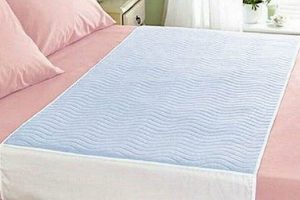
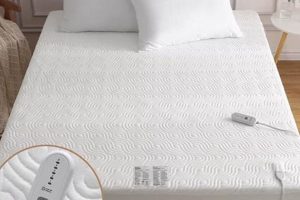
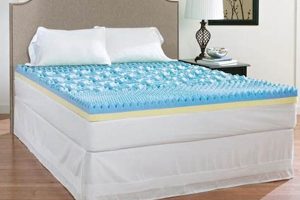
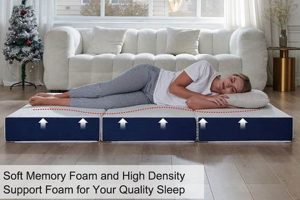
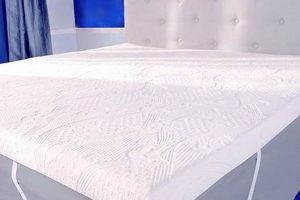
A protective layer designed to be placed atop a baby’s sleeping surface, beneath the fitted sheet, enhances comfort and hygiene. These items typically feature waterproof or water-resistant materials to safeguard the mattress from spills and accidents. Examples range from thin, quilted fabrics to thicker, more cushioned designs.
The utilization of these pads contributes significantly to maintaining a sanitary sleep environment, crucial for infant health and well-being. They prevent the absorption of moisture and other liquids into the mattress core, mitigating the growth of bacteria and mold. Historically, simpler cloths served a similar function, but modern variations offer improved protection, ease of cleaning, and enhanced comfort.
This article will delve into the various materials used in construction, safety standards governing their production, optimal cleaning practices, and factors to consider when selecting a suitable product for an infant’s sleep space. Subsequent sections will also address potential concerns and offer guidance on ensuring safe and effective usage.
Selection and Maintenance Guidance
The following recommendations provide critical insights into ensuring proper selection, use, and upkeep of products designed to protect an infant’s sleep surface.
Tip 1: Prioritize Safety Certifications: Look for certifications from reputable organizations such as CertiPUR-US or OEKO-TEX. These indicate that the product has been tested for harmful substances and meets specific safety standards.
Tip 2: Evaluate Material Composition: Opt for breathable, hypoallergenic materials like organic cotton or bamboo. These minimize the risk of skin irritation and promote airflow, crucial for regulating body temperature.
Tip 3: Assess Waterproofing Capabilities: Confirm the product’s water resistance with manufacturer specifications. Select a material that effectively prevents fluid penetration while remaining breathable to minimize discomfort.
Tip 4: Confirm Proper Fit: Ensure that the selected item precisely matches the dimensions of the crib mattress. An ill-fitting product can pose a suffocation hazard or compromise the integrity of the sleep surface.
Tip 5: Follow Manufacturer’s Cleaning Instructions: Adhere strictly to the manufacturer’s recommendations for washing and drying. Improper cleaning can damage the material, reduce its protective capabilities, or introduce harmful chemicals.
Tip 6: Conduct Regular Inspections: Routinely examine the pad for signs of wear and tear, such as rips, tears, or thinning material. Replace the product immediately if damage is detected.
Tip 7: Avoid Harsh Chemicals: When laundering, refrain from using harsh detergents, bleach, or fabric softeners. These substances can irritate an infant’s sensitive skin and degrade the material over time.
Adhering to these guidelines optimizes the protective function and longevity of the selected product, while ensuring a safe and hygienic sleep environment for the infant.
The subsequent section will offer a comprehensive overview of common concerns and provide additional resources for parents seeking to make informed decisions.
1. Water Resistance

Water resistance in an infant mattress pad directly impacts the hygiene and longevity of the underlying mattress. The primary function of this feature is to prevent fluids, such as urine, spills, and spit-up, from penetrating the mattress core. Without adequate water resistance, these fluids seep into the mattress, creating a breeding ground for bacteria, mold, and mildew. The result is a compromised sleep surface potentially harmful to the infant’s health, and a reduction in the mattress’s lifespan. For example, consistent exposure to moisture can degrade foam and other mattress materials, leading to structural damage and necessitating premature replacement.
Effective water resistance in an infant mattress pad not only protects against unsanitary conditions but also simplifies cleaning procedures. Surfaces designed to repel liquids allow for quick and easy wipe-down, preventing the buildup of odors and minimizing the risk of bacterial growth. This ease of maintenance reduces the time and effort required to keep the infant’s sleep environment clean and hygienic. Some advanced designs incorporate breathable yet impermeable membranes, striking a balance between protection and comfort.
In summary, water resistance is a critical attribute of infant mattress pads due to its direct impact on hygiene, mattress longevity, and ease of maintenance. The absence of effective water resistance presents a risk to the infant’s health and can lead to increased costs associated with premature mattress replacement. Therefore, selecting a product with proven water-resistant capabilities is a fundamental consideration for parents and caregivers. Choosing the right product protects against unforeseen accidents and avoids any impact on the baby’s health.
2. Hypoallergenic Materials

The incorporation of hypoallergenic materials in the construction of an infant mattress pad is paramount in minimizing the risk of allergic reactions and skin irritation in infants. These materials, typically characterized by low allergenic potential, serve as a protective barrier between the infant’s delicate skin and potential irritants present in the mattress. The selection of materials like organic cotton, bamboo, or certain synthetic fibers significantly reduces exposure to common allergens such as dust mites, mold spores, and chemical residues, thereby decreasing the likelihood of adverse reactions.
The cause-and-effect relationship between material composition and infant health is a primary driver for the use of hypoallergenic materials. For instance, conventional cotton may retain pesticide residues from agricultural processes, leading to skin sensitization in some infants. By contrast, organic cotton, grown without synthetic pesticides or fertilizers, mitigates this risk. Similarly, dust mites, prevalent in bedding materials, can trigger allergic responses in susceptible individuals. Hypoallergenic mattress pads often incorporate tightly woven fabrics that impede dust mite penetration, reducing allergen exposure. The practical application of this understanding extends to product labeling and certification, enabling consumers to identify and select items that meet specific hypoallergenic standards.
In summary, the utilization of hypoallergenic materials in infant mattress pads constitutes a proactive measure in safeguarding infant health and well-being. This feature minimizes exposure to potential allergens, reduces the risk of skin irritation, and promotes a healthier sleep environment. Choosing a product made with certified hypoallergenic materials represents a crucial consideration for parents and caregivers prioritizing infant safety and comfort. By selecting appropriate materials, the
potential impact on the baby’s health and quality of sleep can be improved.
3. Secure Fit

The concept of a secure fit is critically important when discussing infant mattress pads. A properly fitted pad is not merely about aesthetics; it directly influences the safety and efficacy of the sleep environment for an infant. A poorly fitted pad introduces potential hazards and compromises the protective function it is intended to serve.
- Reduced Suffocation Risk
A mattress pad that does not fit snugly presents a suffocation hazard. Excess material can bunch up or become loose, creating folds or gaps where an infant could become entrapped. A secure fit ensures the pad remains taut and smooth, minimizing the risk of accidental obstruction of the infant’s airway. Instances of suffocation related to loose bedding highlight the importance of this feature.
- Prevention of Mattress Displacement
A secure fit prevents the pad from shifting or becoming dislodged from the mattress. Movement of the pad can expose the mattress to fluids and contaminants, defeating the purpose of its protective barrier. A properly secured pad remains in place, maintaining a consistent layer of protection between the infant and the mattress surface. This consistent protection can have a significant impact.
- Maintenance of a Flat Sleeping Surface
An ill-fitting pad can create an uneven or unstable sleeping surface. Wrinkles, folds, or bunching can compromise the comfort and support provided by the mattress, potentially affecting the infant’s sleep quality. A secure fit ensures a flat and even surface, promoting proper spinal alignment and minimizing discomfort. The design of the sleep surface impacts the baby’s overall comfort level.
- Ensuring Consistent Protection
A mattress pad with a good fit provides consistent protection across the whole mattress, and not just in certain areas. This even level of protection ensures that there are no unexpected exposures to the mattress below. This consistent and reliable protection can help provide greater peace of mind.
In conclusion, a secure fit is not merely a desirable attribute of an infant mattress pad; it is a safety imperative. By minimizing suffocation risks, preventing mattress contamination, and ensuring a stable sleeping surface, a properly fitted pad contributes significantly to a safe and hygienic sleep environment for the infant. Selection of a pad with appropriate dimensions and secure attachment mechanisms is therefore a crucial consideration for caregivers.
4. Breathability
Breathability is a crucial characteristic of infant mattress pads, influencing infant comfort and safety during sleep. The capacity of the pad to facilitate air circulation directly impacts temperature regulation and moisture management, contributing significantly to a healthy sleep environment.
- Temperature Regulation
Breathable materials permit the dissipation of heat away from the infant’s body, preventing overheating. Infants lack fully developed thermoregulation mechanisms, making them particularly vulnerable to environmental temperature fluctuations. A mattress pad that inhibits airflow can trap heat, increasing the risk of discomfort and potential heat stress. Examples include materials like open-cell foam or tightly woven natural fibers that promote air exchange.
- Moisture Management
Breathable fabrics allow moisture vapor to escape, reducing the accumulation of sweat and humidity within the sleeping environment. Trapped moisture can create a breeding ground for bacteria and fungi, increasing the risk of skin irritation and respiratory issues. Materials such as bamboo and certain synthetic blends possess inherent wicking properties, drawing moisture away from the skin and promoting evaporation.
- Reduced Risk of Suffocation
While breathability alone does not guarantee prevention, highly breathable mattress pads may contribute to reducing suffocation risk compared to impermeable alternatives. If an infant’s face becomes pressed against the pad, airflow through the material can provide some degree of ventilation, potentially mitigating the severity of airway obstruction.
- Material Composition and Construction
Breathability is directly influenced by the materials used in the construction of the mattress pad and the way those materials are assembled. Natural fibers like cotton and wool generally offer better breathability compared to dense synthetic materials. Open weaves and quilted designs further enhance airflow. A closed plastic sheet, conversely, offers no breathability and should be avoided.
In summary, breathability is a primary factor to consider when selecting an infant mattress pad. Its influence on temperature regulation, moisture management, and potential mitigation of suffocation risks underscores its importance in promoting a safe and comfortable sleep environment for infants. Careful consideration of material composition and construction techniques is essential in ensuring adequate breathability.
5. Easy Cleaning

The characteristic of “easy cleaning” in the context of an infant mattress pad is fundamentally linked to maintaining a hygienic sleep environment and promoting infant health. The cause-and-effect relationship is direct: infrequent or ineffective cleaning of a mattress pad leads to the accumulation of bacteria, allergens, and odors, potentially triggering skin irritation, respiratory issues, or infections in infants. Conversely, a mattress pad designed for easy cleaning allows for prompt removal of contaminants, mitigating these health risks. Spillages, drool, and diaper leaks are common occurrences; therefore, a surface that can be quickly wiped down or readily laundered becomes a crucial feature for minimizing exposure to harmful microorganisms. For instance, a waterproof mattress pad with a smooth, non-absorbent surface enables efficient cleaning with a damp cloth, preventing liquids from penetrating the core and fostering bacterial growth.
The importance of “easy cleaning” as a component of an infant mattress pad extends beyond immediate spill management. Regular and thorough cleaning contributes to the longevity of the product, preserving its protective qualities and reducing the need for frequent replacements. For example, a mattress pad with removable, machine-washable layers allows for deep cleaning, effectively eliminating accumulated allergens and odors that a simple wipe-down may not address. This functionality proves particularly valuable in managing issues such as dust mite infestations or lingering smells after an accident. Furthermore, easy-to-clean materials reduce reliance on harsh chemicals or cleaning agents, minimizing potential exposure to irritants that could affect the infant’s sensitive skin.
In summary, the attribute of “easy cleaning” is an indispensable aspect of infant mattress pads, impacting both the immediate hygiene of the sleep environment and the long-term health and safety of the infant. The ability to quickly and effectively remove contaminants, combined with the option for thorough and
regular cleaning, ensures a healthier and more comfortable sleep surface. Selecting a mattress pad that prioritizes ease of cleaning is a practical and proactive approach to minimizing potential health risks and maintaining a sanitary sleep environment for the infant.
6. Durability
Durability, in the context of an infant mattress pad, signifies the product’s ability to withstand repeated use, cleaning cycles, and the typical stresses associated with infant care. The correlation between durability and the longevity of the mattress pad is direct: a more durable product will maintain its integrity and protective qualities for a longer period, providing extended value and reducing the need for frequent replacements. This attribute is especially important given the demanding conditions under which these pads are used, including exposure to fluids, frequent washing, and potential abrasion.
The selection of materials plays a critical role in determining durability. High-quality fabrics, reinforced seams, and robust waterproofing layers contribute to the pad’s ability to withstand wear and tear. For example, a mattress pad constructed with tightly woven, tear-resistant fabric is less likely to develop rips or holes compared to one made with weaker materials. Similarly, a durable waterproof membrane will maintain its integrity through repeated washings, preventing fluid penetration and preserving the mattress’s cleanliness. Practical applications of this understanding extend to product testing, where manufacturers assess the pad’s resistance to abrasion, stretching, and other forms of stress to ensure it meets durability standards. The cause-and-effect relationship between material quality and product lifespan is crucial for both manufacturers and consumers.
In summary, durability is a fundamental characteristic of an infant mattress pad, influencing its lifespan, protective capabilities, and overall value. The use of high-quality materials and robust construction techniques is essential for ensuring that the pad can withstand the rigors of infant care. Selecting a durable mattress pad is a practical decision that provides long-term benefits, reduces the need for frequent replacements, and ultimately contributes to a safer and more hygienic sleep environment for the infant.
Frequently Asked Questions
This section addresses common inquiries regarding the selection, usage, and maintenance of items designed to protect an infant’s sleep surface. The information provided aims to clarify typical concerns and promote informed decision-making.
Question 1: What are the primary benefits of utilizing a protective layer atop an infant’s sleeping surface?
The primary benefits include safeguarding the mattress from spills and accidents, extending its lifespan, maintaining a more hygienic sleep environment, and enhancing the infant’s comfort.
Question 2: How frequently should the protective layer be cleaned?
Cleaning frequency depends on usage and incidence of spills or accidents. At a minimum, the layer should be laundered or wiped down weekly. Immediate cleaning is necessary following any contamination.
Question 3: What materials are considered most suitable for an infant’s protective layer?
Suitable materials include organic cotton, bamboo, and hypoallergenic synthetic fibers. These options minimize the risk of allergic reactions and promote breathability.
Question 4: Are there specific safety certifications to seek when selecting a protective layer?
Certifications such as OEKO-TEX Standard 100 and CertiPUR-US indicate that the product has been tested for harmful substances and meets defined safety criteria.
Question 5: Can the protective layer mitigate the risk of Sudden Infant Death Syndrome (SIDS)?
While a protective layer alone cannot prevent SIDS, selecting a breathable option and ensuring a firm, flat sleeping surface, free of loose bedding, aligns with safe sleep recommendations.
Question 6: What are the key indicators that it is time to replace the protective layer?
Replacement is warranted if the layer exhibits signs of wear and tear, such as rips, tears, thinning material, or a loss of waterproofing capabilities.
The information provided herein offers guidance on essential considerations for selecting and maintaining a suitable protective layer for an infant’s mattress. Adhering to these recommendations promotes a safer and more hygienic sleep environment.
The subsequent section will provide a summary of key considerations to ensure optimal use and care.
Infant Mattress Pad
This discussion has underscored the significance of the infant mattress pad as more than a mere accessory. It has detailed the attributeswater resistance, hypoallergenic materials, secure fit, breathability, easy cleaning, and durabilitythat collectively determine its effectiveness in maintaining a safe, hygienic, and comfortable sleep environment for infants. The information presented has illustrated the direct impact of this product on mitigating risks associated with allergens, bacteria, and accidental suffocation, while also prolonging the life of the underlying mattress.
In light of these considerations, the selection of an appropriate infant mattress pad demands careful attention to established safety standards and material properties. Prioritizing products that meet certification criteria and demonstrate adherence to the principles outlined herein is not merely a recommendation, but a crucial step in safeguarding infant health and well-being. The responsibility rests with caregivers to make informed decisions that contribute to a secure and sanitary sleep space, thereby promoting optimal developmental outcomes.