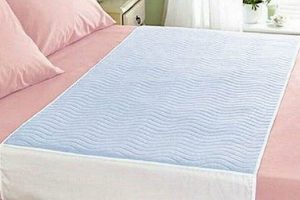
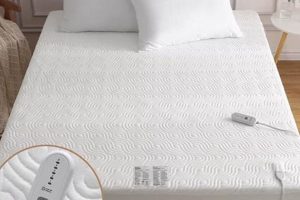
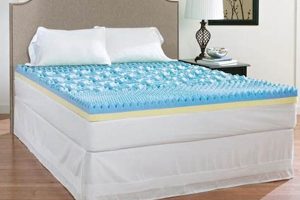
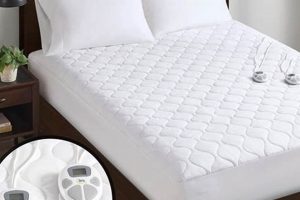
The product in question is a bedding accessory designed to enhance the comfort and longevity of a mattress. Typically constructed from materials like memory foam or fiberfill, it is placed directly on top of the mattress and beneath the fitted sheet. This type of bedding addition provides an extra layer of cushioning and can offer solutions for temperature regulation and mattress protection.
Its significance lies in its ability to improve sleep quality and extend the lifespan of a mattress. The additional cushioning can alleviate pressure points, contributing to a more restful sleep experience. Moreover, it acts as a barrier against spills and stains, protecting the underlying mattress from damage. Historically, similar products have evolved from simple quilting to incorporating advanced materials and technologies aimed at optimizing sleep comfort and hygiene.
This discussion will now delve into specific features, material composition, potential advantages, and user considerations relevant to selecting and utilizing this type of product effectively. Furthermore, it will explore its role in contributing to overall sleep well-being and mattress care.
Considerations for Optimal Utilization
The following recommendations aim to ensure effective utilization and maintenance, maximizing the lifespan and benefits of the product.
Tip 1: Evaluate Mattress Condition: Prior to installation, assess the underlying mattress. A severely damaged or sagging mattress may not benefit significantly from the addition. Addressing existing mattress issues is paramount.
Tip 2: Select Appropriate Thickness: Available thicknesses vary, influencing the degree of comfort and support. Consider personal preferences and any specific orthopedic needs when selecting a thickness.
Tip 3: Account for Material Properties: Different materials offer distinct characteristics. Memory foam provides contouring and pressure relief, while fiberfill offers a more general cushioning effect. Select a material aligned with desired comfort attributes.
Tip 4: Ensure Proper Fit: Confirm the size of the product corresponds accurately with the mattress dimensions. An improperly sized product can result in bunching, slippage, or incomplete coverage.
Tip 5: Maintain Cleanliness: Regular cleaning, as directed by the manufacturer’s instructions, is crucial. This practice helps prevent the accumulation of dust mites, allergens, and stains, preserving hygiene and prolonging product life.
Tip 6: Rotate Periodically: Periodic rotation, particularly for memory foam variants, can promote even wear and prevent the formation of indentations.
Tip 7: Utilize a Mattress Protector: Employing a mattress protector in conjunction with the item can further safeguard the underlying mattress from spills, stains, and general wear and tear.
Adhering to these suggestions will contribute to a more comfortable sleep environment and extend the functional lifespan of the product. Consistent maintenance and informed selection are key to realizing its intended benefits.
The subsequent section will address potential concerns and frequently asked questions pertaining to this bedding accessory, providing further clarification and guidance for prospective users.
1. Enhanced comfort
The primary function of a bedding accessory like a product from zinus mattress pad offerings is to augment the existing sleep surface, thus enhancing overall comfort. This enhancement is achieved through the provision of an additional layer of cushioning, effectively redistributing pressure and mitigating the formation of pressure points. The degree of comfort enhancement varies according to the materials utilized and the thickness of the additional layer. For example, a memory foam variant molds to the body’s contours, providing targeted support and pressure relief, while a fiberfill option offers a more generalized cushioning effect. Individuals experiencing discomfort from a firm mattress often find significant relief through the integration of such a bedding component.
The importance of enhanced comfort extends beyond mere subjective preference; it directly impacts sleep quality and, consequently, overall health. Insufficient comfort can lead to restlessness, frequent awakenings, and ultimately, sleep deprivation. These sleep disturbances can manifest in various adverse health outcomes, including impaired cognitive function, weakened immune response, and increased risk of chronic diseases. By improving sleep comfort, a bedding addition contributes to a more restorative sleep cycle, yielding tangible benefits for physical and mental well-being. Consider the case of an individual with chronic back pain; a strategically selected addition can significantly reduce pain-related sleep disturbances, leading to improved sleep quality and daytime functioning.
In conclusion, the link between enhanced comfort and a zinus mattress pad is intrinsic, representing a fundamental benefit driving product adoption. The selection of the appropriate material and thickness is critical in realizing the desired comfort level. Understanding this connection empowers consumers to make informed purchasing decisions, optimizing their sleep environment and reaping the associated health advantages. While the concept of “comfort” is inherently subjective, its impact on sleep quality and overall well-being underscores its objective importance in the context of bedding accessories and sleep hygiene.
2. Mattress Protection
Mattress protection is a key function intrinsically linked to the utilization of a bedding accessory from a brand like zinus mattress pad products. The purpose is to shield the underlying mattress from various potential detriments, thereby extending its lifespan and preserving its integrity. This protective function is particularly relevant in light of the substantial investment a quality mattress represents.
- Barrier Against Spills and Stains
The primary role is to act as a physical barrier, preventing liquids and substances from penetrating the mattress fibers. Spills, sweat, and accidental stains can permanently damage a mattress, leading to discoloration, odor, and potential mold growth. A quality product provides a waterproof or water-resistant layer, effectively containing spills and facilitating easy cleanup. This is exemplified in households with children or pets, where the risk of accidental spills is significantly higher. Failure to protect against these incidents can result in costly mattress replacement.
- Mitigation of Wear and Tear
Daily use contributes to gradual wear and tear, including the accumulation of dead skin cells, dust mites, and allergens within the mattress. A protective layer minimizes the direct impact of these factors, reducing the frequency of professional cleaning and maintaining a more hygienic sleep e
nvironment. For instance, frequent tossing and turning can compress mattress fibers over time, leading to uneven support. The additional layer provided distributes weight more evenly, mitigating localized wear and tear. - Defense Against Allergens and Dust Mites
Mattresses provide an ideal breeding ground for dust mites, a common allergen that can trigger respiratory issues and skin irritations. Many protective offerings feature hypoallergenic materials and construction techniques that inhibit dust mite proliferation. This is particularly beneficial for individuals with allergies or asthma. The protective layer effectively creates a barrier, preventing dust mites from penetrating the mattress fibers and reducing exposure to allergens. Regular washing of the accessory further minimizes allergen accumulation.
- Prolongation of Mattress Lifespan
By safeguarding against spills, stains, wear and tear, and allergens, the product contributes significantly to extending the mattress lifespan. A well-protected mattress retains its structural integrity and supportiveness for a longer duration, delaying the need for replacement. This translates into cost savings over time. For example, a mattress that is properly protected may last several years longer than one without protection, representing a substantial return on investment in the protective accessory.
In summary, mattress protection, as facilitated by products available from brands like zinus mattress pad, constitutes a multifaceted benefit extending beyond mere surface cleanliness. It encompasses protection against spills, wear and tear, allergens, and ultimately contributes to the overall longevity of the underlying mattress. The economic and health implications of this protective function underscore its importance in maintaining a clean, comfortable, and supportive sleep environment.
3. Material Composition
The utility and performance of any zinus mattress pad are intrinsically linked to its material composition. The selection of materials directly dictates the comfort, support, temperature regulation, durability, and hypoallergenic properties of the product. Variations in material type and construction techniques determine the extent to which the product fulfills its intended function of enhancing sleep quality and protecting the underlying mattress. For instance, a pad constructed with high-density memory foam will offer superior pressure relief compared to one made with low-density fiberfill. Similarly, a pad incorporating breathable materials will promote better airflow and temperature regulation, preventing overheating during sleep.
The material composition also influences the product’s maintenance requirements and overall lifespan. Durable, high-quality materials are more resistant to wear and tear, ensuring longevity and sustained performance. Conversely, inferior materials may degrade rapidly, compromising the product’s functionality and necessitating premature replacement. For example, a product utilizing a low-grade polyurethane foam may exhibit rapid compression and loss of support, rendering it ineffective within a relatively short period. Furthermore, the presence of certain materials, such as synthetic latex or treated fabrics, may trigger allergic reactions in sensitive individuals, highlighting the importance of considering hypoallergenic options. A product description should explicitly detail the specific materials used, including the composition of the fill, cover, and any additional layers, enabling informed consumer decisions based on individual needs and preferences. The manufacturing process influences the consistency of these materials.
In summary, the material composition of a zinus mattress pad is a critical determinant of its performance, durability, and suitability for individual users. Understanding the properties and characteristics of different materials empowers consumers to select a product that aligns with their specific comfort preferences, support requirements, and health considerations. Thorough scrutiny of material specifications is paramount to maximizing the benefits and ensuring long-term satisfaction. Neglecting to consider the materials results in the purchase of unsuitable, short-lived products.
4. Thickness Options

Thickness options in a zinus mattress pad directly influence the level of comfort and support experienced by the user. These options cater to varying preferences and needs, impacting pressure relief, spinal alignment, and overall sleep quality. The selection of an appropriate thickness is crucial for optimizing the benefits derived from the product.
- Pressure Relief Enhancement
Increased thickness generally corresponds to enhanced pressure relief. A thicker pad distributes body weight over a larger surface area, reducing concentrated pressure on sensitive areas such as hips and shoulders. This is particularly beneficial for side sleepers who experience pressure point discomfort. A thinner pad may not provide sufficient cushioning, resulting in persistent discomfort and potential sleep disturbances.
- Spinal Alignment Support
The thickness contributes to maintaining proper spinal alignment during sleep. A pad that is too thin may not provide adequate support, allowing the spine to sag or curve unnaturally. Conversely, a pad that is too thick may elevate the body excessively, disrupting spinal alignment. Selecting the appropriate thickness ensures that the spine remains in a neutral position, promoting restful sleep and reducing the risk of back pain. Consideration of mattress firmness is key.
- Temperature Regulation Effects
Thickness can indirectly affect temperature regulation. Thicker pads may retain more heat, potentially leading to overheating during sleep. This is particularly relevant for individuals who tend to sleep hot. Thinner pads generally allow for better airflow, promoting a cooler sleep environment. Material choice plays a crucial, often primary, role. Some thicker options now incorporate cooling gel infusions or breathable materials to mitigate heat retention.
- Mattress Compatibility Implications
The chosen thickness must be compatible with existing mattress depth and bed frame configuration. An excessively thick pad may render fitted sheets incompatible or create an uncomfortably high sleeping surface. Conversely, a pad that is too thin may not provide the desired level of comfort or protection. Accurate measurement of mattress depth and careful consideration of bed frame dimensions are essential for ensuring proper fit and functionality.
In conclusion, thickness options represent a critical factor in determining the suitability and effectiveness of a zinus mattress pad. The optimal thickness is contingent upon individual preferences, body weight, sleep position, and existing mattress characteristics. Careful consideration of these factors ensures that the selected pad provides the desired level of comfort, support, and temperature regulation, ultimately contributing to improved sleep quality and overall well-being. Consumers must fully understand their needs for proper selection.
5. Care Requirements

The longevity and hygiene of a zinus mattress pad are directly dependent upon adherence to specific care requirements. Proper maintenance ensures that the product retains its intended comfort and protective qualities throughout its lifespan. Neglecting these requirements can lead to premature degradation, reduced effectiveness, and potential health concerns.
- Regular Cleaning Protocols
Routine cleaning is essential for removing accumulated dust, allergens, and body oils from the product’s surface. The manufacturer’s instructions typically outline recommended cleaning methods, which may include spot cleaning with a mild detergent or machine washing on a gentle cycle. Failure to clean regularly can lead to the proliferation of dust mites and the buildup of stains, compromising hygiene and potentially triggering allergic reactions. For instance, a monthly vacuuming of the pad can remove surface debris, while prompt attention to spills prevents permanent staining.
- Appropriate Drying Techniques
Following cleaning, proper drying is crucial to prevent mold and mildew growth. Tumble drying on a low heat setting or air drying in a well-ventilated area is generally recommended. High heat can damage the materials, causing shrinkage or distortion. Ensuring that the pad is completely dry before placing it back on the mattress minimizes the risk of moisture-related issues. An example would be allowing the pad to air dry outdoors on a sunny day, ensuring all moisture is evaporated before reuse.
- Rotation and Flipping Schedules
Periodic rotation, and in some cases flipping (if the design allows), promotes even wear and prevents the formation of indentations or sagging in specific areas. This practice distributes pressure more uniformly across the surface, extending the product’s lifespan and maintaining consistent support. For example, rotating the pad 180 degrees every few months can prevent localized compression and maintain a more even sleeping surface.
- Storage Guidelines
When not in use, proper storage is essential to protect the pad from damage and maintain its integrity. Storing the product in a clean, dry environment, away from direct sunlight and extreme temperatures, prevents deterioration. Rolling or folding the pad carefully minimizes creases and maintains its shape. A typical scenario would involve storing the pad in a breathable storage bag in a temperature-controlled closet when not in use.
These care requirements are integral to preserving the functionality and hygiene of a zinus mattress pad. Adherence to recommended cleaning, drying, rotation, and storage practices ensures that the product continues to provide optimal comfort and protection for an extended period. Neglecting these aspects can negate the benefits of the product and lead to premature replacement, highlighting the importance of diligent maintenance. Prior research into care requirements before purchase ensures appropriateness.
Frequently Asked Questions
The following section addresses common inquiries regarding the features, benefits, and limitations associated with the product.
Question 1: What is the typical lifespan?
The lifespan varies depending on usage patterns, material composition, and adherence to recommended care practices. However, with proper maintenance, a reasonable expectation would be between three to five years.
Question 2: Can it resolve severe mattress sagging?
The product is not intended as a solution for pre-existing, significant mattress damage. It primarily enhances comfort and provides a degree of protection. Addressing underlying mattress issues is recommended prior to use.
Question 3: Is it suitable for individuals with allergies?
Many options utilize hypoallergenic materials. However, it is imperative to verify the specific material composition to ensure suitability for individual sensitivities. Regular cleaning can further minimize allergen accumulation.
Question 4: How does thickness affect performance?
Thickness directly influences the level of pressure relief and support. Thicker options generally provide greater cushioning, while thinner options offer a more subtle enhancement. Selection should align with individual preferences and comfort needs.
Question 5: What cleaning methods are recommended?
Manufacturer guidelines should be consulted for specific cleaning instructions. Generally, spot cleaning with a mild detergent or machine washing on a gentle cycle is appropriate. Thorough drying is essential to prevent mold growth.
Question 6: Will it fit all mattress types?
The product is designed to be compatible with standard mattress sizes. However, it is crucial to verify dimensions to ensure a proper fit. Excessively thick mattresses or non-standard sizes may require specialized options.
These responses provide a comprehensive overview of common concerns. For further clarification, consulting the product specifications and manufacturer resources is advised.
The subsequent segment will offer concluding remarks and a summary of the product’s core attributes.
Conclusion
This exploration has detailed critical facets relevant to bedding accessory selection and utilization. Specific focus on the attributes, benefits, and considerations intrinsic to a zinus mattress pad has revealed its multi-faceted nature. From enhanced comfort and mattress protection to material composition, thickness options, and diligent care requirements, a comprehensive understanding of these elements is paramount for informed decision-making. The analysis has underscored the interconnectedness of these factors in determining product performance, longevity, and overall user satisfaction.
The information presented serves to empower prospective users with the knowledge necessary to optimize their sleep environment and make informed purchasing choices. The significance of these accessories extends beyond mere surface comfort, influencing sleep quality, mattress lifespan, and long-term well-being. Further research and meticulous consideration of individual needs are encouraged to ensure the selected bedding solution aligns with specific requirements and maximizes the potential for a restful and restorative sleep experience.
![Best Kohl's Mattress Pads: Protect & Comfort [Year] | Organic & Natural Mattress Buyer’s Guide: Non-Toxic Sleep Solutions](https://mattressworldpa.com/wp-content/uploads/2025/07/th-4884-300x200.jpg "Best Kohl's Mattress Pads: Protect & Comfort [Year] Organic & Natural Mattress Buyer’s Guide: Non-Toxic Sleep Solutions")