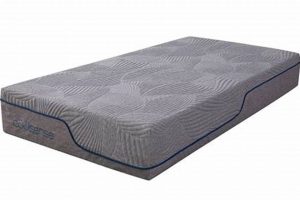
A narrow bed designed for single occupancy, offering reduced width compared to standard models, is often selected to optimize space utilization within smaller bedrooms, dormitories, or guest rooms. This type of bedding typically maintains the standard length of a twin-sized bed while minimizing its horizontal footprint. For example, in a shared children’s room, employing this bed configuration can free up valuable floor area for play or study.
The advantage of using these narrower beds lies in their ability to provide comfortable sleep in limited spaces. This configuration is a solution for individuals living in urban apartments where square footage is at a premium. Historically, compact beds have been used in environments ranging from ships’ cabins to minimalist living arrangements, reflecting a consistent need for space-saving sleep solutions. Furthermore, these items often align with the principles of efficient living and are a practical choice for minimalist lifestyles.
Understanding the dimensions and construction of these narrower beds is essential before making a purchase. Key factors include considerations of foam density, coil count, and overall bed height, which directly influence support and comfort. The following discussion will delve into optimal usage scenarios, material composition, and the long-term care requirements of a space-efficient bedding solution.
Optimizing Use of Space-Efficient Single Beds
This section presents practical considerations for selecting and maintaining a space-efficient single bed to ensure both comfort and longevity. Careful attention to these details can maximize satisfaction with a compact sleeping arrangement.
Tip 1: Measure Available Space Accurately: Before purchasing, precisely measure the intended location to guarantee a proper fit. Account for surrounding furniture and walkways to maintain ease of movement within the room.
Tip 2: Prioritize Support and Comfort: Despite the compact size, prioritize a mattress with adequate support. Look for models with high-density foam or a sufficient coil count to prevent sagging and promote proper spinal alignment.
Tip 3: Consider Frame Material: The bed frame’s material impacts stability and durability. Opt for solid wood or metal frames to ensure long-term support and minimize the risk of collapse.
Tip 4: Evaluate Mattress Height: Choose a mattress height that complements the bed frame. A mattress that is too low may make getting in and out of bed difficult, while one that is too high may appear disproportionate.
Tip 5: Use Appropriate Bedding: Invest in properly sized sheets and blankets to prevent bunching or overhang. Fitted sheets designed for standard twin mattresses may require adjustment.
Tip 6: Rotate the Mattress Regularly: To promote even wear and prevent indentations, rotate the mattress every three to six months. This simple practice can extend its lifespan and maintain comfort.
Tip 7: Protect the Mattress from Stains and Moisture: A waterproof mattress protector shields against spills and accidents, preventing permanent damage and maintaining hygiene. Regular cleaning of the protector is also recommended.
Adhering to these guidelines ensures that a space-efficient single bed provides a comfortable and lasting sleep solution. Careful planning and maintenance can maximize the benefits of this compact bedding option.
The following sections will address cleaning and care strategies for these beds and considerations for incorporating this type of sleeping arrangement into various room designs.
1. Space Optimization

Space optimization, in the context of bedding solutions, refers to the strategies and attributes that maximize the utility of available physical area. This principle is particularly relevant to the selection of a narrow twin bed, where the goal is to furnish a room effectively without sacrificing essential functionality or comfort.
- Reduced Footprint
A primary benefit of a narrow twin bed is its smaller dimensions compared to standard twin or larger beds. This reduced footprint allows for more efficient use of floor space in bedrooms, dormitories, or guest rooms. For example, in a shared children’s room, selecting a narrow twin bed can free up valuable space for play or study areas.
- Versatile Room Layouts
The compact size of these beds facilitates greater flexibility in room arrangement. Furniture can be positioned more strategically, and additional items, such as desks or storage units, can be incorporated without overcrowding the space. This adaptability is especially beneficial in smaller apartments or homes where every square foot counts.
- Efficient Multi-Use Spaces
Narrow twin beds are well-suited for rooms that serve multiple purposes, such as home offices that occasionally function as guest rooms. The space-saving design allows for the accommodation of both work and sleep arrangements without compromising either function. For instance, a narrow twin bed can be discreetly placed along a wall, leaving ample room for office equipment and activities.
- Enhanced Storage Solutions
The reduced size of a narrow twin bed can enable the integration of storage solutions, such as under-bed drawers or vertical shelving, more effectively. These storage options help to declutter the room and maximize organization, contributing to a more comfortable and functional living environment. This is particularly useful in small apartments.
The combined effect of these attributes highlights the importance of space optimization when selecting a bed. By choosing a narrow twin bed, individuals can significantly improve the usability and aesthetic appeal of a room, ensuring that limited space is utilized to its fullest potential. The balance between comfort, functionality, and space efficiency makes the narrow twin bed a practical choice for various living arrangements.
2. Comfort Level

The connection between comfort level and a slim twin mattress is paramount due to the inherent limitations imposed by the mattress’s dimensions. A reduced surface area necessitates a careful selection of materials and construction techniques to ensure adequate support and pressure relief. If the comfort level is insufficient, individuals may experience discomfort, disrupted sleep, and potential long-term musculoskeletal issues. For example, a slim twin mattress with inadequate padding may cause pressure points to form, leading to restless sleep. The selection of appropriate materials, such as memory foam or supportive coil systems, is therefore critical in mitigating these risks and maximizing comfort within the restricted space. The importance of comfort is not merely a matter of subjective preference; it directly impacts the quality of sleep
and, consequently, overall health and well-being.
The design and construction of the internal components play a critical role in determining the comfort level of a slim twin mattress. Mattress manufacturers often employ specialized foam layering, zoning, and coil arrangements to compensate for the limited width. For instance, a multi-layered foam mattress might incorporate a high-density base layer for support, a transition layer for pressure redistribution, and a top layer of gel-infused memory foam for enhanced comfort and temperature regulation. The effectiveness of these design elements hinges on their ability to conform to the body’s contours and provide consistent support across the entire sleeping surface. Failure to address these design challenges can result in a mattress that feels uneven, unstable, or simply uncomfortable, negating the benefits of its space-saving dimensions.
In summary, comfort level is an indispensable component of a slim twin mattress, directly influencing sleep quality and physical health. The challenges associated with optimizing comfort in a limited space necessitate careful material selection, innovative design, and meticulous construction. A failure to prioritize comfort can undermine the practical advantages of a slim twin mattress, rendering it an unsuitable sleeping surface. As such, consumers should prioritize comfort considerations when evaluating these space-saving bedding solutions, ensuring that the mattress provides adequate support and pressure relief for a restful and rejuvenating sleep experience.
3. Support System

The support system within a slim twin mattress is a critical determinant of its overall performance, influencing factors such as spinal alignment, pressure distribution, and long-term durability. Given the reduced surface area of a slim twin mattress, the support system must effectively compensate for the limited space, ensuring that individuals receive adequate musculoskeletal support throughout the night. An inadequate support system can lead to uneven weight distribution, potentially causing discomfort, pain, and disrupted sleep patterns. For example, a slim twin mattress lacking sufficient coil density or foam support may sag prematurely, creating an unlevel sleeping surface that exacerbates pressure points and impedes proper spinal alignment.
Various support system technologies are employed in slim twin mattresses, including innerspring coils, memory foam, and latex. Innerspring systems utilize interconnected coils to provide a resilient and responsive sleeping surface. The gauge and configuration of the coils directly impact the level of support offered, with higher gauge coils generally providing firmer support. Memory foam support systems, on the other hand, contour to the body’s shape, distributing weight evenly and alleviating pressure points. The density of the memory foam determines its support characteristics, with higher density foams offering greater support and durability. Hybrid systems combine elements of both innerspring and memory foam technologies, aiming to provide a balanced combination of support, comfort, and motion isolation. The selection of an appropriate support system should be based on individual preferences, sleeping habits, and any specific musculoskeletal needs.
In conclusion, the support system is an indispensable element of a slim twin mattress, playing a crucial role in ensuring both comfort and long-term structural integrity. Given the space constraints inherent in slim twin mattresses, careful consideration must be given to the type and quality of the support system. Understanding the characteristics of different support technologies enables consumers to make informed decisions, selecting a slim twin mattress that effectively addresses their individual needs and promotes optimal sleep quality. The relationship between the support system and overall mattress performance underscores the importance of prioritizing support when evaluating slim twin mattress options.
4. Material Quality
The selection of materials in a slim twin mattress directly influences its durability, comfort, and suitability for specific needs. Given the constrained dimensions, the quality of components becomes paramount in ensuring a satisfactory sleeping experience and extending the mattress’s lifespan.
- Foam Density and Composition
The density of foam used in a slim twin mattress affects its ability to support weight and resist compression over time. Higher-density foams provide greater support and tend to be more durable. The composition of the foam, whether it’s memory foam, latex, or polyurethane, also plays a crucial role. Memory foam conforms to the body, offering pressure relief, while latex provides a more responsive and breathable surface. Polyurethane foam, often used as a base layer, offers cost-effectiveness but may not provide the same level of support or longevity. The choice of foam should align with the intended use and desired firmness level of the mattress. For example, a slim twin mattress designed for daily use would benefit from high-density memory foam to maintain support and comfort.
- Coil Type and Count
For innerspring slim twin mattresses, the type and count of coils are significant determinants of support and motion isolation. Bonnell coils, an older technology, offer basic support but may transfer motion easily. Pocketed coils, where each coil is encased in fabric, provide better motion isolation and targeted support. A higher coil count generally indicates greater support and durability. The gauge of the coils also matters; lower gauge coils are thicker and provide firmer support. The selection of coil type and count depends on individual preferences for firmness and the importance of minimizing motion transfer, especially in shared sleeping environments. A slim twin mattress intended for a single sleeper might prioritize targeted support from pocketed coils.
- Fabric Cover Durability and Breathability
The fabric cover of a slim twin mattress serves as the first line of defense against wear and tear, moisture, and allergens. Durable fabrics, such as tightly woven polyester or cotton blends, resist tearing and pilling. Breathable fabrics, such as organic cotton or bamboo, promote airflow, helping to regulate temperature and reduce the risk of overheating during sleep. Some covers also incorporate antimicrobial or hypoallergenic treatments to enhance hygiene. The choice of fabric should consider factors such as durability, breathability, and any specific sensitivities or allergies of the user. For instance, a slim twin mattress used in a humid environment would benefit from a breathable fabric cover to prevent moisture buildup.
- Adhesives and Binding Agents
The adhesives and binding agents used in the construction of a slim twin mattress can impact its overall durability and off-gassing potential. High-quality, non-toxic adhesives ensure that the layers of the mattress remain securely bonded over time. Low-quality adhesives may break down, leading to delamination and reduced support. Some adhesives can also release volatile organic compounds (VOCs), which can cause unpleasant odors or health concerns. Certifications such as CertiPUR-US indicate that the foam and adhesives used in the mattress meet specific standards for low VOC emissions. The selection of a slim twin mattress with certified materials can minimize potential health risks and ensure lon
g-term structural integrity.
These facets of material quality underscore the importance of careful consideration when selecting a slim twin mattress. The interplay between foam density, coil type, fabric durability, and adhesive composition directly affects the mattress’s performance, longevity, and suitability for individual needs. By prioritizing material quality, consumers can ensure a more comfortable, supportive, and durable sleeping surface within the constraints of a slim twin design.
5. Mattress Depth

Mattress depth, or thickness, is a critical dimension affecting the overall comfort, support, and aesthetic compatibility of a slim twin mattress. While the reduced width and length of a slim twin bed primarily address space constraints, the mattress depth influences its functionality and suitability for various users and bed frames. The selection of an appropriate mattress depth requires careful consideration of factors such as user height, bed frame design, and intended use case.
- Impact on Bed Height and Accessibility
Mattress depth directly affects the overall height of the bed. A thicker mattress on a low-profile bed frame can result in a comfortable bed height for most adults, facilitating easy access and egress. Conversely, a thin mattress on a tall bed frame may create an uncomfortably low sleeping surface. For children or individuals with mobility limitations, selecting a mattress depth that provides an accessible bed height is crucial. For example, a slim twin mattress with a depth of 6 inches may be suitable for a platform bed, whereas a mattress with a depth of 12 inches may be more appropriate for a bed frame with minimal foundation support.
- Influence on Support and Comfort Layers
The depth of a mattress often correlates with the number and thickness of its internal support and comfort layers. Thicker mattresses typically accommodate more substantial support cores and thicker comfort layers, potentially enhancing overall support and pressure relief. A slim twin mattress with limited depth may compromise on the thickness of these layers, potentially affecting its long-term comfort and durability. However, advancements in mattress technology have enabled manufacturers to create supportive and comfortable thin mattresses using high-density foams and innovative construction techniques. A slim twin mattress with a depth of 8 inches might incorporate a high-density foam core with a thin layer of memory foam for adequate support and comfort.
- Compatibility with Bed Frames and Foundations
Mattress depth must be compatible with the design and support structure of the bed frame or foundation. Some bed frames, such as platform beds, are designed to accommodate mattresses of varying depths. Others, such as adjustable bed frames, may have specific depth requirements. Using a mattress depth that is incompatible with the bed frame can compromise support, stability, and overall safety. A slim twin mattress with a depth exceeding the recommended limit for an adjustable bed frame may hinder the frame’s functionality or cause damage. Conversely, a mattress that is too thin for the frame may not provide adequate support.
- Aesthetic Considerations
Mattress depth contributes to the overall aesthetic appeal of the bed. A mattress that is disproportionately thick or thin relative to the bed frame can create an unbalanced or visually unappealing look. Selecting a mattress depth that complements the style and proportions of the bed frame is essential for achieving a cohesive and aesthetically pleasing bedroom design. For example, a minimalist platform bed may benefit from a slim twin mattress with a low profile, while a more ornate bed frame may accommodate a thicker mattress for added visual impact.
The interplay between mattress depth and the various facets discussed underscores its significance in the context of a slim twin mattress. Careful consideration of these factors ensures that the selected mattress not only optimizes space but also provides adequate comfort, support, and aesthetic compatibility. The relationship between mattress depth and overall bed functionality highlights the importance of a holistic approach when selecting a slim twin mattress, considering individual needs and preferences.
6. Frame Compatibility

Frame compatibility is a foundational element in realizing the intended benefits of a slim twin mattress. The reduced dimensions of these mattresses necessitate careful consideration of the bed frame’s design to ensure adequate support and stability. A mismatch between the mattress and frame can lead to uneven weight distribution, premature mattress wear, and potential structural instability. For instance, placing a slim twin mattress on a frame designed for a standard twin may result in unsupported edges, causing sagging and reducing the usable sleeping surface. Conversely, a frame with excessive gaps between support slats can lead to uneven mattress wear and potential discomfort. Ensuring compatibility mitigates these risks and optimizes the mattress’s performance.
The impact of frame design extends beyond basic support to influence factors such as airflow and storage capabilities. Frames with closely spaced slats or solid platforms promote even weight distribution but may restrict airflow, potentially leading to moisture accumulation and increased mattress temperature. Conversely, frames with widely spaced slats enhance airflow but may compromise support, particularly for individuals with higher body weights. Some frames incorporate integrated storage solutions, such as drawers or under-bed compartments. However, these features must be considered in relation to the mattress’s depth and weight to ensure accessibility and prevent damage to the frame or mattress. The selection of a frame with appropriate airflow and storage capabilities contributes to the mattress’s longevity and overall user satisfaction. Real-world examples include platform beds specifically designed with integrated storage and appropriately spaced slats to both support the mattress and allow for ventilation.
In summary, frame compatibility is not merely an ancillary consideration but an integral component in maximizing the value and performance of a slim twin mattress. Understanding the interplay between mattress dimensions, frame design, and individual needs enables informed decision-making. Challenges in achieving optimal compatibility may arise from variations in frame construction and mattress specifications. Addressing these challenges requires careful measurement, attention to detail, and a holistic approach to selecting both the mattress and the frame. Prioritizing frame compatibility ensures that the slim twin mattress delivers its intended benefits of space optimization, comfort, and long-term durability.
Frequently Asked Questions Regarding Slim Twin Mattresses
The following questions address common concerns and misconceptions regarding slim twin mattresses, providing factual and objective information to aid in informed decision-making.
Question 1: What are the precise dimensions of a slim twin mattress?
A slim twin mattress typically measures approximately 30 inches in width and 75 inches in length. This differentiates it from a standard twin, which generally measures 38 inches in width.
Question 2: Is a slim twin mattress suitable fo
r adults?
Suitability depends on individual size and comfort preferences. While adequate for smaller adults or children, larger individuals may find the reduced width restrictive for comfortable sleep.
Question 3: What type of bed frame is recommended for a slim twin mattress?
A bed frame specifically designed to accommodate the dimensions of a slim twin mattress is recommended. Using a standard twin frame may leave unsupported gaps, potentially compromising mattress integrity.
Question 4: Does the reduced width of a slim twin mattress affect its support capabilities?
Support capabilities are primarily determined by internal construction materials and design, not solely by width. Quality slim twin mattresses incorporate supportive coil systems or high-density foams to maintain proper spinal alignment.
Question 5: Are slim twin mattresses more prone to sagging compared to standard twin mattresses?
Sagging is influenced by material quality and usage patterns. A well-constructed slim twin mattress using durable materials is not inherently more prone to sagging than a standard twin mattress.
Question 6: Where can one typically purchase a slim twin mattress?
Slim twin mattresses may be available at select mattress retailers or online vendors specializing in space-saving bedding solutions. Availability may vary depending on location and demand.
In summary, a slim twin mattress presents a viable option for space-constrained environments. Careful consideration of individual needs and mattress specifications is essential to ensure a satisfactory sleep experience.
The subsequent section will explore the practical applications of slim twin mattresses in various living spaces.
Conclusion Regarding Slim Twin Mattress Applications
This article has provided a comprehensive exploration of the slim twin mattress, outlining its defining characteristics, optimal usage scenarios, and crucial considerations for informed purchasing decisions. The analysis underscored the importance of material quality, support system design, mattress depth, and frame compatibility in maximizing the benefits of this space-saving bedding solution. Furthermore, common misconceptions were addressed, clarifying the factors that contribute to the overall performance and longevity of a slim twin mattress.
As urbanization and the demand for efficient living spaces continue to grow, the significance of the slim twin mattress as a practical and adaptable bedding option will likely increase. Individuals are encouraged to carefully evaluate their specific needs and preferences when selecting a slim twin mattress, ensuring that it provides adequate support, comfort, and long-term value within the constraints of limited space. Thoughtful consideration of these factors will enable consumers to make informed decisions that enhance their sleep quality and overall living experience.
![Best BJ's Twin Mattress [Deals & Reviews] | Organic & Natural Mattress Buyer’s Guide: Non-Toxic Sleep Solutions](https://mattressworldpa.com/wp-content/uploads/2025/07/th-5259-300x200.jpg "Best BJ's Twin Mattress [Deals & Reviews] Organic & Natural Mattress Buyer’s Guide: Non-Toxic Sleep Solutions")
![Best Tuft & Needle Twin Mattress: [Year] Review & Guide | Organic & Natural Mattress Buyer’s Guide: Non-Toxic Sleep Solutions](https://mattressworldpa.com/wp-content/uploads/2025/07/th-5258-300x200.jpg "Best Tuft & Needle Twin Mattress: [Year] Review & Guide Organic & Natural Mattress Buyer’s Guide: Non-Toxic Sleep Solutions")