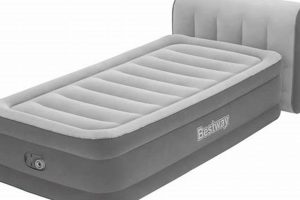
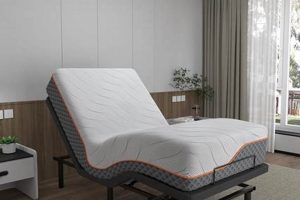
An orthopedic twin mattress is specifically engineered to provide optimal support and spinal alignment for a single sleeper. These mattresses are typically constructed with firmer materials and targeted support zones designed to alleviate pressure points and promote healthy posture during sleep. For example, a child transitioning to their first “big kid” bed or an adult with back pain might find relief and improved sleep quality using this type of mattress.
The advantages of a mattress designed for orthopedic support are multifaceted. They can assist in mitigating back pain, promoting better circulation, and reducing tossing and turning throughout the night. Historically, the development of these support-focused mattresses has evolved alongside advancements in medical understanding of musculoskeletal health and the increasing awareness of the impact of sleep on overall well-being.
This discussion will delve into the specific construction features that contribute to the orthopedic properties, explore the various material options available, and consider key factors when selecting the appropriate mattress to meet individual needs. The following sections will also address considerations for maintenance and long-term care to ensure the longevity and continued efficacy of this type of sleeping surface.
Essential Considerations for an Orthopedic Twin Mattress
Selecting an orthopedic twin mattress requires careful consideration to ensure it aligns with individual needs and provides optimal support for restful sleep. The following tips offer guidance for making an informed decision.
Tip 1: Evaluate Firmness Level: Orthopedic mattresses typically range in firmness. Assess the individual’s weight and sleeping position to determine the appropriate firmness. Heavier individuals or back sleepers may benefit from a firmer mattress, while lighter individuals or side sleepers might prefer a medium-firm option.
Tip 2: Examine Material Composition: Memory foam, innerspring, and latex are common materials used in orthopedic mattresses. Each offers different levels of support, contouring, and temperature regulation. Research the properties of each material to determine the best fit.
Tip 3: Consider Support Zones: Many orthopedic mattresses feature zoned support systems, which provide targeted support to different areas of the body. Ensure that the mattress adequately supports the lumbar region and aligns the spine.
Tip 4: Assess Edge Support: Adequate edge support prevents sagging and maximizes the usable surface area of the mattress. Strong edge support can be particularly important for individuals who tend to sleep near the edge of the bed.
Tip 5: Review Trial Periods and Warranties: Take advantage of trial periods offered by retailers to test the mattress at home. Additionally, review the warranty terms to understand the manufacturer’s coverage for defects or premature wear.
Tip 6: Consult with a Healthcare Professional: Individuals with specific back pain or spinal conditions may benefit from consulting with a doctor or physical therapist for personalized recommendations on mattress type and firmness.
Implementing these guidelines can lead to a more informed purchase, resulting in improved sleep quality, reduced back pain, and enhanced overall well-being.
The next section will explore specific product recommendations and further refine the mattress selection process to best suit individual requirements.
1. Firmness and Support
The firmness and support characteristics of an orthopedic twin mattress are inextricably linked to its intended function: to provide optimal spinal alignment and pressure relief. The firmness level dictates the degree to which the mattress resists compression, influencing how the body is supported. Insufficient firmness may lead to excessive sinkage, resulting in spinal misalignment and potential back pain. Conversely, excessive firmness may create pressure points and discomfort. As an example, an individual with scoliosis requires a mattress with appropriate firmness to maintain spinal curvature, avoiding further aggravation. The support system, often comprised of innersprings or high-density foam, provides the foundational structure to uphold the body’s weight consistently across the sleeping surface.
The correlation between firmness, support, and proper sleep posture is evident in the design of these mattresses. Manufacturers often employ zoned support systems, where varying levels of firmness are strategically placed to accommodate different areas of the body. For instance, a firmer zone in the lumbar region provides additional support to maintain the natural curvature of the lower back. Similarly, a slightly softer zone may be incorporated in the shoulder area to alleviate pressure for side sleepers. The selection of materials further contributes to both firmness and support; memory foam conforms to the body’s contours, distributing weight and reducing pressure points, while latex offers a resilient and supportive surface with inherent breathability.
In conclusion, the interplay of firmness and support is paramount to the effectiveness of an orthopedic twin mattress. The careful calibration of these elements, achieved through strategic design and material selection, directly impacts the user’s sleep quality and spinal health. Understanding this connection is crucial for consumers to make informed decisions when selecting a mattress that meets their specific needs, ultimately ensuring a more restful and supportive sleep experience and minimizing the risk of musculoskeletal discomfort.
2. Material Composition

The effectiveness of an orthopedic twin mattress is fundamentally tied to its material composition. The materials used directly influence the mattress’s ability to provide targeted support, pressure relief, and spinal alignmenthallmarks of an orthopedic design. For instance, a core of high-density foam provides a firm foundation, crucial for maintaining proper posture, while a comfort layer of memory foam conforms to the body’s contours, distributing weight and minimizing pressure points. This interplay between supportive and conforming materials is essential. Consider a mattress with an innerspring system; the gauge and coil density of the springs determine the level of support, while the type and thickness of the padding layers on top dictate the comfort and pressure relief. Inferior materials may lead to premature sagging, uneven support, and a compromised orthopedic function.
Furthermore, the breathability and hypoallergenic properties of the materials contribute significantly to the user’s sleep experience and health. Latex, for example, is a naturally breathable material that promotes airflow, regulating temperature and preventing overheating, which is vital for uninterrupted sleep. Similarly, mattresses incorporating materials treated with antimicrobial agents can he
lp prevent the growth of bacteria and allergens, creating a healthier sleep environment, particularly beneficial for individuals with allergies or sensitivities. The practical application of this understanding is evident in the selection process; consumers seeking enhanced support might prioritize mattresses with high-density foam or individually wrapped coils, while those with sensitivities might opt for latex or hypoallergenic materials. The longevity and durability of the mattress also depend on the quality and resilience of its components, influencing its long-term performance and value.
In summary, material composition is an intrinsic factor in determining the orthopedic benefits of a twin mattress. The careful selection and combination of materials dictate its ability to provide adequate support, pressure relief, and a healthy sleep environment. Challenges arise in balancing the desired firmness, comfort, and breathability, requiring manufacturers to innovate with material combinations and construction techniques. Understanding the relationship between material properties and orthopedic function empowers consumers to make informed decisions, selecting a mattress that effectively addresses their individual needs and contributes to improved sleep quality and musculoskeletal health.
3. Spinal alignment

Spinal alignment is a critical factor in achieving restorative sleep and maintaining overall musculoskeletal health. The selection of a mattress, particularly an orthopedic twin mattress, significantly influences the ability to maintain proper spinal alignment throughout the night. A mattress that fails to adequately support the natural curvature of the spine can contribute to back pain, stiffness, and disrupted sleep.
- Support and Contour:
An orthopedic twin mattress should provide both adequate support and contouring to the body’s natural curves. Insufficient support results in spinal compression and misalignment, while inadequate contouring leads to pressure points and discomfort. The mattress should allow the spine to maintain its natural “S” shape when sleeping on the side and a straight line when sleeping on the back. This is often achieved through zoned support systems and materials like memory foam or latex.
- Firmness and Alignment:
Mattress firmness plays a crucial role in spinal alignment. A mattress that is too soft will allow the hips and shoulders to sink too deeply, causing spinal curvature. Conversely, a mattress that is too firm will not conform to the body’s shape, creating pressure points and preventing proper alignment. The ideal firmness level is subjective and depends on individual factors such as body weight, sleeping position, and personal preference. However, an orthopedic twin mattress is designed to offer a balance of support and cushioning to promote proper alignment.
- Pressure Distribution:
Proper spinal alignment is closely linked to pressure distribution. An orthopedic mattress should distribute weight evenly across the sleeping surface to minimize pressure points and maintain the spine’s natural curvature. Uneven pressure distribution can lead to discomfort, tossing and turning, and ultimately, spinal misalignment. Materials like memory foam and latex are known for their ability to conform to the body and distribute weight effectively.
- Long-Term Health Implications:
Consistent spinal misalignment during sleep can have significant long-term health consequences. Chronic back pain, sciatica, and other musculoskeletal issues may arise from prolonged periods of improper spinal alignment. Selecting an orthopedic twin mattress that effectively supports and aligns the spine is an investment in long-term health and well-being. It is advisable to consult with a healthcare professional or sleep specialist to determine the best mattress type and firmness level for individual needs.
The facets discussed demonstrate that spinal alignment is not simply a matter of comfort but a critical factor in promoting musculoskeletal health. An orthopedic twin mattress, designed with specific features to support and align the spine, serves as a tool for mitigating the negative impacts of poor sleep posture and promoting overall well-being.
4. Pressure Relief
The ability of an orthopedic twin mattress to provide effective pressure relief is a primary determinant of its suitability for promoting restful sleep and minimizing discomfort. Pressure relief refers to the reduction of concentrated forces on specific areas of the body during sleep, facilitating improved circulation and reducing the likelihood of pain or stiffness.
- Material Conformity and Distribution
The materials used in an orthopedic twin mattress, particularly those in the comfort layers, play a crucial role in pressure relief. Memory foam, for example, conforms to the body’s contours, distributing weight more evenly across the sleeping surface. This prevents excessive pressure buildup on areas such as the shoulders, hips, and knees. In contrast, a mattress with insufficient conformity may concentrate pressure, leading to discomfort and interrupted sleep.
- Zoned Support Systems
Many orthopedic twin mattresses incorporate zoned support systems. These systems feature varying levels of firmness in different areas of the mattress to accommodate the body’s unique shape and weight distribution. For instance, a firmer zone in the lumbar region provides additional support to the lower back, while softer zones in the shoulder and hip areas allow for greater pressure relief. This targeted support optimizes spinal alignment and reduces pressure points.
- Impact on Circulation
Prolonged pressure on certain areas of the body can impede circulation, potentially leading to numbness, tingling, or pain. An orthopedic twin mattress designed for pressure relief promotes healthy blood flow by minimizing these pressure points. This is particularly important for individuals with conditions such as arthritis or circulatory disorders, as reduced pressure can alleviate discomfort and improve sleep quality. Pressure relief ensures a proper blood circulation.
- Influence on Sleep Quality
Effective pressure relief contributes directly to improved sleep quality. By minimizing discomfort and reducing the need for tossing and turning, an orthopedic twin mattress can facilitate deeper, more restorative sleep. This, in turn, can lead to increased energy levels, improved mood, and enhanced cognitive function. Orthopedic twin mattress with pressure relief feature helps increase sleeping time and overall well-being.
In conclusion, the capacity of an orthopedic twin mattress to alleviate pressure is a critical aspect of its overall design and function. Through the strategic use of conforming materials, zoned support systems, and an understanding of human anatomy, these mattresses aim to provide a sleeping surface that minimizes discomfort, promotes healthy circulation, and fosters restful sleep. The value of pressure relief in enhancing both sleep quality and physical well-being underscores its significance in the selection process.
5. Size specifications

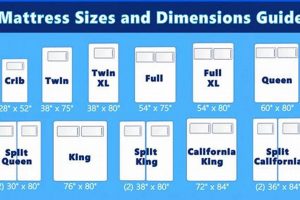
Size specifications are fundamental to the utility and suitability of an orthopedic twin mattress. The standard dimensions of a twin mattress, typically 38 inches wide by 75 inches long, dictate its compatibility with various bed frames and room configurations. Incorrect size specifications render the orthopedic features irrelevant if the mattress cannot be properly accommodated. For instance, a mattress exceeding these dimensions will not fit within a standard twin bed frame, while one falling short may result in instability and inadequate support.
The practical significance of adhering to size specifications extends beyond simple fit. The intended user, often a child transitioning to a larger bed or an adult with limited space, relies on these standardized dimensions for comfort and functionality. A larger individual might find a twin mattress restrictive, negating the benefits of its orthopedic design. Conversely, a child might experience a sense of security and comfort within the confines of a properly sized twin mattress. Manufacturers must adhere to these dimensions to ensure compatibility and meet the needs of their target demographic.
In conclusion, size specifications are not merely a technical detail but an integral component of an orthopedic twin mattress’s overall design and usability. Precise dimensions ensure compatibility, user comfort, and the effective delivery of orthopedic support. While the focus is on orthopedic features, their effectiveness hinges on the correct size specifications, thereby highlighting their importance.
6. Durability concerns

The longevity and continued efficacy of an orthopedic twin mattress are paramount considerations for consumers. Durability concerns directly impact the long-term value and support provided by the mattress, influencing sleep quality and potential health benefits over time.
- Material Degradation
The constituent materials of an orthopedic twin mattress are subject to wear and tear, influencing its durability. Foam, for example, can compress over time, leading to a loss of support and diminished pressure relief. Innerspring systems may experience coil fatigue, resulting in uneven support and potential sagging. Material degradation affects the orthopedic functionality, compromising spinal alignment and comfort. The quality and density of the materials directly correlate with the mattress’s resistance to degradation. A lower-density foam core will degrade much faster than a high-density one, leading to premature loss of support and mattress sag.
- Structural Integrity
The structural integrity of an orthopedic twin mattress, including its seams, edges, and internal support structure, is critical for long-term durability. Weak seams or inadequate edge support can lead to deformation and compromise the mattress’s shape, affecting its ability to provide consistent support. Reinforced edges and durable stitching contribute to maintaining the mattress’s structural integrity over time. A mattress with weak edge support may develop sagging on its perimeter. Compromising the usable sleeping surface and overall support.
- Warranty Coverage
Warranty coverage serves as an indicator of a manufacturer’s confidence in the durability of their product. A comprehensive warranty protects against defects in materials and workmanship, providing recourse for premature failure or degradation. Reviewing warranty terms and understanding the covered conditions is crucial for assessing the potential lifespan and long-term value of an orthopedic twin mattress. A warranty covering only manufacturing defects but not sagging indicates that a manufacturer may not guarantee the mattress’s long-term support capabilities.
- Usage and Maintenance
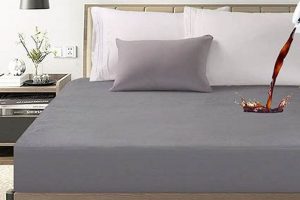
Proper usage and maintenance practices influence the durability of an orthopedic twin mattress. Regularly rotating or flipping the mattress (if designed for it) can distribute wear more evenly, extending its lifespan. Protecting the mattress with a waterproof cover can prevent moisture damage and staining, which can degrade the materials over time. Adhering to the manufacturer’s care instructions is essential for maintaining the mattress’s integrity. A mattress left unprotected against spills and stains is more prone to material degradation and reduced lifespan.
These facets highlight the multifaceted nature of durability concerns in relation to orthopedic twin mattresses. Addressing material selection, structural design, warranty terms, and proper usage is paramount in ensuring long-term performance and realizing the intended health benefits. The longevity of the investment is dependent on these areas.
Frequently Asked Questions
The following addresses common inquiries regarding orthopedic twin mattresses, providing clarification on their features, benefits, and appropriate usage.
Question 1: What distinguishes an orthopedic twin mattress from a standard twin mattress?
An orthopedic twin mattress is specifically engineered to provide enhanced support and promote proper spinal alignment. Standard twin mattresses prioritize general comfort, whereas orthopedic mattresses focus on mitigating back pain and improving posture during sleep.
Question 2: Is an orthopedic twin mattress suitable for all sleepers?
While generally beneficial, an orthopedic twin mattress may not be ideal for all individuals. Those with specific spinal conditions or preferences should consult with a healthcare professional to determine the most appropriate mattress type and firmness level.
Question 3: How does firmness level impact the effectiveness of an orthopedic twin mattress?
Firmness level is crucial for optimal spinal support. A mattress that is too soft may not provide adequate support, while one that is too firm can create pressure points. The ideal firmness level depends on individual body weight, sleeping position, and personal preference.
Question 4: What materials are commonly used in orthopedic twin mattresses, and how do they contribute to its function?
Common materials include memory foam, latex, and innerspring systems. Memory foam conforms to the body, distributing weight and reducing pressure points. Latex provides resilient support and breathability. Innerspring systems offer a firm foundation and targeted support.
Question 5: How can the lifespan of an orthopedic twin mattress be maximized?
To prolong the lifespan, the mattress should be rotated regularly (if applicable), protected with a mattress protector, and kept clean. Additionally, avoiding excessive weight or impact on the mattress can prevent premature wear and tear.
Question 6: Are there any potential drawbacks to using an orthopedic twin mattress?
Some individuals may find orthopedic mattresses initially firmer than standard mattresses, requiring an adjustment period. Additionally, depending on the materials used, orthopedic mattresses may retain more heat than traditional mattresses.
Understanding these key considerations can facilitate a more informed decision when selecting an orthopedic twin mattress, leading to improved sleep quality and overall well-being.
The subsequent section will examine strategies for selecting the optimal orthopedic twin mattress to meet individual needs.
In Conclusion
This exploration has elucidated the critical attributes of
an ortho twin mattress, emphasizing the importance of spinal alignment, material composition, pressure relief, size specifications, and durability. The discussion underscored the interplay of these elements in determining the mattress’s efficacy in promoting restful sleep and mitigating musculoskeletal discomfort.
The selection of a mattress should be approached with careful consideration of individual needs and preferences. While an ortho twin mattress offers potential benefits for many, consultation with a healthcare professional may be warranted in specific cases. Prioritizing informed decision-making will ensure that the chosen sleeping surface effectively supports long-term health and well-being.
![Shop Compact Short Twin Bed Mattresses Now - [Brand] | Organic & Natural Mattress Buyer’s Guide: Non-Toxic Sleep Solutions](https://mattressworldpa.com/wp-content/uploads/2025/07/th-5267-300x200.jpg "Shop Compact Short Twin Bed Mattresses Now - [Brand] Organic & Natural Mattress Buyer’s Guide: Non-Toxic Sleep Solutions")