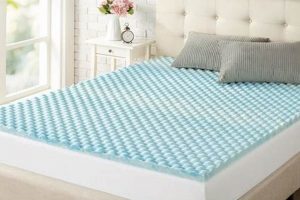
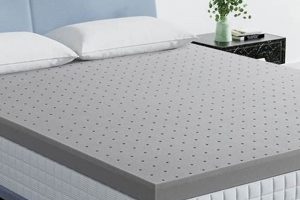
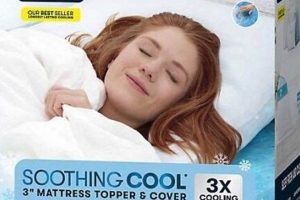
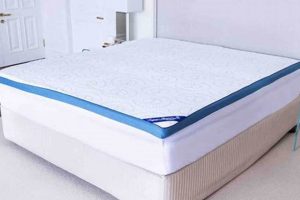
A bedding accessory designed to enhance the sleep surface of a queen-sized mattress, this item typically comprises a layer of natural or synthetic rubber material. This layer is placed atop an existing mattress to provide added comfort, support, or pressure relief. Its dimensions are specifically tailored to fit standard queen mattresses.
The significance of this type of bedding enhancement lies in its potential to improve sleep quality. The material’s inherent properties often offer benefits such as enhanced breathability, improved spinal alignment, and reduced motion transfer. Historically, the use of rubber in bedding represents a shift towards more resilient and supportive sleep surfaces, evolving from traditional materials like cotton and feathers.
Further discussion will explore the different types of these bedding additions available, including variations in density and construction. Consideration will also be given to factors influencing purchase decisions, such as cost, durability, and suitability for specific sleep needs and preferences.
Considerations for Selecting a Queen Latex Mattress Topper
The following points provide guidance for making an informed decision when purchasing a rubber-based bedding enhancement designed for a queen-size mattress.
Tip 1: Material Composition. Differentiate between natural, synthetic, and blended latex. Natural options, derived from the sap of rubber trees, generally offer superior durability and hypoallergenic properties. Synthetic options may be more cost-effective but potentially less resilient.
Tip 2: Density and Firmness. Evaluate the density and firmness level based on individual sleep preferences and body weight. Higher density typically equates to greater support and longevity. A firmer surface may be suitable for back sleepers, while side sleepers may prefer a softer option.
Tip 3: Thickness and Profile. Consider the thickness and profile, understanding that greater thickness generally provides more significant cushioning. The overall height of the mattress and topper combination should be compatible with existing bed frames and sheets.
Tip 4: Breathability and Temperature Regulation. Assess the breathability of the topper. Some manufacturing processes, such as the Dunlop method, can result in a denser material with reduced airflow. The Talalay process generally yields a more breathable product.
Tip 5: Certification and Off-Gassing. Look for certifications such as OEKO-TEX or GOLS, indicating that the product has been tested for harmful substances. Be aware that some rubber-based materials may exhibit an initial odor, known as off-gassing, which should dissipate over time.
Tip 6: Motion Isolation. Evaluate the potential for motion isolation, particularly relevant for individuals sharing a bed. Rubber-based materials are generally effective at minimizing the transfer of movement between sleep partners.
Tip 7: Care and Maintenance. Inquire about recommended care and maintenance procedures. While these items are generally durable, proper care will extend their lifespan. Consider using a mattress protector to safeguard against spills and stains.
Careful consideration of these elements will help ensure that the selected queen-size rubber bedding addition provides the desired level of comfort, support, and durability, thereby enhancing sleep quality and overall well-being.
The subsequent sections of this article will delve into the long-term maintenance and potential environmental impact associated with this type of bedding enhancement.
1. Material Density

Material density is a critical attribute of a queen latex mattress topper that significantly influences its performance, longevity, and overall suitability for the user. The density of the rubber material directly impacts the level of support, pressure relief, and durability offered by the topper.
- Support and Spinal Alignment
Higher density materials provide greater support to the sleeper, promoting proper spinal alignment and reducing pressure points. For example, a high-density topper can prevent excessive sinking, particularly for heavier individuals, maintaining a more neutral spinal posture during sleep. This is crucial for mitigating back pain and discomfort.
- Durability and Lifespan
The lifespan of a queen latex mattress topper is intrinsically linked to its material density. Denser latex formulations are more resistant to compression and degradation over time, leading to a longer-lasting product. A lower-density topper may exhibit premature sagging or flattening, diminishing its supportiveness and necessitating replacement sooner.
- Pressure Relief and Comfort
While firmness is a related concept, material density affects how effectively the topper distributes weight and alleviates pressure. A denser material, even at a medium firmness, can provide superior pressure relief compared to a lower-density, equally firm option. This is particularly important for individuals with joint pain or pressure sensitivities.
- Motion Isolation
The ability of a queen latex mattress topper to isolate motion is also influenced by its material density. Denser materials tend to absorb and dampen movement more effectively, minimizing disturbances for sleep partners. This is particularly advantageous for those who share a bed with a restless sleeper.
In summary, the material density of a queen latex mattress topper is a fundamental characteristic that underpins its supportiveness, durability, pressure relief capabilities, and motion isolation properties. Selecting the appropriate density is crucial for optimizing the comfort and longevity of the topper and ensuring a satisfying sleep experience.
2. Firmness Level

The firmness level of a queen latex mattress topper is a primary determinant of its suitability for individual sleepers, directly impacting comfort, support, and spinal alignment. Different firmness levels cater to varying sleep preferences and body types, influencing the overall sleep experience. A too-soft topper can lead to excessive sinking, potentially misaligning the spine, while an overly firm option may create pressure points, causing discomfort. The selection of an appropriate firmness level is therefore crucial.
The effect of firmness extends beyond immediate comfort. Over time, an unsuitable firmness level can contribute to or exacerbate existing musculoskeletal issues. For instance, a side sleeper with broad shoulders requires a softer topper to allow the shoulder to sink in sufficiently, maintaining spinal alignment. Conversely, a back sleeper often benefits from a firmer surface that prevents the hips from sinking too far, thus supporting the natural curvature of the spine. Real-world exampl
es demonstrate that individuals who carefully consider firmness based on their sleep style report higher satisfaction and reduced pain compared to those who disregard this aspect.
In conclusion, the firmness level represents a critical characteristic of a queen latex mattress topper, exerting a significant influence on sleep quality and long-term well-being. Understanding the relationship between firmness, sleep position, and body type allows for a more informed decision, maximizing the potential benefits of the topper. The challenge lies in accurately assessing individual needs and translating them into an appropriate firmness selection. Furthermore, considering the topper’s interaction with the underlying mattress firmness is essential for achieving optimal support and comfort.
3. Natural vs. Synthetic

The distinction between natural and synthetic latex in the construction of a queen latex mattress topper carries significant implications for performance, durability, and environmental impact. Natural latex, derived from the sap of rubber trees (Hevea brasiliensis), exhibits inherent properties that contribute to its higher cost and perceived value. These include superior elasticity, breathability, and resistance to dust mites and mold. In contrast, synthetic latex, typically a petroleum-based product, offers a lower-cost alternative but often compromises on these attributes. The production process and material composition affect the ultimate performance of the mattress topper. For example, a natural latex topper’s open-cell structure facilitates air circulation, reducing heat retention and promoting a cooler sleep environment, a feature often lacking in synthetic counterparts. Consequently, the choice between natural and synthetic latex directly influences the user’s comfort level and the topper’s long-term durability.
Real-world examples underscore the practical significance of this material difference. Individuals with allergies or sensitivities to chemicals often report adverse reactions to synthetic latex, whereas natural latex, particularly if processed using low-emission techniques, is typically hypoallergenic. Furthermore, the environmental implications of choosing natural versus synthetic materials are substantial. The production of synthetic latex contributes to greenhouse gas emissions and relies on non-renewable resources, while natural latex production, when sustainably managed, supports biodiversity and provides economic opportunities in rubber-producing regions. Consumer choices, therefore, have a direct bearing on ecological sustainability.
In summary, the selection of natural versus synthetic latex for a queen latex mattress topper represents a trade-off between cost, performance, and environmental responsibility. While synthetic options offer affordability, natural latex provides superior comfort, durability, and hypoallergenic properties, along with a lower environmental footprint. Challenges remain in verifying the authenticity of “natural” latex claims and ensuring sustainable sourcing practices. Ultimately, a well-informed decision requires a thorough understanding of the specific manufacturing processes and certifications associated with each product, allowing consumers to align their purchase with their individual needs and values.
4. Thickness Options

The selection of a queen latex mattress topper necessitates careful consideration of available thickness options, as this parameter directly influences the level of comfort, support, and overall sleep experience provided. The thickness of the topper determines the degree to which it can modify the feel of the underlying mattress and address individual sleep needs.
- Impact on Pressure Relief
Thicker toppers generally offer greater pressure relief, particularly for side sleepers or individuals with joint pain. A thicker layer of latex conforms more readily to the body’s contours, distributing weight and reducing stress on pressure points such as the shoulders and hips. For example, a 3-inch topper may provide significantly more cushioning than a 1-inch topper, leading to a more comfortable sleep experience for those who require enhanced pressure relief.
- Influence on Support and Spinal Alignment
The thickness of the topper also affects the level of support provided and its contribution to proper spinal alignment. While a thinner topper may offer minimal support, a thicker option can effectively modify the feel of an overly firm mattress, allowing for better spinal alignment, particularly for back and stomach sleepers. However, excessive thickness may compromise support, leading to sagging or an uneven sleep surface. Thus, balancing thickness with appropriate firmness is critical.
- Modification of Mattress Firmness
Different thickness options allow for varying degrees of modification to the firmness of the existing mattress. A thinner topper is generally used to add a subtle layer of comfort without drastically altering the mattress’s feel. Conversely, a thicker topper can significantly soften a firm mattress, providing a more plush sleep surface. The choice depends on the desired outcome whether to fine-tune the existing mattress or to substantially change its feel.
- Considerations for Bed Height and Sheet Fit
The thickness of the topper inevitably affects the overall height of the bed, which may necessitate adjustments to bed frames or sheet sizes. A thicker topper adds several inches to the bed’s height, potentially requiring deep-pocket sheets to ensure a proper fit. It is crucial to consider the compatibility of the topper’s thickness with existing bedding and bedroom furniture to avoid inconvenience or additional expenses.
In conclusion, the thickness options available for a queen latex mattress topper play a pivotal role in determining its comfort, support, and impact on the existing mattress. Careful consideration of these facets ensures that the selected topper effectively addresses individual sleep needs and complements the overall sleep environment. The choice is a balance between enhancing pressure relief, promoting spinal alignment, modifying mattress firmness, and ensuring compatibility with existing bedding.
5. Breathability
Breathability, in the context of a queen latex mattress topper, refers to the material’s capacity to permit air circulation. This characteristic is paramount in regulating temperature, minimizing moisture accumulation, and promoting a comfortable sleep environment. The inherent breathability of a mattress topper significantly impacts sleep quality and overall user satisfaction.
- Material Composition and Airflow
The specific composition of the latex directly influences its breathability. Natural latex, particularly that produced using the Talalay process, exhibits an open-cell structure, facilitating greater airflow compared to synthetic latex or Dunlop processed natural latex, which tends to be denser. This enhanced airflow allows heat to dissipate, preventing the build-up of body heat during sleep. A real-world example is observable in warmer climates, where individuals using breathable mattress toppers
report reduced night sweats and improved sleep comfort. - Temperature Regulation
Effective temperature regulation is a direct consequence of a breathable mattress topper. By allowing air to circulate, the topper prevents the accumulation of heat, creating a cooler sleep surface. This is particularly beneficial for individuals who tend to sleep hot or reside in warmer environments. For instance, a person experiencing night sweats may find significant relief with a breathable latex topper, leading to more restful sleep.
- Moisture Management
Breathability also plays a critical role in moisture management. During sleep, the body releases moisture, which can accumulate within the mattress topper if airflow is restricted. A breathable topper allows this moisture to evaporate, preventing the growth of mold and bacteria, and contributing to a more hygienic sleep environment. A practical application is visible in households with higher humidity, where breathable mattress toppers help maintain a dry and comfortable sleep surface.
- Impact on Sleep Quality
The aforementioned factors cumulatively contribute to improved sleep quality. A breathable mattress topper, by regulating temperature and managing moisture, creates a more comfortable and hygienic sleep environment, leading to reduced tossing and turning, and ultimately, more restful sleep. Studies have shown that individuals sleeping on breathable surfaces experience longer periods of deep sleep, a crucial phase for physical and cognitive restoration.
In conclusion, the breathability of a queen latex mattress topper is a crucial factor determining its ability to regulate temperature, manage moisture, and promote a comfortable sleep environment. The material composition and manufacturing process significantly influence this characteristic, and its effects extend to improved sleep quality and overall well-being. Choosing a breathable latex topper is therefore a prudent investment for individuals seeking a cooler, drier, and more restful sleep experience.
6. Support Quality
Support quality, as it pertains to a queen latex mattress topper, is a multifaceted characteristic encompassing the topper’s ability to maintain proper spinal alignment, distribute weight evenly, and alleviate pressure points. This aspect is crucial in determining the topper’s effectiveness in enhancing sleep comfort and promoting long-term musculoskeletal health. An inadequate support structure can negate the potential benefits of the latex material, leading to discomfort and potentially exacerbating existing back or joint issues.
- Spinal Alignment Maintenance
The primary role of a supportive mattress topper is to maintain the natural curvature of the spine throughout the night. A topper with sufficient support prevents excessive sinking or sagging, which can misalign the spine and contribute to back pain. For instance, a side sleeper requires adequate support under the hips and shoulders to keep the spine straight, while a back sleeper needs support in the lumbar region to maintain its natural arch. Without proper spinal alignment, individuals may experience morning stiffness, muscle soreness, and increased risk of chronic back problems.
- Weight Distribution
Effective weight distribution is essential for minimizing pressure points and promoting blood circulation. A supportive latex mattress topper evenly distributes body weight across the sleep surface, reducing concentrated pressure on areas such as the shoulders, hips, and knees. Uneven weight distribution can lead to discomfort, restlessness, and even the development of pressure ulcers in individuals with limited mobility. A topper that adequately distributes weight contributes to a more restful and comfortable sleep experience.
- Pressure Point Alleviation
Pressure points arise when certain areas of the body bear a disproportionate amount of weight, restricting blood flow and causing discomfort. A supportive queen latex mattress topper alleviates pressure points by conforming to the body’s contours and distributing weight more evenly. This is particularly important for individuals with arthritis, fibromyalgia, or other conditions that cause joint pain. By reducing pressure on sensitive areas, a supportive topper can significantly improve sleep quality and reduce pain-related sleep disturbances.
- Material Density and Resilience
The support quality of a latex mattress topper is directly related to the material’s density and resilience. Higher-density latex provides greater support and resistance to compression, ensuring that the topper maintains its shape and supportiveness over time. Low-density latex, on the other hand, may compress easily and lose its supportiveness, leading to sagging and discomfort. The resilience of the latex, its ability to return to its original shape after compression, is also critical for maintaining consistent support throughout the night.
These facets highlight the integral connection between support quality and the overall effectiveness of a queen latex mattress topper. While factors such as material composition and breathability contribute to comfort, the level of support directly influences spinal health, pressure point alleviation, and long-term sleep quality. Understanding these nuances allows consumers to make informed decisions and select a topper that effectively addresses their individual support needs.
Frequently Asked Questions
This section addresses common inquiries regarding queen latex mattress toppers, providing concise and factual information to aid in informed purchasing decisions.
Question 1: What is the expected lifespan of a queen latex mattress topper?
The lifespan of a queen latex mattress topper varies depending on factors such as material quality (natural vs. synthetic), density, and usage. High-quality natural latex toppers, with proper care, can last between 5 to 10 years. Synthetic latex toppers typically have a shorter lifespan, generally ranging from 3 to 5 years.
Question 2: Are queen latex mattress toppers suitable for individuals with latex allergies?
Individuals with known latex allergies should exercise caution. While the manufacturing process typically removes most allergenic proteins, residual amounts may still be present. Consider consulting with an allergist before using a latex mattress topper. Alternatively, explore synthetic latex options or use a thick mattress protector to minimize direct contact.
Question 3: How does the density of a queen latex mattress topper affect its performance?
Density directly correlates with support and durability. Higher-density toppers offer greater support, prevent sagging, and tend to last longer. Lower-density toppers are generally softer but may compress more easily over time, reducing their supportiveness and longevity.
Question 4: What is the difference between Dunlop and Talalay latex in queen mattress toppers?
Dunlop latex is denser and often firmer, produced through a simpler manufacturing process. Talalay latex is generally lighter, more breathable, and has a more consistent feel. The choice depends on individual preference, with Dunlop often favored for those seeking firm support and Talalay for those prioritizing comfort and breathability.
Question 5: How should a queen latex mattress topper be cleaned and maintained?
Spot cleaning with a m
ild detergent and water is recommended for spills or stains. Avoid soaking the topper or using harsh chemicals. Regular vacuuming can help remove dust and allergens. A mattress protector is strongly advised to prevent staining and extend the topper’s lifespan.
Question 6: Can a queen latex mattress topper improve sleep quality?
A queen latex mattress topper can improve sleep quality by enhancing comfort, providing better support, and alleviating pressure points. The material’s breathability can also regulate temperature, contributing to a more restful sleep environment. However, individual results may vary depending on pre-existing sleep conditions and preferences.
In summary, queen latex mattress toppers offer a range of benefits, but careful consideration of material, density, and maintenance is crucial for maximizing their effectiveness and longevity.
The subsequent section will address potential environmental considerations related to the production and disposal of these bedding accessories.
Conclusion
This article has explored the multifaceted aspects of the queen latex mattress topper, encompassing material composition, density, firmness, thickness, breathability, and support quality. Careful evaluation of these elements is essential for optimizing sleep comfort and promoting long-term musculoskeletal health. Informed selection, aligned with individual needs and preferences, determines the effectiveness of this bedding enhancement.
The enduring relevance of the queen latex mattress topper lies in its potential to improve sleep quality and address specific comfort requirements. Continued research and innovation within the bedding industry may yield further advancements in material science and design, enhancing the performance and sustainability of these products. Responsible consumption, grounded in a thorough understanding of the product’s characteristics and environmental impact, remains paramount.
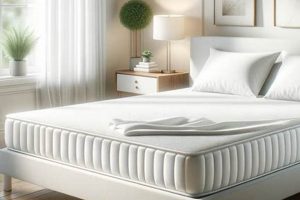
![Best Mattress Latex Topper [Guide] Comfort & Support | Organic & Natural Mattress Buyer’s Guide: Non-Toxic Sleep Solutions](https://mattressworldpa.com/wp-content/uploads/2025/07/th-6117-300x200.jpg "Best Mattress Latex Topper [Guide] Comfort & Support Organic & Natural Mattress Buyer’s Guide: Non-Toxic Sleep Solutions")