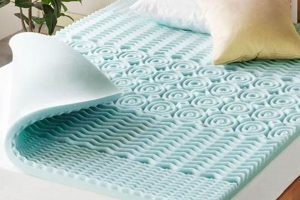
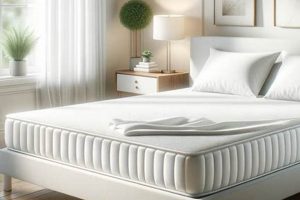
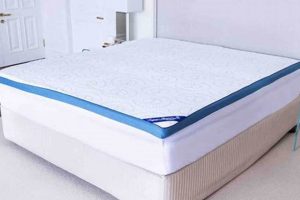
An overlay designed to be placed atop a mattress, altering its feel and properties, is often constructed from materials such as memory foam, latex, or fiberfill. These supplementary layers range in thickness and density, influencing the degree of firmness, support, and comfort experienced by the user. For instance, a memory foam option could contour to the body, relieving pressure points, while a latex version may offer more bounce and responsiveness.
The addition of this layer can significantly improve sleep quality by modifying the existing mattress’s characteristics. Benefits include enhanced support, increased softness or firmness, and the potential to extend the lifespan of the underlying mattress by reducing wear and tear. Furthermore, the implementation of such a layer offers a cost-effective alternative to replacing an entire mattress, providing a customizable sleep surface that addresses individual needs and preferences. Historically, simpler versions of these bedding accessories have been employed to add a layer of padding and insulation to sleeping surfaces.
Understanding the function and advantages of this type of bedding accessory is crucial before considering specific types, materials, and thicknesses available on the market. Subsequently, the article will delve into the various options, assisting in informed decision-making tailored to individual sleep requirements and budget constraints.
Selection Strategies
The selection of an appropriate bedding accessory significantly impacts sleep quality. Careful consideration of individual needs and preferences is paramount.
Tip 1: Evaluate Mattress Condition: Prior to acquisition, assess the state of the existing mattress. A new layer is most effective when addressing minor comfort issues, not irreparable damage.
Tip 2: Material Selection: Different materials offer varying levels of support and comfort. Memory foam excels at pressure relief, while latex provides responsiveness. Fiberfill options offer a more budget-friendly solution.
Tip 3: Thickness Considerations: The thickness affects the degree of change to the mattress’s feel. A thicker layer will provide a more significant difference, while a thinner one offers subtle adjustments.
Tip 4: Consider Sleeping Position: Side sleepers may benefit from thicker, softer options that contour to the body, while back and stomach sleepers might prefer firmer, more supportive choices.
Tip 5: Temperature Regulation: Some materials retain more heat than others. If overheating is a concern, explore options designed for breathability and temperature regulation, such as those incorporating cooling gel or open-cell structures.
Tip 6: Trial Periods and Warranties: Prioritize purchases from retailers that offer trial periods or warranties. This allows for testing the product and ensuring satisfaction before committing to a final purchase.
Tip 7: Read Reviews: Researching consumer reviews can provide valuable insights into the real-world performance and durability of different models.
Strategic implementation of these tips leads to optimized sleep environments and improved overall well-being. Selecting wisely addresses individual needs and extends the usability of existing mattresses.
Following the examination of selection strategies, the concluding section will summarize key aspects of bedding accessories to facilitate informed purchasing decisions.
1. Comfort Layer
The designation “comfort layer” is intrinsic to the function and purpose of the bedding accessory. It represents the foremost point of contact between the sleeper and the mattress system, directly influencing perceived comfort levels. The material composition, density, and thickness of this layer determine its capacity to contour to the body, alleviate pressure points, and regulate temperature. For example, a high-density memory foam option will provide substantial pressure relief for side sleepers by distributing weight more evenly across the body, while a fiberfill version may offer less contouring but enhanced breathability, thus directly impacting thermal comfort.
The selection of the “comfort layer” material dictates the overall sleeping experience. Latex offers resilient support and breathability, suiting individuals who prefer a responsive surface. Conversely, gel-infused memory foam aims to mitigate heat retention often associated with traditional memory foam, addressing a common discomfort. The practical significance of understanding this connection lies in the ability to personalize the sleeping surface to address specific needs. A person experiencing back pain might opt for a firmer latex core with a softer memory foam “comfort layer” for targeted support and pressure relief.
In essence, the “comfort layer” is not merely an addition but an integral component that defines the usability and benefits of the product. A mismatch between individual needs and the chosen “comfort layer” material can negate the intended advantages. Therefore, considering sleeping position, body weight, temperature preferences, and any existing health conditions is essential to maximizing the potential of this bedding element. Proper selection can transform an inadequate mattress into a more comfortable and supportive sleeping surface, improving sleep quality and overall well-being.
2. Pressure Relief
The capacity of a bedding accessory to provide “pressure relief” is a fundamental attribute directly impacting sleep quality and overall physical well-being. The effectiveness of such a layer in mitigating pressure points, primarily located at the shoulders, hips, and knees, determines its utility in alleviating discomfort and promoting restful sleep. When an individual lies on a mattress without adequate “pressure relief,” these points experience concentrated force, potentially impeding circulation and causing pain or numbness. A properly designed overlay redistributes this pressure across a broader surface area, minimizing localized stress and promoting a more comfortable sleep posture.
Materials employed in the construction significantly influence “pressure relief” capabilities. Viscoelastic memory foam, for instance, deforms under pressure, conforming to the body’s contours and evenly distributing weight. This characteristic is particularly beneficial for individuals with arthritis, fibromyalgia, or other conditions that exacerbate pressure sensitivity. Conversely, latex offers a different form of “pressure relief,” providing buoyant support that prevents excessive sinking and maintains spinal alignment. The thickness and density of the material also contribute; a thicker, denser layer generally offers greater “pressure relief” than a thinner, less dense option. Practical examples include individuals with chronic back pain experiencing reduced discomfort when using a memory foam overlay, or
side sleepers reporting improved sleep quality due to the contouring support provided by a latex version.
In summary, “pressure relief” constitutes a critical function, determining its value in promoting sleep and alleviating discomfort. Selecting a bedding accessory with appropriate “pressure relief” characteristics, based on individual needs and preferences, is essential for optimizing sleep quality and mitigating potential physical ailments. Ignoring this aspect may result in continued discomfort, disrupted sleep, and exacerbation of underlying health conditions. Understanding the mechanism by which it redistributes pressure and choosing materials that align with specific requirements is paramount to achieving the desired therapeutic benefits.
3. Mattress Protection
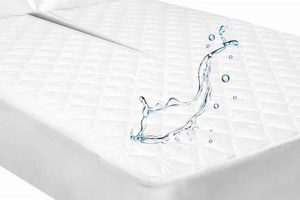
The ability to provide “mattress protection” constitutes a significant, though often overlooked, function of a bedding accessory. By serving as an intermediary layer between the sleeper and the underlying mattress, it shields the mattress from direct exposure to contaminants such as sweat, body oils, and allergens. This barrier reduces the accumulation of these substances within the mattress fibers, mitigating the potential for odors, stains, and the proliferation of dust mites. The consequence is an extended lifespan for the mattress, delaying the need for replacement and representing a cost-effective long-term investment. For example, a spill on a bed protected by a water-resistant bedding accessory is less likely to penetrate and damage the mattress core, thus preventing permanent staining and potential mold growth. The practical significance of this protection lies in maintaining a cleaner, healthier sleep environment and preserving the integrity of the mattress over time.
Beyond acting as a physical barrier, certain materials contribute to “mattress protection” through their inherent properties. Latex, for instance, possesses natural antimicrobial and hypoallergenic qualities, further inhibiting the growth of bacteria and mold. Similarly, some options feature removable and washable covers, facilitating easy cleaning and maintenance. In contrast, mattresses without such protection are directly exposed to daily wear and tear, leading to gradual deterioration and potentially voiding manufacturer warranties. A practical application involves individuals prone to allergies; utilizing a hypoallergenic option can create a more sanitary sleep surface, reducing exposure to allergens trapped within the mattress.
In summary, “mattress protection” is an intrinsic benefit, contributing to the longevity and hygiene of the sleeping environment. Serving as a shield against contaminants and reducing wear and tear, this functionality prolongs the lifespan of the mattress and promotes a cleaner sleep surface. Awareness of this aspect and selecting a product with appropriate protective features is crucial for maintaining a healthy and cost-effective sleep setup. Neglecting this element can lead to premature mattress degradation and increased exposure to allergens and other undesirable substances, ultimately impacting sleep quality and overall well-being.
4. Support Enhancement
The provision of “support enhancement” is a core function directly related to the selection of a bedding accessory. Existing mattresses may lack adequate support due to age, wear, or simply an unsuitable design for the individual’s needs. This can lead to discomfort, improper spinal alignment, and disrupted sleep. A strategically chosen layer corrects these deficiencies by adding firmness, reinforcing the existing support structure, and promoting a healthier sleep posture. The consequence is reduced back pain, improved sleep quality, and a more comfortable sleeping experience. For example, an individual with a sagging mattress may benefit from a firm latex option to prevent spinal misalignment, while another person might choose a memory foam version to add targeted support and pressure relief to specific areas.
Material density and construction techniques play a significant role in the degree of “support enhancement.” High-density foams and strategically zoned designs provide targeted support to different areas of the body, ensuring proper spinal alignment. In contrast, thinner or less dense options may offer minimal support and primarily focus on comfort or pressure relief. The practical application of this understanding involves carefully assessing individual support needs and selecting a product that aligns with those requirements. For instance, a heavier individual may necessitate a thicker, denser layer to prevent excessive sinking, while a lighter person might find a thinner option sufficient.
In summary, “support enhancement” represents a crucial factor in optimizing sleep comfort and promoting spinal health. By addressing deficiencies in existing mattresses and providing targeted support where needed, a well-chosen bedding accessory contributes significantly to overall well-being. Ignoring this aspect can lead to continued discomfort, disrupted sleep, and potential exacerbation of existing back pain or other musculoskeletal issues. A thorough understanding of individual support needs and careful consideration of material properties are essential for maximizing the benefits of “support enhancement”.
5. Material Variety
The functionality and effectiveness of a bedding accessory are inextricably linked to its “Material Variety”. The choice of material directly dictates the level of comfort, support, and temperature regulation offered. Memory foam, latex, down alternatives, and wool represent distinct categories, each possessing unique properties. Memory foam, for example, conforms closely to the body, providing pressure relief, while latex offers a more resilient and responsive surface. The effect of “Material Variety” extends to durability, with latex generally exhibiting greater longevity than memory foam. The practical significance of this is evident in selecting a product tailored to individual needs, such as an individual with back pain potentially benefiting from the conforming properties of memory foam, or a hot sleeper choosing latex for its superior breathability. Failure to consider “Material Variety” can result in a sleeping surface that exacerbates discomfort or fails to meet desired performance characteristics.
Furthermore, the “Material Variety” influences factors beyond simple comfort. Hypoallergenic properties are a critical consideration for allergy sufferers, with latex and certain synthetic materials naturally resisting dust mites and mold. Temperature regulation, a key determinant of sleep quality, also varies significantly across materials. Wool, for instance, possesses natural temperature-regulating properties, wicking away moisture and maintaining a consistent sleep environment, while some memory foam formulations can trap heat. The interplay between material and construction, such as the use of open-cell structures in memory foam to enhance breathability, further underscores the importance of carefully evaluating “Material Variety”. In practical terms, neglecting to consider these nuances can lead to a sleeping surface that promotes allergic reactions or contributes to overheating, thereby disrupting sleep.
In summary, the “Material
Variety” is a cornerstone of a bedding accessory’s functionality and performance. A thorough understanding of the properties associated with each material is essential for informed decision-making. Challenges arise from the often-conflicting marketing claims and the subjective nature of comfort preferences. Ultimately, the optimal choice hinges on aligning individual needs and preferences with the inherent characteristics of the available materials. The connection between “Material Variety” and the suitability of the sleep surface is direct and profound, impacting comfort, support, temperature regulation, and long-term durability.
6. Thickness Options

The available “Thickness Options” fundamentally determine the degree to which a bedding accessory alters the properties of the underlying mattress. The impact extends from subtle adjustments to significant transformations of the sleep surface. A thinner overlay, typically ranging from one to two inches, primarily addresses minor comfort issues, such as adding a slight layer of cushioning or mitigating minor imperfections in the existing mattress. For instance, a thin memory foam option might alleviate pressure points for side sleepers without substantially altering the overall firmness. In contrast, thicker variants, exceeding three or four inches, are designed to provide more substantial support, correct significant sagging, or dramatically change the firmness level. A thick latex option, for example, can significantly increase the support provided by a soft mattress, making it suitable for back sleepers. The cause-and-effect relationship between “Thickness Options” and the resulting feel of the mattress is direct and predictable, allowing consumers to customize their sleep surface to address specific needs.
The practical implications of understanding the impact of “Thickness Options” are considerable. Selecting an inappropriate thickness can negate the intended benefits. An individual seeking significant support from a sagging mattress who chooses a thin, plush overlay will likely experience minimal improvement. Conversely, someone desiring only a slight increase in softness might find a thick, firm option overly rigid and uncomfortable. Consider an individual with a new, firm mattress who finds it too unyielding; a thinner memory foam option could provide the necessary cushioning without compromising the mattress’s support. Similarly, a person with an older mattress exhibiting significant body impressions might require a thicker, denser option to level the sleep surface and provide adequate support. The key lies in accurately assessing the existing mattress’s condition and aligning the chosen thickness with the desired outcome.
In summary, “Thickness Options” are a critical determinant of the transformative potential of a bedding accessory. While thinner options offer subtle comfort enhancements, thicker variants facilitate substantial changes in support and firmness. The challenge lies in carefully evaluating individual needs and selecting a thickness that aligns with the desired outcome, avoiding the pitfalls of insufficient or excessive alteration of the sleep surface. This aspect underscores the importance of informed decision-making when purchasing a bedding accessory, emphasizing the need to consider not only the material composition but also the chosen thickness to achieve optimal sleep comfort and support.
7. Cost-Effective
The “Cost-Effective” nature of a bedding accessory is a central consideration for consumers seeking to improve their sleep experience without incurring the significant expense of a new mattress. This aspect is especially relevant when addressing minor comfort issues or extending the lifespan of an existing mattress.
- Extending Mattress Lifespan
A bedding accessory, acting as a protective barrier, reduces wear and tear on the underlying mattress. This protective function minimizes the accumulation of dirt, body oils, and allergens, thereby extending the mattress’s usable lifespan. The delayed need for mattress replacement translates to substantial cost savings over time.
- Addressing Specific Comfort Needs
Rather than replacing an entire mattress to address issues such as firmness, pressure relief, or temperature regulation, a precisely chosen bedding accessory can effectively target and resolve these specific concerns. This targeted approach allows for a more economical solution, addressing only the areas requiring modification.
- Customization at a Lower Price Point
A bedding accessory provides a customizable sleep surface at a significantly lower price point compared to purchasing a mattress with equivalent features. This permits individuals to tailor their sleeping environment to their preferences without exceeding budget constraints.
- Versatile and Transferable
Unlike a mattress, a bedding accessory is easily transferable between beds or rooms. This versatility adds to its cost-effectiveness, as it can be repurposed or reused as needs change, maximizing its utility over time. This transferability is especially advantageous for individuals in temporary living situations or with evolving sleep requirements.
In summary, the bedding accessory offers a “Cost-Effective” means of improving sleep quality and extending the lifespan of a mattress, avoiding the substantial investment associated with complete replacement. Its ability to address specific comfort needs, customization options, and versatility further contribute to its economic value. For consumers seeking a budget-conscious approach to sleep enhancement, a bedding accessory represents a viable and efficient solution.
Frequently Asked Questions
The following questions address common inquiries regarding the application and utility of bedding accessories.
Question 1: Is a bedding accessory suitable for all mattresses?
While adaptable to a wide range of mattresses, the effectiveness diminishes on severely damaged or excessively worn surfaces. Extreme sagging or compromised support may necessitate mattress replacement rather than supplementation.
Question 2: How does one clean a bedding accessory?
Cleaning protocols vary depending on the material composition. Many feature removable, machine-washable covers. Spot cleaning with mild detergents is suitable for non-removable surfaces. Adherence to manufacturer instructions is crucial to prevent damage.
Question 3: Will a bedding accessory eliminate back pain?
While capable of alleviating pressure points and improving spinal alignment, a bedding accessory is not a guaranteed solution for back pain. Persistent or severe pain necessitates consultation with a medical professional.
Question 4: Can a bedding accessory correct a mattress that is too firm?
Yes, a softer bedding accessory, particularly those composed of memory foam or down alternatives, can effectively mitigate excessive firmness, providing a more comfortable sleeping surface.
Question 5: How does the density of a bedding accessory impact its performance?
Higher density typically correlates with increased support and durability. Lower density options prioritize plushness but may exhibit reduced longevity and compression resistance.
Lifespan varies based on material, usage, and maintenance. Latex and high-density memory foam versions generally exhibit greater durability than fiberfill options. Proper care extends longevity.
In summary, understanding the specific properties and limitations of bedding accessories enables informed decision-making and maximizes their potential benefits.
The subsequent section will explore purchasing considerations and recommendations for optimal selection.
Conclusion
The exploration of what constitutes a mattress topper has revealed a multifaceted bedding accessory with the potential to significantly influence sleep quality and mattress longevity. Its impact extends beyond mere comfort, encompassing pressure relief, mattress protection, support enhancement, and cost-effectiveness. Material variety and thickness options further contribute to its customizable nature. The effectiveness of what is a mattress topper, however, is contingent upon informed selection and appropriate application, acknowledging its limitations when confronted with severely compromised mattresses or underlying health conditions.
The decision to incorporate a mattress topper into the sleep environment necessitates careful consideration of individual needs and existing mattress conditions. Whether seeking to extend the lifespan of a mattress or to enhance comfort and support, understanding the properties and limitations of this bedding accessory is paramount. A strategic implementation contributes to optimized sleep and potentially reduces the long-term costs associated with mattress replacement. The future utility of what is a mattress topper hinges on continued innovation in materials and designs, addressing evolving consumer needs and promoting improved sleep health.
![Best King Pillow Top Mattress Topper [Review] | Organic & Natural Mattress Buyer’s Guide: Non-Toxic Sleep Solutions](https://mattressworldpa.com/wp-content/uploads/2025/07/th-6122-300x200.jpg "Best King Pillow Top Mattress Topper [Review] Organic & Natural Mattress Buyer’s Guide: Non-Toxic Sleep Solutions")