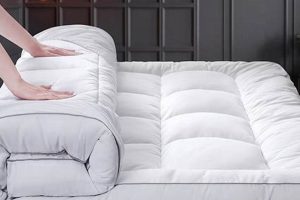
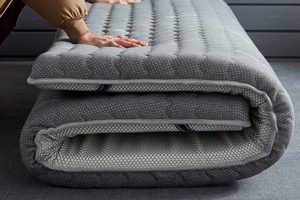
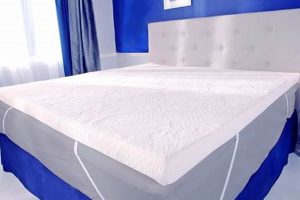
A large sleeping surface can benefit from an added layer of comfort and support. These additions are designed to fit the dimensions of the largest standard bed size, enhancing the sleep experience. An example would be a memory foam layer placed atop the primary sleep surface to contour to the body.
The significance of these additions lies in their capacity to improve sleep quality, alleviate pressure points, and extend the lifespan of the underlying mattress. Historically, people have sought ways to modify their sleeping surfaces for increased comfort; this represents a contemporary iteration of that ongoing pursuit. Benefits range from enhanced spinal alignment to improved temperature regulation during sleep.
Subsequent sections will delve into various types of materials, considerations for selection, and maintenance guidelines relevant to optimizing the use of these bedding accessories. Understanding these aspects is crucial for consumers seeking to maximize comfort and longevity.
Optimizing the Use of Large Mattress Additions
This section provides essential guidance for maximizing the effectiveness and longevity of large-format bedding enhancements.
Tip 1: Assess Material Compatibility: Prior to purchase, evaluate the material of the bedding addition in relation to the existing mattress. Memory foam atop an already soft surface might result in excessive sinkage, while a firmer latex may be suitable for a less yielding mattress. Consider density and thickness as well.
Tip 2: Measure Mattress Dimensions Precisely: Accurate measurement is critical. Verify the length and width of the mattress to ensure a proper fit. An ill-fitting bedding addition can shift, bunch, and ultimately detract from the sleeping experience.
Tip 3: Prioritize Breathability: Overheating can disrupt sleep. Opt for materials known for their breathability, such as ventilated memory foam or natural latex. These materials promote airflow and help regulate body temperature throughout the night.
Tip 4: Consider Firmness Preferences: Firmness is subjective. Research the firmness scale (typically ranging from soft to extra firm) and select a level that aligns with individual support requirements and sleep position. Back sleepers generally benefit from firmer options, while side sleepers may prefer softer ones.
Tip 5: Factor in Maintenance Requirements: Different materials necessitate different cleaning procedures. Some are spot-clean only, while others may be machine washable. Understand the maintenance requirements before committing to a specific product.
Tip 6: Investigate Warranty and Return Policies: Reputable manufacturers offer warranties and return policies. Carefully review these terms to protect against defects and ensure satisfaction with the purchase.
Effective implementation of these tips ensures enhanced comfort, extended product life, and a more restful sleep experience.
The subsequent section will present concluding remarks and summarize the critical factors for informed decision-making.
1. Material Composition

The composition of materials used in a large mattress addition significantly influences its performance characteristics, including comfort, support, and longevity. Understanding these material properties is crucial for selecting a product that meets specific needs.
- Memory Foam Density and Viscoelasticity
Memory foam density, measured in pounds per cubic foot, affects its support and durability. Higher density foams offer greater support and resistance to compression over time. Viscoelasticity, the foam’s ability to conform to the body and slowly return to its original shape, contributes to pressure relief. For example, a high-density memory foam addition atop a firm mattress can improve comfort for individuals with pressure point sensitivity.
- Latex Type: Natural vs. Synthetic
Latex presents in two primary forms: natural and synthetic. Natural latex, derived from rubber trees, exhibits inherent breathability and resilience. Synthetic latex, often a petroleum-based product, may be less durable and lack the same temperature-regulating properties. A natural latex layer offers enhanced airflow compared to a synthetic counterpart, reducing heat retention during sleep.
- Fiber Fill: Down and Down Alternatives
Fiber fills, such as down or synthetic down alternatives (e.g., microfiber), contribute to the overall loft and plushness of the topper. Down provides excellent insulation and a soft feel, while down alternatives offer hypoallergenic properties and ease of maintenance. For example, a down-filled layer offers a luxurious feel but may not be suitable for individuals with allergies, whereas a microfiber fill presents a practical alternative.
- Cover Fabric: Breathability and Moisture-Wicking
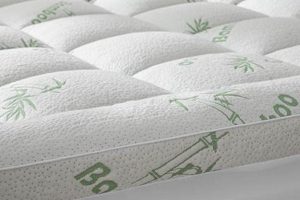
The cover fabric influences the overall breathability and moisture management of the topper. Materials like cotton, bamboo, or specialized performance fabrics enhance airflow and wick away moisture, preventing overheating and promoting a more comfortable sleep environment. A cotton cover, for example, improves breathability compared to a synthetic polyester cover, minimizing heat buildup.
The interplay between these materials ultimately determines the overall performance of the addition. Careful consideration of density, type, fill, and cover fabrics ensures an informed selection aligned with individual preferences and requirements.
2. Thickness Options

Thickness options in a large mattress addition represent a critical determinant of comfort and support. The vertical dimension of the added layer directly influences pressure relief, spinal alignment, and overall sleep quality. Different thicknesses cater to varying individual needs and mattress conditions, necessitating careful consideration during selection.
- Pressure Point Alleviation and Body Contouring
Thicker additions generally offer enhanced pressure point alleviation. A 3-inch or 4-inch layer, for example, contours more effectively to the body’s curves, distributing weight more evenly and reducing stress on areas such as the shoulders and hips. Conversely, a thinner 1-inch or 2-inch addition provides more subtle support, suitable for mattresses already possessing adequate cushioning. Individuals experiencing chronic pain may benefit from a thicker layer, while those seeking minimal adjustment may opt for a thinner profile.
- Mattress Firmness Adjustment
The thickness of the addition directly impacts the perceived firmness of the overall sleeping surface. A thicker, softer layer can transform a firm mattress into a more plush and comfortable one. A thinner, firmer addition can provide targeted support without
significantly altering the overall feel. For example, a 2-inch high-density foam can add needed support to a soft mattress, whereas a 4-inch memory foam addition creates a plusher sleeping surface on a too-firm bed. - Heat Retention and Airflow Considerations
Thickness influences heat retention. Denser, thicker materials tend to trap more heat. Thinner additions generally exhibit better airflow. The material composition of the addition also plays a role; open-cell foams or breathable fibers mitigate heat buildup irrespective of thickness. A thicker memory foam mattress addition is warmer, even when breathable, than a thinner latex topper.
- Edge Support and Stability
Additions can affect edge support. Thicker additions typically provide more consistent support across the entire surface, including the edges. This is particularly beneficial for individuals who sleep near the edge of the bed or require assistance when getting in and out. A robust, thicker mattress addition often enhances side support, while thinners can lead to the ‘roll-off’ effect when sleeping near the edge.
Therefore, thickness options are integral to tailoring a king size bed mattress topper to individual preferences and requirements. Selection should consider factors such as sleeping position, body weight, existing mattress firmness, and sensitivity to temperature. A careful balancing of these elements ensures an optimal sleeping experience.
3. Firmness level

The firmness level of a large mattress addition dictates the degree of support provided to the sleeper. This aspect is crucial, as it influences spinal alignment, pressure point distribution, and overall comfort. A direct correlation exists between firmness and suitability for specific sleeping positions and body types. For instance, back sleepers often benefit from a firmer sleeping surface that prevents excessive sinking of the hips, maintaining spinal alignment. Conversely, side sleepers frequently require a softer surface to allow the shoulders and hips to sink slightly, relieving pressure on these joints. This necessitates a nuanced understanding of firmness levels when selecting such an accessory.
Selection of an inappropriate firmness can lead to discomfort or even exacerbate existing musculoskeletal issues. A mattress addition that is too firm for a side sleeper, for instance, can cause pressure buildup in the shoulder and hip, leading to pain and restless sleep. A mattress addition that is too soft for a stomach sleeper can cause the spine to overextend, leading to lower back pain. Therefore, testing various firmness levels, if possible, or carefully reviewing product descriptions that detail the intended sleeping positions is advisable. Consider a scenario where an individual purchases a high-density foam addition marketed as “extra firm” without considering their preference as a side sleeper. They may soon discover that the lack of contouring leads to significant discomfort, rendering the purchase ineffective in improving sleep quality.
Ultimately, the firmness level must align with individual needs and preferences to ensure optimal comfort and support. The term “firmness” itself is subjective, and standardized rating scales may vary between manufacturers. However, understanding the general categories (e.g., plush, medium, firm) and their associated benefits is crucial for making an informed purchasing decision. Choosing an appropriate firmness helps to address pressure points and promote neutral spinal alignment.
4. Temperature regulation

Temperature regulation is a critical factor influencing sleep quality. Within the context of a large mattress addition, it refers to the ability of the component to dissipate heat and maintain a comfortable sleeping temperature. A failure in this area can lead to night sweats, restless sleep, and overall discomfort.
- Material Breathability
The breathability of the constituent materials directly impacts temperature regulation. Open-cell foams, natural fibers like cotton or bamboo, and ventilated designs promote airflow, allowing heat to escape and preventing buildup. Conversely, dense, closed-cell materials like traditional memory foam tend to trap heat. For example, a large mattress addition constructed with open-cell latex and a breathable cotton cover exhibits superior temperature regulation compared to one made of high-density memory foam with a synthetic cover.
- Heat Retention Capacity
Different materials possess varying capacities for retaining heat. Memory foam, known for its conforming properties, also tends to retain heat. Gel-infused memory foam aims to mitigate this by incorporating cooling gels. Latex, particularly natural latex, exhibits better breathability and less heat retention. Down and feather fills, while providing insulation, can also contribute to overheating in warmer climates. A prospective buyer selecting a large mattress addition for use in a hot climate might opt for a latex option, minimizing heat retention.
- Moisture-Wicking Properties
The ability to wick away moisture is crucial for maintaining a comfortable sleep environment. Materials with moisture-wicking properties, such as wool or certain synthetic fibers, draw moisture away from the body, preventing clamminess and promoting evaporation. This is especially important in humid climates. A person prone to night sweats would benefit from a topper made with moisture wicking fabric.
- Construction Techniques and Design
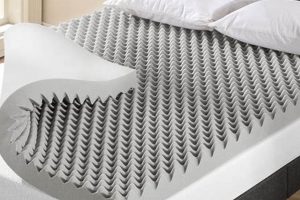
Construction techniques and design elements can also enhance temperature regulation. Perforated designs, channeled surfaces, and ventilated layers create pathways for airflow, facilitating heat dissipation. For example, a large mattress addition with a channeled design and ventilated memory foam will offer better temperature regulation than a solid, non-ventilated option.
The interplay of these factors determines the effectiveness of a large mattress addition in maintaining a comfortable sleeping temperature. The selection process should prioritize materials and designs that promote breathability, minimize heat retention, and effectively manage moisture to optimize sleep quality and enhance comfort.
5. Support alignment
Optimal spinal alignment during sleep is paramount for musculoskeletal health and overall well-being. The suitability of a large mattress addition in fostering proper alignment constitutes a critical factor in its selection and utilization. The relationship between the mattress addition and the existing mattress dictates the degree to which this alignment can be achieved and sustained.
- Spinal Curvature Accommodation
The primary function of any sleeping surface is to maintain the natural curves of the spine. A large mattress addition should conform to these curves, providing support where needed (e.g., the lumbar region) and allowing for appropriate sinkage in areas such as the shoulders and hips. For side sleepers, it facilitates shoulder and hip sinking to keep the spine straight. Stomach sleepers will need upper back support while sleeping. A ma
ttress addition of improper firmness or thickness can exacerbate spinal misalignment, leading to pain and discomfort. - Pressure Point Redistribution
A properly chosen addition redistributes pressure points, preventing concentrated stress on specific areas of the body. This is particularly important for individuals with conditions such as arthritis or fibromyalgia. A large mattress addition designed with targeted support zones can alleviate pressure on the shoulders, hips, and knees, promoting restful sleep. A uniformly firm addition may fail to adequately address these pressure points, rendering it unsuitable for individuals with specific physical needs.
- Weight Distribution and Uniformity
Effective support alignment relies on uniform weight distribution across the sleeping surface. A large mattress addition should distribute the sleeper’s weight evenly, preventing sagging or sinking in certain areas. This is particularly critical for larger individuals or couples. Poor weight distribution can lead to spinal misalignment and discomfort. A high-density addition, designed for heavier weights and sleeping styles, can provide stability throughout its area. This contrasts the soft memory foam topper, which is only good for lighter sleepers.
- Edge Support and Lateral Stability
Sufficient edge support is essential for maintaining spinal alignment, particularly for those who sleep near the edge of the bed. A large mattress addition with reinforced edges prevents sagging and ensures a consistent level of support across the entire surface. This is important for ease of getting in and out of bed and maximizes usable sleeping surface. Without sufficient edge support, a sleeper is more likely to roll off or experience a decline in spinal alignment throughout the night. Proper reinforcement improves lateral stability.
The selection of a large mattress addition should prioritize support alignment. Factors such as sleeping position, body weight, and pre-existing spinal conditions must be carefully considered. A large mattress addition that effectively promotes spinal alignment contributes to improved sleep quality, reduced pain, and enhanced overall well-being.
6. Durability
The durability of a large mattress addition directly influences its long-term value and overall cost-effectiveness. Premature degradation necessitates replacement, negating initial cost savings. Material composition, construction techniques, and usage patterns are key determinants of longevity. For instance, a memory foam addition constructed with low-density foam is susceptible to sagging and compression over a shorter lifespan compared to a high-density latex alternative. Continuous pressure applied over time, exacerbated by heavier individuals, accelerates wear and tear.
Real-world examples highlight the practical significance of durability. A family investing in a high-end, supposedly durable, addition only to find it has lost its shape and supportive qualities within two years faces not only the expense of replacement but also potential sleep disruption and physical discomfort. Conversely, a properly maintained, high-quality addition can provide consistent support and comfort for a decade or more. The selection of materials such as natural latex or high-density memory foam correlates strongly with extended product life, particularly when coupled with a robust construction method involving reinforced seams and a durable cover. Practical applications extend to institutional settings, such as hospitals or hotels, where durability minimizes replacement costs and ensures consistent comfort for a diverse user base.
In summary, durability serves as a critical component of a large mattress addition’s value proposition. While initial price may be attractive, the long-term cost associated with premature failure often outweighs the short-term savings. Understanding the relationship between material composition, construction techniques, usage patterns, and durability enables informed decision-making, leading to greater satisfaction and long-term cost savings. Overcoming the challenge of accurately assessing durability prior to purchase necessitates careful research, review of product warranties, and consideration of user feedback.
Frequently Asked Questions
This section addresses common inquiries regarding large bedding additions, providing objective information to aid decision-making.
Question 1: What is the expected lifespan of a king size bed mattress topper?
Lifespan varies depending on material composition and usage. High-density memory foam or natural latex additions typically last five to ten years, while lower-density options may degrade within two to three years. Regular rotation can prolong lifespan.
Question 2: How does a king size bed mattress topper impact temperature regulation?
The material affects temperature. Traditional memory foam tends to retain heat, whereas latex and open-cell foams promote airflow, reducing heat buildup. Consider ventilated designs for enhanced breathability.
Question 3: Can a king size bed mattress topper correct a sagging mattress?
A mattress addition can offer improved comfort and support. However, it is not a permanent solution for a significantly sagging mattress. Addressing the underlying issue is advisable.
Question 4: What is the recommended thickness for a king size bed mattress topper?
Thickness depends on individual needs. Two to four inches is generally suitable for enhancing comfort and support. Thicker options provide greater pressure relief. Consider sleeping position and body weight.
Question 5: How is a king size bed mattress topper cleaned and maintained?
Cleaning procedures vary by material. Some additions are spot-clean only, while others are machine washable. Utilize a mattress protector to prevent stains and prolong lifespan. Regularly air out the addition.
Question 6: Does a king size bed mattress topper void a mattress warranty?
In most cases, using a mattress addition does not void the underlying mattress warranty. However, consult the warranty terms for specific stipulations. Damage caused by improper use of the topper may affect warranty coverage.
The information presented offers a basic understanding of relevant considerations. Individual circumstances and product specifications should guide final purchase decisions.
The following section provides a comprehensive conclusion for this examination.
Conclusion
This exploration of the king size bed mattress topper has revealed the multifaceted nature of these bedding accessories. Material composition, thickness, firmness, temperature regulation, support alignment, and durability are all critical factors influencing user satisfaction and product longevity. A thorough understanding of these elements empowers consumers to make informed decisions aligned with individual needs and preferences. While promising enhanced sleep quality and extended mattress life, these accessories necessitate careful consideration to avoid potential pitfalls, such as inadequate support or heat retention.
The ongoing pursuit of improved sleep experiences will likely drive further innovation in the design and materials used in king size bed mattress topper production. Consumers are encouraged to remain vigilant in assessing emerging technologies and product claims, prioritizing empirical evidence and user reviews t
o ensure optimal value and performance. Ultimately, the successful integration of such an addition depends on a clear understanding of its inherent limitations and a commitment to proper maintenance and usage.