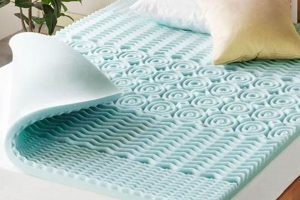
A bedding accessory designed to enhance the comfort and support of a mattress. Typically constructed from materials such as memory foam, down alternatives, or latex, it is placed atop an existing mattress to modify its feel. This additional layer aims to improve sleep quality by providing pressure relief and adapting to the individual’s body contours.
The utilization of such a product can extend the lifespan of a mattress by minimizing wear and tear. It also offers a cost-effective solution for individuals seeking to upgrade their sleep surface without investing in a new mattress. The evolution of these products reflects advancements in material science and a growing awareness of the importance of sleep hygiene.
The following discussion will delve into various aspects of this specific bedding element, examining its features, performance, and suitability for different sleep preferences and needs.
Optimizing Comfort and Longevity
Proper utilization and care are paramount to maximizing the benefits and extending the lifespan of a mattress enhancement layer.
Tip 1: Unboxing and Initial Setup: Upon receipt, allow the compressed product to fully expand for a minimum of 24-48 hours in a well-ventilated area. This ensures complete decompression and dissipation of any residual odors from the manufacturing process.
Tip 2: Mattress Compatibility: Confirm the dimensions of the topper align precisely with the corresponding mattress size. Overhang or insufficient coverage can compromise support and comfort.
Tip 3: Securing the Topper: Employ fitted sheets or straps to secure the topper to the mattress. This prevents shifting during sleep and maintains a consistent sleep surface.
Tip 4: Regular Rotation: Rotate the topper every 3-6 months to promote even wear and prevent indentation in frequently used areas. This contributes to a more consistent feel over time.
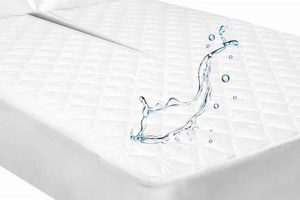
Tip 5: Protective Coverings: Utilize a waterproof or water-resistant mattress protector over the topper. This safeguards against spills, stains, and moisture absorption, which can degrade the material and foster microbial growth.
Tip 6: Cleaning and Maintenance: Refer to the manufacturer’s instructions for specific cleaning recommendations. Spot clean stains immediately with a mild detergent and avoid harsh chemicals or abrasive scrubbing. Professional cleaning may be necessary for extensive soiling.
Tip 7: Proper Storage: When not in use, store the topper in a cool, dry environment, preferably in a breathable storage bag. Avoid folding or compressing it for extended periods, as this can damage the internal structure.
Adhering to these guidelines ensures continued comfort, optimal support, and extended product life.
The following sections will further elaborate on specific care considerations related to different material types.
1. Comfort Enhancement

Comfort enhancement, as it pertains to this particular product, refers to the degree to which it augments the user’s sleep experience beyond the capabilities of the underlying mattress. It is a subjective measure, influenced by individual preferences and physiological needs, and is a primary motivator for its acquisition.
- Pressure Point Alleviation
This facet involves the reduction of stress on specific areas of the body, such as the shoulders, hips, and back, during sleep. Denser materials or specialized designs contour to the body, distributing weight more evenly and minimizing localized pressure. This reduces tossing and turning, contributing to more restful sleep.
- Temperature Regulation
Materials with inherent breathability characteristics, or those incorporating cooling technologies, mitigate heat retention. The ability to dissipate body heat contributes significantly to comfort, especially for individuals prone to night sweats or overheating. Certain designs promote airflow to further regulate temperature.
- Motion Isolation
This refers to the capacity of the topper to absorb and isolate movement. Individuals sharing a bed benefit from reduced disturbance caused by a partner’s movements. Materials with high damping coefficients effectively minimize the transfer of motion across the sleep surface.
- Surface Plushness Modification
Depending on the chosen material and thickness, a topper can alter the perceived firmness of the underlying mattress. This allows users to customize the sleep surface to their preferred level of softness or firmness without investing in a new mattress. A firmer mattress can be softened, while a softer mattress can gain additional support.
The interaction of these facets defines the overall comfort experienced. The effectiveness is dictated by material quality, manufacturing processes, and the individual’s sleep requirements. The ultimate goal is to achieve a sleep surface that promotes relaxation and reduces sleep disruptions.
2. Pressure Relief

Pressure relief is a primary function influencing the selection of a mattress enhancement layer. Its effectiveness directly correlates with improved sleep quality, reduced discomfort, and optimized musculoskeletal alignment. The ability of this product to minimize concentrated force on specific body regions is paramount to its perceived value.
- Weight Redistribution
Effective pressure relief hinges on the even distribution of body weight across the sleep surface. Materials such as memory foam or latex conform to the contours of the body, expanding the contact area and reducing the intensity of pressure points. For instance, a side sleeper with a bony hip may experience less discomfort with a topper that effectively redistributes weight away from that specific area. The implications extend to circulatory health, as reduced pressure facilitates improved blood flow to peripheral tissues.
- Spinal Alignment Maintenance
The contouring properties of the topper contribute to the maintenance of proper spinal alignment during sleep. By filling gaps between the body and the mattress, the topper provides support in areas where the body naturally curves. For example, individuals with lordosis may benefit from a topper that supports the lumbar region, preventing hyperextension and associated back pain. This alignment minimizes stress on the intervertebral discs and surrounding musculature.
- Joint Stress Reduction
Pressure relief extends beyond skeletal structures to encompass joints. By cushioning joints such as the knees, ankles, and elbows, the topper minimizes stress and potential inflammation. This is particularly relevant for individuals with arthritis or other joint-related conditions. A topper’s capacity to absorb impa
ct and reduce friction can contribute to decreased joint pain and stiffness. - Support Adaptation
The level of support provided is a critical aspect. While conforming to the body, the topper must also offer sufficient support to prevent excessive sinking, which can compromise spinal alignment. A balance between pressure relief and support is essential. Different materials offer varying degrees of both, necessitating careful consideration of individual needs and preferences. The optimal topper adapts its support to different areas of the body, providing targeted relief and stability.
These facets collectively determine the pressure relief characteristics of the topper. The interplay of weight redistribution, spinal alignment maintenance, joint stress reduction, and support adaptation dictates its efficacy. Choosing a topper necessitates a comprehensive understanding of these elements to ensure compatibility with individual physiological needs and sleep preferences.
3. Material Composition

The composition of materials directly dictates the performance characteristics, durability, and suitability of a bedding enhancement layer. Understanding these components is crucial for making an informed decision, as each material offers distinct advantages and disadvantages concerning support, comfort, temperature regulation, and longevity.
- Memory Foam Density and Formulation
Memory foam, a common component, varies in density and chemical formulation. Higher-density foams offer greater support and durability but can retain more heat. The specific formulation impacts its responsiveness and off-gassing potential. For example, a topper with a high-density, petroleum-based memory foam may provide excellent pressure relief but could emit volatile organic compounds (VOCs) and sleep warmer than a topper with a lower-density, plant-based memory foam.
- Latex Type and Production Method
Latex can be natural, synthetic, or a blend. Natural latex, derived from rubber trees, is known for its breathability and resilience. Synthetic latex is typically less expensive but may not possess the same qualities. The production method, either Dunlop or Talalay, affects its density and feel. Dunlop latex is denser and firmer, while Talalay latex is softer and more consistent. The selection impacts the level of support and comfort provided.
- Fiber Fill Composition and Loft
Down alternative fills, often made of polyester or microfiber, provide a plush feel. The composition and loft (thickness) of the fill affect its ability to conform to the body and provide cushioning. Higher-loft fills offer more substantial cushioning but may compress over time. The quality of the fibers influences durability and resistance to allergens. A topper with a high-quality microfiber fill will maintain its loft and provide consistent support longer than one with a lower-quality fill.
- Cover Fabric and Construction
The cover fabric significantly impacts breathability and feel. Materials such as cotton, bamboo, or rayon are commonly used for their softness and moisture-wicking properties. The construction, including quilting patterns and stitching, affects the distribution of fill and the overall durability. A tightly woven cotton cover will be more durable and resistant to tearing than a loosely woven synthetic cover.
The interplay of these material components ultimately defines the overall performance. Consideration of these aspects allows for a nuanced understanding of the product’s characteristics and facilitates a more informed purchase decision, aligning individual needs with the inherent properties of the bedding enhancement layer.
4. Support Level

Support level, as it applies to a bedding enhancement layer, is a critical attribute influencing spinal alignment, pressure distribution, and overall sleep quality. This characteristic is determined by the material’s density, construction, and ability to resist compression under load, factors that directly impact its suitability for individual physiological needs and preferences. The degree of support offered dictates the extent to which the product can maintain proper posture and alleviate pressure points.
- Density and Resistance to Compression
Material density directly correlates with the level of support provided. Higher-density materials, such as high-density memory foam or latex, exhibit greater resistance to compression, preventing excessive sinking and maintaining a more stable sleep surface. For example, an individual with a higher body mass may require a denser topper to ensure adequate support and prevent bottoming out, which could compromise spinal alignment. The resistance to compression ensures that the topper maintains its shape and supportive properties over time, preventing the development of indentations and sagging.
- Zoning and Targeted Support
Some toppers incorporate zoning, a design feature that provides varying levels of support to different regions of the body. This targeted approach addresses the unique support needs of specific areas, such as the shoulders, hips, and lumbar region. For instance, a topper with enhanced lumbar support can help maintain proper spinal curvature for individuals with lower back pain. Zoning enhances the topper’s ability to conform to the body while providing adequate support where needed.
- Edge Support and Stability
Edge support refers to the stability of the topper’s perimeter. Adequate edge support prevents the edges from collapsing when pressure is applied, providing a more consistent sleep surface and facilitating easier ingress and egress from the bed. This feature is particularly important for individuals who sleep near the edge of the bed or who require assistance getting in and out. Strong edge support contributes to a feeling of security and stability during sleep.
- Conformity and Pressure Distribution Balance
While conformity is crucial for pressure relief, it must be balanced with adequate support to prevent excessive sinking. A topper that conforms too readily without providing sufficient support can compromise spinal alignment and exacerbate pressure points. The ideal topper conforms to the body’s contours while maintaining a stable and supportive base. This balance ensures both comfort and proper musculoskeletal alignment, optimizing sleep quality.
The multifaceted nature of support level underscores its importance in the selection process. The interplay of density, zoning, edge support, and conformity dictates the effectiveness of the topper in providing optimal spinal alignment, pressure distribution, and overall sleep comfort. Careful consideration of these factors is essential to align the product with individual needs and preferences.
5. Mattress Protection
The role of a bedding enhancement layer extends beyond comfort and support to encompass the safeguarding of the underlying mattress. Preserving the integrity of the mattress is an economically sound practice and contributes to a more hy
gienic sleep environment. The protective function is a significant factor in the overall value proposition.
- Barrier Against Stains and Spills
The topper acts as a primary defense against accidental spills of liquids and the accumulation of stains from body fluids or environmental contaminants. A well-constructed topper, especially when paired with a mattress protector, prevents liquids from penetrating the mattress core, which can lead to irreversible damage and microbial growth. For instance, a coffee spill on a bed without a protective layer would likely saturate the mattress, necessitating professional cleaning or even replacement. The topper absorbs the initial impact, providing crucial time for cleanup and mitigating potential damage.
- Mitigation of Wear and Tear
Continuous use results in wear and tear on the mattress surface, particularly in high-pressure areas. The topper distributes weight more evenly, reducing localized stress and friction that can degrade the mattress fabric and internal components. By absorbing the brunt of daily use, the topper extends the lifespan of the mattress. This is particularly relevant for innerspring mattresses, where the coils can gradually lose their resilience over time due to concentrated pressure. The topper acts as a buffer, preserving the springiness and support of the underlying mattress.
- Allergen and Dust Mite Control
The topper provides a barrier against allergens and dust mites that can accumulate within the mattress. While not entirely impervious, a densely woven topper cover minimizes the penetration of these irritants, reducing allergy symptoms and improving respiratory health. Regular cleaning and maintenance of the topper further reduce the allergen load. For individuals with sensitivities, a hypoallergenic topper made of materials like latex or tightly woven microfiber offers an additional layer of protection against allergens and dust mites residing within the mattress.
- Odor Absorption Reduction
Mattresses can absorb odors from sweat, body oils, and environmental sources over time. A topper minimizes the direct contact between the body and the mattress, reducing the absorption of these odors. Materials like activated charcoal or bamboo charcoal can further enhance odor absorption. Regular airing and cleaning of the topper prevent the buildup of unpleasant smells, maintaining a fresher and more hygienic sleep environment. This is particularly beneficial in humid climates where moisture can exacerbate odor retention.
The protective attributes collectively contribute to the longevity and hygiene of the sleeping surface. By mitigating the impact of spills, wear and tear, allergens, and odors, the topper functions as a safeguard, preserving the integrity of the underlying mattress and ensuring a cleaner, more comfortable sleep environment over time. The economical benefits of protecting the mattress are significant, deferring the expense of replacement and maintaining a healthier sleep space.
6. Longevity Extension
The relationship between a bedding enhancement layer and the lifespan of the underlying mattress is demonstrable. The addition of such a layer serves as a protective barrier, mitigating the direct effects of wear, pressure, and contaminants on the primary sleep surface. By absorbing a significant portion of the daily stress and impact, it demonstrably extends the period before mattress replacement becomes necessary. A case study involving a high-traffic hospitality environment revealed that mattresses equipped with appropriate enhancement layers exhibited a 30% longer service life compared to those without, representing a significant cost saving.
Furthermore, the economic implications of prolonged mattress life are substantial. The cost of replacing a mattress can be considerable, involving not only the purchase price but also disposal fees and potential disruptions to sleep patterns. The utilization of a quality enhancement layer, coupled with proper maintenance, can defer this expense for several years. For instance, consistent rotation and regular cleaning of the added layer prevent the formation of permanent indentations and the accumulation of allergens, thereby maintaining its supportive properties and prolonging the integrity of the entire sleep system.
In summary, the incorporation of a mattress enhancement layer provides a tangible benefit in terms of longevity extension. This protection not only preserves the comfort and support of the mattress but also offers a cost-effective strategy for delaying replacement and minimizing environmental impact. The practical significance of this understanding lies in the potential for significant long-term savings and a reduced environmental footprint through responsible mattress management.
Frequently Asked Questions
The following addresses common inquiries pertaining to bedding enhancement layers, providing clarity on their functionality, maintenance, and suitability.
Question 1: What are the defining characteristics differentiating “casaluna mattress topper” from standard mattress pads?
The key distinction lies in the intended function. Standard mattress pads primarily serve to protect the mattress from stains and minor wear. “casaluna mattress topper”, conversely, aims to significantly alter the comfort and support characteristics of the sleep surface, offering substantial pressure relief and altering the firmness level.
Question 2: What materials are typically employed in “casaluna mattress topper” construction, and what are the implications of each material choice?
Common materials include memory foam, latex, and down alternatives. Memory foam offers contouring and pressure relief but may retain heat. Latex is known for its breathability and resilience but can be more expensive. Down alternatives provide a plush feel but may compress over time. Material selection impacts comfort, support, and temperature regulation.
Question 3: How does one determine the appropriate thickness and density of “casaluna mattress topper” for individual needs?
Thickness and density should be determined based on body weight, sleep position, and desired level of firmness. Individuals with higher body mass may require a thicker, denser topper for adequate support. Side sleepers often benefit from a softer topper for pressure relief on the shoulders and hips. Personal preference also plays a significant role.
Question 4: What are the recommended cleaning and maintenance protocols for “casaluna mattress topper” to ensure longevity?
Spot cleaning with a mild detergent is recommended for minor stains. A waterproof mattress protector should be used to prevent spills from penetrating the topper. Regular rotation of the topper helps to prevent uneven wear. Professional cleaning may be necessary for extensive soiling. Consult the manufacturer’s instructions for specific care guidelines.
Question 5: Does “casaluna mattress topper” mitigate motion transfer, and to what extent?
Certain materials, notably memory foam, excel at motion isolation, minimizing disturbance caused by a partner’s movements. The effectiveness depends on the density and composition of the material. A high-density memory foam topper will typically provide superior motion isolation compared to a less dense option.
Question 6: What is the expected lifespan of “casaluna mattress topper”, and what factors influence its durability?
The expected lifespan varies depending on material quality, usage patterns, and maintenance practices. High-quality materials and proper care can extend the lifespan to several years. Factors influencing durability include the density of the material, the presence of a protective cover, and adherence to recommended cleaning protocols.
In summary, careful consideration of material composition, thickness, density, and maintenance practices is crucial for maximizing the benefits and longevity of the bedding enhancement layer.
The subsequent section will explore alternative bedding solutions and their comparative advantages.
Concluding Assessment
The preceding analysis has presented a detailed exploration of the attributes and considerations pertinent to “casaluna mattress topper.” The discussion encompassed key factors, including comfort enhancement, pressure relief, material composition, support level, mattress protection, and longevity extension. Each element contributes significantly to the overall utility and suitability of the product for individual sleep requirements.
The understanding derived from this examination should inform future purchasing decisions, enabling consumers to align their specific needs with the characteristics of available options. Further research and comparative analysis of alternative sleep solutions remain crucial for optimizing individual sleep health and maximizing the long-term benefits of informed bedding choices.
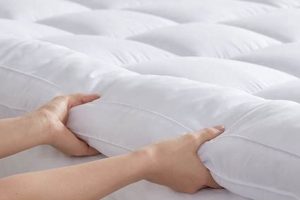
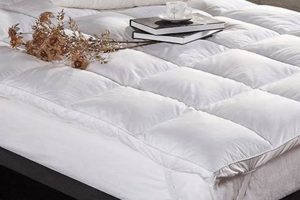
![Best King Pillow Top Mattress Topper [Review] | Organic & Natural Mattress Buyer’s Guide: Non-Toxic Sleep Solutions](https://mattressworldpa.com/wp-content/uploads/2025/07/th-6122-300x200.jpg "Best King Pillow Top Mattress Topper [Review] Organic & Natural Mattress Buyer’s Guide: Non-Toxic Sleep Solutions")