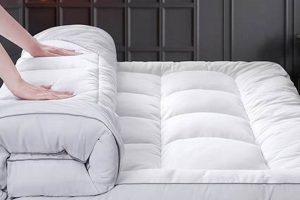
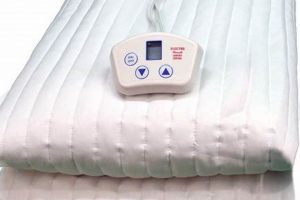
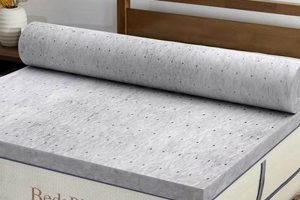
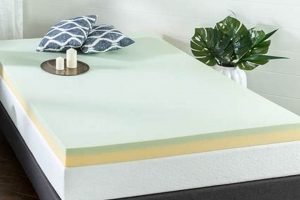
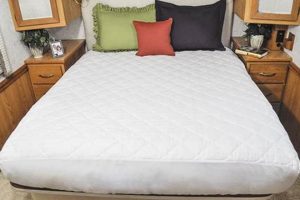
The item in question serves as an additional layer of cushioning placed atop a mattress. It is designed to enhance comfort and support for the sleeper. As an example, hotels often use this product to improve the sleep experience for their guests by providing a softer, more luxurious feel.
These additions can significantly impact the perceived quality of a sleeping surface. Benefits include pressure relief, temperature regulation, and prolonged mattress lifespan. Historically, similar items were used to add insulation and conform to the body’s contours, predating modern mattress technology.
The following sections will delve into the composition, features, selection criteria, and maintenance of such sleep enhancers, examining the elements that contribute to their overall value and desirability.
Enhancing Sleep Quality
The correct selection and proper care of a mattress overlay can significantly improve sleep quality and extend the lifespan of the underlying mattress. Consider the following recommendations:
Tip 1: Material Selection: Prioritize materials that align with individual sleep preferences. Memory foam offers contouring and pressure relief, while down alternatives provide a plush, breathable option. Latex provides a responsive and durable surface.
Tip 2: Thickness Considerations: Evaluate the thickness based on the level of added comfort desired. Thicker options provide more significant cushioning but may alter the feel of the original mattress to a greater extent.
Tip 3: Density Evaluation: The density of the material impacts both support and durability. Higher density materials generally offer improved support and resistance to compression over time.
Tip 4: Secure Attachment: Ensure the overlay features a secure attachment mechanism, such as elastic straps or a fitted skirt, to prevent shifting during sleep. A properly secured overlay maintains a consistent sleeping surface.
Tip 5: Regular Cleaning: Follow the manufacturer’s instructions for cleaning and care. Regular cleaning, including spot treatments and occasional laundering or professional cleaning, helps maintain hygiene and prolongs the lifespan of the overlay.
Tip 6: Consider Breathability: Choose breathable materials to regulate temperature and prevent overheating during sleep. Look for features like open-cell foam or natural fibers.
Tip 7: Assess Edge Support: Evaluate the edge support provided by the overlay. Adequate edge support prevents sagging and facilitates easy movement in and out of bed.
Proper material selection, thickness consideration, secure attachment, regular cleaning, breathability and edge support when considering a mattress overlay contribute to a more comfortable and supportive sleep experience. These factors promote restful sleep and extend the life of the underlying mattress.
The subsequent sections will address specific product reviews and provide a comparative analysis of various options available in the market.
1. Consistent Comfort

Consistent comfort, a hallmark of quality sleep experiences, is a key attribute sought in mattress overlays. When associated with a brand like Marriott, consistent comfort implies a standardized level of quality and performance, replicable across numerous locations and guest experiences.
- Material Uniformity and Density
Variations in material density or composition can lead to inconsistencies in comfort levels. The “marriott mattress topper” must maintain uniform material properties across its entire surface and throughout its lifespan. This uniformity ensures that pressure distribution remains even, regardless of sleeping position or body weight, thereby promoting consistent comfort.
- Durability and Long-Term Performance
Over time, mattress overlays can degrade, leading to a loss of support and comfort. The “marriott mattress topper” must be designed for long-term durability, resisting compression and maintaining its original shape and loft. This ensures that guests consistently experience the same level of comfort, even after extended use.
- Temperature Regulation and Breathability
Consistent comfort is also affected by temperature regulation. Overlays that trap heat can lead to discomfort and disrupted sleep. The “marriott mattress topper” should incorporate breathable materials that facilitate airflow, preventing overheating and maintaining a consistent temperature throughout the night.
- Attachment and Stability
Movement or shifting of the overlay during sleep can compromise comfort. The “marriott mattress topper” must feature a secure attachment system, such as elastic straps or a fitted skirt, that prevents movement and maintains a consistent sleeping surface. This ensures that comfort is not disrupted by the need to readjust the overlay during the night.
The facets outlined above demonstrate the multifaceted nature of consistent comfort in relation to the “marriott mattress topper”. The pursuit of standardized, high-quality sleep experiences necessitates careful attention to material selection, durability, temperature regulation, and stability. These factors, when effectively managed, contribute to the brand’s reputation for consistent and reliable comfort.
2. Pressure Relief
Pressure relief is a critical function of any mattress overlay, especially one designed for hospitality settings. It significantly impacts sleep quality and overall guest satisfaction. The effectiveness of a “marriott mattress topper” in alleviating pressure points is a key determinant of its value.
- Conforming Material Density
The material density directly impacts the overlay’s ability to conform to the body’s contours. Higher density materials provide greater support and resistance to compression, distributing weight more evenly. This reduces pressure on sensitive areas like the shoulders, hips, and knees. In the context of a “marriott mattress topper,” a properly chosen density ensures a balanced sleep experience for a wide range of body types and sleeping positions.
- Material Composition and Responsiveness
The composition of the overlay material, such as memory foam, latex, or down alternative, influences its responsiveness to pressure. Memory foam slowly conforms to the body’s shape, offering targeted pressure relief. Latex provides a more immediate and springy response. Down alternatives offer a softer, plush feel. The “marriott mattress topper” should feature a material composition that aligns with established comfort standards, effectively mitigating pressure points.
- Thickness and Surface Area
The thickness of the mattress overlay directly affects its pressure relief capabilities. A t
hicker overlay provides a greater buffer between the body and the underlying mattress, minimizing pressure transmission. A larger surface area, achieved through proper sizing, ensures that pressure is distributed across a broader area, reducing localized stress. A “marriott mattress topper” of appropriate thickness and dimensions maximizes its pressure-relieving benefits. - Weight Distribution and Support Zones
Effective pressure relief relies on proper weight distribution and, in some cases, strategically placed support zones. These zones are designed to provide targeted support to different areas of the body, promoting spinal alignment and reducing pressure. The “marriott mattress topper” may incorporate zoned construction to optimize pressure relief and cater to specific areas of the body that are prone to discomfort.
The integration of conforming materials, appropriate composition, optimal thickness, and strategic support zones within the “marriott mattress topper” are vital for providing effective pressure relief. These elements work synergistically to promote a comfortable and restful sleep experience, aligning with the expected standards of hospitality and contributing to guest satisfaction.
3. Durability Standards
Durability standards are paramount in the selection and maintenance of mattress overlays, especially in high-use environments such as those found in Marriott hotels. The longevity and consistent performance of a “marriott mattress topper” directly impact both guest satisfaction and operational costs.
- Material Resilience and Construction Quality
The inherent resilience of the materials used, combined with the quality of construction, determines the lifespan of the overlay. High-density foams, tightly woven fabrics, and reinforced seams are crucial for withstanding repeated use and cleaning. A “marriott mattress topper” must exhibit superior material resilience and construction to prevent premature degradation, such as sagging, tearing, or fiber breakdown. For example, a topper constructed with a high-thread-count, stain-resistant cover and filled with durable, high-density memory foam will significantly outperform a lower-quality alternative.
- Resistance to Compression and Deformation
Over time, repeated compression from body weight can cause mattress overlays to lose their shape and support. The ability to resist compression and maintain original loft is a key indicator of durability. A “marriott mattress topper” should be engineered to minimize compression set, ensuring consistent comfort and support even after extended use. Materials with high rebound properties, like latex or certain types of engineered foams, excel in this area. Constant use without visible deformation showcases high standard durability.
- Cleanability and Maintenance Requirements
The ease with which an overlay can be cleaned and maintained directly impacts its durability. Stains, spills, and accumulated dust can degrade materials and shorten the lifespan of the product. A “marriott mattress topper” should be designed for easy cleaning, with features such as removable, washable covers or stain-resistant treatments. Proper cleaning protocols, as well as resistance to allergens, extend the functional life of the overlay and maintain a hygienic sleep environment. Resistance to fading and wear after repeated washings is imperative.
- Warranty and Performance Guarantees
The presence of a comprehensive warranty and performance guarantees signals the manufacturer’s confidence in the durability of the product. A longer warranty period, coupled with clear terms and conditions, provides assurance of the overlay’s ability to withstand the demands of commercial use. The “marriott mattress topper” should be backed by a warranty that covers common issues such as sagging, material defects, and premature wear, underscoring its adherence to stringent durability standards.
The convergence of robust materials, resilient construction, easy maintenance, and reliable warranty provisions underscores the importance of durability standards in the context of a “marriott mattress topper”. These factors collectively contribute to a product that delivers consistent comfort, sustains its performance over time, and minimizes operational costs through reduced replacement frequency. In essence, durability is not merely a feature but a fundamental requirement for mattress overlays in demanding hospitality settings.
4. Material Composition
The material composition of a mattress topper is a primary determinant of its performance characteristics, including comfort, support, durability, and thermal regulation. The specific materials selected for a “marriott mattress topper” directly influence the guest experience and contribute to the overall reputation of the brand.
- Foam Density and Type
The density and type of foam used in a mattress topper dictate its level of support and its ability to conform to the body. High-density memory foam, for example, provides significant pressure relief and conforms closely to the sleeper’s shape. Latex foam offers a more responsive and resilient feel. The choice of foam, and its density, in a “marriott mattress topper” must balance comfort with long-term durability, ensuring consistent support for a wide range of guests. The type and amount of material used has an impact to overall comfort.
- Fiber Fill and Loft
Fiber fill materials, such as down alternatives or synthetic clusters, contribute to the initial loft and plushness of a mattress topper. These materials offer a softer surface feel and can enhance temperature regulation. The quality and type of fiber fill used in a “marriott mattress topper” directly impact its perceived luxury and comfort. The fill volume affects the topper’s ability to distribute weight evenly and alleviate pressure points.
- Cover Fabric and Construction
The cover fabric protects the inner materials of the mattress topper and influences its breathability and surface feel. Materials like cotton, bamboo, or specialized performance fabrics enhance airflow and wick away moisture. The construction of the cover, including quilting patterns and seam design, contributes to the overall durability and aesthetic appeal. The “marriott mattress topper” would need a high-quality cover that is both comfortable and resistant to wear and tear, thus ensuring the longevity.
- Adhesives and Bonding Agents
The adhesives and bonding agents used to join the various layers of a mattress topper can impact its structural integrity and long-term performance. Low-quality adhesives may degrade over time, leading to delamination and reduced support. A “marriott mattress topper” must be constructed using durable, non-toxic adhesives that maintain their bonding strength under repeated use and cleaning. Proper application and material compatibility are critical for long-term durability.
The selection of materials for a “marriott mattress topper” represents a careful balance between comfort, durability, and cost-effectiveness. The types of foam, fiber fill, cover fabric, and bonding agents are strategically chosen to create a product that delivers a consistent and luxurious sleep experience while meeting the stringent sta
ndards of a reputable hospitality brand. These materials are key for quality sleep.
5. Hypoallergenic properties
Hypoallergenic properties are a critical consideration in the selection of mattress toppers, especially for hospitality environments like Marriott hotels. The presence or absence of these properties directly affects guest comfort and well-being. A “marriott mattress topper” lacking hypoallergenic characteristics may harbor allergens such as dust mites, mold spores, and pet dander, potentially triggering allergic reactions in sensitive individuals. The cause-and-effect relationship is clear: the presence of allergens leads to allergic responses, ranging from mild skin irritation and respiratory discomfort to more severe reactions. As such, hypoallergenic properties are not merely an added benefit but a fundamental component, ensuring a safe and comfortable sleep environment for all guests. Marriott’s brand reputation is closely tied to guest satisfaction, and proactively mitigating allergen exposure is an essential aspect of upholding that reputation. Real-life examples of allergic reactions in hotel settings highlight the practical significance of this understanding. A guest experiencing a severe allergy attack due to a non-hypoallergenic mattress topper can result in negative reviews, brand damage, and potential legal liabilities.
Further analysis reveals that specific material choices contribute significantly to the hypoallergenic nature of a mattress topper. Natural latex, for instance, possesses inherent antimicrobial and dust mite-resistant properties. Encasing the topper in a tightly woven, allergen-impermeable fabric further minimizes allergen accumulation. Down-alternative fills, crafted from synthetic fibers, present a hypoallergenic alternative to traditional down, which can be a potent allergen for some individuals. Regular cleaning and maintenance protocols, including vacuuming and professional laundering, are also vital for upholding hypoallergenic standards. The practical application of these measures involves the implementation of stringent sourcing guidelines, rigorous testing procedures, and comprehensive staff training to ensure that “marriott mattress toppers” consistently meet the established hypoallergenic criteria. Regular replacement of the toppers also ensures the mitigation of allergen buildup over time.
In conclusion, the connection between hypoallergenic properties and the “marriott mattress topper” is inextricably linked to guest health, satisfaction, and brand reputation. Challenges remain in consistently sourcing and maintaining hypoallergenic materials across a vast network of properties. The ongoing commitment to mitigating allergen exposure is an integral aspect of responsible hospitality management. Hypoallergenic considerations align with the broader theme of creating a safe and comfortable environment for all guests, underscoring the importance of proactive measures in addressing potential health risks within the hospitality sector. These materials should be non toxic for overall quality.
Frequently Asked Questions Regarding Marriott Mattress Toppers
The following section addresses commonly raised inquiries concerning mattress toppers associated with the Marriott brand, offering detailed and objective responses.
Question 1: What distinguishes the Marriott mattress topper from standard retail offerings?
The mattress toppers used at Marriott hotels often undergo rigorous quality control and testing to meet specific comfort and durability standards. Materials are selected for longevity and resistance to wear, ensuring a consistent sleep experience for guests. Retail offerings may not adhere to these same stringent specifications.
Question 2: How does one determine the appropriate thickness for a Marriott mattress topper?
Thickness is a matter of personal preference and the condition of the underlying mattress. A thicker topper provides more cushioning and may be suitable for older, less supportive mattresses. However, an excessively thick topper can alter the feel of the bed and potentially cause discomfort. Assessing individual needs is critical.
Question 3: What materials are typically used in a Marriott mattress topper?
Materials can vary but often include memory foam, latex, or down alternatives. Each material offers different characteristics in terms of support, temperature regulation, and pressure relief. The specific materials used will impact the overall feel and performance of the topper.
Question 4: How should a Marriott mattress topper be cleaned and maintained?
Cleaning and maintenance protocols depend on the materials used. Many toppers feature removable, washable covers. Spot cleaning is recommended for minor stains. Professional cleaning may be necessary for deeper stains or specialized materials. Following the manufacturer’s instructions is crucial for maintaining hygiene and extending the topper’s lifespan.
Question 5: Are Marriott mattress toppers hypoallergenic?
The hypoallergenic properties of a mattress topper depend on the materials used and any treatments applied. Some materials, such as natural latex and certain synthetic fibers, are inherently hypoallergenic. Regular cleaning and the use of allergen-impermeable covers can further reduce allergen exposure.
Question 6: What is the expected lifespan of a Marriott mattress topper?
The lifespan of a mattress topper depends on its quality, usage, and maintenance. Higher-quality toppers, properly cared for, can last for several years. Signs of wear, such as sagging or loss of support, indicate the need for replacement.
These FAQs address common concerns regarding the Marriott mattress topper, highlighting key considerations for selection, maintenance, and performance.
The subsequent section will delve into comparative analyses of different mattress topper brands and models, providing additional insights into available options.
Concluding Remarks on the Marriott Mattress Topper
This exploration has examined the core attributes of the “marriott mattress topper,” including consistent comfort, pressure relief, durability standards, material composition, and hypoallergenic properties. These elements are not merely features; they are fundamental aspects contributing to guest satisfaction and brand reputation. The value proposition extends beyond the immediate sleep experience, influencing operational efficiency and long-term cost management within the hospitality sector.
The selection and maintenance of a suitable “marriott mattress topper” represent a significant investment in guest well-being and brand equity. Continued research and development in material science and design are crucial for sustaining and enhancing the quality standards associated with the Marriott brand. Prioritizing these factors ensures a consistent and comfortable sleep environment for all guests, solidifying trust and loyalty.