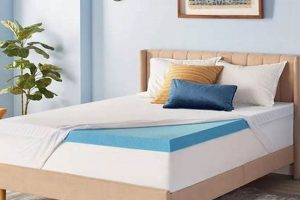
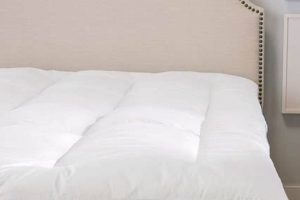
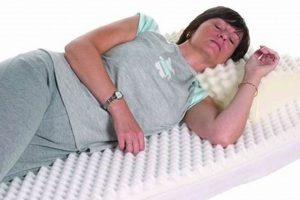
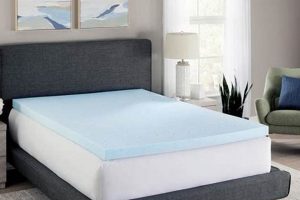
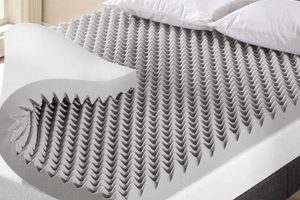
A padded layer designed to enhance the comfort and support of convertible couches is examined. These accessories generally provide an additional surface that mitigates the firmness or unevenness of the underlying structure when deployed as a sleeping surface. As an example, a family preparing for overnight guests might acquire one to improve the sleeping arrangement offered by their pull-out couch.
The relevance of such a product is found in its ability to augment sleep quality and overall user experience. The inclusion of such an item addresses the common complaint of inadequate support offered by many convertible couches. Historically, individuals have sought methods to enhance the comfort of makeshift beds, and this represents a contemporary solution to that enduring need. Benefits include improved spinal alignment, pressure relief, and a perception of increased luxury.
The following sections will delve into the various materials, dimensions, and considerations relevant when selecting an appropriate adjunct of this type. Focus will be given to factors affecting durability, ease of care, and compatibility with different convertible couch designs.
Guidance for Selecting a Convertible Couch Bed Enhancer
The following advice provides a framework for making an informed decision regarding the acquisition of a padded overlay for convertible couches. Attention to these details ensures optimal comfort and longevity.
Tip 1: Material Composition: Prioritize materials known for their resilience and comfort. Memory foam, latex, and high-density polyurethane foam are commonly used. Each possesses unique properties in terms of support, temperature regulation, and durability. Researching the specific characteristics of each material is crucial.
Tip 2: Thickness Assessment: Evaluate the thickness based on individual comfort preferences and the existing couch mattress. A thicker option typically provides greater cushioning, but may also present storage challenges when the couch is returned to its seating configuration. Consider the trade-offs.
Tip 3: Size and Dimensions: Precisely measure the dimensions of the convertible couch bed when fully extended. Ensure that the chosen overlay aligns closely with these measurements to prevent overhang or inadequate coverage, both of which compromise comfort and aesthetics.
Tip 4: Density Considerations: Density impacts the level of support and the product’s lifespan. Higher density materials generally exhibit greater resistance to compression and sagging over time, leading to a more consistent sleeping surface.
Tip 5: Breathability Factors: Breathability is pertinent for temperature regulation during sleep. Materials with open-cell structures or integrated ventilation channels promote airflow, reducing the likelihood of overheating and enhancing overall comfort.
Tip 6: Care and Maintenance: Scrutinize the care instructions prior to purchase. Opt for products with removable, washable covers to facilitate cleaning and hygiene. Stains and spills are inevitable, so ease of maintenance is a practical consideration.
Tip 7: Secure Attachment Mechanisms: Look for features such as elastic straps or non-slip backing to secure the overlay to the couch mattress. This prevents shifting during sleep, ensuring a stable and consistent surface.
Adhering to these guidelines ensures a more satisfactory purchase, ultimately improving the comfort and utility of convertible couch sleeping arrangements. Informed selection is paramount.
The subsequent section will address common misconceptions and provide additional insights to further refine the selection process.
1. Material Density

Material density represents a critical attribute influencing the performance and longevity of padded layers designed for convertible couches. It quantifies the mass of the material per unit volume, directly correlating with support, durability, and resistance to compression.
- Support Provision
Higher density materials offer increased resistance to compression, thereby providing enhanced support. This is particularly relevant in these overlays, where consistent support is crucial for maintaining spinal alignment and minimizing pressure points during sleep. An individual sinking excessively into a low-density material will experience discomfort and potential musculoskeletal strain.
- Durability and Lifespan
Density is directly proportional to the lifespan of these padded layers. A high-density foam will withstand repeated use and compression cycles more effectively than a low-density alternative. This translates to a longer-lasting product, reducing the need for frequent replacement and minimizing long-term costs. Conversely, a low-density option will degrade more rapidly, resulting in sagging and diminished support over time.
- Resistance to Sagging
The tendency of a padded overlay to sag over time is directly influenced by its material density. High-density materials exhibit superior resistance to sagging, maintaining a consistent surface height and preventing the formation of indentations. This ensures a level and supportive sleeping surface throughout the product’s lifespan.
- Impact on Weight Distribution
Density affects how weight is distributed across the surface of the accessory. High-density materials tend to distribute weight more evenly, minimizing pressure concentration in specific areas. This even distribution promotes circulation and reduces the likelihood of localized discomfort, contributing to a more restful sleep experience.
The implications of material density extend beyond mere comfort considerations, influencing the overall health and well-being of the user. Selecting an overlay with appropriate density characteristics is paramount to ensuring optimal support, durability, and long-term performance. This selection should align with the intended use, user weight, and desired level of support to yield the most satisfactory outcome.
2. Thickness Options

Thickness options for convertible couch bed overlays constitute a crucial determinant of comfort and functionality. Varying thicknesses cater to diverse user needs and couch designs, influencing support, storage, and overall sleeping experience. Careful consideration of available thicknesses is therefore essential when selecting a suitable product.
- Support and Pressure Relief
A thicker layer generally offers enhanced cushioning and pressure relief. Individuals seeking to mitigate the discomfort of a firm or uneven couch mattress may benefit from a greater thickness. For example, a side sleeper might prefer a thicker option to alleviate pressure on hips and shoulders, while a back sleeper may find a thinner profile sufficient.
- Sto
rage ConsiderationsThe selected thickness directly impacts the ease of storing the accessory when not in use. A thicker overlay requires more storage space, potentially presenting a challenge in confined living environments. Conversely, a thinner option folds or rolls more compactly, facilitating convenient storage. Practical limitations regarding storage capacity must be assessed.
- Couch Mechanism Compatibility
The thickness of a padded layer can affect the proper functioning of the convertible couch mechanism. An excessively thick option might impede the folding or unfolding process, causing strain on the mechanism or preventing complete closure. Evaluating the couch’s design specifications and limitations is necessary to ensure compatibility.
- Personal Comfort Preferences
Individual preferences regarding firmness and support levels play a significant role in determining the optimal thickness. Some users prefer a plusher, more enveloping feel, which is typically achieved with a thicker overlay. Others may favor a firmer, more supportive surface, for which a thinner profile is better suited. Subjective comfort considerations should guide the selection process.
The interplay between these factors highlights the importance of careful assessment when considering thickness options for convertible couch bed overlays. Selecting an appropriate thickness ensures a balance between comfort, functionality, and compatibility with the intended couch design. This evaluation contributes significantly to user satisfaction and overall product utility.
3. Size Compatibility

The accurate alignment of overlay dimensions with the convertible couch bed is paramount to ensuring both comfort and functionality. Size discrepancies negate the intended benefits of the addition, compromising user satisfaction.
- Overhang Issues
When the overlay exceeds the dimensions of the couch mattress, excess material can overhang the edges. This creates a tripping hazard, introduces unsightly bulges, and prevents the couch from properly folding back into its seating configuration. An example would be a full-size overlay placed on a twin-sized convertible couch, rendering the folding mechanism inoperable.
- Insufficient Coverage
Conversely, an undersized overlay fails to provide complete coverage of the sleeping surface. This results in uncomfortable gaps or exposed areas of the original, often less comfortable, couch mattress. As an illustration, using a twin-size overlay on a queen-size pull-out sofa leaves portions of the sleeper exposed to the original surface, reducing the sleep quality.
- Compromised Support
Even slight dimensional mismatches can compromise the support provided by the accessory. Uneven distribution of weight across the surface leads to localized compression and diminished support in critical areas. For instance, if the accessory is slightly too narrow, the sleeper’s hips or shoulders might rest partially on the original mattress, resulting in discomfort and potential spinal misalignment.
- Mechanism Interference
Imprecise dimensions can also interfere with the folding and unfolding mechanisms of the convertible couch. An overlay that is too thick or wide may prevent the couch from fully retracting into its seating configuration or hinder its smooth transition into a bed. Consider a situation where an excessively thick overlay binds within the frame of a folding couch, creating resistance and potentially damaging the mechanism over time.
These considerations emphasize that meticulous measurement and precise dimensional matching are crucial for achieving optimal comfort and functionality. Neglecting this aspect can negate the intended benefits of the added surface, leading to dissatisfaction and potential complications with the convertible couch mechanism.
4. Cover Washability
The characteristic of cover washability plays a pivotal role in maintaining the hygiene, longevity, and overall usability of padded overlays intended for convertible couches. This facet represents a practical consideration for end-users seeking a balance between comfort and ease of care.
- Hygiene Maintenance
Washable covers allow for the regular removal of accumulated dust, allergens, and bodily fluids. This is particularly relevant for items used frequently or by multiple individuals, such as convertible couches in guest rooms or shared living spaces. The ability to launder the cover contributes significantly to a cleaner and healthier sleeping environment, mitigating the risk of skin irritation or allergic reactions. The removal of stains is easier than cleaning the pad itself which can be a very difficult task.
- Stain Management
Accidental spills or stains are inevitable, particularly in households with children or pets. A washable cover facilitates prompt stain removal, preventing permanent discoloration or damage to the underlying material. The inconvenience and expense associated with professional cleaning services are thereby avoided. The ability to remove liquid right away can make a big difference in the life of the padding.
- Durability Extension
Regular cleaning, made possible by a washable cover, can extend the lifespan of the overlay. The removal of abrasive particles and accumulated grime prevents premature wear and tear, preserving the integrity of the material. Over time, this translates to cost savings and reduces the environmental impact associated with frequent replacements.
- Convenience Factor
The convenience offered by washable covers aligns with contemporary lifestyles. The ease of removing and laundering the cover simplifies maintenance, reducing the time and effort required to keep the overlay clean and sanitary. This factor is especially pertinent for individuals with busy schedules or limited mobility.
These interconnected aspects highlight the practical benefits of cover washability in relation to padded convertible couch overlays. The capacity to easily maintain hygiene, manage stains, extend durability, and streamline care routines underscores the value of this feature for discerning consumers.
5. Supportive Qualities

The inherent ability of a padded convertible couch overlay to provide adequate support is directly linked to the user’s spinal alignment and overall comfort during sleep. Insufficient support results in postural misalignment, leading to muscle strain, joint discomfort, and potential long-term musculoskeletal issues. Conversely, appropriate support maintains the natural curvature of the spine, distributing weight evenly and minimizing pressure points. For example, an individual utilizing a firm convertible couch might experience localized pressure on the hips and shoulders. A supportive overlay, constructed from materials such as memory foam or high-density latex, conforms to the body’s contours, distributing weight and alleviating pressure. This, in turn, promotes a more restful and restorati
ve sleep experience.
The level of support required varies depending on factors such as individual weight, sleeping position, and pre-existing medical conditions. Heavier individuals generally require firmer, denser overlays to prevent excessive sinking and maintain proper spinal alignment. Side sleepers benefit from overlays that offer localized support to fill the gap between the mattress and the body, preventing spinal curvature. Furthermore, individuals with conditions such as back pain or sciatica may require specialized support features, such as zoned support systems or lumbar reinforcement. The absence of such features can exacerbate existing discomfort and impede sleep quality.
In summary, supportive qualities represent a critical component of a high-quality padded convertible couch overlay. The selection process should prioritize materials, construction methods, and design features that promote proper spinal alignment, pressure relief, and personalized comfort. Overlooking this aspect can compromise sleep quality and contribute to musculoskeletal problems. The practical significance of this understanding lies in empowering consumers to make informed choices that enhance their well-being and optimize the functionality of their convertible couch. Challenges in selection include accurately assessing individual support needs and navigating the wide range of available products with varying claims of support effectiveness.
Frequently Asked Questions
The following addresses common inquiries regarding the selection, use, and maintenance of padded overlays designed to enhance the comfort of convertible couches.
Question 1: How does the density of a convertible couch bed enhance influence its long-term performance?
Density directly correlates with durability and resistance to compression. Higher density materials exhibit greater resilience and are less prone to sagging over extended use, thereby maintaining consistent support.
Question 2: What considerations should inform the selection of an appropriate thickness for a convertible couch bed enhancer?
Thickness impacts both comfort and storage. Thicker options generally provide greater cushioning but may present storage challenges and potentially interfere with the folding mechanism of the couch.
Question 3: Why is accurate sizing crucial when selecting a convertible couch bed overlay?
Dimensional mismatches result in overhang or insufficient coverage, compromising support, aesthetics, and potentially hindering the functionality of the convertible couch mechanism.
Question 4: What advantages does a washable cover provide for a convertible couch sleeping surface augmentation?
Washable covers facilitate hygiene maintenance, stain management, and the extension of the accessory’s lifespan by enabling regular cleaning and preventing the accumulation of grime and allergens.
Question 5: How does the supportive quality impact sleep comfort on a sleeping sofa pad?
Adequate support maintains proper spinal alignment, distributing weight evenly and minimizing pressure points. Insufficient support leads to postural misalignment and potential musculoskeletal discomfort.
Question 6: What are the primary material options available for sleeper sofa enhancers, and what are their distinguishing characteristics?
Common materials include memory foam, latex, and high-density polyurethane foam. Each possesses unique properties in terms of support, temperature regulation, and durability, requiring careful evaluation based on individual needs and preferences.
In summary, the optimal selection of a convertible couch bed overlay hinges on a careful assessment of material density, thickness, dimensions, cover washability, supportive qualities, and material composition. A thorough consideration of these factors ensures user satisfaction and maximizes the product’s utility.
The subsequent discussion will delve into specific product recommendations and address common misconceptions surrounding the performance and value of these convertible couch accessories.
Conclusion
This exposition has detailed the attributes influencing the effectiveness of a sofa mattress topper. From material density to dimensional accuracy, the preceding analysis underscores the significance of informed decision-making when selecting these accessories. The suitability of a given product is contingent upon individual needs, convertible couch design, and desired levels of comfort and support.
The purchase of a sofa mattress topper represents an investment in sleep quality and musculoskeletal health. Continued advancements in material science and ergonomic design hold the promise of even more sophisticated solutions for optimizing the sleeping experience on convertible couches. Future evaluations should prioritize objective performance metrics and long-term durability assessments to guide consumer choices.