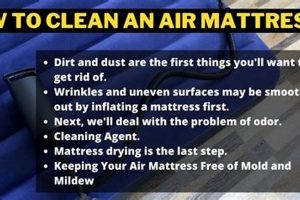
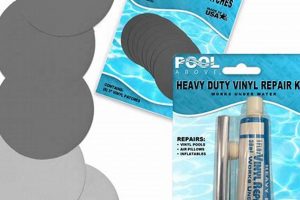
Maintaining the integrity of an inflatable sleeping surface involves several preventative and remedial measures. The goal is to ensure consistent firmness and prevent air leakage, thereby providing a comfortable and supportive rest experience throughout its use. A gradual loss of air volume can result in an uneven and ultimately unusable sleeping surface.
Addressing this issue effectively extends the lifespan of the product and enhances user satisfaction. Historically, inflatable mattresses were prone to significant leakage due to material limitations and less sophisticated valve designs. Modern manufacturing techniques and improved materials have mitigated these problems, but proactive care remains essential for optimal performance.
The following sections will outline common causes of deflation, methods for identifying leaks, and practical steps to prevent and repair air loss, thereby maximizing the utility and longevity of inflatable sleeping solutions.
Maintaining Air Retention in Inflatable Mattresses
Ensuring an inflatable mattress maintains its firmness requires diligent attention to several key factors. Proper care and preventative measures can significantly reduce the likelihood of air loss and extend the lifespan of the product.
Tip 1: Select a Suitable Location: Place the mattress on a smooth, debris-free surface. Avoid areas with sharp objects or rough textures that could puncture the material. Consider using a protective layer, such as a blanket or tarp, beneath the mattress.
Tip 2: Proper Inflation: Adhere to the manufacturer’s recommended inflation level. Overinflation can stress the seams and valve, leading to eventual leakage. Use a reliable air pump and avoid exceeding the maximum fill capacity.
Tip 3: Regular Inspection: Periodically examine the mattress for signs of wear and tear, particularly around the seams and valve. Early detection of minor issues allows for timely repair before they escalate.
Tip 4: Secure the Valve: Ensure the valve is properly sealed after inflation. A loose or damaged valve is a common source of air leakage. Replace the valve if it exhibits signs of damage or fails to maintain a tight seal.
Tip 5: Moderate Temperature: Avoid exposing the mattress to extreme temperatures. Significant temperature fluctuations can cause the air inside to expand and contract, potentially stressing the material and leading to leaks. Store the mattress in a cool, dry place when not in use.
Tip 6: Weight Distribution: Promote even weight distribution across the mattress surface. Concentrated pressure in one area can strain the material and increase the risk of punctures or seam failure. Avoid placing heavy objects on the mattress.
By implementing these preventative measures, the likelihood of air loss can be significantly reduced, resulting in a more comfortable and durable inflatable mattress experience.
The next section will discuss methods for identifying and repairing leaks when they inevitably occur.
1. Surface Preparation

Effective surface preparation is paramount in mitigating the risk of air loss from inflatable mattresses. The environment in which the mattress is used directly influences its susceptibility to punctures and abrasions, which are primary causes of deflation. Careful attention to the placement area significantly enhances the mattress’s ability to retain air.
- Debris Removal
Thorough removal of sharp objects and particulate matter from the intended surface is critical. Small stones, splinters, or even coarse dust can compromise the mattress material under pressure, leading to slow leaks. Consistent sweeping or vacuuming of the area prior to mattress deployment is essential.
- Protective Underlayment
The use of a protective layer, such as a blanket, tarp, or fitted sheet, provides an additional barrier against potential hazards. This underlayment absorbs minor abrasions that would otherwise directly impact the mattress surface, minimizing the likelihood of punctures or weakening of the material.
- Surface Leveling
Uneven surfaces can create localized stress points on the mattress, increasing the risk of seam failure or material fatigue. Identifying and correcting significant surface irregularities prior to inflation ensures that weight is distributed evenly across the mattress, reducing strain and the potential for leaks.
- Material Compatibility
Consideration should be given to the surface material itself. Abrasive surfaces like unfinished concrete or rough carpets can gradually wear down the mattress material. When such surfaces are unavoidable, a thicker, more durable protective underlayment is recommended to compensate for the increased risk of abrasion.
These elements of surface preparation collectively create a safer environment for the inflatable mattress. By minimizing the potential for punctures, abrasions, and uneven weight distribution, the user directly contributes to enhanced air retention and a longer, more reliable lifespan for the product. Consistent adherence to these practices significantly reduces the chances of unexpected deflation and ensures a more comfortable and dependable sleeping surface.
2. Valve Integrity

The valve assembly represents a critical component in maintaining air pressure within an inflatable mattress; its integrity directly correlates with the mattress’s ability to retain air over extended periods. A compromised valve, whether due to manufacturing defects, physical damage, or material degradation, provides a direct escape route for pressurized air, leading to gradual or rapid deflation. The effectiveness of any strategy aimed at maintaining inflation is contingent upon the proper functioning and seal of the valve.
Several factors contribute to valve-related air loss. Physical impacts can crack or warp the valve body, disrupting the sealing surface. Debris accumulation within the valve mechanism can prevent a complete closure, creating a persistent leak path. Material fatigue, particularly in rubber or plastic components, can lead to hardening, cracking, or loss of elasticity, all of which compromise the valve’s ability to create an airtight seal. For example, a valve left exposed to direct sunlight may experience accelerated degradation of its plastic components, leading to eventual failure.
Ensuring valve integrity involves regular inspection for damage or debris, proper sealing techniques (e.g., ensuring the valve cap is tightly secured), and, when necessary, timely replacement of a faulty valve. Neglecting valve maintenance renders other preventative measures, such as careful surface preparation and controlled inflation, largely ineffective. The valve remains the
single point of failure most directly responsible for preventable air loss in inflatable mattresses.
3. Seam Strength

Seam integrity represents a critical factor in an inflatable mattress’s ability to maintain consistent air pressure. The seams, where separate pieces of material are joined, are often the weakest points in the structure. Compromised seams directly contribute to air leakage and subsequent deflation, negating the benefits of other preventative measures.
- Material Compatibility
The type of material used in both the mattress body and the seam adhesive significantly influences seam strength. Incompatible materials or adhesives can lead to premature bond failure. For example, using a PVC adhesive on a polyurethane mattress may result in a weak, unreliable seam due to differing expansion and contraction rates.
- Seam Construction Techniques
The method used to join the mattress panels affects the seam’s resistance to stress. Overlapping seams, heat-welded seams, and reinforced stitched seams offer varying degrees of durability. A simple, single-stitched seam is more prone to failure under pressure than a double-stitched and reinforced seam.
- Stress Distribution Along Seams
Uneven weight distribution across the mattress surface concentrates stress along the seams, accelerating wear and increasing the risk of separation. Regularly rotating the mattress and ensuring it is placed on a level surface helps distribute weight evenly and minimize stress on the seams. Concentrated weight, such as repeatedly sitting on the edge of the mattress, can quickly weaken specific seam areas.
- Environmental Factors
Exposure to extreme temperatures, humidity, and UV radiation can degrade the seam adhesive and material, reducing overall seam strength. Storing the mattress in a cool, dry place away from direct sunlight helps preserve seam integrity. Prolonged exposure to high humidity can weaken the adhesive bond over time.
Addressing seam strength effectively involves selecting mattresses with durable materials and robust construction techniques, promoting even weight distribution during use, and protecting the mattress from harsh environmental conditions. These practices collectively contribute to minimized air loss and an extended lifespan for the inflatable mattress.
4. Inflation Control

Inflation control is intrinsically linked to the prevention of air mattress deflation. The volume of air introduced into the mattress directly affects the stress exerted on the material, seams, and valve. Overinflation creates excessive tension, predisposing these components to failure, while underinflation compromises structural support, potentially leading to material fatigue due to increased flexing under load. Therefore, maintaining proper inflation is paramount to preserving the mattress’s air retention capabilities.
The manufacturer’s specified inflation range serves as a critical guideline. Adhering to these limits minimizes the risk of overstressing the mattress. For instance, exceeding the recommended pressure can cause seams to weaken or separate over time, resulting in a gradual loss of air. Conversely, insufficient inflation may lead to bottoming out, where the user’s weight compresses the mattress completely, straining the material and accelerating wear. Regular monitoring of the inflation level, especially during periods of temperature fluctuation, is essential for proactive maintenance. Real-world examples include instances where users, upon initially inflating the mattress in a cool environment, experience deflation later as the ambient temperature rises, causing the air inside to expand beyond the mattress’s capacity.
In summary, effective inflation control acts as a primary defense against preventable deflation. By respecting the manufacturer’s specifications and implementing diligent monitoring practices, users can significantly extend the lifespan of their air mattresses and ensure consistent comfort. Neglecting this aspect increases the likelihood of material fatigue, seam separation, and valve failure, ultimately leading to premature air loss and diminished product utility.
5. Temperature Stability
Maintaining a stable temperature is crucial for preserving air pressure within inflatable mattresses, thereby minimizing deflation and ensuring consistent comfort and support. Fluctuations in temperature directly influence the volume of air inside the mattress, impacting its firmness and overall structural integrity. Significant temperature swings can lead to both over-expansion and contraction of the air, potentially stressing seams and valves, increasing the likelihood of leaks.
- Air Volume Fluctuation
Air volume within the mattress expands as temperature increases and contracts as temperature decreases. This is a direct application of the ideal gas law. For example, a mattress inflated indoors at room temperature (20C) and then moved outdoors to a cooler environment (10C) will experience a reduction in air volume, resulting in a perceived loss of air. Conversely, exposure to direct sunlight can cause over-expansion, stressing the mattress material.
- Material Expansion and Contraction
Mattress materials themselves expand and contract with temperature changes, although to a lesser extent than the air inside. Differential expansion and contraction rates between the mattress material and the seams or valve components can create stress points, leading to eventual failure. For example, a PVC mattress exposed to prolonged heat may exhibit seam separation due to the adhesive’s inability to accommodate the material’s expansion.
- Valve Seal Integrity
Temperature fluctuations can compromise the integrity of the valve seal. As materials expand and contract, the valve’s sealing surfaces may become misaligned, creating a pathway for air to escape. Rapid temperature changes are particularly detrimental, as they can cause thermal shock, potentially cracking or warping the valve components. Consistent exposure to temperature extremes can lead to premature valve failure.
- Storage Conditions
Improper storage in environments with significant temperature variations can accelerate the degradation of the mattress. Storing a deflated mattress in a hot attic or a cold garage exposes the material to extreme conditions, potentially causing it to become brittle and prone to cracking. Ideal storage involves a cool, dry, and temperature-stable environment, minimizing material stress and preserving the mattress’s overall integrity.
These factors underscore the importance of minimizing temperature fluctuations to maintain air pressure within inflatable mattresses. By controlling the environment in which the mattress is used and stored, users can significantly reduce the risk of deflation, prolong the mattress’s lifespan, and ensure a more consistent and comfortable sleeping experience. Attention to temperature stability is therefore an integral component of effective air mattress maintenance.
Frequently Asked Questions
This s
ection addresses common inquiries regarding the prevention of air loss in inflatable mattresses, offering detailed explanations and practical solutions.
Question 1: Why does an inflatable mattress gradually lose air even without an obvious puncture?
Gradual air loss can occur due to microscopic leaks in the seams, slow permeation of air through the mattress material itself, or a slightly imperfect seal at the valve. Temperature fluctuations can also contribute, causing the air inside to contract, which may be perceived as deflation.
Question 2: How can the location contribute to air mattress deflation?
Placement on uneven or abrasive surfaces increases the risk of punctures and seam stress. Sharp objects or rough textures can compromise the mattress material, leading to air leakage. Inadequate support beneath the mattress can also cause localized stress points, weakening the structure.
Question 3: What role does overinflation play in causing air loss?
Overinflation places excessive stress on the seams and valve, predisposing them to failure. Exceeding the manufacturer’s recommended pressure weakens the material, potentially leading to microscopic tears or separation at the seams, resulting in gradual air loss.
Question 4: How does temperature influence the air pressure within an inflatable mattress?
As temperature increases, the air inside the mattress expands, potentially overstressing the material. Conversely, a decrease in temperature causes the air to contract, reducing the mattress’s firmness. These temperature-induced volume changes can compromise the integrity of the valve and seams.
Question 5: What are the best practices for storing an inflatable mattress to prevent damage and air loss?
The mattress should be fully deflated, cleaned, and stored in a cool, dry place away from direct sunlight and sharp objects. Folding the mattress loosely rather than tightly prevents creases that can weaken the material over time. Ensure the valve is securely closed during storage.
Question 6: How often should an inflatable mattress be inspected for potential leaks or damage?
A visual inspection is recommended before each use, paying particular attention to the seams, valve, and surface for any signs of wear, tear, or punctures. A more thorough inspection, involving inflation and careful listening for air leaks, should be conducted periodically, especially if a gradual loss of air is suspected.
Consistent adherence to these preventative measures and proactive inspection practices contributes significantly to the longevity and reliable performance of inflatable mattresses.
The following section addresses methods for locating and repairing leaks when they occur.
Conclusion
This exploration of practices focused on maintaining air retention in inflatable mattresses has underscored the importance of proactive care. Controlling factors such as surface conditions, valve integrity, seam strength, proper inflation, and temperature stability directly impacts the longevity and utility of these products. Consistent implementation of these strategies minimizes air loss, ensuring a more reliable and comfortable sleeping surface.
Adhering to these preventative measures is essential for maximizing the investment in inflatable sleeping solutions. Vigilance and diligent maintenance will not only enhance user satisfaction but also contribute to a reduction in the environmental impact associated with premature product replacement. Prioritizing these practices is therefore crucial for responsible and effective utilization of inflatable mattresses.