The phenomenon of inflatable sleeping surfaces losing air pressure during the course of a night is a common experience. This occurrence results in a gradual reduction of firmness, potentially leading to discomfort and disrupted sleep. For instance, an individual might initially inflate a bed to a desired level of support, only to find it significantly softer upon waking.
Addressing the reasons behind pressure loss in these sleeping devices is important for ensuring their reliable performance. Understanding contributing factors, such as temperature fluctuations and minor punctures, can enable users to take preventative measures. Historically, improvements in materials and manufacturing processes have aimed to mitigate this issue, enhancing the overall user experience and extending the lifespan of the product.
The subsequent sections will delve into the primary causes of air pressure reduction in inflatable mattresses, methods for identifying leaks, and practical strategies for preventing and repairing such occurrences. This information is designed to equip users with the knowledge necessary to maintain their inflatable sleeping surfaces effectively.
Addressing Air Loss in Inflatable Mattresses
Maintaining consistent inflation is crucial for optimal comfort and support. The following tips offer guidance on minimizing and resolving issues related to air pressure reduction in inflatable sleeping surfaces.
Tip 1: Conduct Regular Inspections: Routinely examine the mattress surface for any visible signs of damage, such as small tears or punctures. A close visual inspection, aided by bright lighting, can help identify potential leak sources before they become significant.
Tip 2: Utilize Soapy Water for Leak Detection: Prepare a solution of mild soap and water and apply it to suspect areas. The formation of bubbles indicates the presence of escaping air, pinpointing the location of the leak. Mark the area for subsequent repair.
Tip 3: Ensure Proper Valve Closure: Verify that the inflation valve is completely sealed after inflation. A loose or improperly closed valve is a common source of slow air loss. Double-check the valve mechanism to ensure a secure closure.
Tip 4: Regulate Ambient Temperature: Avoid exposing the mattress to extreme temperature fluctuations. Significant temperature drops can cause the air inside to contract, resulting in a perceived decrease in firmness. Conversely, high temperatures can lead to overexpansion and potential damage.
Tip 5: Employ a Protective Barrier: Place a thick blanket or mattress pad between the inflatable surface and the floor or bed frame. This will provide an additional layer of protection against abrasions and potential punctures from rough surfaces.
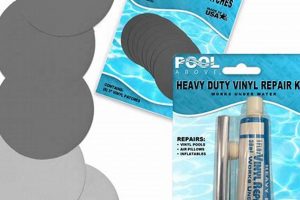
Tip 6: Repair Punctures Promptly: Use a dedicated repair kit to patch any identified punctures or tears. Follow the manufacturer’s instructions carefully to ensure a proper and durable seal.
Tip 7: Store Appropriately When Not in Use: Deflate the mattress completely and store it in a cool, dry place away from direct sunlight and sharp objects. Proper storage prevents unnecessary wear and tear and minimizes the risk of damage.
Adhering to these preventative measures and addressing leaks promptly will contribute to extending the lifespan and maintaining the performance of inflatable sleeping surfaces, resulting in improved sleep quality and reduced inconvenience.
The next section will explore advanced repair techniques and considerations for selecting durable and reliable inflatable mattress models.
1. Material Permeability
Material permeability, in the context of inflatable mattresses, refers to the inherent ability of the mattress material to allow air molecules to pass through its structure over time. This characteristic directly contributes to the gradual loss of air pressure, observed as the mattress deflating overnight. The rate of air permeation is influenced by the material’s composition, density, and the manufacturing processes used to create it. Low-quality materials with high permeability rates will exhibit a more pronounced and rapid deflation than those constructed from denser, less permeable compounds. This phenomenon is a natural consequence of the material’s physical properties, not necessarily indicative of a puncture or leak.
For example, mattresses made from thin, inexpensive PVC (polyvinyl chloride) tend to exhibit higher permeability rates compared to those using thicker, reinforced PVC or laminated materials. The former allows air molecules to slowly diffuse through the PVC structure, leading to a gradual decrease in firmness. This issue is often exacerbated by prolonged use, as repeated inflation and deflation cycles can stretch and weaken the material, further increasing its permeability. The practical implication of understanding material permeability is that it guides consumer choice towards mattresses constructed from materials known for their superior air retention properties, thus mitigating the problem of overnight deflation. Manufacturers, aware of this characteristic, often employ coatings or lamination techniques to reduce permeability and improve product performance.
In summary, material permeability represents a fundamental limitation in inflatable mattress technology. While completely eliminating air permeation may not be feasible, selecting mattresses made with advanced materials and employing proper inflation practices can significantly minimize the rate of air loss. Understanding this connection between material properties and air retention allows consumers to make informed decisions, extending the lifespan and usability of their inflatable sleeping surfaces, and reducing the frustration associated with air pressure loss during use. Furthermore, it highlights the importance of ongoing research and development of new materials with lower permeability coefficients for future generations of inflatable products.
2. Valve Integrity

Valve integrity plays a critical role in preventing air pressure loss in inflatable mattresses, directly influencing whether the mattress experiences deflation overnight. The valve serves as the primary seal, responsible for containing the compressed air within the mattress chamber. A compromised valve, whether due to manufacturing defects, wear and tear, or improper use, provides a direct escape route for air, leading to a reduction in firmness over time. The effectiveness of the valve mechanism, therefore, is paramount in ensuring the mattress maintains its intended inflation level throughout the night. For example, a valve with a cracked seal or a malfunctioning locking mechanism will inevitably result in slow but steady air leakage, regardless of the mattress material’s properties or the ambient temperature.
Various factors can compromise valve integrity. Over-tightening the valve cap ca
n damage the sealing surfaces, while insufficient tightening can lead to incomplete closure. Physical damage from impacts or improper storage can also create cracks or distortions in the valve body, disrupting its ability to form an airtight seal. Furthermore, the gradual degradation of the valve’s internal components, such as O-rings or rubber gaskets, due to age and repeated use, can compromise its sealing performance. Consequently, regular inspection and maintenance of the valve are essential preventative measures. In cases where a valve is suspected of leaking, a soapy water test can effectively pinpoint the source of the leak, allowing for timely repair or valve replacement.
In conclusion, valve integrity is an indispensable factor in maintaining the air pressure within inflatable mattresses. The soundness of the valve directly correlates to the mattress’s ability to retain air and provide consistent support. Addressing potential valve-related issues through proactive maintenance, careful handling, and timely repairs is crucial in preventing overnight deflation and extending the lifespan of the inflatable mattress. Recognizing the valve as a critical component underscores the importance of selecting mattresses with high-quality valve designs and adhering to recommended usage guidelines.
3. Temperature Variations

Temperature variations significantly influence air pressure within inflatable mattresses, directly contributing to the phenomenon of overnight deflation. Air, like other gases, expands when heated and contracts when cooled. Consequently, a decrease in ambient temperature causes a corresponding decrease in the volume of air contained within the mattress. This reduction in volume manifests as a perceived loss of pressure, leading to the mattress feeling softer or less inflated. For instance, if an air mattress is inflated to a specific firmness in a warm room and then exposed to cooler nighttime temperatures, the air inside will contract, resulting in noticeable deflation. Conversely, an increase in temperature would cause the mattress to feel firmer.
The magnitude of this effect is proportional to the temperature difference and the initial air volume within the mattress. Mattresses used outdoors, such as during camping, are particularly susceptible to temperature-induced pressure changes due to the wider temperature fluctuations experienced in open environments. Furthermore, the material properties of the mattress can influence the rate of heat transfer, thereby exacerbating the effect. Thin, less insulated materials allow for more rapid heat exchange with the surrounding environment, leading to quicker pressure adjustments. Understanding this relationship allows users to anticipate and mitigate temperature-related pressure changes by adjusting the initial inflation level or using insulating layers to minimize heat loss.
In summary, temperature variations are a primary, often overlooked, factor contributing to air mattress deflation during the night. The principles of gas behavior dictate that changes in temperature directly affect air volume and pressure. Recognizing this connection enables users to proactively manage inflation levels and environmental conditions to maintain consistent comfort and support throughout the night. Addressing temperature fluctuations through insulation or pre-emptive inflation adjustments can significantly reduce the likelihood of experiencing unwanted deflation and improve the overall performance of inflatable sleeping surfaces.
4. Puncture Potential

The possibility of puncture is a fundamental consideration when examining the phenomenon of air mattress deflation occurring overnight. The structural integrity of an inflatable mattress hinges on its ability to maintain an airtight seal. A puncture, even a minute one, compromises this seal, creating an avenue for pressurized air to escape. This escape, often gradual, leads to a perceptible decrease in firmness over the course of several hours, resulting in a deflated state by morning. The likelihood of such an occurrence, termed “puncture potential,” is influenced by a confluence of factors, including the mattress’s environment, the quality of its construction materials, and the care taken during its use and storage.
The environment in which an air mattress is deployed significantly contributes to its puncture potential. Sharp objects present on the floor or bed frame, such as splinters, staples, or even rough fabric seams, pose a direct threat. Similarly, abrasive surfaces can gradually wear down the mattress material, increasing its susceptibility to penetration. For example, using an air mattress directly on a concrete floor without a protective layer drastically elevates the risk of puncture. The quality of the mattress material itself is also crucial. Thicker, more durable materials offer greater resistance to punctures, while thinner, cheaper alternatives are more easily compromised. Manufacturing flaws, such as weak seams or imperfections in the material, further heighten the puncture potential. Finally, improper handling and storage, such as folding the mattress tightly or exposing it to sharp objects, can create stress points that ultimately lead to leaks.
Understanding the puncture potential of an air mattress is of practical significance to users. By taking preventative measures, such as carefully inspecting the intended sleeping surface for sharp objects, using a protective layer between the mattress and the floor, and storing the mattress properly when not in use, individuals can significantly reduce the likelihood of overnight deflation. Furthermore, selecting air mattresses constructed from durable materials and regularly inspecting them for signs of wear and tear can further mitigate this risk. Addressing the puncture potential proactively ensures the longevity and consistent performance of inflatable sleeping surfaces, improving sleep quality and minimizing the inconvenience of unexpected deflation.
5. Seam Weakness

Seam weakness represents a significant vulnerability in inflatable mattresses, directly contributing to the unwanted phenomenon of overnight deflation. The seams, where separate pieces of material are joined, are often subjected to concentrated stress and strain during inflation and use. If these seams are poorly constructed or utilize inadequate bonding techniques, they become potential points of failure, allowing pressurized air to escape. The result is a gradual loss of air pressure, leading to a less firm or completely deflated mattress by morning. Seam weakness can arise from various factors, including insufficient adhesive application, improper welding techniques, or the use of low-quality thread in stitched seams. The location of the seam is also critical; seams located near edges or in areas subjected to bending or stretching are more susceptible to failure. A real-life example includes mattresses where the seams around the perimeter are prone to separating after repeated inflation and deflation cycles, especially when exposed to fluctuating temperatures or excessive weight.
The importance of seam strength is underscored by its direct correlation to the mattress’s ability to maintain its intended form and function. Mattresses intended for heavy use or frequent travel, for example, require
robust seams to withstand the stresses associated with packing, unpacking, and repeated inflation. Manufacturers can mitigate the risk of seam weakness through careful material selection, rigorous quality control procedures, and the implementation of advanced bonding or welding techniques. For instance, radio frequency (RF) welding creates a strong, airtight bond by fusing the materials at a molecular level, reducing the likelihood of seam separation. Furthermore, reinforced seams, incorporating additional layers of material or specialized stitching patterns, provide enhanced durability and resistance to stress. Understanding the role of seam strength allows consumers to make informed purchasing decisions, opting for mattresses with reinforced seams and proven construction methods.
In summary, seam weakness is a critical factor that can lead to air mattress deflation overnight. The integrity of the seams is paramount to the mattress’s overall structural integrity and ability to retain air pressure. While manufacturers employ various techniques to enhance seam strength, consumers should remain vigilant in inspecting seams for signs of wear and tear and in selecting mattresses with robust construction methods. Addressing seam weakness, both through preventative measures and informed purchasing decisions, is crucial in minimizing the risk of overnight deflation and ensuring the longevity and usability of inflatable sleeping surfaces.
6. Over-Inflation Risk

Over-inflation of an air mattress significantly elevates the risk of overnight deflation. Excessive internal pressure places undue stress on the mattress material and seams. This stress can lead to microscopic tears or weaken bonding agents, compromising the airtight seal. Although the damage might not be immediately apparent, it creates a pathway for gradual air leakage. This leakage accumulates over several hours, resulting in a noticeable loss of firmness by morning. The consequence is a deflated mattress and a disrupted sleep experience. A common scenario involves inflating the mattress to its maximum capacity based on initial firmness preference, neglecting the material’s limitations and the potential for expansion due to temperature changes.
The relationship between over-inflation and subsequent deflation is further compounded by the material’s elastic properties. Repeated cycles of over-inflation can stretch the material beyond its elastic limit, causing permanent deformation. This deformation weakens the material’s structure and increases its permeability, accelerating the rate of air loss even after the initial over-inflation event. Furthermore, the seams, often the weakest points in the mattress construction, are particularly vulnerable to over-inflation. Excessive pressure can strain the seam bonds, leading to separation and air leakage. For example, exceeding the manufacturer’s recommended inflation level by as little as 10% can significantly reduce the mattress’s lifespan and increase the likelihood of overnight deflation.
In conclusion, over-inflation is a critical factor contributing to the problem of air mattresses deflating overnight. By understanding the mechanical stresses induced by excessive pressure and their detrimental effects on the mattress material and seams, users can take preventative measures. Adhering to the manufacturer’s recommended inflation levels, using a pressure gauge to ensure accurate inflation, and accounting for potential temperature changes are all essential steps in minimizing the risk of overnight deflation and extending the lifespan of inflatable sleeping surfaces. Recognizing the connection between inflation practices and mattress longevity promotes responsible use and ensures a more comfortable and reliable sleep experience.
Frequently Asked Questions
This section addresses common inquiries concerning the phenomenon of air mattresses losing air pressure during the night. It provides concise and informative answers to help users understand and address this issue.
Question 1: What are the primary causes of an air mattress deflating overnight?
The principal causes include material permeability, valve leakage, temperature variations causing air contraction, punctures or tears in the mattress material, and weaknesses in the seams.
Question 2: How can punctures or small leaks be effectively identified?
A soapy water solution applied to the inflated mattress can reveal leaks. The formation of bubbles indicates escaping air, pinpointing the location of the puncture or leak.
Question 3: Does temperature significantly impact air pressure within an air mattress?
Yes. Colder temperatures cause air to contract, reducing pressure and perceived firmness. Conversely, warmer temperatures cause expansion, potentially leading to over-inflation and stress on the mattress.
Question 4: Can the type of material used in an air mattress affect its ability to retain air?
Indeed. Materials with higher permeability, such as thinner PVC, allow air to escape more readily compared to thicker, reinforced materials or those with laminated layers designed to minimize air permeation.
Question 5: What role does the valve play in preventing air loss?
The valve is the primary seal. A damaged, improperly closed, or poorly designed valve will inevitably lead to air leakage, regardless of the mattress material’s properties.
Question 6: Is there a risk of over-inflating an air mattress, and how does this contribute to deflation?
Over-inflation places undue stress on the material and seams, potentially causing microscopic tears or weakening bonding agents. This damage creates a pathway for gradual air leakage, leading to deflation.
Addressing these factors proactively through regular inspections, proper maintenance, and informed purchasing decisions can significantly reduce the likelihood of air mattress deflation during the night.
The subsequent section will explore advanced repair techniques and preventative strategies for extending the lifespan of inflatable mattresses.
air mattress deflating overnight conclusion
The persistent issue of air mattress deflating overnight represents a complex interplay of material properties, environmental factors, and user practices. As explored, the underlying causes range from inherent material permeability and compromised valve integrity to the impact of temperature fluctuations, puncture potential, seam weaknesses, and the risks associated with over-inflation. Understanding these multifaceted contributors is crucial for both manufacturers seeking to improve product design and consumers aiming to prolong the lifespan and usability of their inflatable sleeping surfaces.
The pursuit of reliable and comfortable inflatable sleep solutions necessitates a continued focus on advancements in materials science, rigorous quality control, and user education. By prioritizing durability, leak prevention, and responsible usage, it is possible to minimize the inconvenience and frustration associated with air loss, thereby enhancing the overall sleep experience and maximizing the value of these widely used products. The ongoing evolution of air mattress technology will undoubtedly focus on addressing these persistent challenges, ultimately leading to more dependable and satisfying sleep solutions.