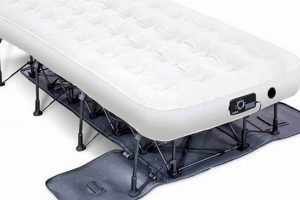
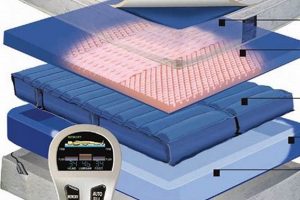
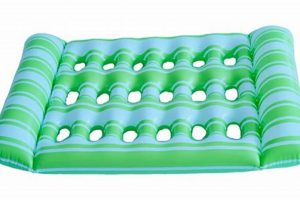
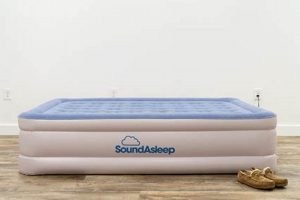
This inflatable sleeping solution is designed specifically for vehicle use, offering a comfortable and convenient rest area within the confines of a car, truck, or SUV. Its primary function is to transform the typically cramped and uneven space inside a vehicle into a flat, supportive surface suitable for sleeping. The design often incorporates features like custom sizing to fit different vehicle models and durable materials to withstand regular use and varying temperatures.
The appeal of such a product lies in its portability and ease of setup, making it ideal for camping trips, road trips, or unexpected overnight stays. This type of in-car sleeping platform circumvents the need for traditional tents or costly hotel accommodations. The benefits include cost savings, flexibility in travel plans, and enhanced comfort compared to sleeping directly on vehicle seats. The emergence of these types of automotive accessories reflects a growing trend toward vehicle-based adventure and cost-effective travel solutions.
The remainder of this article will delve into the specific features, benefits, and considerations when selecting a vehicle-specific inflatable bed. It will also provide insights into proper usage, maintenance, and potential drawbacks. Considerations for various vehicle sizes and travel styles will be addressed to provide a comprehensive understanding for potential users.
Essential Considerations for Maximizing the Performance and Longevity of Inflatable Vehicle Beds
The following tips provide guidance on the optimal use and maintenance of inflatable vehicle sleeping platforms, ensuring both comfort and extended product lifespan.
Tip 1: Thoroughly Inspect Vehicle Interior Before Inflation. Prior to inflating the bed, ensure the vehicle’s interior is free of sharp objects or debris. These items can puncture or damage the material, compromising its integrity and ability to maintain air pressure.
Tip 2: Adhere to Inflation Guidelines. Overinflation can stress the seams and material, leading to premature failure. Consult the manufacturer’s specifications for recommended pressure levels and avoid exceeding them. Use a pressure gauge for accurate inflation.
Tip 3: Utilize Protective Bedding. Employing a fitted sheet or mattress topper can protect the surface from dirt, abrasion, and body oils. This simple measure extends the product’s cleanliness and reduces wear and tear.
Tip 4: Regulate Temperature Fluctuations. Extreme temperature changes can affect air pressure. In colder conditions, the air inside may contract, requiring additional inflation. Conversely, heat can cause expansion, potentially leading to overpressure. Monitor and adjust accordingly.
Tip 5: Store Properly When Not in Use. When deflated, ensure the product is completely dry and clean before folding and storing. Use the provided storage bag or a similar container to protect it from physical damage and exposure to sunlight.
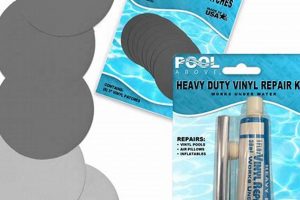
Tip 6: Address Punctures Promptly. In the event of a puncture, utilize the provided repair kit or a suitable adhesive patch to seal the hole. Delaying repairs can exacerbate the damage and render the product unusable.
Tip 7: Periodically Clean the Surface. Using a mild soap solution and a soft cloth, regularly clean the surface to remove dirt and stains. Avoid harsh chemicals or abrasive cleaners that can damage the material.
Implementing these practices will contribute to a more comfortable and durable experience with an inflatable vehicle sleeping solution. Proper care will maximize its functionality and extend its useful life, providing reliable rest during travel.
The following sections will provide further details on specific product selection and applications for various travel scenarios.
1. Vehicle-Specific Fit

The characteristic of fitting precisely within designated vehicle dimensions is paramount to the functionality and user satisfaction of this inflatable sleeping solution. This design philosophy directly addresses the variable interior spaces found across different automobile makes and models. Prioritizing vehicle-specific fit results in both maximized comfort and the secure, stable placement of the inflatable bed within the vehicle.
- Optimized Space Utilization
Tailoring dimensions to match specific vehicle interiors ensures complete use of available space. This prevents the discomfort of overhang or the instability of an ill-fitting bed. An example is a version engineered for SUVs that utilizes the cargo area’s full length and width, providing maximum sleeping surface area. The result is a more comfortable and practical sleeping arrangement.
- Enhanced Stability and Safety
A properly fitting inflatable bed minimizes movement during sleep. This translates to increased stability and reduces the risk of shifting, which could cause discomfort or even pose a safety concern. A good example of this principle at work is the custom contouring of this product to fit around wheel wells and other internal vehicle structures, which prevents unwanted sliding or tipping.
- Simplified Setup and Breakdown
Vehicle-specific designs simplify the setup process. The intended placement is intuitive, and the user doesn’t need to struggle to adjust the bed to fit within the vehicle. This is a critical feature for travelers who value efficiency and quick setup when arriving at their destination.
- Material Durability and Longevity
Durability is important in this product, and high-quality materials that are puncture-resistant are often used in order to extend its lifespan. The implementation of puncture resistant materials can withstand the day to day use and tear that comes with travel, keeping users safe when they use the luno air mattress. The durability is optimized when paired with its use in a vehicle.
The emphasis on vehicle-specific fit represents a conscious effort to provide a comfortable and practical solution for sleeping in vehicles. By accounting for the unique dimensions and contours of different vehicle interiors, these inflatable beds provide a superior alternative to generic air mattresses or makeshift sleeping arrangements.
2. Durable Materials

The operational effectiveness and longevity of the vehicle-specific inflatable bed hinge directly on the selection of durable materials. The interior of a vehicle subjects any such product to a range of potential stressors, including temperature fluctuations, abrasion from vehicle components, and concentrated weight loads. Consequently, the material composition significantly impacts the product’s ability to maintain its form, resist punctures, and provide consistent support over extended use. For example, the incorporation of reinforced PVC or similar high-strength polymers is often observed. The
se materials exhibit enhanced resistance to tearing and abrasion compared to conventional inflatable materials. This characteristic becomes particularly crucial in environments where the surface may come into contact with seatbelt buckles, plastic trim, or other potentially damaging elements.
The employment of durable materials extends beyond the primary surface of the inflatable bed. Seam construction, valve integrity, and the quality of any integrated support structures (such as I-beam designs) are equally critical. Weak seams or poorly designed valves represent points of potential failure, regardless of the overall material strength. Furthermore, materials must be selected for their resistance to degradation from UV exposure and temperature extremes, particularly when the product is stored or used frequently in direct sunlight or freezing conditions. A notable example includes multi-layer constructions incorporating a UV-resistant outer layer and a puncture-resistant inner core. This dual-layer approach maximizes protection against environmental damage and physical stress.
In summary, the selection of durable materials is not merely an aesthetic consideration but a fundamental determinant of the product’s performance, safety, and lifespan. The interplay between material strength, design integrity, and environmental resistance dictates the overall value proposition of this vehicle-specific sleeping solution. Overlooking this critical aspect can lead to premature product failure, diminished user satisfaction, and potentially unsafe sleeping conditions within the vehicle.
3. Rapid Inflation/Deflation
The speed at which a vehicle-specific inflatable bed can be inflated or deflated directly impacts its usability and convenience, serving as a crucial factor for potential users. A lengthy inflation process can be particularly burdensome after a long day of travel. Conversely, slow deflation extends the time needed to pack up the sleeping area, potentially delaying departures. Thus, rapid inflation and deflation are integral to the practical value of an in-vehicle sleeping platform. The incorporation of high-flow valves and efficient pump mechanisms enables quicker setup and takedown times. The cause-and-effect relationship is clear: faster inflation/deflation results in a more streamlined and convenient user experience.
The importance of this feature extends beyond mere convenience. In emergency situations or unexpected weather changes, the ability to quickly set up or dismantle the sleeping arrangement can be paramount. For example, consider a scenario where a traveler needs to quickly find shelter from an approaching storm. A system that can be inflated in minutes provides a faster and more comfortable alternative to searching for alternative accommodations or enduring harsh conditions. Many such sleeping solutions employ integrated electric pumps or compatibility with external air compressors to expedite the inflation process. Similarly, multi-port deflation systems allow air to escape rapidly, facilitating quicker packing.
In summary, rapid inflation and deflation are not merely desirable features, but fundamental components of a well-designed vehicle-specific inflatable bed. They directly influence the ease of use, convenience, and overall practicality of the product, impacting the user’s ability to efficiently set up and dismantle the sleeping arrangement. This translates to a more enjoyable and less stressful travel experience, especially in situations where time and convenience are of the essence.
4. Compact Storage

Compact storage is an integral design feature of a “luno air mattress,” directly influencing its practicality and appeal to users. The inflatable nature of this product inherently lends itself to space-saving storage when not in use. The ability to compress the mattress to a fraction of its inflated size is not merely a convenience; it is often a necessity, given the limited storage capacity typical of vehicles. Without a compact storage capability, the utility of the mattress would be significantly diminished, restricting its suitability for travel and outdoor adventures. For example, an air mattress designed for SUVs might need to be stowed alongside camping gear, luggage, and other essential items. Efficiently minimizing its packed dimensions is paramount to maximizing available space.
The effectiveness of the compact storage feature hinges on both the material composition and the design of the mattress. Materials that are lightweight and easily foldable contribute to a smaller packed size. Integrated straps or compression sacks further enhance the ability to minimize the mattress’s volume. Furthermore, the ease of deflation plays a crucial role; a mattress that deflates quickly and completely simplifies the packing process. Consider the example of a traveler who frequently relocates between campsites. The ability to quickly deflate, pack, and stow the mattress is essential for maintaining an efficient travel schedule. Poor compact storage design can lead to difficulties in handling the product, increasing the likelihood of damage, and deterring frequent use.
In conclusion, the “compact storage” characteristic is not simply an added benefit but a critical design element of a “luno air mattress.” It directly affects the product’s practicality, portability, and overall value proposition. A well-executed compact storage system enhances the product’s usability, making it a more appealing option for those seeking a comfortable and space-efficient sleeping solution for vehicle-based travel.
5. Enhanced Comfort

The concept of “enhanced comfort” is a cornerstone in the design and marketing of the vehicle-specific inflatable bed. It is not merely a superficial attribute but a fundamental requirement for a product intended to facilitate restful sleep within the confines of an automobile. Various design and material choices directly contribute to the overall level of comfort experienced by the user.
- Surface Material and Texture
The material in direct contact with the user’s body plays a pivotal role in comfort. Plush fabrics, such as flocked PVC or soft-touch laminates, reduce friction and minimize skin irritation. Smooth, even surfaces prevent pressure points and promote better sleep quality. Examples include mattresses with built-in pillow tops or quilted surfaces, designed to mimic the feel of a traditional bed. Conversely, a rough or uneven surface can lead to discomfort and restless sleep.
- Support and Stability
Adequate support is crucial for maintaining proper spinal alignment and preventing back pain. Internal structures, such as I-beam construction or interconnected air chambers, distribute weight evenly and minimize sagging. A stable surface reduces motion transfer, minimizing disturbances caused by movement. Mattresses with adjustable firmness settings allow users to customize the level of support to their individual preferences. Inadequate support can result in discomfort, muscle strain, and disrupted sleep.
- Temperature Regulation
The ability of the mattress to regulate temperature is a significant factor in overall comfort, especially in varying climates. Breathable
materials, such as open-cell foams or ventilated surfaces, promote airflow and prevent overheating. Some mattresses incorporate temperature-regulating technologies, such as gel-infused layers, to dissipate heat. Conversely, materials that trap heat can lead to discomfort and night sweats, particularly in warmer environments. - Noise Reduction
The noise generated by the mattress during movement can be a source of disturbance, particularly for light sleepers. Materials that minimize friction and dampen sound contribute to a quieter sleeping environment. Internal structures that prevent air pockets from shifting can also reduce noise. Mattresses with reinforced seams and thicker materials tend to be quieter than those made from thinner, more pliable materials. Excessive noise can disrupt sleep and detract from the overall comfort experience.
These facets collectively contribute to the overall perception of “enhanced comfort” associated with this vehicular sleeping solution. The selection of appropriate materials, the implementation of supportive structures, and the incorporation of temperature-regulating features all play critical roles in creating a comfortable and restful sleeping environment. Prioritizing these design elements is essential for delivering a product that meets the expectations of discerning travelers.
6. Versatile Applications

The adaptability of a “luno air mattress” beyond its primary function as a vehicular sleeping platform significantly enhances its value proposition. The scope of applications extends to various scenarios where a portable, comfortable, and easily deployable sleeping surface is beneficial.
- Emergency Bedding
In situations such as power outages, natural disasters, or unexpected guest arrivals, the vehicular mattress can serve as a readily available temporary bed. Its ease of inflation and compact storage allow for quick deployment in emergency situations, providing a degree of comfort and security when conventional bedding options are unavailable. Real-world examples include usage during prolonged power outages caused by severe weather, where families utilize the mattress for comfortable sleeping arrangements within their homes. The implication is enhanced preparedness for unforeseen circumstances.
- Camping and Outdoor Activities
Beyond its intended use in vehicles, the mattress can function as a supplemental sleeping surface for camping, especially in situations where ground conditions are uneven or uncomfortable. Its durability and portability make it suitable for placement inside tents or under the stars, providing an elevated and cushioned sleeping platform. Examples include campers using the mattress in conjunction with a tent during multi-day hiking trips. The resulting benefit is improved sleep quality in outdoor environments.
- Road Trip Rest Stops
Long-distance road trips often necessitate rest stops where drivers and passengers seek a brief respite. The mattress offers a convenient solution for creating a comfortable sleeping space within the vehicle, allowing for quick naps and enhanced relaxation during travel. Examples include families on cross-country journeys utilizing the mattress during highway rest area stops. The outcome is reduced driver fatigue and improved safety during extended travel.
- Home Use for Temporary Guests
When hosting temporary guests, the mattress provides a readily available sleeping solution without requiring dedicated guest room space. Its portability and ease of setup make it suitable for use in living rooms, dens, or other flexible spaces. Examples include individuals using the mattress to accommodate visiting family members or friends during holidays. The consequence is enhanced hospitality and convenience for both hosts and guests.
These diverse applications illustrate that this automotive accessory transcends its original purpose, evolving into a versatile tool for comfort and convenience across a spectrum of situations. Its ability to adapt to various environments and scenarios underscores its potential as a practical asset for both travel and domestic use.
Frequently Asked Questions Regarding Vehicle-Specific Inflatable Beds
The following section addresses common inquiries and concerns regarding vehicle-specific inflatable beds, providing detailed answers to assist in informed decision-making.
Question 1: What is the typical lifespan one can expect from a vehicle-specific inflatable bed?
The lifespan of such a product is heavily contingent upon usage frequency, care, and the quality of materials. High-quality models, constructed from durable materials and properly maintained, can provide several years of reliable service. However, frequent use in harsh conditions or improper storage can significantly reduce the lifespan.
Question 2: Is it possible to repair punctures in a vehicle-specific inflatable bed?
Yes, most products include a repair kit containing adhesive patches. Small punctures can typically be repaired effectively using these kits. Larger tears or damage to seams may require professional repair or replacement of the unit.
Question 3: What safety precautions should be observed when using this type of bed in a vehicle?
It is imperative to ensure the vehicle is parked on a level surface and that the bed is securely positioned to prevent shifting. Carbon monoxide detectors should be used when sleeping in an enclosed vehicle. Never operate the vehicle while the bed is inflated and occupied.
Question 4: How does temperature affect the inflation level of this type of bed?
Temperature fluctuations can significantly impact air pressure. Colder temperatures will cause the air inside the bed to contract, requiring additional inflation. Warmer temperatures will cause the air to expand, potentially leading to overinflation and damage. Regular monitoring and adjustment of the inflation level are recommended.
Question 5: What are the best practices for cleaning a vehicle-specific inflatable bed?
A mild soap solution and a soft cloth are generally sufficient for cleaning the surface. Harsh chemicals or abrasive cleaners should be avoided, as they can damage the material. The bed should be thoroughly dried before storing to prevent mold or mildew growth.
Question 6: Are these beds suitable for all vehicle types?
Vehicle-specific models are designed to fit particular makes and models. Generic options may offer broader compatibility, but a precise fit is crucial for safety and comfort. Consult the manufacturer’s specifications to ensure compatibility with the intended vehicle.
These FAQs provide essential guidance for the effective and safe use of vehicle-specific inflatable beds. Proper care, maintenance, and adherence to safety precautions are paramount for maximizing the lifespan and utility of the product.
The subsequent section will present comparisons between different models and brands, offering insights into the features and benefits of each.
Luno Air Mattress
This exploration has dissected the core attributes of the vehicle-specific inflatable bed, emphasizing its design considerations, material composition, and multifaceted applications. The analysis highlighted the critical roles of vehicle-specific fit, durable materials, rapid inflation/deflation mechanisms, compact storage capabilities, enhanced comfort features, and versatile utility beyond vehicular use. Furthermore,
the article addressed frequently asked questions regarding lifespan, repair, safety, temperature effects, cleaning practices, and vehicle compatibility. Each element contributes to the overall value proposition of this automotive accessory.
The enduring relevance of solutions like this depends on continued innovation in material science, design optimization, and user-centric functionality. As vehicle-based travel and flexible sleeping arrangements gain traction, the demands for durable, comfortable, and easily deployable sleeping platforms will likely intensify. The future success hinges on an unwavering commitment to quality, safety, and adaptability to evolving consumer needs and environmental considerations.