Air mattresses, inflatable beds designed for temporary sleeping arrangements, often experience a gradual decrease in air pressure over time. This phenomenon, commonly observed in these types of mattresses, is due to a combination of factors affecting their structural integrity and airtight seals. A common concern with air mattresses is their tendency to deflate, sometimes unexpectedly.
Maintaining consistent air pressure is crucial for providing adequate support and comfort. Gradual or sudden deflation not only diminishes the quality of sleep but can also render the mattress unusable. Understanding the reasons behind air loss is essential for proper maintenance, timely repairs, and ultimately, extending the lifespan of the inflatable bed. This knowledge is also important for informed purchasing decisions.
The following sections will explore the primary causes of air leakage, including punctures and abrasions, valve malfunctions, material permeability, temperature fluctuations, and seam weaknesses. Each of these aspects contributes to the overall rate at which an air mattress might require reinflation. Addressing these issues proactively can significantly improve the user experience.
Addressing Air Loss in Inflatable Mattresses
The following tips provide guidance on minimizing air loss and maximizing the lifespan of an air mattress, ensuring consistent comfort and support during use.
Tip 1: Conduct Regular Inspections: Routinely examine the mattress surface for visible punctures, abrasions, or tears. Pay close attention to areas prone to wear, such as seams and edges. Early detection allows for prompt repair, preventing further air leakage.
Tip 2: Ensure Proper Valve Closure: Verify that the inflation valve is securely closed and sealed after inflation. A loose or improperly sealed valve is a common source of slow leaks. Consider using the valve cap or plug if provided, or replace the valve if damaged.
Tip 3: Protect Against Sharp Objects: Place the air mattress on a smooth, debris-free surface to minimize the risk of punctures. Utilize a protective layer, such as a blanket or mattress topper, between the air mattress and the floor or bedding to provide an additional barrier.
Tip 4: Moderate Environmental Temperature: Avoid exposing the air mattress to extreme temperature fluctuations. Significant temperature changes can cause the air inside to expand or contract, potentially stressing seams and valves, and leading to air loss. Maintain a stable room temperature whenever possible.
Tip 5: Avoid Over-Inflation: Inflate the air mattress to the recommended level, avoiding over-inflation. Over-inflation can stretch the material beyond its capacity, weakening seams and increasing the likelihood of leaks. Refer to the manufacturer’s instructions for optimal inflation levels.
Tip 6: Store Properly When Not in Use: Deflate and carefully fold the air mattress when not in use, following the manufacturer’s recommendations. Store it in a cool, dry place away from direct sunlight and sharp objects. Proper storage helps maintain the integrity of the material and prevents damage.
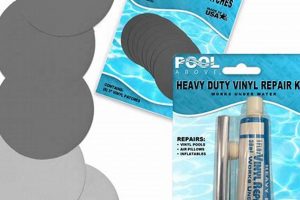
Tip 7: Apply Patch Kits for Minor Leaks: Utilize a commercially available patch kit to repair small punctures or tears. Follow the instructions carefully, ensuring the area is clean and dry before applying the patch. Properly applied patches can effectively seal leaks and extend the life of the mattress.
Implementing these preventative measures significantly reduces the probability of air loss, contributing to a more reliable and comfortable sleeping experience. Consistent application of these tips extends the functional lifespan of inflatable mattresses.
With a clear understanding of the causes and preventative measures, individuals can better manage and mitigate the potential for air loss, ensuring that the air mattress remains a dependable solution.
1. Material Permeability
Material permeability represents a fundamental factor in the gradual air loss observed in inflatable mattresses. The inherent characteristics of the materials used in construction dictate the rate at which air molecules can diffuse through the mattress walls. This phenomenon is distinct from air loss caused by punctures or valve failures.
- Polymer Structure and Air Diffusion
Air mattresses are typically constructed from polymeric materials, such as polyvinyl chloride (PVC) or thermoplastic polyurethane (TPU). These materials, while flexible and relatively airtight, possess a microscopic structure that allows for the slow passage of air molecules. The rate of diffusion is influenced by the polymer’s density, chain arrangement, and the presence of additives. Materials with lower densities or less tightly packed chains exhibit higher permeability.
- Thickness and Material Composition
The thickness of the mattress material plays a crucial role in mitigating permeability. Thicker materials provide a greater barrier to air diffusion, slowing down the rate of air loss. Similarly, the specific formulation of the polymer compound affects permeability. Some formulations incorporate additives designed to reduce air passage, enhancing the mattress’s ability to retain air over extended periods.
- Influence of Environmental Factors
Environmental conditions, such as temperature and humidity, can influence material permeability. Elevated temperatures generally increase the rate of diffusion, as air molecules possess higher kinetic energy. High humidity levels can also affect the polymer structure, potentially increasing permeability. Storing air mattresses in controlled environments can help minimize the impact of these factors.
- Material Degradation Over Time
Repeated inflation and deflation cycles, as well as exposure to ultraviolet (UV) radiation, can lead to polymer degradation. This degradation weakens the material structure, increasing its permeability and accelerating air loss. Proper storage and maintenance practices can help slow down this degradation process and extend the lifespan of the air mattress.
In summary, material permeability is an inherent property of the materials used in air mattress construction, directly contributing to the gradual reduction in air pressure over time. Factors such as polymer structure, material thickness, environmental conditions, and material degradation all influence the rate of diffusion. Understanding these aspects is crucial for manufacturers seeking to improve air retention and for consumers aiming to prolong the usability of their inflatable mattresses.
2. Valve Integrity

Valve integrity is paramount in maintaining the air pressure within an inflatable mattress. The valve assembly serves as the primary barrier against air escapin
g from the mattress chamber. Compromised valve integrity directly contributes to air loss, undermining the functionality of the mattress. This section details the key facets of valve integrity and its impact on air retention.
- Valve Seat Sealing
The valve seat, the area where the valve core makes contact with the valve body, must create an airtight seal to prevent leakage. Debris, wear, or manufacturing defects can compromise this seal. For instance, a small particle lodged between the valve core and seat may create a pathway for air to escape. Regularly inspecting and cleaning the valve seat is critical for maintaining a secure seal and preventing air loss.
- Valve Core Functionality
The valve core, typically a spring-loaded mechanism, controls the flow of air in and out of the mattress. A malfunctioning core can allow air to leak, even when the valve is ostensibly closed. Corrosion, spring fatigue, or damage to the rubber seal within the core can lead to failure. Replacing the valve core, if possible, can restore the valve’s sealing ability and prevent further air loss.
- Valve Body Connection
The valve body must be securely attached to the mattress material to create an airtight connection. Poor adhesion, tears in the surrounding material, or degradation of the adhesive can compromise this connection, resulting in leaks. Regular inspection of the valve body and the adjacent mattress material is essential to identify and address potential points of air escape. Reinforcing the connection with appropriate adhesives or patches may be necessary to restore the valve’s integrity.
- Valve Cap Seal
Many air mattresses include a valve cap designed to provide an additional layer of sealing. This cap, when properly tightened, presses against the valve core, further securing the seal. A damaged or improperly tightened cap can negate this benefit, allowing air to leak. Ensuring the cap is in good condition and properly tightened is a simple but effective measure to minimize air loss. A missing or damaged cap should be replaced promptly to maintain valve integrity.
The integrity of each valve componentthe seat, core, body connection, and capplays a crucial role in preventing air leakage from inflatable mattresses. Addressing any deficiencies in these areas through regular inspection, maintenance, and timely repairs is essential for maintaining air pressure and ensuring the continued usability of the mattress. Neglecting valve maintenance can lead to gradual or rapid deflation, compromising the mattress’s intended function.
3. Punctures and Abrasions
Punctures and abrasions represent a primary cause of air loss in inflatable mattresses. The structural integrity of the mattress, designed to contain pressurized air, is directly compromised by any breach in its outer layer. A puncture, characterized as a sharp penetration of the material, creates a direct pathway for air to escape. Abrasions, resulting from friction against rough surfaces, thin the mattress material, weakening its ability to withstand internal pressure and eventually leading to air leakage.
The location and size of these breaches significantly impact the rate of air loss. A small puncture may result in a gradual decrease in air pressure over several hours, while a larger tear can lead to rapid deflation. Common causes include contact with sharp objects on the floor or bedding, such as splinters, staples, or protruding springs. Abrasions are frequently observed on the underside of the mattress due to repeated contact with the floor surface, particularly if the surface is uneven or contains abrasive elements. The significance of these issues lies in the potential for complete mattress failure, rendering it unusable without repair. For example, dragging the air mattress across a concrete floor often creates small abrasions that progressively weaken the material until a noticeable leak develops. Understanding that these physical damages lead to air leaks enables users to take preventive measures.
Minimizing exposure to sharp objects and abrasive surfaces is crucial for prolonging the lifespan of an inflatable mattress. Utilizing a protective layer, such as a mattress topper or thick blanket, can provide a buffer against potential punctures and abrasions. Regular inspection of the mattress surface for any signs of damage allows for prompt repair, preventing minor issues from escalating into major air leaks. Addressing these concerns proactively is vital for maintaining consistent air pressure and ensuring the long-term usability of the air mattress. Ignoring small imperfections can lead to bigger problems, emphasizing the necessity of regular care and maintenance. Therefore, knowledge of how punctures and abrasions contribute to air loss reinforces the need for preventative strategies.
4. Seam Weakness

Seam weakness in air mattresses constitutes a critical factor contributing to gradual or rapid air loss. The seams, which join sections of the mattress material, are inherently vulnerable points in the structure. Deficiencies in seam construction or degradation over time can compromise their integrity, leading to air leakage and diminished mattress performance.
- Manufacturing Defects
Manufacturing defects during the sealing process can create inherent weaknesses within the seams. Insufficient heat sealing, inadequate adhesive application, or misalignment of material layers during assembly can result in imperfect bonds. These defects may not be immediately apparent but can weaken the seam’s resistance to pressure, leading to eventual air leakage. An example is inconsistent heat application during sealing, leading to incomplete fusion of the materials, reducing seam strength.
- Material Degradation at Seams
The materials used in air mattress construction are subject to degradation over time, particularly at the seams. Repeated inflation and deflation cycles, as well as exposure to environmental factors such as UV radiation and temperature fluctuations, can weaken the material. The seams, being points of stress concentration, are often the first areas to exhibit signs of degradation. This degradation can manifest as cracking, peeling, or separation of the materials, compromising the seam’s airtightness. Continuous folding and unfolding along a seam line, for example, stresses that region and accelerates wear.
- Stress Concentration
Seams are locations where stress is concentrated when the air mattress is inflated. The internal pressure exerted on the mattress material is distributed unevenly, with seams bearing a disproportionate amount of force. This stress concentration can exacerbate existing weaknesses in the seam or accelerate the development of new ones. Areas of higher pressure, such as corners or edges of the mattress, may experience greater stress concentration, increasing the likelihood of seam failure.
- Repair Challenges
Repairing seam weaknesses can be challenging due to the intricate nature of the construction and the difficulty in achieving a durable, airtight seal. Traditional patching methods may not be effective in restoring the seam’s integrity, particularly if the damage is extensive or located in a high-stress area. Specialized adhesives or heat-sealing techniques may be required to ensure a reliable repair. Improper
repairs can further compromise the seam and lead to recurring air loss. In short, repairing compromised seams are sometimes difficult to do and are not lasting.
The vulnerability of air mattress seams to manufacturing defects, material degradation, stress concentration, and repair challenges directly impacts the issue of air loss. Addressing these factors through improved manufacturing processes, more durable materials, and effective repair techniques is essential for enhancing the longevity and performance of inflatable mattresses. The integrity of the seams ultimately dictates the mattress’s ability to maintain air pressure, affecting its overall utility and user satisfaction.
5. Temperature Variance

Temperature variance significantly affects the internal pressure of air mattresses and contributes to air loss. The principles of thermodynamics dictate that gas volume changes proportionally with temperature fluctuations. Consequently, inflatable mattresses are susceptible to pressure variations and potential leakage when exposed to differing thermal conditions.
- Ideal Gas Law and Volume Change
The ideal gas law (PV=nRT) demonstrates the direct relationship between temperature (T) and volume (V) of a gas at constant pressure (P) and amount of substance (n). When temperature rises, the gas inside the mattress expands, increasing internal pressure. Conversely, a decrease in temperature causes the gas to contract, reducing pressure. If the initial inflation level is near the mattress’s maximum capacity, a subsequent temperature increase can overstress the seams or valve, leading to leaks. For instance, an air mattress inflated indoors and then moved outdoors on a hot day will experience increased pressure, potentially causing seam rupture.
- Material Expansion and Contraction
The materials used in air mattress construction, typically PVC or similar polymers, also exhibit thermal expansion and contraction. While the expansion coefficient of these materials is lower than that of air, significant temperature changes can still impact the tightness of seals around the valve or seams. Differential expansion between the mattress material and the valve components can create minute gaps, facilitating air leakage. A cold environment will cause the mattress material to contract, possibly loosening the valve seal and resulting in a slow leak overnight.
- Diurnal Temperature Cycles
Daily temperature cycles, especially in environments without climate control, create recurring stress on air mattresses. The expansion and contraction of the air within the mattress place cyclical loads on the seams and valve, accelerating wear and tear. Over time, this repeated stress can weaken these critical areas, increasing the likelihood of air loss. For example, in a camping scenario, an air mattress may experience significant temperature swings between daytime heat and nighttime cold, leading to cumulative damage to the seams.
- Altitude and Temperature Effects
Changes in altitude can indirectly affect air mattress pressure through temperature variations. Higher altitudes typically experience lower temperatures, leading to a decrease in air pressure within the mattress. Additionally, moving an air mattress from a lower altitude to a higher altitude without adjusting the inflation level can result in under-inflation due to the atmospheric pressure difference. A mattress inflated at sea level and then used in a mountain cabin will lose some of its firmness due to the combined effects of lower temperature and reduced atmospheric pressure.
In summary, temperature variance introduces a complex interplay of factors that directly influence air retention in air mattresses. From the fundamental principles of gas behavior to the material properties and environmental conditions, temperature fluctuations can induce pressure changes, material stress, and ultimately, air leakage. Understanding these connections is crucial for proper maintenance and usage, particularly in environments with significant temperature swings, extending the useful life of the inflatable mattress.
6. Over-Inflation
Over-inflation represents a significant contributor to air loss in inflatable mattresses, exerting undue stress on the structural components and accelerating material fatigue. Exceeding the recommended inflation level compromises the mattress’s integrity, increasing the susceptibility to leaks and reducing its overall lifespan.
- Stress on Seams
Exceeding the recommended air pressure places excessive tension on the seams, the bonded junctions between mattress panels. These seams are often the weakest points in the structure. Over-inflation stretches the material beyond its design limits, weakening the adhesive or heat seals that hold the seams together. Repeated over-inflation can lead to seam separation, resulting in significant and often irreparable air leaks. A seam that is rated to withstand a certain pressure may fail prematurely when consistently subjected to pressures beyond its specification due to over-inflation.
- Material Fatigue
The materials used in air mattress construction, typically PVC or similar polymers, exhibit elastic properties up to a certain stress threshold. Over-inflation stretches these materials beyond their elastic limit, causing plastic deformation. This deformation weakens the material structure, reducing its ability to return to its original shape. Over time, repeated over-inflation leads to cumulative material fatigue, increasing the likelihood of punctures, tears, and general air loss. This is akin to repeatedly bending a metal wire; eventually, it weakens and breaks.
- Valve Damage
The inflation valve, designed to regulate airflow into and out of the mattress, can be damaged by over-inflation. Excessive pressure can distort the valve seat, preventing a tight seal and causing air to leak around the valve stem. In some cases, over-inflation can even rupture the valve assembly, rendering it completely ineffective. For example, the plastic components of a valve can crack or deform when consistently exposed to excessive pressure, leading to air leakage.
- Compromised Comfort and Support
While seemingly counterintuitive, over-inflation can actually reduce the comfort and support provided by an air mattress. An over-inflated mattress becomes excessively firm and rigid, failing to conform to the body’s contours. This can lead to pressure points and discomfort, negating the intended benefits of a flexible sleeping surface. Additionally, an over-inflated mattress is more prone to rolling or instability, further detracting from the sleeping experience. Instead of conforming to the body, the mattress will act more like a hard surface, therefore creating pressure points.
These interconnected consequences of over-inflation underscore its detrimental impact on air mattress longevity and performance. By understanding these mechanisms, users can avoid over-inflating their mattresses, thereby minimizing the risk of air loss and prolonging the mattress’s useful life. Adhering to the manufacturer’s recommended inflation levels is critical for maintaining the structural integrity, comfort, and support provided by an air mattress.
Frequently Asked Questions
The following section addresses co
mmon inquiries regarding the reasons inflatable mattresses experience a reduction in air pressure over time. The objective is to provide clarity on the contributing factors and offer guidance on preventative measures.
Question 1: What are the primary reasons inflatable mattresses lose air?
Air loss from inflatable mattresses stems from a combination of factors, including material permeability, valve leakage, punctures, seam weaknesses, and temperature fluctuations. The relative contribution of each factor varies depending on mattress construction, usage patterns, and environmental conditions.
Question 2: Can temperature changes affect air mattress pressure?
Yes, temperature significantly impacts air mattress pressure. As temperature increases, the air inside expands, raising the internal pressure. Conversely, lower temperatures cause the air to contract, reducing pressure. These fluctuations can stress seams and valves, potentially leading to leaks.
Question 3: How does material permeability contribute to air loss?
Inflatable mattresses are typically constructed from polymeric materials that exhibit a degree of permeability. Air molecules can slowly diffuse through the mattress material over time, resulting in a gradual decrease in pressure. The rate of diffusion is influenced by the polymer’s composition, thickness, and environmental conditions.
Question 4: What steps can be taken to minimize air loss from an inflatable mattress?
Several measures can help minimize air loss. These include conducting regular inspections for punctures, ensuring proper valve closure, protecting the mattress from sharp objects, moderating environmental temperature, avoiding over-inflation, and storing the mattress properly when not in use.
Question 5: Are all air mattresses equally prone to air loss?
No, the susceptibility to air loss varies among air mattresses. Factors such as material quality, construction techniques, valve design, and overall durability influence air retention. Higher-quality mattresses typically exhibit lower rates of air loss compared to less expensive models.
Question 6: Is it possible to repair a leaking air mattress?
Yes, minor leaks in inflatable mattresses can often be repaired using commercially available patch kits. However, the success of the repair depends on the size and location of the leak, as well as the quality of the patching materials and technique. Significant damage or seam failures may be difficult or impossible to repair effectively.
Understanding the various factors contributing to air loss, coupled with proactive maintenance practices, enhances the user experience and maximizes the lifespan of the inflatable mattress.
The next section will provide a conclusion to the article.
Understanding Inflatable Mattress Deflation
This exploration of why do air mattress lose air has revealed a multifaceted issue rooted in material properties, design limitations, and environmental factors. Material permeability, valve integrity, punctures, seam weaknesses, temperature variance, and over-inflation each contribute to the gradual or sudden deflation experienced by these inflatable beds. Recognizing these individual factors is crucial for both manufacturers seeking to improve product design and consumers aiming to prolong the lifespan of their mattresses.
The inherent nature of inflatable mattresses dictates a degree of air loss over time. However, diligent maintenance, careful usage, and informed purchasing decisions can mitigate these effects. A proactive approach to inspection and care will enhance the utility and comfort provided by inflatable mattresses, acknowledging the inevitability of air loss while minimizing its impact. Continued advancements in materials science and manufacturing processes offer the potential for future improvements in air retention, furthering the practicality and convenience of inflatable sleeping solutions.