The issue of air leakage in inflatable mattresses is a common concern, often stemming from factors like punctures, valve malfunctions, temperature fluctuations, or material degradation. Effective prevention and mitigation strategies can significantly extend the lifespan and usability of these mattresses. For example, a slow leak may render a mattress unusable over the course of a night, disrupting sleep.
Addressing and preventing air loss is vital for ensuring comfort and support during use. This is particularly important for camping, guest accommodations, or temporary bedding solutions. Historically, materials and manufacturing techniques have evolved to improve air retention, but user awareness and proactive maintenance remain crucial for optimal performance.
The following sections will detail specific methods for detecting leaks, addressing valve issues, employing protective measures, and implementing proper storage techniques to minimize air loss in inflatable mattresses.
Strategies for Maintaining Air Retention in Inflatable Mattresses
The following are proven methods to maximize air retention and extend the usability of inflatable mattresses. Consistent application of these strategies will contribute to a more reliable and comfortable sleep surface.
Tip 1: Conduct Regular Inspections: Prior to each use, visually examine the mattress surface for potential punctures, tears, or abrasions. Pay particular attention to seams and areas that experience high stress.
Tip 2: Employ a Protective Barrier: Use a fitted sheet or mattress protector to shield the inflatable mattress from sharp objects, dirt, and friction. This physical barrier minimizes the risk of punctures and abrasions.
Tip 3: Regulate Inflation Levels: Avoid over-inflation, as excessive pressure can stress seams and valves, increasing the likelihood of leaks. Adhere to the manufacturer’s recommended inflation level.
Tip 4: Address Valve Issues Promptly: Ensure the valve is properly sealed after inflation. If the valve appears damaged or is not sealing correctly, replace it immediately with a compatible replacement part.
Tip 5: Minimize Temperature Fluctuations: Significant temperature changes can affect air pressure within the mattress. Avoid exposing the mattress to extreme heat or cold, as this can cause expansion and contraction, leading to leaks or seam damage.
Tip 6: Select a Suitable Location: Place the air mattress on a smooth, debris-free surface to prevent accidental punctures. Avoid areas with sharp objects or uneven terrain.
Tip 7: Store Properly When Not in Use: When not in use, deflate the mattress completely, fold it neatly, and store it in a dry, temperature-controlled environment. This will prevent mildew and material degradation.
Consistently applying these preventive measures will substantially reduce the incidence of air leakage, resulting in a more durable and reliable inflatable mattress.
The final section will discuss advanced repair techniques and long-term maintenance strategies to further prolong the life of inflatable mattresses.
1. Leak Detection
The effectiveness of strategies designed to maintain air pressure in inflatable mattresses is fundamentally dependent on the timely and accurate detection of leaks. Undetected leaks, regardless of size, will inevitably lead to gradual or rapid deflation, negating any other preventative measures. The relationship is causal: a leak is the source of deflation, and its detection is the initial step in preventing or mitigating further air loss. Identifying breaches in the mattress material or valve system is, therefore, paramount.
Practical examples underscore this connection. A pinhole leak, initially imperceptible, can escalate from a minor inconvenience to complete deflation overnight. Conversely, a quick and methodical inspection, coupled with the application of soapy water to suspect areas, can reveal these subtle leaks, allowing for prompt repair. The ability to locate and repair such damage directly translates to prolonged mattress usability and reduced air loss. This preventative maintenance is especially critical in scenarios where a reliable sleeping surface is essential, such as camping or accommodating guests.
In summary, diligent leak detection is not merely a procedural step but an indispensable component in the comprehensive strategy. While other techniques such as valve maintenance and surface protection contribute to overall air retention, their efficacy is contingent upon addressing the fundamental problem of air leakage through timely detection and subsequent repair. Without this proactive approach, even the most robust preventative measures will ultimately prove insufficient.
2. Valve Integrity

Valve integrity is a critical component in maintaining air retention in inflatable mattresses. A malfunctioning or compromised valve serves as a direct pathway for air leakage, rendering other preventative measures largely ineffective. The valve’s primary function is to create an airtight seal, preventing air from escaping after inflation. Damage, wear, or improper sealing directly compromises this function, leading to gradual or rapid deflation. The correlation is evident: a damaged valve is a primary cause of air mattress deflation.
Consider a scenario where an air mattress is inflated to the optimal pressure but the valve seal is compromised due to debris or minor cracking. Over time, air will slowly escape through this imperfect seal, resulting in a loss of firmness and support. Similarly, repeated use or improper handling can cause the valve components to degrade, leading to a less effective seal. Regularly inspecting and maintaining the valve, including cleaning it and ensuring a proper fit, are essential steps in preventing air loss. Replacing a damaged valve with a compatible replacement part is often necessary to restore full functionality and prevent continued deflation.
In conclusion, valve integrity represents a crucial element in the overall strategy for maintaining air pressure in inflatable mattresses. While preventative measures such as puncture protection and temperature regulation contribute to overall air retention, their effectiveness is contingent on the valve’s ability to maintain an airtight seal. Addressing valve issues promptly and ensuring its proper function are paramount for a durable and reliable inflatable mattress.
3. Surface Protection
Surface protection plays a pivotal role in preserving the integrity of inflatable mattresses, directly impacting their ability to maintain air pressure. Th
e external surface is the primary interface with the environment, rendering it susceptible to punctures, abrasions, and other forms of damage that compromise the airtight seal. Proper surface protection acts as a barrier, mitigating these risks and contributing significantly to the mattress’s longevity and air retention capabilities.
- Physical Barriers
The implementation of physical barriers, such as fitted sheets, mattress protectors, and durable ground covers, represents a fundamental form of surface protection. These barriers shield the mattress material from direct contact with abrasive surfaces, sharp objects, and potential contaminants. For example, placing an inflatable mattress directly on a rough floor or ground increases the risk of punctures. A fitted sheet, or better yet a padded mattress protector, provides an added layer of defense against such hazards. Failure to employ these barriers directly increases the likelihood of air leakage.
- Material Selection for Placement
The choice of location for the inflatable mattress significantly influences its exposure to potential damage. Placing the mattress on a smooth, debris-free surface minimizes the risk of punctures and abrasions. Conversely, positioning it on uneven terrain, near sharp objects, or in high-traffic areas elevates the risk of damage. Careful consideration of the surrounding environment is essential for mitigating potential threats to the mattress surface. The presence of even small, seemingly insignificant objects can compromise the mattress’s airtight integrity over time.
- Protection During Storage
Surface protection extends beyond active use and encompasses proper storage practices. When deflated and stored, the mattress surface remains vulnerable to damage. Folding the mattress improperly or storing it in contact with abrasive materials can lead to creases, abrasions, and potential punctures. Utilizing a dedicated storage bag or container, and ensuring the surrounding environment is free from sharp objects, is crucial for preserving the surface integrity during periods of inactivity. Neglecting this aspect can lead to premature degradation and subsequent air leakage when the mattress is next used.
- Regular Cleaning and Maintenance
Periodic cleaning of the mattress surface is essential for removing dirt, debris, and potential contaminants that can contribute to material degradation. Using a mild cleaning solution and a soft cloth to wipe down the surface helps maintain its integrity and prevent the build-up of abrasive particles that can cause wear over time. Regular inspections for signs of damage, such as small tears or abrasions, allow for timely repairs, preventing minor issues from escalating into significant air leaks. Consistent maintenance contributes to the long-term preservation of the mattress surface and its air-retention capabilities.
In summary, proactive surface protection measures are indispensable for safeguarding the structural integrity of inflatable mattresses and maintaining their air-retention capabilities. The consistent application of physical barriers, careful site selection, diligent storage practices, and regular cleaning contribute synergistically to prolonging the lifespan of the mattress and minimizing the risk of air loss. The omission of any of these protective measures elevates the potential for surface damage and subsequent deflation, underscoring their collective importance.
4. Inflation Control

The practice of inflation control is directly linked to maintaining air pressure within inflatable mattresses and preventing deflation. Over-inflation stresses the mattress’s seams and material, increasing the likelihood of leaks. Conversely, under-inflation results in inadequate support and can also lead to premature wear and tear as the mattress conforms excessively to the underlying surface. The connection is causal: improper inflation directly influences the structural integrity and, consequently, the air retention capability of the mattress.
Adhering to the manufacturer’s recommended inflation level is paramount for effective inflation control. This information is typically provided in the product manual or printed directly on the mattress. Using a pump with a pressure gauge allows for precise inflation, minimizing the risk of over- or under-inflation. For instance, an air mattress inflated beyond its recommended pressure can experience weakened seams due to excessive stretching. This can result in small, almost imperceptible leaks that gradually deflate the mattress over time. Similarly, an under-inflated mattress provides insufficient support, causing it to sag and potentially rub against the floor, leading to abrasion and eventual punctures. These examples highlight the practical significance of inflation control as a preventative measure against deflation.
In summary, precise inflation control, based on adherence to manufacturer specifications, is critical for maintaining the structural integrity and air retention capabilities of inflatable mattresses. This practice directly mitigates the risks associated with over- or under-inflation, thereby prolonging the mattress’s lifespan and ensuring a consistently supportive and comfortable sleeping surface.
5. Temperature Stability

Temperature stability is intrinsically linked to the consistent air pressure within inflatable mattresses. Air, as a gas, expands when heated and contracts when cooled, resulting in corresponding pressure fluctuations within the sealed environment of the mattress. Significant temperature variations can thus lead to over-expansion, stressing seams and potentially causing leaks, or contraction, resulting in a perceived loss of air and reduced support. Maintaining temperature stability is therefore a critical element in preserving air retention and overall mattress integrity.
Consider a scenario where an inflatable mattress is used outdoors, exposed to direct sunlight during the day and then subjected to cooler nighttime temperatures. The daytime heat causes the air inside the mattress to expand, increasing the internal pressure and potentially weakening the seams. As temperatures drop at night, the air contracts, leading to a decrease in pressure and a softer mattress feel. This repeated cycle of expansion and contraction accelerates material fatigue and increases the likelihood of leaks. Similarly, storing an inflatable mattress in an uninsulated attic or garage, where temperatures fluctuate widely, can have a detrimental effect on its air retention capability. Conversely, using the mattress in a climate-controlled environment with minimal temperature swings helps maintain consistent air pressure and prolong its lifespan.
In conclusion, temperature stability represents a crucial factor in ensuring the long-term air retention of inflatable mattresses. Minimizing exposure to extreme temperature variations, whether through environmental control or strategic placement and storage, directly contributes to maintaining consistent air pressure and preventing premature material degradation. Understanding and addressing this temperature sensitivity is an essential component of a comprehensive strategy for maximizing the usability and lifespan of inflatable mattresses.
6. Proper Storage

Proper storage is a critical factor influencing the longevity and air-retention capabilities of inflatable mattresses. Implementing correct storage protocols minimizes physical damage, material degradation, and environmental exposure, directly impacting the mattress’s ability to maintain inflation over extended periods of disuse.
- Complete Deflation
Prior to storage, the inflatable mattress must be fully deflated. Residual air can exert pressure on the seams and material, leading to stretching and eventual weakening. Compressing a partially inflated mattress can create stress points, predisposing the material to punctures or tears. Complete deflation relieves this pressure, minimizing the risk of damage during storage.
- Thorough Cleaning and Drying
Contaminants such as dirt, moisture, and mildew can degrade the mattress material during storage. Thorough cleaning with a mild detergent and water, followed by complete drying, prevents the growth of mold and mildew and removes abrasive particles that can cause wear. Allowing the mattress to dry completely before storage is paramount to prevent material breakdown and unpleasant odors.
- Appropriate Folding Techniques
Improper folding can create sharp creases and stress points, weakening the material along the fold lines. Rolling the mattress tightly, or using a designated folding pattern recommended by the manufacturer, distributes pressure more evenly and minimizes the risk of damage. Avoid folding the mattress along the same lines repeatedly, as this can accelerate material fatigue.
- Protective Storage Containers and Environment
Storing the deflated mattress in a dedicated storage bag or container protects it from physical damage, pests, and environmental elements. The storage environment should be dry, temperature-controlled, and free from sharp objects or abrasive surfaces. Exposure to extreme temperatures, direct sunlight, or damp conditions can accelerate material degradation and compromise the mattress’s airtight seal. A protective container, such as a durable canvas bag, provides an additional layer of defense against these factors.
In conclusion, diligent application of proper storage techniques is essential for maximizing the lifespan and air-retention capabilities of inflatable mattresses. Complete deflation, thorough cleaning and drying, appropriate folding techniques, and protective storage containers and environments work synergistically to minimize the risk of physical damage, material degradation, and environmental exposure, thereby ensuring the mattress remains in optimal condition for future use.
Frequently Asked Questions
The following questions and answers address common concerns and misconceptions regarding the preservation of air pressure in inflatable mattresses. This information aims to provide clarity and practical guidance for optimal mattress maintenance.
Question 1: What are the most common causes of air leakage in inflatable mattresses?
Air leakage frequently results from punctures caused by sharp objects, valve malfunctions due to wear or debris, seam separation due to over-inflation or material fatigue, and temperature-induced pressure fluctuations leading to stress on the material.
Question 2: How can a user effectively detect a slow leak in an inflatable mattress?
A methodical inspection of the entire mattress surface, combined with the application of a soapy water solution to suspect areas, is recommended. The formation of small bubbles indicates the presence of a leak. Listen closely for hissing sounds as well.
Question 3: Is it possible to repair a puncture in an inflatable mattress, and what materials are required?
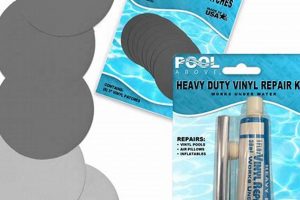
Small punctures can often be repaired with a vinyl repair kit, typically including adhesive patches. The affected area should be cleaned and dried thoroughly before applying the patch, ensuring a secure bond.
Question 4: What measures can be taken to prevent valve leakage in inflatable mattresses?
Regularly inspect the valve for damage or debris. Ensure the valve is properly sealed after inflation. Replace damaged valves promptly with compatible replacement parts. Avoid over-tightening, which can strip the valve threads.
Question 5: Does the type of pump used to inflate the mattress affect its air retention capabilities?
Using a pump with a pressure gauge allows for precise inflation, minimizing the risk of over- or under-inflation. Exceeding the recommended pressure can stress seams, while insufficient inflation can lead to inadequate support and premature wear. Pumps with auto-shutoff features are recommended.
Question 6: How does temperature affect the air pressure within an inflatable mattress, and what can be done to mitigate these effects?
Air expands when heated and contracts when cooled. Avoid exposing the mattress to extreme temperature fluctuations. Maintain a stable ambient temperature to minimize pressure variations and prevent material stress. A consistent temperature will significantly prolong the mattress’s lifespan.
Consistent application of preventive measures, including diligent inspection, proper inflation, and environmental control, is crucial for maintaining consistent air pressure and prolonging the lifespan of inflatable mattresses.
The following section will summarize the key takeaways from this article and provide concluding remarks regarding the maintenance of inflatable mattresses.
Conclusion
This exploration of “how to keep air mattress from deflating” has presented a multi-faceted approach encompassing leak detection, valve maintenance, surface protection, inflation control, temperature stability, and proper storage. These elements are interdependent, forming a comprehensive strategy for maximizing air retention. Neglecting any single element compromises the effectiveness of the entire system, potentially leading to premature deflation and reduced mattress lifespan.
Ultimately, the long-term usability of inflatable mattresses depends on a proactive commitment to preventive maintenance. By implementing these strategies, users can significantly enhance the reliability and comfort of their inflatable mattresses, ensuring a more dependable and restful experience. Vigilance and attention to detail remain the cornerstones of effective air mattress care.