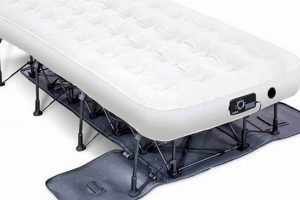
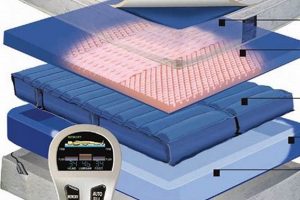
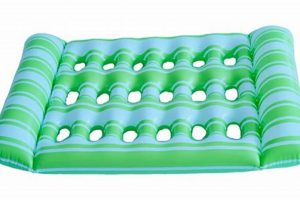
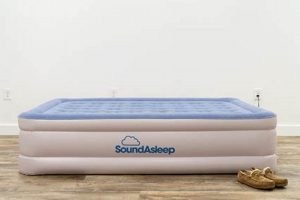
Maintaining consistent inflation in inflatable sleeping surfaces is a common concern for users. The gradual loss of air pressure can lead to discomfort and disrupt sleep. Understanding the causes of this air loss and implementing preventative measures are essential for optimal performance and longevity of the mattress. For example, identifying and patching small punctures can significantly extend the usability of the product.
Addressing this issue is important for ensuring a comfortable and supportive sleeping experience, particularly during travel, camping, or as a temporary bed for guests. Historically, improvements in materials and manufacturing techniques have aimed to minimize air leakage. Effective strategies not only improve user satisfaction but also reduce the need for frequent replacement, promoting cost-effectiveness and environmental responsibility.
The following sections will detail specific strategies for identifying potential problems, performing necessary repairs, and employing techniques to maintain optimal air pressure within inflatable sleeping surfaces, thereby maximizing their useful lifespan and ensuring user comfort.
Strategies to Maintain Air Pressure in Inflatable Mattresses
The following outlines actionable steps to minimize air loss and prolong the usability of inflatable sleeping surfaces.
Tip 1: Thoroughly Inspect for Punctures. Conduct regular visual and auditory examinations of the mattress surface. Submerge sections in water to identify escaping air bubbles indicating potential leaks. Mark any identified punctures for subsequent repair.
Tip 2: Utilize a Protective Barrier. Place the mattress on a smooth, debris-free surface. Employ a protective barrier, such as a tarp or fitted sheet, to shield the mattress from abrasion and potential puncture by sharp objects.
Tip 3: Ensure Valve Integrity. Regularly check the valve for proper sealing. Clean any debris that may impede a tight seal. Consider replacing worn or damaged valves to prevent air leakage.
Tip 4: Avoid Over-Inflation. Adhere to the manufacturer’s recommended inflation level. Over-inflation can stress seams and increase the risk of rupture or gradual air seepage.
Tip 5: Maintain Consistent Temperature. Avoid drastic temperature fluctuations, as they can affect air pressure. Exposure to extreme heat or cold can cause the mattress to expand or contract, potentially weakening seams or causing punctures.
Tip 6: Properly Store the Mattress. When not in use, deflate the mattress completely and store it in a cool, dry place away from direct sunlight and sharp objects. A dedicated storage bag can provide additional protection.
Implementing these measures significantly reduces the likelihood of air loss and extends the lifespan of inflatable sleeping surfaces, ensuring consistent comfort and reliability.
The following section will address advanced repair techniques and preventative maintenance strategies for long-term mattress care.
1. Puncture Detection

Puncture detection is a critical component in maintaining the integrity of inflatable sleeping surfaces and is directly related to preventing deflation. Early and accurate identification of punctures allows for timely intervention, mitigating air loss and extending the lifespan of the mattress.
- Visual Inspection and Auditory Assessment
Regular visual inspections involve a close examination of the mattress surface for signs of damage, such as small holes, abrasions, or tears. Auditory assessment involves listening for hissing sounds indicating escaping air. These routine checks can identify larger punctures quickly. For example, a visual inspection might reveal a tear caused by a sharp object during use, while listening might detect a slow leak around a seam.
- Soapy Water Test
The soapy water test is a reliable method for locating smaller, less obvious punctures. Applying a solution of soapy water to the inflated mattress surface reveals leaks as bubbles form at the point of air escape. This technique is particularly effective for identifying pinhole punctures that are difficult to detect by visual or auditory methods alone. For instance, a slow leak caused by a tiny thorn embedded in the material can be identified by the formation of small bubbles when the soapy water solution is applied.
- Pressure Monitoring
Monitoring the air pressure over time can indicate the presence of slow leaks. By inflating the mattress to a specific pressure and observing any gradual decrease, users can infer the existence of a puncture, even if it is not immediately detectable. This method is beneficial in identifying leaks that develop over time due to material fatigue or minor abrasions. If a mattress consistently loses pressure overnight, despite no visible damage, it suggests a slow leak requiring further investigation.
- Protective Measures and Prevention
Employing protective measures minimizes the likelihood of punctures. Using a ground tarp or protective sheet beneath the mattress, especially during outdoor use, prevents contact with sharp objects. Careful handling during storage and transportation also reduces the risk of accidental punctures. For example, storing the deflated mattress in a dedicated bag prevents it from being punctured by other items during transit.
The effectiveness of puncture detection strategies directly influences the overall ability to prevent deflation in inflatable sleeping surfaces. Combining proactive inspection methods with preventive measures ensures that potential leaks are addressed promptly, thereby maintaining optimal air pressure and user comfort.
2. Valve Integrity

Valve integrity constitutes a fundamental aspect of maintaining air pressure within inflatable mattresses. The valve serves as the primary interface for both inflation and deflation, functioning as a seal to prevent air from escaping once the mattress is inflated. Compromised valve integrity directly results in air leakage, undermining the structural support and comfort provided by the mattress. For instance, a cracked or improperly sealed valve will allow a slow but continuous release of air, leading to gradual deflation over time, irrespective of the condition of the mattress material itself.
The design and materials used in valve construction significantly influence its durability and sealing effectiveness. High-quality valves are typically manufactured from resilient materials that withstand repeated use and resist degradation from environmental factors such as temperature variations and ultraviolet (UV) exposure. Moreover, the precision of the valve’s internal mechanism, including the sealing surfaces and locking mechanisms, determines its ability to maintain an airtight closure. A poorly designed or d
amaged locking mechanism, for example, may fail to create a complete seal, resulting in persistent air loss. Cleaning and maintenance of the valve are also essential, as accumulated dirt or debris can obstruct the sealing surfaces and compromise its functionality.
In summary, ensuring valve integrity is paramount in preventing air mattress deflation. Regular inspection for damage, proper cleaning, and utilizing mattresses with high-quality valve systems contribute significantly to maintaining consistent air pressure. Neglecting valve maintenance can lead to premature deflation, diminished comfort, and ultimately, a reduced lifespan of the inflatable mattress. Therefore, attention to valve integrity is a crucial element in maximizing the performance and longevity of these products.
3. Surface Protection

Surface protection is a critical aspect of maintaining the integrity of inflatable mattresses, playing a direct role in preventing deflation. Protecting the mattress surface from potential hazards minimizes the risk of punctures, abrasions, and other forms of damage that can compromise its air-retention capabilities.
- Ground Cover Implementation
Utilizing a ground cover, such as a tarp or a thick blanket, provides a protective barrier between the inflatable mattress and the underlying surface. This layer shields the mattress from sharp objects like rocks, twigs, and thorns that may be present on the ground, especially during outdoor use. For instance, placing a tarp beneath an air mattress during a camping trip significantly reduces the risk of puncture from hidden debris, thereby preventing gradual air leakage.
- Smooth Surface Selection
Choosing a smooth, even surface for mattress placement is essential in preventing undue stress and wear on the material. Avoid placing the mattress on rough or abrasive surfaces that could gradually weaken the fabric. Inside a home, this might involve ensuring the floor is free of debris or using a rug underneath the mattress. In contrast, neglecting this aspect could lead to slow abrasion and eventual air loss, particularly on uneven or textured floors.
- Protective Bedding Usage
Employing fitted sheets and mattress protectors adds an extra layer of defense against surface damage. These coverings not only enhance user comfort but also protect the mattress from spills, stains, and minor abrasions caused by movement during sleep. A fitted sheet, for example, can prevent direct contact between the mattress material and sharp objects like zippers on clothing, minimizing the likelihood of punctures or tears.
- Careful Handling During Storage and Transportation
Proper handling during storage and transportation is crucial for preserving the integrity of the mattress surface. Folding and storing the mattress according to the manufacturer’s instructions, and using a dedicated storage bag, prevents creases, abrasions, and punctures that can occur during these processes. For example, avoid dragging the deflated mattress across rough surfaces, as this can lead to scrapes and eventual air leaks. Storing it loosely folded in a bag protects it from being snagged or punctured by other items.
Collectively, these surface protection strategies contribute significantly to preventing air mattress deflation. By minimizing the risk of punctures and abrasions, these measures help maintain the mattress’s structural integrity and air-retention capabilities, ensuring a comfortable and reliable sleeping experience. Consistent application of these practices extends the lifespan of the inflatable mattress and reduces the frequency of repairs or replacements.
4. Temperature Stability

Temperature stability is a crucial factor in maintaining consistent air pressure within inflatable mattresses, thereby preventing deflation. The relationship between temperature and air pressure is governed by fundamental thermodynamic principles. As temperature increases, air molecules gain kinetic energy, resulting in higher pressure within the enclosed space of the mattress. Conversely, a decrease in temperature leads to reduced kinetic energy and a corresponding drop in pressure. Significant temperature fluctuations can cause noticeable changes in mattress firmness, potentially leading to discomfort and the perception of air loss, even in the absence of punctures or leaks. A real-life example of this phenomenon is observed when an air mattress is used outdoors: during the heat of the day, the mattress may feel overinflated, while at night, as temperatures drop, it may seem deflated. This is due to expansion and contraction of air, not necessarily air loss.
The material composition of the mattress also plays a role in temperature stability. Materials with high thermal expansion coefficients are more susceptible to dimensional changes with temperature variations, potentially stressing seams and valves, and increasing the risk of leaks over time. In practical applications, it is advisable to maintain the air mattress in environments with stable temperatures, particularly during extended periods of use. Avoiding direct sunlight or placement near heat sources, as well as protecting the mattress from extreme cold, can help mitigate temperature-induced pressure fluctuations and preserve the integrity of the mattress. For example, using an air mattress inside a climate-controlled room will minimize the air pressure change compared to using it in a tent where temperature swings significantly.
In summary, temperature stability is integral to preventing air mattress deflation. While temperature changes do not directly create punctures, they influence internal air pressure and can exacerbate existing weaknesses in the mattress material, valves, or seams. Maintaining a consistent temperature environment minimizes pressure variations, reduces stress on the mattress structure, and ultimately contributes to a more stable and comfortable sleeping experience. Understanding and addressing temperature effects is therefore essential for the long-term care and performance of inflatable mattresses.
5. Inflation Level
The degree to which an inflatable mattress is filled with air, denoted as the inflation level, directly influences its structural integrity and susceptibility to deflation. An inadequate inflation level compromises the mattress’s supportive capacity, leading to sagging and uneven weight distribution. This can increase stress on specific areas, potentially weakening the material over time and making it more prone to punctures or seam failures. Conversely, over-inflation elevates internal pressure, exceeding the mattress’s design limitations. This excessive pressure can stretch the material beyond its elastic limit, causing permanent deformation, weakening seams, and increasing the risk of sudden rupture or gradual air seepage. For example, an under-inflated mattress used for camping on uneven ground will experience concentrated stress points, while an over-inflated mattress left in direct sunlight will expand, potentially bursting at a seam.
Maintaining the proper inflation level, as specified by the manufacturer, is thus a critical preventative measure against deflation. Manufacture
rs typically provide guidelines indicating the optimal air pressure or fill level necessary to achieve the intended firmness and support while remaining within the material’s safe operating parameters. Utilizing a pressure gauge or following visual cues, such as the mattress’s shape and feel, ensures that the inflation level remains within the recommended range. Proper inflation not only enhances user comfort but also distributes weight evenly across the mattress surface, minimizing stress concentrations and prolonging its useful life. Regularly monitoring the inflation level and adjusting as needed, especially during periods of temperature fluctuation, contributes to consistent support and reduces the risk of premature wear.
In conclusion, the inflation level serves as a key determinant in preventing air mattress deflation. Under-inflation concentrates stress, while over-inflation exceeds the material’s capacity. Adhering to the manufacturer’s guidelines for optimal inflation levels, monitoring pressure regularly, and adjusting as needed are essential practices. Correct inflation distributes weight evenly, reduces stress concentrations, and promotes both comfort and longevity, ensuring the inflatable mattress provides reliable support and resists deflation over extended use.
6. Proper Storage

The manner in which an inflatable mattress is stored significantly impacts its longevity and the likelihood of air leakage. Proper storage practices mitigate physical damage and material degradation, which are primary contributors to deflation. The cause-and-effect relationship is direct: inadequate storage conditions increase the risk of punctures, abrasions, and material weakening, ultimately leading to air loss. Proper storage, conversely, protects the mattress from these threats.
Proper storage is an indispensable component of preventing air mattress deflation. When deflated, the mattress becomes vulnerable to damage from sharp objects, excessive folding, and environmental factors. For instance, storing a deflated air mattress under heavy items in a garage increases the risk of punctures and material stress. Alternatively, leaving it exposed to direct sunlight accelerates material degradation, weakening its structure and reducing its ability to retain air. A practical approach involves deflating the mattress completely, folding it loosely (avoiding sharp creases), and placing it within a dedicated storage bag in a cool, dry location away from potential hazards.
In summary, proper storage is not merely an afterthought but a proactive strategy for preserving the integrity of inflatable mattresses. It addresses the root causes of deflation by shielding the material from physical damage and environmental stressors. While challenges may arise in finding suitable storage space, the benefits of adopting these practicesreduced repair costs and prolonged mattress lifespanoutweigh the logistical inconveniences. By integrating proper storage techniques into routine maintenance, users can effectively prevent air mattress deflation and ensure sustained comfort and reliability.
7. Seam Strength

Seam strength directly influences the air-retention capabilities of inflatable mattresses, thereby playing a pivotal role in the ability to prevent deflation. Seams represent the points where separate pieces of material are joined, creating the enclosed structure essential for air containment. A weakness in any seam compromises the integrity of the entire mattress, creating a pathway for air leakage. Defective seams can arise from inadequate bonding during manufacturing, material fatigue over time, or stress caused by over-inflation and uneven weight distribution. An illustrative example would be an air mattress with poorly sealed seams experiencing gradual air loss along the joined edges, ultimately leading to significant deflation overnight.
The construction methods employed during manufacturing are critical determinants of seam strength. Techniques such as radio frequency (RF) welding, heat sealing, and adhesive bonding each offer varying degrees of durability and resistance to stress. RF welding, for instance, fuses materials at a molecular level, often creating stronger and more airtight seams compared to adhesive bonding, which may be susceptible to degradation over time. Similarly, the quality of the materials used in seam construction, including the type of thread and adhesive, significantly impacts their ability to withstand pressure and maintain an airtight seal. The impact of seam failure can be clearly seen in cheaper air mattresses, which often use less robust seam construction and are more likely to develop leaks along the seams after only a few uses. This directly impacts the air retention ability and lifespan.
In conclusion, robust seam strength is a non-negotiable aspect of preventing air mattress deflation. Seams represent a potential vulnerability, and their integrity hinges on manufacturing techniques and the materials used. While inherent limitations in materials and manufacturing processes may present challenges in achieving perfectly impermeable seams, prioritizing seam strength through careful design and quality control remains paramount. By prioritizing seam integrity, manufacturers can produce inflatable mattresses that offer enhanced durability, reliability, and sustained air retention, thereby fulfilling their primary function effectively.
Frequently Asked Questions
The following addresses common inquiries regarding the prevention of deflation in inflatable sleeping surfaces, offering practical solutions and insightful explanations.
Question 1: What are the primary causes of air loss in inflatable mattresses?
Air loss typically stems from punctures, compromised valve seals, material degradation due to temperature fluctuations, over-inflation, and weaknesses in the seams. Identifying the root cause is essential for effective remediation.
Question 2: How frequently should an inflatable mattress be inspected for leaks?
Regular inspections are recommended, particularly before and after each use. Periodic checks, even when not in use, can identify slow leaks that may develop over time.
Question 3: What is the most effective method for locating small punctures?
The soapy water test remains a reliable technique. Applying a solution of soapy water to the inflated mattress surface will reveal escaping air as bubbles form at the leak point.
Question 4: Does temperature impact the air pressure within an inflatable mattress?
Significant temperature fluctuations affect air pressure. Expansion occurs in warmer conditions, potentially overstressing seams, while contraction in colder temperatures may create the perception of deflation. Therefore, maintaining a stable temperature is ideal.
Question 5: Is it possible to over-inflate an inflatable mattress?
Over-inflation is indeed possible and can lead to material stretching, seam damage, and a higher risk of rupture. Adhering to the manufacturer’s recommended inflation level is crucial.
Question 6: What are the best practices for storing an inflatable mattress when not in use?
Proper storage involves complete deflation, loose folding to avoid sharp creases, placement within a protective bag, and storage in a cool, dry environment away from sharp objects and di
rect sunlight.
Implementing these strategies will significantly reduce the occurrence of air loss and extend the lifespan of inflatable sleeping surfaces.
The subsequent section will explore advanced repair techniques for inflatable mattresses, providing step-by-step guidance on addressing various types of damage.
Prevent Air Mattress Deflating
This article has comprehensively explored the multifaceted issue of prevent air mattress deflating, outlining the primary causes of air loss, detailing proactive preventative measures, and addressing crucial considerations like material properties, environmental factors, and maintenance protocols. Understanding these elements provides a foundation for informed decisions regarding mattress selection, usage, and care.
Successfully implementing these strategies demands diligence and a commitment to responsible product stewardship. By recognizing the interconnectedness of puncture prevention, valve maintenance, temperature control, and proper storage, users can significantly extend the lifespan and enhance the reliability of inflatable sleeping surfaces. Neglecting these principles leads to premature failure and unnecessary expenditure. Therefore, prioritize these techniques to maximize the long-term value and performance of these mattresses.