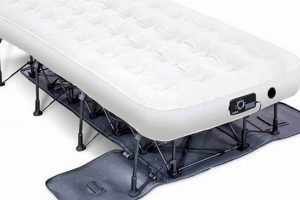
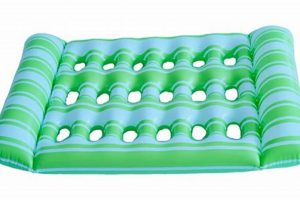
An inflatable sleeping surface designed specifically to fit within the confines of a vehicle’s rear seating area provides a convenient rest area. Such products offer a readily deployable solution for creating a temporary bed inside an automobile, transforming the back seats into a makeshift sleeping space.
This type of portable bed enhances travel comfort, particularly on long journeys or when overnight stays in conventional accommodations are impractical. Historically, individuals have sought solutions to create comfortable resting spaces within vehicles. This approach represents a more organized and purpose-built response to that longstanding need, offering improved support and convenience compared to improvised methods.
The following sections will address the range of designs available, factors to consider when selecting a suitable model, proper usage guidelines, and potential advantages or disadvantages associated with this category of portable sleeping solutions.
Guidance for Selecting and Utilizing an Automotive Inflatable Sleeping Surface
The subsequent recommendations provide valuable insights for selecting and properly using an inflatable sleeping surface designed for use in a vehicle’s backseat, optimizing both comfort and safety.
Tip 1: Measure the Available Space. Accurately measure the backseat dimensions of the vehicle to ensure a proper fit. A sleeping surface that is too large will be difficult to inflate and position, while one that is too small may not provide adequate support.
Tip 2: Consider Material Durability. Select a model constructed from durable, puncture-resistant materials. Thicker PVC or reinforced fabrics offer greater protection against damage from sharp objects or repeated use.
Tip 3: Evaluate Inflation and Deflation Mechanisms. Opt for a model with a reliable and efficient inflation system. Some surfaces include integrated pumps, while others require an external pump. Consider the speed and ease of inflation and deflation.
Tip 4: Assess Comfort Features. Look for surfaces with flocked or cushioned tops for enhanced comfort. Integrated pillows or headrests can also improve the sleeping experience.
Tip 5: Prioritize Safety. Ensure that the inflated surface does not obstruct the driver’s view or interfere with the vehicle’s safety features, such as seat belts or airbags.
Tip 6: Check Weight Capacity. Verify the weight capacity of the chosen model to ensure it can safely accommodate the intended user(s).
Tip 7: Storage Considerations. Evaluate the deflated size and storage bag provided. A compact and easily storable surface is more practical for frequent travel.
Adhering to these recommendations will facilitate the selection of a suitable product and promote its safe and effective utilization within the vehicle environment.
The concluding section will summarize the key aspects of this category of automotive accessories and offer final thoughts.
1. Dimensions

The dimensions of an inflatable automotive mattress are paramount to its functionality and usability. Precise measurements are necessary to ensure compatibility with the specific vehicle model and to maximize occupant comfort within the confined space.
- Length and Width of the Inflated Surface
The length and width dictate the usable sleeping area. A mattress that is too long may not fit between the front seats and the rear cargo area, while one that is too narrow may not provide sufficient space for comfortable rest. Measuring the available space in the backseat is crucial before purchasing a mattress to ensure it adequately fills the area.
- Height of the Inflated Surface
The height of the inflated mattress affects the available headroom for the occupant. A mattress that is too high may restrict movement or cause discomfort, especially for taller individuals. Careful consideration of the height is essential to maintain adequate space for resting without feeling cramped.
- Deflated Size and Packability
The dimensions of the mattress when deflated are important for storage and portability. A compact, easily packable mattress is more convenient for travel and storage when not in use. The deflated dimensions influence the ease with which the mattress can be transported and stored in the vehicle’s trunk or other storage compartments.
- Contour and Shape Considerations
The overall shape and contour are critical to its stability and support. Some models incorporate raised edges or contoured sections for stability. Accurately matching mattress shape to the specific backseat shape ensures maximized comfort, as well as safety by minimizing shifting and tilting.
In summary, the dimensions directly influence its compatibility with the vehicle, the level of comfort provided to the occupant, and the ease of storage and transport. Accurate measurement and careful consideration of these factors are essential for selecting a suitable model. Choosing an automotive inflatable mattress with optimized dimensions ensures it effectively fulfills the needs for comfortable and convenient in-vehicle rest.
2. Material Durability

Material durability represents a crucial determinant of the longevity and reliability of any inflatable sleeping surface intended for automotive use. The stresses and conditions encountered within a vehicle environment necessitate robust construction. Selection of appropriate materials directly impacts the product’s resistance to punctures, abrasions, and general wear and tear.
- Resistance to Punctures and Tears
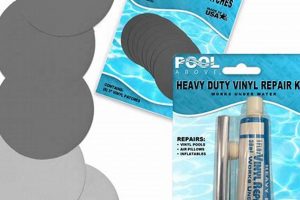
The primary function of the material is to maintain air pressure. Punctures from sharp objects, such as keys, tools, or debris, represent a significant threat. Materials with high tensile strength and tear resistance, such as reinforced PVC or nylon, provide a greater degree of protection against air leaks and structural failure. In practical terms, a mattress constructed from durable material is less likely to require patching or replacement due to accidental damage during travel.
- Abrasion Resistance
In a vehicle’s backseat, the mattress is subject to friction against the seats, interior panels, and luggage. Over time, this abrasion can weaken the material and lead to thinning or eventual failure. Materials with high abrasion resistance, often achieved through specialized coatings or weaves, extend the lifespan of the mattress and prevent premature degradation. For example, a mattress made with a flocked surface on top of a durable base provides both comfort and protection against wear.
- Resistance to Temperature Fluctuations
Automobile interiors experience wide temperature swings, from extreme heat in direc
t sunlight to freezing temperatures during winter. The material must withstand these fluctuations without becoming brittle, cracking, or losing its elasticity. Materials with a high degree of thermal stability maintain their structural integrity and air retention properties across a broad temperature range, preventing leaks and ensuring consistent performance. Consider the performance of different materials in variable climates, for example, desert heat or sub-zero temperatures. - Seam Strength and Integrity
The seams that join the various panels of the mattress represent a potential point of failure. Weak or poorly constructed seams can separate under pressure, leading to air leaks and rendering the mattress unusable. Reinforced seams, achieved through techniques such as welding or multiple stitching, enhance the overall strength and durability of the structure. Reliable seams help to maintain the mattress’s shape and air pressure, contributing to a more comfortable and supportive sleeping surface. The quality of seams significantly impacts the long-term performance of the product.
In essence, the material’s characteristics directly dictate the usability and lifespan. A product constructed from inadequate materials may offer a lower initial cost, the long-term value is significantly diminished by the increased risk of damage and premature failure. Investing in a product made from durable, high-quality materials offers greater assurance of reliable performance and extended usability in the challenging environment of a vehicle’s backseat.
3. Inflation method

The inflation method significantly influences the practicality and convenience of an automotive inflatable mattress. The means by which the product is inflated directly impacts the user’s experience, determining the speed of setup, the effort required, and the overall ease of use. A poorly designed or inefficient inflation system can negate the inherent advantages of a portable sleeping surface, rendering it cumbersome and unattractive for frequent use.
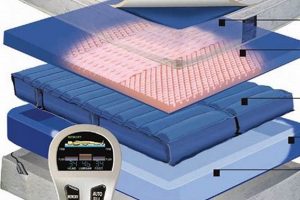
Various inflation methods exist, each with distinct characteristics. Integrated electric pumps, powered by the vehicle’s cigarette lighter or a portable power source, offer automated inflation with minimal user effort. These systems often include auto-shutoff features to prevent over-inflation. Manual pumps, whether foot-operated or hand-operated, provide an alternative for situations where electrical power is unavailable, but require physical exertion. Self-inflating mattresses utilize open-cell foam that expands when a valve is opened, drawing in air; however, these often require supplemental inflation to achieve optimal firmness. The selection of an appropriate inflation method depends on factors such as user preferences, access to power, and the desired level of convenience. For example, a traveler prioritizing speed and ease of setup might opt for an integrated electric pump, while a camper seeking a lightweight and independent solution might choose a manual pump. The method chosen thus has great significance regarding practical application.
In conclusion, the inflation method is an integral component of an automotive inflatable mattress, directly impacting its usability and convenience. Careful consideration of the available options, coupled with an understanding of individual needs and preferences, is essential for selecting a product that effectively meets the demands of in-vehicle rest. While technological advancements continue to refine inflation systems, the fundamental principles of efficiency, reliability, and ease of use remain paramount.
4. Comfort Features
Comfort features constitute a critical aspect of automotive inflatable sleeping surfaces, directly influencing the user’s experience. These elements are integral to transforming a functional necessity into a genuinely restful and restorative experience within the constraints of a vehicle’s interior.
- Flocked Surface Material
Flocking, a process of applying fine fibers to the surface of the mattress, enhances tactile comfort by creating a soft, velvety texture. This reduces the sensation of sleeping on plastic, promoting a more pleasant experience. The flocked surface also mitigates the issue of the material being too hot or too cold, adapting more readily to the occupant’s body temperature. For example, a heavy-duty PVC mattress can be made more comfortable by applying the flocked surface.
- Integrated Pillows and Headrests
Incorporating pillows or headrests into the mattress design offers crucial neck and head support. This reduces strain and prevents discomfort, particularly on longer journeys or overnight stays. Inflatable pillows or contoured headrests integrated into the mattress surface enhance comfort compared to relying on makeshift solutions. For example, a properly inflated headrest promotes proper spinal alignment which can prevent neck pain.
- Contoured Surface Design
A contoured surface, with strategically placed raised areas or indentations, can distribute weight more evenly and provide enhanced support. This design minimizes pressure points and promotes spinal alignment, contributing to a more restful sleep experience. Some mattresses feature raised edges to prevent the occupant from rolling off, adding a layer of security and comfort. Properly designed, the mattress would follow the natural curve in the body. This promotes healthy alignment and can help prevent back injuries.
- Adjustable Firmness
The ability to adjust the firmness of the mattress allows users to customize the level of support to their individual preferences. This can be achieved through variable inflation levels, enabling occupants to fine-tune the sleeping surface for optimal comfort. A mattress with adjustable firmness can accommodate different body weights and sleeping positions, ensuring a personalized sleep experience. If the mattress is too firm, it can hurt to sleep on. And, if it is too soft, it might feel like the person is swallowing up.
The integration of these comfort features significantly elevates the value of an automotive inflatable mattress, transforming it from a basic necessity into a refined solution for in-vehicle rest. While functional aspects such as durability and ease of inflation are essential, comfort features are indispensable for creating a genuinely restorative and enjoyable sleep experience during travel.
5. Vehicle Compatibility

The successful utilization of a backseat inflatable mattress is intrinsically linked to its compatibility with the vehicle’s interior dimensions and design. The universal application of such products is limited by the diverse range of vehicle sizes and seating configurations, necessitating careful consideration of vehicle-specific factors.
- Seat Width and Depth Constraints
The width and depth of the vehicle’s backseat directly constrain the maximum size of a compatible mattress. Discrepancies between the mattress dimensions and the available space may result in an unstable or unusable sleeping surface. For example, a full-size sedan typically offers greater backseat width com
pared to a compact hatchback, thus accommodating a larger mattress. Incorrect dimensions can compromise safety by obstructing seatbelt access or impeding airbag deployment. - Seat Contours and Protrusions
The shape and contours of the vehicle’s rear seats, including any raised sections, armrests, or storage compartments, can interfere with the flat and even placement of the mattress. Uneven surfaces may cause discomfort or instability, undermining the mattress’s intended function. Certain vehicles feature sculpted rear seats for enhanced passenger comfort, yet these contours often necessitate mattresses with specific designs. If a car has bucket-shaped rear seats, a standard rectangular mattress may not provide a level sleeping area.
- Vehicle Class and Body Style
Different vehicle classes and body styles, such as sedans, SUVs, minivans, and trucks, possess varying backseat dimensions and configurations. This necessitates the selection of a mattress specifically tailored to the vehicle’s classification. A mattress designed for a large SUV may be unsuitable for a compact car due to size constraints. The height of the vehicle’s roofline and the angle of the rear seats can also affect mattress placement and usability.
- Impact on Safety Features
The use of a backseat mattress must not compromise the vehicle’s safety features, including seatbelts, airbags, and emergency exits. Obstructing seatbelt latches or interfering with airbag deployment can increase the risk of injury in the event of an accident. It is imperative to select a mattress that allows for the unobstructed use of all safety systems. Some mattresses incorporate cutouts or design features to accommodate seatbelt access and minimize interference with safety mechanisms.
Ultimately, successful deployment hinges upon careful consideration of vehicle-specific dimensions and safety requirements. A mismatch between the selected product and vehicle characteristics can negate the benefits of in-vehicle rest and potentially compromise occupant safety. Therefore, a comprehensive assessment of vehicle compatibility is essential prior to purchasing and utilizing a backseat inflatable mattress.
6. Storage efficiency

Storage efficiency constitutes a critical design parameter in the context of automotive inflatable mattresses. The limited storage capacity within most vehicles dictates that such a product must minimize its occupied volume when not in use. A bulky, difficult-to-store mattress negates the convenience it is intended to provide, effectively rendering it impractical for regular travel. The causal relationship is direct: diminished storage efficiency leads to reduced user adoption. For example, a mattress that requires significant trunk space or cannot be easily compressed is unlikely to be utilized for spontaneous trips or routine travel.
The importance of storage efficiency extends beyond mere convenience; it impacts the overall functionality of the vehicle. A compact, easily storable mattress allows for the preservation of valuable cargo space, enabling the transport of other essential items. Furthermore, efficient storage mitigates the risk of damage to the mattress itself. When properly deflated and packed, the mattress is less susceptible to punctures, abrasions, or other forms of wear and tear. Examples of mattresses that prioritize storage efficiency include models with integrated compression straps and compact carrying bags, facilitating tight packing and protection against environmental factors.
In summary, storage efficiency is not merely a desirable attribute, but a fundamental requirement for automotive inflatable mattresses. The ability to minimize occupied volume when deflated directly influences the product’s usability, convenience, and longevity. Addressing storage efficiency challenges through innovative design and material selection is essential for promoting the widespread adoption of this type of automotive accessory.
Frequently Asked Questions
The following addresses commonly asked questions regarding inflatable sleeping surfaces designed for use in a vehicle’s backseat. The goal is to provide clear and concise answers to aid in informed decision-making.
Question 1: Are these mattresses universally compatible with all vehicle types?
No. Vehicle backseat dimensions vary significantly. Measure the available space before purchase to ensure a proper fit. Consult product specifications for size details.
Question 2: What material characteristics are most important for durability?
Puncture resistance, abrasion resistance, and seam strength are paramount. Reinforced PVC or similar materials are preferable. Check product descriptions for material specifications.
Question 3: How is the firmness of the mattress adjusted?
Firmness is typically adjusted by controlling the amount of air inflation. Some models feature adjustable valves for fine-tuning. Follow the manufacturer’s instructions for optimal inflation levels.
Question 4: Can these mattresses compromise vehicle safety features?
Yes, if improperly installed. Ensure the mattress does not obstruct seatbelts, airbag deployment, or emergency exits. Prioritize safety when selecting and using these products.
Question 5: What is the typical weight capacity of these mattresses?
Weight capacity varies by model. Refer to the product specifications to determine the maximum weight the mattress can safely support. Exceeding the weight limit can lead to damage or injury.
Question 6: How should the mattress be stored when not in use?
Deflate the mattress completely and roll or fold it tightly. Store it in the provided carrying bag to protect it from damage. Keep it in a dry, cool place to prevent material degradation.
Careful consideration of these factors will aid in selecting an appropriate sleeping surface for in-vehicle use. Proper selection and usage are essential for maximizing comfort and safety.
The subsequent section will present concluding remarks and recommendations.
Conclusion
This exploration has elucidated the multifaceted considerations surrounding inflatable mattresses designed for automotive use. Key aspects include dimensional compatibility, material durability, inflation methodologies, comfort augmentation, vehicle integration, and storage optimization. The suitability of such a product is contingent upon the careful evaluation of these factors, ensuring that the selected item aligns with both the vehicle’s specific characteristics and the user’s individual needs.
The potential for enhanced comfort and convenience during vehicular travel is undeniable. However, the responsible and informed application of these mattresses is paramount. Prioritizing safety through adherence to weight limitations and unobstructed access to vehicle safety features remains non-negotiable. As this sector of automotive accessories continues to evolve, ongoing refinement in design and material science will likely yield further improvements in both functionality and user experience.