![Best Medical Bed Mattress: [Benefit] & Comfort!](data:image/svg+xml;base64,PHN2ZyB4bWxucz0iaHR0cDovL3d3dy53My5vcmcvMjAwMC9zdmciIHdpZHRoPSI0NzQiIGhlaWdodD0iMTAwIiB2aWV3Qm94PSIwIDAgNDc0IDEwMCI+PHJlY3Qgd2lkdGg9IjEwMCUiIGhlaWdodD0iMTAwJSIgc3R5bGU9ImZpbGw6I2NmZDRkYjtmaWxsLW9wYWNpdHk6IDAuMTsiLz48L3N2Zz4= "Best Medical Bed Mattress: [Benefit] & Comfort! Organic & Natural Mattress Buyer’s Guide: Non-Toxic Sleep Solutions")
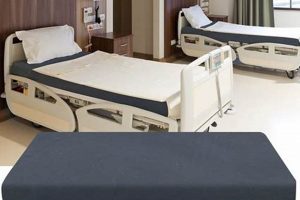
Specialized support surfaces designed for use on hospital beds or similar adjustable frames address the unique needs of patients requiring prolonged bed rest or those with specific medical conditions. These surfaces differ significantly from standard residential products, offering features tailored to pressure redistribution, infection control, and patient comfort. They are integral components of comprehensive patient care strategies within healthcare facilities.
The utilization of these supports offers multiple benefits, including the prevention of pressure ulcers, enhanced comfort for individuals with limited mobility, and ease of cleaning and disinfection to minimize the risk of infection. Historically, advancements in materials and construction techniques have led to significant improvements in the effectiveness and durability of these essential patient care tools. Early versions primarily focused on simple padding, while modern iterations incorporate sophisticated technologies like alternating pressure and low air loss systems.
Subsequent sections will delve into specific types, focusing on their construction, suitability for particular patient populations, and proper maintenance procedures. Detailed examination of key features, regulatory compliance, and purchasing considerations follows.
Essential Considerations for Selection and Use
The appropriate selection and utilization of a supportive surface are critical to patient well-being and effective healthcare delivery. The following tips provide guidance for optimizing the benefits of these specialized products.
Tip 1: Patient Assessment: Prior to selection, a thorough patient assessment is crucial. This assessment should consider factors such as Braden Scale score, mobility level, weight, existing pressure injuries, and specific medical conditions.
Tip 2: Surface Type Matching: Match the support surface to the patient’s assessed needs. For patients at high risk of pressure ulcers, a dynamic surface (alternating pressure or low air loss) may be indicated. For lower-risk patients, a reactive surface (foam or gel) may suffice.
Tip 3: Proper Inflation and Settings: For adjustable surfaces, ensure proper inflation levels and settings are programmed according to manufacturer guidelines and patient-specific needs. Regularly monitor pressure settings to maintain optimal performance.
Tip 4: Repositioning Schedules: Implement and adhere to regular patient repositioning schedules. Support surfaces alone do not eliminate the need for repositioning. Regular turning helps to redistribute pressure and promote circulation.
Tip 5: Infection Control Protocols: Adhere strictly to infection control protocols. Regularly clean and disinfect surfaces according to manufacturer instructions. Utilize appropriate barrier protection when indicated.
Tip 6: Inspection and Maintenance: Regularly inspect the surface for signs of damage, wear, or malfunction. Promptly repair or replace damaged surfaces to ensure continued efficacy and safety.
Tip 7: Staff Training: Ensure all staff involved in patient care receive adequate training on the proper selection, use, maintenance, and troubleshooting of support surfaces.
Adhering to these tips will maximize the effectiveness of the support surface, contributing to improved patient outcomes and reduced healthcare costs associated with pressure ulcer prevention and treatment.
The following sections will explore specific features, regulatory standards, and future trends in support surface technology.
1. Pressure Redistribution

Pressure redistribution is a core function of any specialized support surface, aiming to minimize concentrated pressure on bony prominences and vulnerable tissues. This capability is paramount in mitigating the risk of pressure injuries in patients with limited mobility or those requiring prolonged bed rest. Effective pressure redistribution is achieved through various design and material innovations, each contributing uniquely to the overall performance of the support surface.
- Material Composition and Design
The material composition, including the use of viscoelastic foam, gel, or air cells, directly influences a support surface’s ability to conform to the patient’s body and redistribute pressure. Design considerations such as zoning (varying firmness across different regions of the surface) further optimize pressure distribution. For example, a surface incorporating a multi-layered foam structure with strategically placed gel inserts can provide targeted pressure relief to high-risk areas like the sacrum and heels.
- Dynamic vs. Reactive Surfaces
Pressure redistribution can be achieved through either dynamic or reactive means. Dynamic surfaces, such as alternating pressure systems, actively change pressure points over time, while reactive surfaces, like foam or gel overlays, passively redistribute pressure based on the patient’s weight and position. The choice between dynamic and reactive surfaces depends on the patient’s individual risk factors and clinical needs. A patient with multiple existing pressure injuries may benefit more from a dynamic surface due to its ability to actively offload pressure.
- Immersion and Envelopment
Effective pressure redistribution relies on the principles of immersion and envelopment. Immersion refers to the degree to which the patient sinks into the support surface, increasing the contact area and reducing pressure. Envelopment refers to the surface’s ability to conform closely to the patient’s body contours, maximizing contact and minimizing pressure gradients. Surfaces that provide both adequate immersion and envelopment offer superior pressure redistribution capabilities.
- Microclimate Management
Moisture can significantly exacerbate the risk of pressure injuries. Surfaces designed with microclimate management features, such as breathable fabrics and ventilation systems, help to wick away moisture and maintain a dry skin environment. This indirectly contributes to pressure redistribution by reducing skin maceration and friction, which can compromise tissue integrity. A surface with a vapor-permeable cover and integrated air channels can effectively manage moisture levels, promoting skin health and reducing pressure injury risk.
The facets of material composition, dynamic versus reactive technologies, immersion and envelopment properties, and microclimate control work together to determine the effectiveness of pressure redistribution. The appropriate choice considers the patient’s specific needs, contributing to the prevention and management of pressure injuries while maximizing comfort and promoting healing.
2. Infection Control
Specialized support surfaces are potential vectors for healthca
re-associated infections (HAIs) due to their close and prolonged contact with patients, many of whom are immunocompromised. The materials and construction of these surfaces, therefore, directly impact infection control efficacy. Impermeable surfaces prevent bodily fluids from penetrating the core, limiting bacterial growth. Regular cleaning and disinfection, guided by manufacturer instructions and hospital protocols, are essential to minimize pathogen transmission. Inadequate infection control practices can lead to the spread of dangerous pathogens, such as Clostridium difficile and methicillin-resistant Staphylococcus aureus (MRSA), impacting patient outcomes and increasing healthcare costs. Surfaces lacking appropriate antimicrobial properties can harbor these pathogens for extended periods, increasing transmission risk.
Design features such as welded seams and antimicrobial coatings enhance infection control. Welded seams eliminate stitching, which can harbor microorganisms and make cleaning difficult. Antimicrobial coatings inhibit the growth of bacteria and fungi on the surface, providing an additional layer of protection. For example, surfaces used in intensive care units, where patients are particularly vulnerable to infection, often incorporate both impermeable surfaces and antimicrobial properties. Proper disinfection protocols, utilizing hospital-grade disinfectants, are crucial even on surfaces with antimicrobial properties. Failure to adhere to these protocols can negate the benefits of the surface’s design features, increasing the risk of cross-contamination.
Prioritizing infection control in the selection and maintenance of support surfaces is paramount for protecting patient safety and minimizing HAI incidence. The choice should consider surface impermeability, ease of cleaning and disinfection, seam construction, and antimicrobial properties. Implementing rigorous cleaning protocols, based on evidence-based guidelines, is essential to prevent pathogen transmission. Attention to these details ensures that support surfaces contribute to a safer healthcare environment and improve patient outcomes.
3. Patient Comfort
Patient comfort represents a critical, often undervalued, element of a specialized support surface’s overall effectiveness. Discomfort can lead to agitation, reduced compliance with medical therapies, and increased pain perception, directly hindering recovery. The materials and construction of a support surface significantly influence the comfort level experienced by the patient. For instance, a surface that is too firm can create pressure points, leading to localized pain and skin breakdown. Conversely, a surface that lacks adequate support can contribute to muscle strain and discomfort.
Consider the case of a patient recovering from surgery who is confined to bed for an extended period. A support surface that effectively contours to the patient’s body, provides adequate cushioning, and minimizes friction can dramatically improve their comfort level, leading to better sleep quality and reduced analgesic requirements. Alternatively, if a patient experiences excessive heat buildup or moisture retention due to the surface’s material, they may become restless, increasing the risk of skin maceration and pressure injury development. This demonstrates how patient comfort is not merely a matter of preference but directly impacts physiological and clinical outcomes.
In summary, patient comfort is not a secondary consideration but an integral component of a specialized support surface’s functionality. It influences adherence to treatment plans, promotes restful recovery, and minimizes the risk of complications. Optimizing patient comfort through careful selection of appropriate support surfaces, incorporating features such as breathability and pressure redistribution, is essential for holistic patient care. This aspect must be balanced alongside other crucial features like infection control and durability to ensure the optimal outcome for the patient.
4. Durability
The durability of specialized support surfaces is paramount due to the demanding environment of healthcare facilities. Frequent use, rigorous cleaning protocols, and exposure to bodily fluids place significant stress on these products. A durable surface maintains its structural integrity and functional performance over time, ensuring consistent pressure redistribution, infection control, and patient comfort. Conversely, premature degradation can compromise these functions, leading to increased risk of pressure injuries, infection transmission, and patient discomfort, consequently impacting patient outcomes and increasing healthcare costs.
Materials such as high-density foams, reinforced fabrics, and welded seams contribute to enhanced durability. For instance, a surface constructed with a multi-layer, high-density foam core and a fluid-resistant, antimicrobial-coated cover can withstand frequent cleaning and resist damage from incontinence or spills, extending its lifespan and maintaining its performance characteristics. Conversely, a surface made with low-quality materials may quickly develop cracks, tears, or indentations, compromising its pressure redistribution capabilities and creating potential harborage sites for pathogens. The initial cost savings associated with less durable products are often offset by the need for more frequent replacements, resulting in higher long-term expenses.
The durability of specialized support surfaces directly impacts patient safety, clinical outcomes, and cost-effectiveness. Investing in durable products constructed with high-quality materials and designed for rigorous use is essential for maintaining a safe and efficient healthcare environment. Regularly inspecting and maintaining these surfaces according to manufacturer guidelines can further extend their lifespan and ensure optimal performance. A focus on durability represents a sound investment in patient care and financial stewardship.
5. Support

Adequate support is a fundamental characteristic of any specialized surface, impacting patient comfort, stability, and therapeutic outcomes. Without appropriate support, patients face increased risk of pressure injuries, musculoskeletal strain, and compromised respiratory function. The design and materials directly influence the degree of support provided.
- Structural Integrity and Firmness
The structural integrity of the surface ensures it maintains its shape and firmness under the patient’s weight. Insufficient firmness leads to bottoming out, negating pressure redistribution benefits and creating concentrated pressure points. Firmness must be balanced with compliance to provide adequate support without sacrificing comfort. For example, a bariatric patient requires a surface with sufficient load-bearing capacity to prevent bottoming out and maintain proper spinal alignment.
- Edge Support and Stability
Edge support is crucial for patient safety and ease of transfers. Weak or collapsing edges increase the risk of falls and make it difficult for patients to reposition themselves. Adequate edge support facilitates safe entry and exit from the bed and provides a stable platform for nursing care. A surface with reinforced edges enhances stab
ility and reduces the risk of falls, particularly for patients with mobility impairments. - Postural Alignment and Spinal Support
Proper postural alignment is essential for preventing musculoskeletal strain and promoting optimal respiratory function. A surface that conforms to the patient’s body contours and provides adequate spinal support helps maintain a neutral spinal position, reducing the risk of back pain and improving breathing mechanics. For instance, patients with chronic respiratory conditions benefit from surfaces that promote an upright posture and facilitate diaphragmatic breathing.
- Dynamic Support Systems
Dynamic support systems, such as alternating pressure and low air loss surfaces, provide continuous pressure relief and promote circulation. These systems are particularly beneficial for patients at high risk of pressure injuries or those with existing wounds. By cyclically inflating and deflating air cells, dynamic surfaces redistribute pressure and minimize tissue ischemia. A patient immobilized due to a spinal cord injury requires a dynamic surface to prevent pressure injuries and promote skin integrity.
These facets of structural integrity, edge support, postural alignment, and dynamic support are interwoven to ensure appropriate support, preventing complications and promoting healing. The selection should be driven by individual patient needs and clinical considerations. A support surface failing to deliver adequate support compromises patient outcomes and increases healthcare costs.
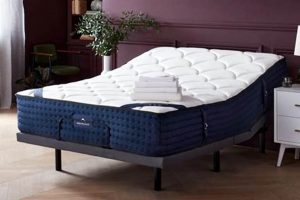
6. Adjustability
The adjustability of specialized support surfaces addresses the diverse and evolving needs of patients within healthcare settings. This characteristic allows clinicians to customize the surface’s properties, optimizing patient comfort, support, and therapeutic outcomes. The absence of adjustability limits a surface’s capacity to respond to changes in a patient’s condition, potentially leading to increased risk of complications such as pressure injuries, compromised respiratory function, and musculoskeletal strain. For instance, a patient recovering from abdominal surgery may require a firmer surface to facilitate mobilization, while the same patient may benefit from a softer, more compliant surface as healing progresses. The ability to modify surface characteristics based on individual needs is therefore crucial.
Practical applications of adjustability extend beyond simple firmness adjustments. Features such as powered positioning capabilities allow healthcare providers to precisely control the patient’s position, facilitating procedures, improving respiratory mechanics, and promoting venous return. Furthermore, adjustable zones within the surface can provide targeted pressure relief to specific areas, accommodating individual anatomical variations and protecting vulnerable tissues. Consider a patient with a sacral pressure ulcer; an adjustable surface can be configured to offload pressure from the affected area while providing adequate support to the rest of the body. This targeted approach minimizes the risk of further tissue damage and promotes healing. Understanding the practical significance of adjustability enables clinicians to deliver personalized care, optimizing patient outcomes and improving efficiency.
In conclusion, adjustability constitutes a critical component of modern medical support surfaces, enabling individualized care and enhancing therapeutic effectiveness. While challenges exist in ensuring proper utilization and maintaining long-term functionality, the benefits of adjustability outweigh these considerations. By embracing this capability and integrating it into comprehensive patient care strategies, healthcare providers can significantly improve patient comfort, reduce the incidence of complications, and promote positive outcomes. The ongoing development of advanced adjustable support surfaces represents a significant advancement in patient care technology.
Frequently Asked Questions
This section addresses common inquiries regarding specialized support surfaces used in medical settings, focusing on their purpose, features, and proper utilization.
Question 1: What is the primary function of a medical bed mattress, and how does it differ from a standard residential mattress?
The primary function is to provide pressure redistribution and support for patients requiring prolonged bed rest or with specific medical conditions. Unlike standard mattresses, these surfaces are designed to minimize pressure points, reduce the risk of pressure ulcers, and facilitate infection control. Materials and construction are tailored to the unique needs of the healthcare environment.
Question 2: What are the different types of medical bed mattresses available, and what are their respective advantages?
Types include foam, gel, air-filled (alternating pressure or low air loss), and hybrid models. Foam surfaces offer basic pressure redistribution; gel surfaces provide enhanced immersion and envelopment; air-filled surfaces actively redistribute pressure; hybrid models combine multiple technologies. The selection depends on the patient’s risk level, medical condition, and care setting.
Question 3: How does the selection of a medical bed mattress impact the prevention and treatment of pressure ulcers?
Proper selection is crucial for pressure ulcer prevention and management. By redistributing pressure, the mattress reduces the risk of tissue ischemia and breakdown. For existing pressure ulcers, specialized surfaces can promote healing by minimizing pressure on the affected area and creating a favorable microclimate.
Question 4: What are the key considerations for infection control when using medical bed mattresses?
Key considerations include the use of impermeable materials, welded seams, and antimicrobial coatings. Regular cleaning and disinfection, following manufacturer instructions and hospital protocols, are essential to prevent the spread of healthcare-associated infections.
Question 5: How frequently should a medical bed mattress be inspected and replaced?
Regular inspection should be conducted during routine patient care. Replacement frequency depends on the surface type, usage intensity, and manufacturer recommendations. Signs of damage, wear, or compromised performance indicate the need for replacement.
Question 6: What training is necessary for healthcare staff to properly utilize and maintain medical bed mattresses?
Training should cover proper selection, inflation settings (if applicable), cleaning and disinfection protocols, inspection procedures, and troubleshooting. Staff should understand the importance of matching the surface to the patient’s needs and adhering to established protocols.
The appropriate utilization and maintenance of specialized support surfaces are integral to patient safety and quality of care. Adherence to best practices and manufacturer guidelines is crucial for optimizing their effectiveness.
Subsequent sections will explore future trends and technological advancements in this domain.
Conclusion
This exploration of specialized support surfaces has underscored their essential role in modern healthcare. From pressure redistribution to infection control and patient comfort, these devices directly impact patient outcomes and the efficiency of healthcare delivery. Proper selection, utilization, and maintenance of support surfaces are paramount.
Continued research and technolo
gical advancements promise to further enhance the effectiveness and functionality of specialized surfaces. A commitment to evidence-based practices and adherence to established guidelines will ensure that these critical tools continue to contribute to improved patient well-being and reduced healthcare costs. Further investigation into innovative materials and smart technologies will propel the evolution of specialized surfaces, solidifying their position as indispensable components of comprehensive patient care.