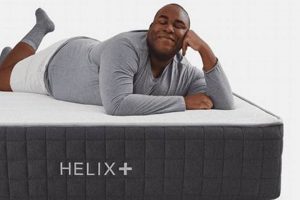
A superior sleep surface crafted from natural rubber tree sap, processed without harmful chemicals, and designed for optimal comfort and support represents a significant investment in restorative rest. These products prioritize both well-being and environmental consciousness, offering a breathable and resilient foundation for a healthy sleep environment. An example would be a mattress constructed entirely from certified organic latex, featuring a supportive core and a plush, conforming comfort layer.
The rising demand for such items reflects a growing awareness of the potential health implications associated with conventional bedding materials. Benefits include reduced exposure to volatile organic compounds (VOCs), improved airflow for temperature regulation, and enhanced durability. Historically, natural latex has been valued for its inherent elasticity and resilience, making it a preferred choice for premium bedding solutions.
The following sections will delve into the certifications that validate the authenticity of these products, discuss the different types of latex used in their construction, and provide guidance on selecting a model that aligns with individual sleep preferences and budgetary considerations.
Guidance on Selecting a Superior Sleep Surface
The selection of a natural and sustainably sourced sleep surface requires careful consideration. Adhering to the following recommendations can facilitate an informed decision.
Tip 1: Verify Certifications. Independent certifications, such as GOLS (Global Organic Latex Standard) and GOTS (Global Organic Textile Standard), provide assurance that the product meets rigorous environmental and social criteria. Scrutinize certifications to confirm comprehensive compliance across the entire supply chain.
Tip 2: Differentiate Latex Types. Dunlop latex and Talalay latex represent distinct manufacturing processes. Dunlop, being denser, offers greater support, while Talalay provides a softer, more conforming feel. Assess individual support preferences to determine the most suitable latex type.
Tip 3: Consider Density and ILD (Indentation Load Deflection). Density and ILD ratings indicate the firmness level of the latex. Higher density corresponds to greater durability and support. Choose an ILD rating that aligns with preferred comfort levels; lower numbers equate to softer surfaces.
Tip 4: Evaluate Layer Construction. The arrangement and composition of layers influence the overall feel and performance of the mattress. Examine the layering to ensure adequate support, pressure relief, and temperature regulation. Combinations of different latex densities and comfort layers contribute to a customized sleep experience.
Tip 5: Assess Edge Support. Robust edge support maximizes the usable sleep surface and prevents sagging. Examine the mattress construction to determine the quality of edge support, particularly if sleeping close to the edge is a common occurrence.
Tip 6: Investigate Warranty and Return Policies. A comprehensive warranty and a generous return policy offer protection against defects and allow for an extended trial period. Carefully review the terms and conditions before making a purchase.
Tip 7: Prioritize Proper Foundation. The foundation upon which the mattress rests significantly impacts its performance and longevity. Select a compatible foundation that provides adequate support and ventilation to prevent premature wear and tear.
By adhering to these guidelines, a well-informed selection can be made, ensuring a sleep surface that promotes both physical well-being and environmental stewardship. Understanding the nuances of certifications, latex types, and construction methods empowers consumers to invest in a product that aligns with their specific needs and preferences.
The subsequent discussion will address common misconceptions surrounding these sleep surfaces and explore strategies for maintaining their long-term performance and hygiene.
1. Certified Organic Materials

The term “certified organic materials” serves as a critical differentiator in the context of the “best organic latex mattress.” The presence of certification signifies adherence to rigorous standards governing the sourcing, processing, and handling of raw materials. This adherence directly impacts the overall quality and safety profile of the final product. For example, latex bearing the Global Organic Latex Standard (GOLS) certification assures consumers that the latex originates from organically managed rubber tree plantations and has undergone processing that minimizes the use of harmful chemicals. Conversely, a mattress lacking such certification may contain latex derived from unsustainable sources and treated with potentially toxic substances.
The importance of certified organic materials extends beyond environmental considerations. Exposure to volatile organic compounds (VOCs), commonly found in conventionally produced mattresses, can contribute to respiratory irritation, allergic reactions, and other adverse health effects. A “best organic latex mattress,” by virtue of its certified composition, mitigates these risks, creating a healthier sleep environment. Consider a case where an individual with chemical sensitivities experiences significant symptom relief upon switching to a GOLS-certified latex mattress. This outcome exemplifies the practical significance of selecting products made with verifiable organic components.
In summary, the link between “certified organic materials” and the concept of a “best organic latex mattress” is one of cause and effect. The inclusion of certified organic components directly contributes to the superior quality, safety, and environmental responsibility of the product. Understanding this connection empowers consumers to make informed decisions, prioritizing both their personal well-being and the sustainability of the planet. Challenges remain in ensuring complete transparency and traceability throughout the supply chain, necessitating ongoing vigilance in verifying certification claims.
2. Latex Density & ILD

Latex density and Indentation Load Deflection (ILD) are critical specifications determining the performance and comfort characteristics of a superior sleep surface. Density, measured in pounds per cubic foot (lbs/ft), indicates the mass of the latex material within a given volume. A higher density generally correlates with increased durability, support, and resistance to compression over time. ILD, expressed in pounds, quantifies the force required to compress the latex by a specific percentage (typically 25%). A lower ILD value signifies a softer, more yielding feel, while a higher ILD indicates a firmer, more supportive surface. These two metrics collectively dictate how the material responds to body weight and pressure points.
The interplay between density and ILD is essential for achieving optimal spinal alignment and pressure relief, key attributes of a product designed for superior sleep. For instance, a mattress core constructed from high-density latex provides a stable foundation, preventing excessive sinking and promoting proper spinal alignment. Subsequently, a comfort layer composed of lower-density latex with a corresponding ILD rating conforms to the body’s contours, alleviating pressure on sensitive areas such as the shoulders and hips. Failure to adequately consider both density and ILD can result in a sleep surface that is either excessively firm, leading to discomfort, or excessively soft, compromising spinal support. The selection of appropriate density and ILD values is influenced by factors such as body weight, sleeping position, and individual preferences.
In conclusion, density and ILD represent fundamental parameters that define the performance characteristics of a well-designed sleep system. A thorough understanding of these metrics empowers consumers to make informed decisions, selecting a product that aligns with their specific needs and contributes to improved sleep quality and overall well-being. The challenge lies in ensuring transparent and consistent reporting of density and ILD values across different manufacturers, facilitating accurate comparisons and informed consumer choices. This understanding ensures the sleep surface delivers the intended support and comfort, promoting restorative sleep and contributing to long-term physical health.
3. Construction and Layering
The internal arrangement of materials, specifically the construction and layering within a sleep surface, critically influences its overall performance, comfort, and durability. This is especially pertinent when evaluating a product intended to represent a superior organic option, as the careful selection and arrangement of layers directly affects the intended benefits.
- Core Support Layer
The innermost layer, typically composed of high-density latex, provides the primary support structure. This layer is engineered to resist compression and maintain spinal alignment. For example, a seven-inch core of Dunlop latex, known for its inherent density, provides a firm foundation. Inadequate core support can lead to sagging and compromise posture, negating the benefits of organic materials.
- Transition Layer(s)
Intermediate layers bridge the gap between the firm core and the softer comfort layers. These transition layers, often featuring varying densities of latex, provide progressive support and pressure distribution. Consider a transition layer of medium-density Talalay latex, which offers a gradual transition and reduces pressure points. The absence of well-defined transition layers can result in abrupt changes in firmness, reducing overall comfort.
- Comfort Layer(s)
The uppermost layer provides the initial surface feel and contributes significantly to pressure relief. Typically constructed from softer, more conforming latex, this layer enhances sleep comfort. An example would be a two-inch layer of low-density Talalay latex, known for its plush feel. An insufficient or poorly designed comfort layer can lead to discomfort and hinder the product’s ability to conform to the body’s contours.
- Cover Material and Stitching
The outer cover and its stitching patterns impact breathability, surface feel, and overall durability. Organic cotton or wool covers promote airflow and regulate temperature. Tight, intricate stitching enhances longevity and prevents shifting of internal materials. A poorly constructed cover can compromise breathability and reduce the lifespan of the sleep surface. Improper stitching allows for the components inside to fail more quickly.
The strategic combination of these layers dictates the overall firmness, support, and comfort. A product designed as a superior offering will feature a thoughtfully engineered layering system that optimizes these attributes. Ultimately, the quality of construction and layering is integral to the product’s long-term performance and its ability to deliver the benefits associated with organic materials. Poor construction impacts how the comfort or support layers will function over time.
4. Firmness Options Available

The availability of diverse firmness options is a fundamental aspect of a sleep surface designed to cater to a broad spectrum of individual needs. The relationship between firmness and comfort is subjective, influenced by factors such as body weight, sleeping position, and personal preferences. Therefore, a product aspiring to represent the “best organic latex mattress” must offer a range of firmness levels to accommodate varying requirements.
- Body Weight Considerations
Individuals with higher body weights generally require firmer support to prevent excessive sinking and maintain proper spinal alignment. Conversely, lighter individuals may find softer surfaces more comfortable, as they allow for greater contouring and pressure relief. A robust firmness selection ensures that individuals of all body types can find a suitable level of support.
- Sleeping Position Alignment
Side sleepers typically benefit from softer mattresses that conform to the contours of the hips and shoulders, alleviating pressure points. Back sleepers often prefer medium-firm surfaces that provide adequate spinal support without sacrificing comfort. Stomach sleepers generally require firmer support to prevent excessive arching of the lower back. Diverse firmness options enable individuals to select a surface that aligns with their preferred sleeping position, promoting optimal spinal alignment.
- Personal Comfort Preferences
Individual perceptions of comfort vary widely. Some individuals prefer the sensation of sinking into a plush surface, while others prefer the feeling of sleeping “on top” of a firmer surface. A comprehensive range of firmness options allows individuals to align their mattress selection with their personal comfort preferences, enhancing overall satisfaction.
- Layer Customization Impact
The achieved firmness is significantly linked with the layers and material used. Changing a material or altering the stack up order of the materials will dramatically change the feel of the materials used. Layer thickness, and densities are also significant and impact the ultimate feel of the surface.
The availability of multiple firmness options is not merely an aesthetic consideration but a functional imperative. A product that offers limited firmness choices inherently restricts its ability to cater to the diverse needs of the consumer base. A sleep surface designed as a superior organic option must prioritize firmness customization to ensure that individuals of all body types, sleeping preferences, and comfort needs can find a product that promotes restorative sleep and long-term well-being. The combination of these adjustments contribute to the optimal performance and comfort levels.
5. Breathability and Airflow
Effective regulation of temperature and humidity within a sleep environment is crucial for restorative rest. A product intended to represent a “best organic latex mattress” must prioritize breathability and airflow to mitigate heat retention and promote moisture dissipation.
- Open-Cell Structure of Latex
Natural latex, particularly that produced via the Talalay process, possesses an open-cell structure that facilitates air circulation. This inherent breathability allows for the efficient dissipation of heat and moisture, preventing the build-up of uncomfortable microclimates. For example, compared to closed-cell foam, organic latex permits significantly greater airflow, leading to a cooler and drier sleep experience.
- Organic Cotton or Wool Cover Materials
The selection of cover materials directly impacts breathability. Organic cotton and wool possess inherent moisture-wicking properties and allow for airflow. A sleep surface featuring an organic cotton cover will demonstrate superior breathability compared to one with a synthetic cover, reducing the likelihood of overheating.
- Pin-Core Design Optimization
The pin-core design, a characteristic feature of many latex mattresses, further enhances airflow. The strategically placed holes throughout the latex core promote ventilation and contribute to temperature regulation. Consider a mattress where the pin-core pattern is specifically engineered to maximize airflow in areas prone to heat retention, such as the torso region.
- Layering Configuration and Ventilation Channels
The arrangement of layers can also promote breathability. Incorporating ventilation channels within the mattress design can facilitate airflow and prevent heat build-up. For instance, a mattress that incorporates a layer of convoluted latex or features vertical ventilation channels will exhibit improved breathability compared to one with a dense, unventilated construction.
The integration of these breathability-enhancing features is paramount in the design and construction of a sleep surface intended to represent a superior option. A product that effectively regulates temperature and humidity through optimal airflow contributes to improved sleep quality and overall well-being. The benefits of enhanced breathability extend beyond mere comfort, promoting a healthier sleep environment by inhibiting the growth of mold and bacteria. These advantages demonstrate the integral link between “breathability and airflow” and the pursuit of the “best organic latex mattress”.
6. Durability and Longevity

The inherent resilience and extended lifespan of a sleep surface are paramount considerations for consumers seeking long-term value. Within the context of a “best organic latex mattress,” durability and longevity are not merely desirable attributes but rather essential indicators of quality and sustainability.
- Latex Material Properties
Natural latex, derived from rubber tree sap, exhibits exceptional elasticity and resistance to compression. These inherent properties contribute significantly to the mattress’s ability to maintain its shape and supportiveness over an extended period. For example, high-density latex can withstand years of use without exhibiting significant sagging or deformation. Conversely, mattresses constructed from less durable materials, such as conventional foam, may exhibit premature wear and require replacement sooner.
- Construction Quality and Craftsmanship
The manner in which the mattress is assembled directly impacts its overall durability. High-quality construction techniques, such as reinforced seams and durable stitching, enhance the mattress’s resistance to wear and tear. Consider a mattress featuring hand-tufted construction, which secures the internal layers and prevents shifting over time. Inferior construction methods can compromise the mattress’s structural integrity, leading to premature failure.
- Resistance to Dust Mites and Allergens
The inherent hypoallergenic properties of natural latex contribute to its longevity. Latex naturally resists the growth of dust mites, mold, and mildew, reducing the likelihood of degradation and maintaining a cleaner sleep environment. A mattress that effectively inhibits the proliferation of allergens will maintain its quality and integrity over a longer period. Synthetic materials may be more susceptible to allergen accumulation, potentially shortening the mattress’s lifespan.
- Warranty Provisions and Customer Support
A comprehensive warranty serves as a testament to the manufacturer’s confidence in the product’s durability. A longer warranty period typically indicates a higher level of quality and durability. Furthermore, responsive customer support provides assurance that any potential issues will be addressed promptly and effectively. Mattresses with limited warranty coverage or inadequate customer support may represent a higher risk of premature failure and dissatisfaction.
These interconnected facets of durability and longevity collectively define the long-term value proposition of a “best organic latex mattress.” While the initial investment may be higher compared to conventional alternatives, the extended lifespan and consistent performance justify the premium price point. These products not only provide superior comfort and support but also represent a sustainable choice by minimizing the need for frequent replacements, reducing waste and conserving resources.
7. Health and Safety
The alignment of health and safety considerations with the selection of a sleep surface is paramount, particularly in the context of a “best organic latex mattress.” Conventional mattresses often incorporate materials treated with chemicals known to pose potential health risks. These chemicals, including flame retardants, volatile organic compounds (VOCs), and synthetic adhesives, can off-gas into the sleep environment, potentially leading to respiratory irritation, allergic reactions, and other adverse health effects. The deliberate exclusion of such substances constitutes a defining characteristic of a product that prioritizes well-being.
A mattress constructed from certified organic latex, encased in organic cotton or wool, and manufactured without harmful chemicals significantly mitigates the risks associated with conventional bedding. The absence of VOCs reduces the potential for indoor air pollution, creating a healthier sleep environment. The use of natural flame retardants, such as wool, eliminates the need for potentially toxic chemical alternatives. The benefits extend beyond individual health, as the sustainable sourcing and processing of organic materials contribute to environmental stewardship, minimizing the ecological impact of mattress production. Consider a scenario where an individual with chemical sensitivities experiences a marked improvement in sleep quality and overall health upon transitioning to a certified organic latex mattress. This outcome illustrates the tangible benefits of prioritizing health and safety in the selection of bedding materials.
In summary, the pursuit of a “best organic latex mattress” is intrinsically linked to a commitment to health and safety. The avoidance of harmful chemica
ls, the use of sustainable materials, and the promotion of a healthier sleep environment are defining characteristics of such a product. While challenges remain in ensuring complete transparency and traceability throughout the supply chain, consumers can make informed choices by prioritizing certifications and carefully evaluating the materials and manufacturing processes employed. This proactive approach not only safeguards individual well-being but also supports environmentally responsible practices within the bedding industry.
Frequently Asked Questions
The following section addresses common inquiries and misconceptions concerning organically certified latex mattresses, providing clarity and factual information to inform purchasing decisions.
Question 1: What constitutes a genuine “organic latex mattress”?
A genuinely organic latex mattress incorporates latex derived from organically managed rubber tree plantations, certified by organizations such as the Global Organic Latex Standard (GOLS). It also utilizes organic cotton or wool for the cover and avoids the use of synthetic adhesives, chemical flame retardants, and volatile organic compounds (VOCs) throughout the manufacturing process.
Question 2: How does Dunlop latex differ from Talalay latex?
Dunlop latex is produced through a continuous pour process, resulting in a denser, firmer core. Talalay latex undergoes a more complex process involving vacuum sealing and flash freezing, creating a lighter, more aerated material with a softer feel. Both types of latex can be organic, but their distinct manufacturing processes yield differing comfort characteristics.
Question 3: Are organic latex mattresses inherently firm?
No. While latex generally provides a supportive feel, organic latex mattresses are available in a range of firmness options, from plush to extra-firm. Firmness is determined by latex density, ILD (Indentation Load Deflection), and the configuration of layers within the mattress. Individuals should select a firmness level that aligns with their sleeping position and body weight.
Question 4: How can consumers verify the authenticity of organic certifications?
Consumers should scrutinize certification labels for recognized standards such as GOLS (Global Organic Latex Standard) and GOTS (Global Organic Textile Standard). They can also contact the certifying organization directly to verify the validity of the certification and ensure the product meets the stated criteria. Transparency from the manufacturer is also critical.
Question 5: Are organic latex mattresses susceptible to dust mites and allergens?
Natural latex possesses inherent hypoallergenic properties, resisting the growth of dust mites, mold, and mildew. Organic latex mattresses are therefore less prone to allergen accumulation than conventional mattresses. However, regular cleaning and the use of a mattress protector are recommended to maintain hygiene and minimize potential allergen exposure.
Question 6: What is the typical lifespan of an organic latex mattress?
With proper care and maintenance, an organic latex mattress can last for 20 years or more. The inherent durability of natural latex, combined with high-quality construction, contributes to its extended lifespan. Regular rotation and the use of a supportive foundation can further enhance its longevity.
These answers provide a foundational understanding of the attributes and considerations associated with organic latex mattresses. Further research and individual evaluation are encouraged to facilitate an informed purchasing decision.
The subsequent section will delve into strategies for maintaining and caring for an organic latex mattress to maximize its lifespan and preserve its performance characteristics.
Conclusion
This exploration has underscored that identifying a true candidate for a “best organic latex mattress” requires discerning assessment. The veracity of certifications, the nuances of latex processing methods, and the meticulous configuration of internal components are all crucial determinants. Longevity, health benefits, and the ethical sourcing of materials distinguish these products from conventional alternatives. The commitment to these factors represents a measurable investment.
In a market saturated with competing claims, the informed consumer must prioritize verifiable attributes over superficial marketing. The value proposition extends beyond immediate comfort, encompassing long-term well-being and environmental responsibility. Continued diligence in material sourcing, manufacturing transparency, and standardized certification processes will be essential to maintaining consumer confidence and ensuring the continued availability of genuinely superior sleep solutions.
![Top Best Affordable Mattress Companies of [Year] Reviewed | Organic & Natural Mattress Buyer’s Guide: Non-Toxic Sleep Solutions](https://mattressworldpa.com/wp-content/uploads/2025/07/th-7840-300x200.jpg "Top Best Affordable Mattress Companies of [Year] Reviewed Organic & Natural Mattress Buyer’s Guide: Non-Toxic Sleep Solutions")

![Top-Rated: Best Firm Innerspring Mattress [Guide & Reviews] | Organic & Natural Mattress Buyer’s Guide: Non-Toxic Sleep Solutions](https://mattressworldpa.com/wp-content/uploads/2025/07/th-7838-300x200.jpg "Top-Rated: Best Firm Innerspring Mattress [Guide & Reviews] Organic & Natural Mattress Buyer’s Guide: Non-Toxic Sleep Solutions")

![Top Spots: Best Place to Buy Twin Mattress [Guide] | Organic & Natural Mattress Buyer’s Guide: Non-Toxic Sleep Solutions](https://mattressworldpa.com/wp-content/uploads/2025/07/th-7836-300x200.jpg "Top Spots: Best Place to Buy Twin Mattress [Guide] Organic & Natural Mattress Buyer’s Guide: Non-Toxic Sleep Solutions")