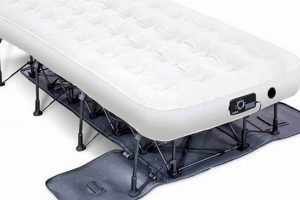
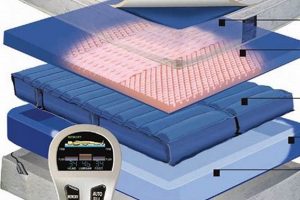
Specialized support surfaces alleviate pressure by cyclically inflating and deflating air cells. This dynamic action redistributes weight and reduces prolonged contact with any single area of the body. For example, patients confined to beds for extended periods often benefit from such a system to mitigate the risk of pressure ulcers.
The development of these pressure redistribution surfaces represents a significant advancement in patient care. Their ability to minimize sustained pressure contributes to improved blood circulation and reduced tissue damage. Historically, addressing pressure injuries required more intensive and often invasive interventions; these surfaces provide a proactive means of prevention.
The following sections will delve into the specific types of these support systems, their mechanisms of action, appropriate patient selection criteria, and considerations for optimal utilization and maintenance. Further discussion will also address the impact of these surfaces on patient outcomes and cost-effectiveness within the healthcare system.
Optimizing Use and Care
The following guidelines offer valuable insights into maximizing the therapeutic benefits and extending the lifespan of pressure-redistributing support surfaces.
Tip 1: Verify Proper Inflation: Regular inspection of the surface is crucial. Ensure the system achieves and maintains the prescribed inflation level, as under-inflation compromises pressure redistribution.
Tip 2: Utilize Appropriate Bed Linens: Avoid using thick or multiple layers of linen, as these can impede airflow and diminish the surface’s effectiveness. Opt for breathable, moisture-wicking fabrics.
Tip 3: Implement a Scheduled Repositioning Protocol: While the surface reduces pressure, it does not eliminate the need for regular repositioning. Implement a consistent turning schedule to further minimize sustained pressure on bony prominences.
Tip 4: Monitor Skin Integrity: Conduct thorough skin assessments at regular intervals, paying close attention to areas at high risk for pressure injuries. Early detection allows for prompt intervention.
Tip 5: Follow Manufacturer’s Cleaning Guidelines: Adhere strictly to the manufacturer’s recommended cleaning and disinfection procedures. Improper cleaning can damage the surface and compromise its antimicrobial properties.
Tip 6: Inspect for Damage: Routinely examine the surface for any signs of wear, tears, or punctures. Promptly repair or replace damaged components to maintain optimal performance.
Tip 7: Ensure Proper Weight Distribution: Confirm that the patient’s weight does not exceed the surface’s weight capacity. Overloading the surface can diminish its effectiveness and potentially damage the system.
Consistent adherence to these guidelines will contribute to optimal pressure redistribution, improved patient outcomes, and extended longevity of the device.
The subsequent section will explore the cost implications associated with the utilization of pressure-redistributing surfaces in diverse healthcare settings.
1. Pressure Redistribution

Pressure redistribution constitutes a fundamental operating principle of air loss mattresses. The design actively seeks to minimize sustained pressure on bony prominences, areas inherently susceptible to pressure injury development. This function is achieved through alternating inflation and deflation cycles within the mattress’s internal air cells. As individual cells deflate, pressure is relieved from the corresponding area of the patient’s body, while adjacent inflated cells assume the load. This cyclical shifting prevents prolonged tissue compression, mitigating ischemia and subsequent ulcer formation. For instance, a patient immobilized post-surgery benefits from this dynamic support, as their reduced mobility increases their vulnerability to pressure injuries. The air loss mattress proactively addresses this risk.
The effectiveness of pressure redistribution is directly linked to several factors, including the cycle time, cell configuration, and patient’s body weight and position. Shorter cycle times offer more frequent pressure relief, potentially reducing the risk of tissue damage. Cell configuration influences the distribution of pressure across the contact surface. Appropriate weight settings, calibrated to the patient’s specific needs, are essential for achieving optimal pressure redistribution. Failure to account for these variables can compromise the therapeutic benefits and increase the likelihood of pressure injury development. In practice, healthcare providers utilize pressure mapping technologies to objectively assess pressure distribution and fine-tune mattress settings for individual patients.
In summary, pressure redistribution is not merely a feature of air loss mattresses; it is the core mechanism by which they prevent pressure injuries. A thorough understanding of the principles governing pressure redistribution is crucial for healthcare professionals to effectively utilize these support surfaces and optimize patient outcomes. While effective, air loss mattresses require vigilant monitoring and adherence to established protocols to ensure continued efficacy. Further research exploring advanced pressure redistribution strategies and their impact on long-term patient outcomes remains warranted.
2. Skin Protection

Skin protection is a primary objective in the application of air loss mattresses. The direct correlation between prolonged pressure and skin breakdown necessitates effective strategies to mitigate this risk. Air loss mattresses address this need by continuously redistributing pressure, minimizing the duration and intensity of compression on vulnerable skin areas. For instance, elderly patients with fragile skin or individuals with impaired mobility are highly susceptible to pressure injuries. The use of these mattresses provides a proactive defense against such complications. Without consistent pressure redistribution, the risk of developing pressure ulcers significantly increases, leading to pain, infection, and extended hospital stays.
The efficacy of skin protection afforded by air loss mattresses hinges on several factors, including appropriate mattress selection, proper inflation levels, and adherence to established skin care protocols. The mattress’s ability to conform to the patient’s body contours and dynamically adjust pressure distribution is critical in preventing localized areas of high pressure. Complementary skin care practices, such as regular skin assessments, moisture management, and nutritional support, further enhance skin integrity. Consider the case of a paraplegic patient requiring long-term bed rest; the combination of an air loss mattress and diligent skin care management is essential in preventing debilitating pressure ulcers and maintaining skin health.
In conclusion, skin protection is an inherent
and indispensable component of air loss mattress therapy. This technology’s capacity to alleviate pressure and promote optimal skin health contributes significantly to improved patient outcomes and reduced healthcare costs. However, the full potential of skin protection is realized only when air loss mattresses are integrated into a comprehensive pressure injury prevention program. Continued research into advanced mattress designs and optimized skin care protocols will further enhance the effectiveness of these interventions and promote optimal patient well-being.
3. Adjustable Comfort

The integration of adjustable comfort within air loss mattress systems directly impacts patient satisfaction and therapeutic adherence. Air pressure modulation allows clinicians to tailor the support surface to individual patient needs, addressing variations in body weight, skeletal structure, and pain thresholds. Inadequate comfort can lead to restlessness, increased agitation, and non-compliance with prescribed bed rest, thereby negating the intended benefits of pressure redistribution. The ability to fine-tune the mattress’s firmness is thus a critical factor in promoting relaxation, sleep quality, and overall well-being, contributing to a more conducive environment for healing and recovery. For instance, a patient recovering from extensive burns might require a softer surface to minimize discomfort, while a heavier individual may necessitate a firmer setting to prevent bottoming out and ensure adequate pressure relief. This adaptability distinguishes advanced air loss mattress systems from static support surfaces.
The clinical significance of adjustable comfort extends beyond subjective patient perception. Proper comfort levels facilitate optimal body alignment, reducing strain on joints and muscles, and minimizing the risk of secondary complications such as contractures and postural deformities. Furthermore, enhanced comfort can decrease the need for analgesic medications, which may have adverse side effects. In practice, adjustable comfort features enable healthcare providers to proactively manage patient comfort levels, optimizing the therapeutic benefits of pressure redistribution while promoting a more humane and patient-centered care experience. The provision of user-friendly controls further empowers patients to participate in their care by adjusting the mattress settings to their preferred level of comfort, fostering a sense of control and autonomy.
In summary, adjustable comfort is not merely a superficial amenity but an integral component of air loss mattress systems, influencing patient compliance, pain management, and overall therapeutic outcomes. While achieving optimal comfort levels requires careful assessment and individualized adjustments, the benefits of this feature are substantial. Future research should focus on developing more sophisticated comfort adjustment algorithms that automatically adapt to patient movements and pressure distribution patterns, further enhancing the effectiveness and personalization of air loss mattress therapy. The challenge lies in balancing the need for pressure redistribution with the provision of optimal comfort, ensuring that both objectives are effectively met to maximize patient well-being and minimize the risk of pressure injuries.
4. Therapeutic Support

Therapeutic support, in the context of air loss mattresses, encompasses a range of features and functionalities designed to promote healing, alleviate pain, and improve overall patient well-being. The effectiveness of an air loss mattress is not solely dependent on pressure redistribution but also on its capacity to provide optimized support tailored to the individual’s specific medical condition and physical needs. Several key facets contribute to the therapeutic value of these specialized surfaces.
- Pain Management
Air loss mattresses often incorporate features designed to minimize pain, a common complaint among patients requiring extended bed rest. By reducing pressure on sensitive areas and promoting better blood circulation, these surfaces can alleviate discomfort and contribute to improved pain management. For instance, patients recovering from surgical procedures or managing chronic pain conditions may experience significant relief through the use of a properly adjusted air loss mattress. In practice, this means reduced reliance on analgesic medications and improved patient satisfaction.
- Enhanced Circulation
One of the most significant benefits of air loss mattresses is their ability to promote improved blood circulation. Prolonged pressure on tissues can restrict blood flow, leading to ischemia and tissue damage. By cyclically redistributing pressure, these mattresses help maintain adequate circulation, facilitating oxygen delivery to tissues and accelerating the healing process. Patients with compromised circulation, such as those with diabetes or peripheral vascular disease, benefit significantly from this enhanced circulatory support. This can translate to faster wound healing and reduced risk of complications.
- Postural Alignment
Maintaining proper postural alignment is crucial for preventing musculoskeletal complications during prolonged bed rest. Air loss mattresses can be adjusted to provide targeted support to different body regions, promoting optimal spinal alignment and reducing strain on joints and muscles. This is particularly important for patients with pre-existing musculoskeletal conditions or those at risk of developing contractures. For example, patients recovering from spinal injuries or strokes may require specialized postural support to prevent further complications and facilitate rehabilitation.
- Wound Healing Environment
Air loss mattresses create an environment conducive to wound healing. By minimizing pressure, shear, and friction, these surfaces reduce the risk of further tissue damage and promote the formation of new tissue. Furthermore, some air loss mattresses incorporate moisture-wicking materials and air circulation features to maintain a dry and clean wound environment, reducing the risk of infection. Patients with pressure ulcers or other open wounds benefit from this specialized support, which can accelerate the healing process and improve clinical outcomes.
These facets of therapeutic support underscore the comprehensive benefits of air loss mattresses beyond simple pressure redistribution. By addressing pain, promoting circulation, maintaining postural alignment, and creating a conducive wound healing environment, these surfaces contribute significantly to improved patient outcomes and overall well-being. The application of air loss mattress therapy should be individualized based on the patient’s specific needs and medical condition to maximize its therapeutic potential.
5. Infection Control

The integration of rigorous infection control protocols is paramount in the effective utilization of air loss mattresses. These surfaces, frequently employed in high-acuity settings, present unique challenges related to microbial contamination and the potential for healthcare-associated infections (HAIs). Understanding and implementing comprehensive infecti
on control measures are essential to mitigate these risks and safeguard patient health.
- Material Compatibility
The materials comprising air loss mattresses must be compatible with hospital-grade disinfectants to facilitate thorough cleaning without compromising the integrity of the surface. Incompatible materials can degrade upon exposure to harsh chemicals, creating microscopic cracks that harbor microorganisms. For instance, a mattress constructed with a disinfectant-resistant polymer allows for effective eradication of pathogens following patient discharge, reducing the risk of cross-contamination. Furthermore, the design should minimize seams and crevices, which are notoriously difficult to disinfect and serve as potential reservoirs for microbial growth.
- Cleaning Protocols
Adherence to standardized cleaning and disinfection protocols is critical in preventing the spread of infection. These protocols must specify the appropriate disinfectants, contact times, and cleaning techniques to ensure effective eradication of pathogens. A systematic approach, such as wiping down the entire surface with a validated disinfectant solution and allowing sufficient contact time, is essential. Failure to adhere to these protocols can result in residual contamination, increasing the risk of HAIs. Regular training and auditing of cleaning staff are necessary to ensure consistent compliance with established procedures.
- Air Filtration Systems
Certain air loss mattresses incorporate internal air filtration systems to prevent the dissemination of airborne pathogens. These systems typically utilize high-efficiency particulate air (HEPA) filters to remove microorganisms from the air circulated within the mattress. This feature is particularly important in environments with immunocompromised patients, where exposure to airborne pathogens can have severe consequences. Routine maintenance and filter replacement are essential to ensure the continued effectiveness of these systems. The presence of a functional air filtration system contributes significantly to reducing the overall risk of infection.
- Antimicrobial Surface Treatments
Some manufacturers incorporate antimicrobial agents directly into the mattress material to inhibit the growth of bacteria, fungi, and other microorganisms. These treatments can provide an additional layer of protection against infection, supplementing standard cleaning and disinfection protocols. Silver ions, for example, are commonly used for their broad-spectrum antimicrobial properties. While these treatments can be effective, they should not be considered a replacement for thorough cleaning and disinfection. Furthermore, the long-term efficacy of antimicrobial surface treatments requires ongoing monitoring to ensure that pathogens do not develop resistance.
In summary, infection control is an indispensable aspect of air loss mattress management. From material selection and cleaning protocols to air filtration systems and antimicrobial surface treatments, a multifaceted approach is essential to mitigate the risk of HAIs. Consistent adherence to established protocols, coupled with ongoing monitoring and evaluation, is crucial to ensure the safety and well-being of patients utilizing these specialized support surfaces.
6. Maintenance Schedule

The consistent execution of a comprehensive maintenance schedule is paramount to ensuring the continued efficacy and longevity of air loss mattresses. These specialized support surfaces are integral to pressure injury prevention and require meticulous upkeep to function optimally. Neglecting routine maintenance can compromise performance, increase the risk of device failure, and potentially jeopardize patient safety.
- Regular Inspection of Air Cells and Connections
Routine visual inspection of the air cells and connecting hoses is essential. This process identifies potential leaks, punctures, or disconnections that can diminish the mattress’s ability to maintain proper inflation and pressure redistribution. For example, a small puncture in an air cell can gradually lead to reduced air pressure, compromising the mattress’s therapeutic effectiveness. Addressing these issues promptly prevents further degradation and maintains the system’s intended performance.
- Calibration and Pressure Setting Verification
Periodic calibration of the mattress’s pressure settings is necessary to ensure accurate pressure delivery based on the patient’s weight and individual needs. Over time, pressure sensors can drift, leading to inaccurate readings and potentially inadequate pressure redistribution. Verifying pressure settings against a calibrated pressure gauge ensures that the mattress is providing the appropriate level of support. For instance, an inaccurate pressure setting could result in either excessive pressure, increasing the risk of skin breakdown, or insufficient pressure, negating the intended benefits of the air loss system.
- Cleaning and Disinfection Regimen
Adhering to a strict cleaning and disinfection schedule is critical for preventing the spread of healthcare-associated infections. Air loss mattresses, particularly those used in acute care settings, are susceptible to contamination with pathogens. Utilizing appropriate cleaning agents and following established disinfection protocols minimizes the risk of microbial growth and transmission. For example, a mattress that is not properly disinfected between patients can harbor bacteria and fungi, potentially leading to infections in subsequent users. Consistent cleaning practices safeguard patient health and maintain a hygienic environment.
- Assessment of the Control Unit and Power Supply
The control unit and power supply are critical components of air loss mattresses, regulating air pressure and ensuring continuous operation. Regular assessment of these components identifies potential malfunctions, such as overheating, power fluctuations, or control panel errors. For instance, a faulty control unit could lead to inconsistent air pressure or complete system failure, rendering the mattress ineffective. Proactive assessment and timely repair of these components are essential for maintaining uninterrupted therapeutic support.
By diligently adhering to a well-defined maintenance schedule, healthcare facilities can maximize the lifespan and effectiveness of air loss mattresses. This proactive approach not only ensures optimal patient care but also contributes to cost savings by preventing premature equipment failure and minimizing the risk of complications associated with inadequate pressure redistribution. Consistent maintenance reflects a commitment to patient safety and underscores the importance of these specialized support surfaces in pressure injury prevention.
Frequently Asked Questions Regarding Air Loss Mattresses
The following section addresses common inquiries and misconceptions pertaining to air loss mattresses, providing factual information to aid in informed decision-making.
Question 1: What differentiates an air loss mattress from a standard hospital mattress?
An air loss mattress employs alternating inflation and deflation cycles within internal air cells to redistribute pressure. Standard hospital mattresses typically lack this dynamic pressure redistribution capability, potentially increasing the risk of pressure injury development.
Question 2: Are air loss mattresses suitable for all patients?
Air loss mattresses are no
t universally appropriate. Patient selection should be based on a comprehensive assessment of individual risk factors for pressure injury development, considering factors such as immobility, nutritional status, and pre-existing medical conditions. Consultation with a healthcare professional is recommended.
Question 3: How frequently should air loss mattresses be cleaned and disinfected?
Air loss mattresses require cleaning and disinfection between each patient use and periodically during extended use. Adherence to manufacturer-specified cleaning protocols, utilizing appropriate disinfectants, is crucial to prevent the spread of healthcare-associated infections.
Question 4: What is the expected lifespan of an air loss mattress?
The lifespan of an air loss mattress varies depending on factors such as usage frequency, maintenance practices, and environmental conditions. Regular inspection and adherence to a recommended maintenance schedule can prolong the mattress’s functional life.
Question 5: Can an air loss mattress completely eliminate the risk of pressure injuries?
While air loss mattresses significantly reduce the risk of pressure injuries, they do not guarantee complete prevention. A comprehensive pressure injury prevention strategy should encompass regular skin assessments, proper nutrition, and consistent repositioning, in addition to the use of a specialized support surface.
Question 6: Are specialized training requirements associated with the use of air loss mattresses?
Healthcare personnel should receive appropriate training on the operation, maintenance, and troubleshooting of air loss mattresses. This training ensures proper utilization of the device and contributes to optimal patient outcomes.
Proper understanding and application of air loss mattress technology require diligent adherence to established guidelines and ongoing education. These measures optimize the therapeutic benefits and minimize potential risks associated with their use.
The following section will delve into case studies that demonstrate the practical application of air loss mattresses in diverse clinical scenarios.
Conclusion
This exploration has illuminated the multifaceted nature of the air loss mattress, underscoring its function as a critical intervention in pressure injury prevention. Pressure redistribution, skin protection, adjustable comfort, therapeutic support, infection control, and rigorous maintenance are all intertwined in ensuring optimal patient outcomes. Furthermore, this technology necessitates informed application, adherence to established protocols, and a thorough understanding of its mechanisms.
The effective utilization of the air loss mattress is a cornerstone of modern patient care, and its continued evolution promises enhanced efficacy and improved patient well-being. Healthcare providers must remain vigilant in optimizing its application, contributing to the ongoing advancement of pressure injury prevention strategies and fostering a future where pressure injuries are significantly reduced.