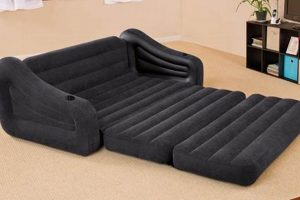
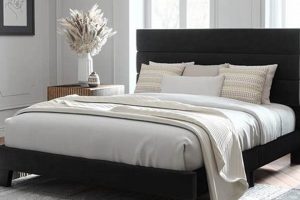
These textile coverings, designed specifically to encase a bed’s sleeping surface, provide a crucial barrier between the sleeper and the mattress. As an example, consider fitted cotton designed to fit snugly around a queen-sized bed providing comfort and protection.
The significance of using these coverings extends beyond mere aesthetics; they contribute significantly to hygiene by absorbing perspiration and preventing the accumulation of dust mites and allergens within the mattress itself. Historically, such coverings have evolved from simple cloths to sophisticated textiles with varying thread counts and materials, each offering distinct levels of comfort, durability, and ease of care. Their implementation helps extend the lifespan of a bed’s support surface and contributes to a more restful sleep environment.
The subsequent discussion will delve into the diverse range of materials available, explore the various weave types and their impact on breathability and texture, and offer guidance on selecting the appropriate size and fit for optimal performance and longevity.
Essential Guidance for Optimal Bedding Selection
Choosing appropriate coverings for a beds surface is crucial for comfort, hygiene, and mattress longevity. Consider the following recommendations for informed decision-making.
Tip 1: Prioritize Material Based on Climate and Personal Preference: Opt for breathable natural fibers like cotton or linen in warmer climates to regulate temperature and wick away moisture. In cooler environments, consider flannel or microfiber for added warmth and insulation.
Tip 2: Understand Thread Count’s Impact on Texture and Durability: While a high thread count (300-500) generally indicates a softer texture, focus on the quality of the material itself. Excessively high thread counts (over 500) may indicate inferior yarns.
Tip 3: Ensure Proper Fit for Reduced Wear and Enhanced Comfort: Accurately measure the mattress’s depth and dimensions before purchasing. A properly fitted set will prevent slippage, wrinkling, and premature wear due to friction.
Tip 4: Consider Weave Type for Specific Performance Characteristics: Percale offers a crisp, cool feel, while sateen provides a smooth, silky texture. Dobby weaves add subtle patterns and textures while increasing durability. Tailor the weave to meet individual comfort needs.
Tip 5: Implement Proper Laundry Practices for Longevity: Always follow the manufacturer’s care instructions. Wash regularly in cool water with a gentle detergent. Avoid harsh chemicals and excessive heat during drying to preserve the material’s integrity.
Tip 6: Invest in Multiple Sets for Rotation and Extended Use: Rotating multiple sets helps to extend the lifespan of each set by reducing wear and tear. This practice also ensures a fresh and clean sleeping surface is always available.
Tip 7: Assess Hypoallergenic Qualities to Enhance Health and Wellbeing: For individuals with allergies or sensitivities, select options that are explicitly labeled as hypoallergenic or made from materials resistant to dust mites and allergens. Consider organic options to minimize exposure to chemicals and irritants.
By adhering to these guidelines, individuals can ensure they select coverings that offer optimal comfort, hygiene, and longevity, thereby contributing to a more restful and healthy sleep experience.
The ensuing section will explore the different types and sizes available, in addition to maintenance and cleaning recommendations to prolong their lifespan.
1. Material
The material composition is a foundational characteristic that dictates its performance, comfort, and durability. The choice of material directly impacts several key factors, including breathability, moisture-wicking capabilities, texture, and resistance to wear and tear. For example, cotton, a widely used material, is favored for its breathability and affordability, making it a suitable option for everyday use. Linen, known for its exceptional breathability and temperature regulation, tends to be more expensive but offers superior comfort in warmer climates. Synthetic materials, such as polyester or microfiber, are often chosen for their durability, wrinkle resistance, and lower cost. However, these materials may not offer the same level of breathability as natural fibers.
The practical implications of selecting the correct material extend beyond mere comfort. Improper material choice can lead to discomfort, disrupted sleep, and even skin irritation. For instance, using non-breathable synthetic coverings in hot climates can trap heat and moisture, creating an uncomfortable sleeping environment and potentially contributing to skin problems. Conversely, choosing a material that is not durable enough can result in premature wear and tear, requiring frequent replacements. Consider the real-world scenario of a hotel selecting coverings for its beds; a durable, easy-to-care-for blend of cotton and polyester might be preferred over a more delicate material like silk, balancing comfort with cost-effectiveness and longevity.
In summary, the material selection is a critical decision that significantly influences the overall performance, comfort, and lifespan. Understanding the properties of different materials, such as breathability, durability, and texture, is essential for making an informed choice that aligns with individual needs and preferences. Challenges arise in balancing cost considerations with desired comfort levels and durability requirements. Ultimately, the right material is a balance between cost, comfort, and longevity considerations.
2. Thread Count
Thread count, referring to the number of horizontal and vertical threads per square inch of fabric, represents a significant, albeit often misunderstood, factor in the context of coverings intended for mattresses. While a higher thread count is often marketed as indicative of superior quality and softness, the reality is more nuanced. A higher thread count can contribute to a smoother and denser fabric, but only when coupled with high-quality fibers. Lower-quality materials with excessively high thread counts often achieve this number by using thinner, weaker threads, leading to reduced durability and a less comfortable feel. This cause-and-effect relationship highlights the importance of considering both the thread count and the fiber quality when selecting coverings. A real-life example would be a comparison between two sets of cotton coverings: one with a thread count of 300 using long-staple cotton and another with a thread count of 600 using short-staple cotton. The former, despite having a lower number, is likely to be softer, more durable, and less prone to pilling due to the superior quality of its fibers.
The practical significance of understanding this distinction lies in avoiding deceptive marketing practices and making informed purchasin
g decisions. Consumers often equate a high number with quality, leading them to overpay for coverings that may not deliver the expected benefits. Retailers, however, can promote their product. From a retail perspective, the customer is getting product information. From a consumer standpoint, it’s about gaining sufficient product information from marketing claims. A further practical application is in the institutional setting, such as hospitals or hotels, where durability and longevity are paramount. Selecting coverings based solely on thread count could lead to premature wear and increased replacement costs. Therefore, a comprehensive evaluation that includes fiber type, weave, and construction is essential for maximizing value and performance.
In summary, while thread count remains a relevant characteristic, it should not be the sole determinant of quality. Its impact on the overall feel and durability is contingent upon the quality of the raw materials. The challenge lies in discerning genuine quality from marketing hype. Educated consumers prioritize fiber quality and weave construction, resulting in choices that align with their needs for comfort, longevity, and overall value. Discerning consumers should thus approach claims of high thread count with a critical eye and consider the totality of the fabric’s characteristics.
3. Size

The dimensional compatibility between coverings and a mattress is a critical determinant of both comfort and the protective function of the covering itself. Incorrect dimensions result in either an excessively loose fit, leading to slippage, wrinkling, and diminished comfort, or a fit that is too tight, potentially causing undue stress on the seams and premature wear. This has a direct cause-and-effect relationship. For example, a covering designated as ‘queen’ applied to a ‘king’ mattress will undoubtedly be inadequate, failing to fully cover the surface and leaving portions of the mattress exposed to potential soiling and damage. Conversely, a ‘king’ covering on a ‘twin’ mattress creates an unmanageable excess of fabric, impairing sleep quality and potentially creating safety hazards. The importance of accurate sizing cannot be overstated; it is fundamental to the functionality of the coverings.
The practical significance of understanding size specifications extends beyond mere aesthetics. In a hospitality setting, such as a hotel, correctly sized linens are essential for maintaining a professional appearance and ensuring guest satisfaction. Ill-fitting coverings reflect poorly on the establishment and contribute to negative reviews. Furthermore, in healthcare facilities, properly fitted coverings are crucial for infection control, as they provide a barrier against contaminants and facilitate efficient cleaning and disinfection protocols. The consequences of neglecting proper sizing can range from minor inconveniences to significant operational and health-related issues. Selecting the appropriate size, therefore, requires precise measurement of the mattress’s length, width, and depth (for fitted designs) and a thorough understanding of the various standardized sizing conventions.
In summary, accurately matching the size of coverings to the mattress is a foundational element in ensuring both comfort and protection. Challenges arise in navigating inconsistencies in sizing standards across different manufacturers and regions. To address these, careful attention to detailed product specifications and adherence to standardized measurement protocols are essential. Prioritizing appropriate size considerations directly contributes to a positive sleep experience and prolongs the lifespan of both the mattress and its covering, reflecting responsible purchasing decisions.
4. Weave

The weave, referring to the interlacing pattern of warp and weft threads, represents a primary determinant of the tactile qualities, durability, and aesthetic characteristics of coverings. Different weave structures inherently produce distinct performance attributes. Percale, characterized by a plain, tight weave, yields a crisp, cool feel that is resistant to pilling and wear. Sateen, distinguished by its satin-like finish achieved through floating warp threads, provides a softer, smoother texture but is often more susceptible to snagging and abrasion. Twill, identifiable by its diagonal rib pattern, offers enhanced durability and wrinkle resistance. The causal relationship is evident: the specific interlacing method directly influences the final product’s hand feel, resilience, and appearance. Consider the scenario of selecting coverings for a commercial laundry environment; percale or twill weaves would be preferred for their ability to withstand frequent washing and handling, while sateen might be reserved for premium settings where comfort is prioritized over longevity.
The practical significance of understanding weave types lies in aligning material choices with specific user needs and application contexts. For instance, individuals with sensitive skin may benefit from the smooth texture of sateen, whereas those prioritizing longevity and ease of care would opt for percale. In healthcare settings, a tightly woven fabric that is resistant to fluid penetration and easy to disinfect is paramount. The weave also impacts breathability, influencing temperature regulation and comfort during sleep. An open weave, such as that found in some linen fabrics, promotes airflow, making it ideal for warmer climates. The selection of a suitable weave, therefore, requires a careful assessment of the desired performance characteristics, the intended use environment, and the trade-offs between comfort, durability, and cost.
In summary, the weave is a fundamental component that shapes the properties of coverings. While subjective preferences play a role, a rational selection process necessitates an understanding of the inherent characteristics of different weave types and their implications for comfort, durability, and maintenance. Challenges arise in interpreting marketing claims that often oversimplify the complexities of weave construction. Informed consumers prioritize tangible attributes, considering factors such as thread density, fiber quality, and intended use, to ensure that their selection aligns with their specific needs and expectations.
5. Care

Proper maintenance protocols are paramount to preserving the integrity and longevity of textile coverings used on mattresses. Inadequate or inappropriate care practices can compromise the fabric’s structural integrity, diminish its aesthetic appeal, and promote the proliferation of allergens and microorganisms. The following facets highlight key considerations for optimal upkeep.
- Regular Washing Frequency
Consistent laundering, typically every one to two weeks, is essential to remove accumulated body oils, sweat, and dust mites. Infrequent washing allows these contaminants to penetrate the fibers, potentially leading to staining, odor retention, and increased allergen exposure. A practical example is the difference between a frequently laundered set, retaining its pristine appearance and hypoallergenic properties, and a neglected one, exhibiting discoloration and harboring significant allergen loads.
- Appropriate Washing Temperature and Detergent Selection
The wash temperature influences the
effectiveness of stain removal and microbial inactivation. Hot water (above 130F/54C) is generally recommended for disinfection, but may damage certain fabrics. Gentle detergents, free from harsh chemicals and dyes, prevent fiber degradation and minimize skin irritation. For example, utilizing bleach on colored sets may cause irreversible fading, while using overly harsh detergents may weaken the fabric’s fibers. - Proper Drying Techniques
Drying methods significantly impact the fabric’s texture and durability. Over-drying, particularly at high heat, can cause shrinkage, fiber damage, and increased wrinkling. Air drying, although time-consuming, is the gentlest method. Tumble drying at low heat minimizes potential damage. For instance, line-drying linen coverings preserves their natural texture and extends their lifespan, while excessive tumble drying can lead to irreversible shrinkage.
- Storage Considerations
Proper storage protects clean coverings from dust, moisture, and pests. Storing them in a cool, dry, well-ventilated area, ideally in a linen closet or storage container, prevents mildew growth and insect infestation. Storing damp or soiled coverings in enclosed spaces promotes microbial proliferation, leading to unpleasant odors and potential fabric damage. Consider storing the coverings properly to prevent any future issues.
Collectively, these facets demonstrate that proactive and informed maintenance practices are indispensable for maximizing the lifespan, comfort, and hygiene of mattress coverings. By adhering to recommended washing frequencies, selecting appropriate detergents and drying techniques, and implementing proper storage protocols, individuals can ensure that their coverings remain clean, comfortable, and free from allergens and contaminants.
6. Fit

The dimensional relationship between coverings and the mattress directly impacts both user comfort and protective functionality. An ill-fitting covering, irrespective of material or thread count, undermines its intended purpose. A loose covering bunches, wrinkles, and shifts during sleep, diminishing comfort and potentially leading to disturbed rest. Conversely, a covering that is too small places undue stress on seams, hastening wear and potentially resulting in tearing or compromised elasticity. This cause-and-effect dynamic underscores that proper sizing is not merely an aesthetic concern, but a fundamental requirement for the covering to perform its intended role effectively. A real-world example is observed in hospital environments where ill-fitting coverings present hygiene concerns; gaps expose the mattress to potential contamination, compromising infection control protocols.
The practical significance of selecting coverings that precisely match the mattress dimensions extends to economic considerations. Premature wear due to stress from an inadequate fit necessitates more frequent replacement, increasing long-term costs. In the hospitality sector, ensuring consistently well-fitted coverings is paramount to maintaining guest satisfaction and upholding brand standards. Furthermore, in residential settings, a properly fitted covering enhances the overall aesthetic appeal of the bed and promotes a sense of order and cleanliness. This requires careful consideration of mattress depth, particularly with the increasing prevalence of thicker pillow-top models, and adherence to accurate measurement protocols prior to purchase. The selection process involves verifying specified dimensions against actual mattress measurements, and acknowledging that standardized size designations may vary between manufacturers.
In summary, proper fit is an indispensable attribute of coverings, directly influencing user comfort, mattress protection, and long-term cost-effectiveness. Challenges exist in navigating inconsistent sizing standards and accounting for variations in mattress depth. Successful selection necessitates meticulous measurement and a commitment to verifying product specifications. Prioritizing correct fit optimizes the performance of the covering, contributing to a more restful sleep environment and extending the lifespan of both the mattress and the covering itself.
7. Hypoallergenic
The designation “hypoallergenic” applied to coverings intended for mattresses signifies a reduced propensity to elicit allergic reactions in susceptible individuals. This characteristic is of increasing relevance given the escalating prevalence of allergies and sensitivities to common household allergens.
- Material Composition and Allergenicity
The intrinsic properties of the textile fibers used in coverings significantly influence their allergenic potential. Natural fibers, such as cotton and linen, can be inherently hypoallergenic, provided they are processed without harsh chemicals or dyes. Synthetic materials, such as microfiber, are often touted as hypoallergenic due to their tightly woven structure, which minimizes the accumulation of dust mites and other allergens. For example, organic cotton is produced without synthetic pesticides or fertilizers, reducing the risk of chemical sensitivities, while tightly woven microfiber prevents the penetration of allergens.
- Weave Density and Allergen Barrier Function
The weave density of the covering acts as a physical barrier against allergens. Tightly woven fabrics restrict the passage of dust mites, pet dander, and mold spores, preventing them from penetrating the mattress. Percale and tightly woven sateen constructions are particularly effective in minimizing allergen accumulation. A real-world illustration is the implementation of tightly woven coverings in healthcare facilities to reduce the risk of allergen exposure for patients with respiratory conditions.
- Chemical Treatments and Sensitization Risk
Chemical finishes applied to coverings, such as wrinkle-resistant or stain-resistant treatments, can introduce potential allergens or irritants. Formaldehyde-based resins, commonly used in permanent press finishes, are known sensitizers. Choosing coverings certified as free from harmful chemicals, such as those bearing the OEKO-TEX Standard 100 label, minimizes the risk of chemical-induced allergic reactions. As an example, opting for untreated or naturally treated materials reduces exposure to potential irritants, benefiting individuals with sensitive skin.
- Maintenance Practices and Allergen Control
Regular laundering of coverings is essential for removing accumulated allergens. Washing in hot water (at least 130F or 54C) effectively kills dust mites. The use of hypoallergenic detergents, free from fragrances and dyes, further minimizes the risk of allergic reactions. Consider a scenario where consistent, allergen-conscious laundering of coverings significantly reduces the allergen load in the sleeping environment, improving the quality of life for individuals with allergies.
In summation, the hypoallergenic attribute of coverings intended for mattresses is multifaceted, encompassing material selection, weave construction, chemical treatments, and maintenance protocols. The integration of these factors provides a comprehensive approach to minimizing allergen exposure and promoting a healthier sleep environment. Understanding these interdependencies facilitates informed decision-making and contributes to enhanced well-being for allergy-prone individuals.
Frequently Asked
Questions
The following elucidates common inquiries pertaining to textile coverings intended for use on mattresses.
Question 1: What constitutes an optimal thread count for bed sheets?
The designation “optimal” is contingent upon material quality. A higher number does not invariably denote superior quality. Focus on fiber type, such as long-staple cotton, rather than solely relying on thread count.
Question 2: How frequently should bed sheets be laundered?
Laundering every one to two weeks is advisable for hygiene. More frequent washing may be necessary for individuals with allergies or sensitivities.
Question 3: What differentiates percale from sateen weave?
Percale exhibits a plain weave, yielding a crisp feel. Sateen features a satin-like weave, resulting in a smoother texture but potentially reduced durability.
Question 4: Are high-priced bed sheets necessarily superior in quality?
Price does not guarantee quality. Evaluate material composition, weave, and construction rather than relying solely on cost as an indicator.
Question 5: What considerations apply when selecting bed sheets for a memory foam mattress?
Breathability and proper fit are critical. Memory foam retains heat, so opt for breathable materials like cotton or linen. Ensure the fitted sheet accommodates the mattress depth.
Question 6: How does one ascertain the correct size for bed sheets?
Measure the mattress’s length, width, and depth. Consult size charts provided by the manufacturer, acknowledging potential variations in standardized dimensions.
The above provides a concise overview of factors influencing the selection and maintenance of textile coverings for mattresses.
Subsequent sections will examine case studies illustrating the application of these principles in diverse settings.
Conclusion
The preceding analysis underscores the multifaceted nature of selecting coverings intended for mattresses. Key considerations encompass material composition, thread count, weave structure, dimensional compatibility, care protocols, fit, and hypoallergenic properties. Each factor contributes significantly to the overall performance, comfort, and longevity of the covering, as well as the protection of the underlying mattress. A deficiency in any of these areas can compromise the intended functionality and diminish the user experience.
In light of the intricate interplay of these variables, a discerning approach is paramount. Prioritizing informed evaluation over reliance on generalized marketing claims will yield optimal results. Continued awareness of advancements in textile technology and evolving standards in hygiene and comfort will further refine the selection process, ensuring bedding solutions that promote both restful sleep and enduring value.
![Best Sofa Bed Blow Up Mattress [Guide & Deals] | Organic & Natural Mattress Buyer’s Guide: Non-Toxic Sleep Solutions](https://mattressworldpa.com/wp-content/uploads/2025/07/th-7311-300x200.jpg "Best Sofa Bed Blow Up Mattress [Guide & Deals] Organic & Natural Mattress Buyer’s Guide: Non-Toxic Sleep Solutions")
![Best Double Bed Blow Up Mattress [Guide] for Camping | Organic & Natural Mattress Buyer’s Guide: Non-Toxic Sleep Solutions](https://mattressworldpa.com/wp-content/uploads/2025/07/th-7308-300x200.jpg "Best Double Bed Blow Up Mattress [Guide] for Camping Organic & Natural Mattress Buyer’s Guide: Non-Toxic Sleep Solutions")