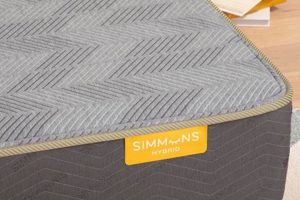
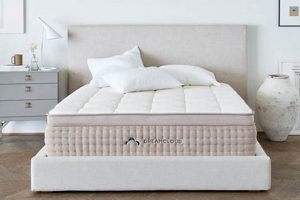
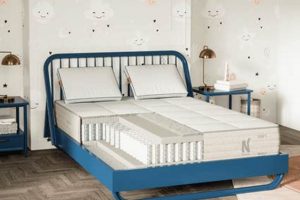
These specialized sleep systems offer enhanced customization and support compared to traditional bed setups. They typically consist of a motorized base that can be adjusted to various positions, and a compatible mattress designed to conform to these contours. This provides users with the ability to elevate the head and feet, and sometimes adjust other sections of the bed, for personalized comfort. As an example, one might raise the head slightly to alleviate snoring or elevate the legs to improve circulation.
The primary advantage lies in the optimization of sleep posture and pressure relief. By allowing users to fine-tune their sleeping position, these systems can contribute to reduced back pain, improved respiratory function, and enhanced blood flow. Historically, these beds were primarily found in hospitals to assist patients with specific medical needs. However, advancements in technology and materials have made them increasingly accessible for home use, evolving from purely medical devices to lifestyle enhancements promoting overall well-being.
The following sections will delve into the key considerations when selecting such a system, including mattress types, base features, and factors that contribute to overall user satisfaction. Careful evaluation of these elements will ensure an informed decision that aligns with individual needs and preferences.
Key Considerations for Optimal Selection
The selection of an appropriate adjustable bed and mattress requires careful consideration of individual needs and preferences. The following tips offer guidance in making an informed decision.
Tip 1: Mattress Compatibility: Ensure the chosen mattress is specifically designed for use with an adjustable base. Mattresses constructed with excessive rigidity may impede proper articulation and potentially damage the base mechanism. Hybrid and latex mattresses are often suitable choices due to their flexibility and durability.
Tip 2: Base Motor Strength and Noise Level: Evaluate the motor’s capacity to handle the combined weight of the mattress and user. A robust motor ensures smooth and reliable adjustments. Additionally, consider the noise level during operation, opting for a model with a quiet motor to minimize sleep disturbances.
Tip 3: Range of Adjustability: Consider the degree of incline and decline offered by the base. A wider range of adjustability allows for more customized positioning, catering to individual preferences for reading, watching television, or alleviating specific medical conditions.
Tip 4: Foundation Stability: Inspect the base’s frame and legs for structural integrity. A stable foundation prevents wobbling and ensures consistent support throughout the range of motion. Heavy-gauge steel frames are generally preferred for their durability.
Tip 5: Remote Control Functionality: Assess the ease of use and features of the remote control. Backlit buttons, pre-set positions (e.g., zero gravity, anti-snore), and memory settings can significantly enhance user experience.
Tip 6: Warranty and Return Policy: Carefully review the manufacturer’s warranty and return policy. A comprehensive warranty protects against defects in materials and workmanship, while a generous return policy allows for a trial period to ensure satisfaction with the product.
Tip 7: Consider Additional Features: Explore features such as massage functions, USB charging ports, and under-bed lighting. These amenities can add convenience and enhance the overall user experience, though they should not be prioritized over core functionality and reliability.
By carefully weighing these factors, individuals can confidently select a sleep system that promotes comfort, supports healthy sleep habits, and improves overall well-being.
The subsequent section will provide a deeper discussion on advanced feature sets and emerging technologies in adjustable bed and mattress systems.
1. Mattress Material Compatibility

Mattress material compatibility is a critical determinant of satisfaction with adjustable bed systems. The optimal performance of an adjustable bed hinges on the mattress’s ability to conform to the base’s articulating sections without compromising support or durability. Incompatible mattress materials can impede the full range of motion, reduce comfort, and potentially damage either the mattress or the adjustable base. For example, a traditional innerspring mattress, with its rigid coil structure, may not flex appropriately, leading to uneven support and accelerated wear. Conversely, memory foam or latex mattresses, known for their flexibility and contouring properties, are generally well-suited for adjustable beds.
The choice of mattress material directly impacts the ergonomic benefits associated with adjustable beds. When a mattress conforms correctly, it allows the user to experience the intended pressure relief and spinal alignment offered by various adjustable positions. Improper compatibility can negate these benefits, resulting in discomfort or even exacerbating existing musculoskeletal issues. Consider a scenario where an individual purchases an adjustable bed to alleviate back pain, only to find that their existing innerspring mattress prevents them from achieving a comfortable and supportive position. This highlights the practical significance of understanding material compatibility when investing in an adjustable sleep system.
In summary, material compatibility is not merely a supplementary consideration but an essential element in realizing the full potential of an adjustable bed. Neglecting this aspect can lead to suboptimal performance, reduced lifespan of the mattress and base, and compromised user comfort. Therefore, careful evaluation of mattress material and its suitability for adjustable bases is paramount to achieving a truly optimal and beneficial sleep experience. It is essential to consider these factors when assessing “best adjustable beds and mattress”.
2. Base Motor Reliability

The reliability of the base motor is a cornerstone of effective adjustable bed systems. A robust and dependable motor ensures the bed functions as intended, providing consistent support and adjustability over the product’s lifespan. The motor’s performance directly affects the user’s ability to attain optimal comfort and therapeutic benefits, factors that significantly contribute to the overall value and perceived quality of “best adjustable beds and mattress”.
- Motor Duty Cycle and Lifespan
The duty cycle, which refers to the amount of time a motor can operate before needing a cooling period, directly impacts its lifespan. Motors with higher duty cycles and built-in thermal protection mechanisms are more resilient to frequent adjustments and heavy use. For instance, a motor rated for c
ontinuous operation ensures the bed can be adjusted multiple times throughout the day without overheating or premature wear, enhancing the longevity and practicality of the adjustable bed. - Noise Level During Operation
A reliable motor should operate quietly to minimize disturbances during sleep or rest. Excessive noise can negate the comfort benefits of an adjustable bed, particularly for individuals sensitive to sound. A high-quality motor utilizes advanced dampening materials and precision engineering to reduce noise levels, promoting a more restful and therapeutic experience. The difference between a quiet and noisy motor can significantly affect the user’s perception of the bed’s overall quality and value.
- Weight Capacity and Lifting Strength
The motor’s weight capacity and lifting strength are critical for ensuring the bed can accommodate the combined weight of the mattress and user without strain. A motor with insufficient power may struggle to lift the bed smoothly, leading to uneven adjustments or even motor failure. Selecting a motor with a sufficient weight rating ensures consistent and reliable performance, contributing to the durability and usability of the adjustable bed.
- Control System Integration
The motor’s integration with the control system, whether through a remote control or smartphone app, impacts the ease of use and overall functionality of the adjustable bed. A reliable control system allows for precise adjustments and memory settings, enabling users to effortlessly find their preferred positions. A poorly integrated control system can lead to frustrating user experiences, diminishing the perceived value of the adjustable bed system.
In conclusion, base motor reliability is intrinsically linked to the long-term satisfaction and effectiveness of “best adjustable beds and mattress”. By prioritizing motors with robust duty cycles, quiet operation, adequate weight capacity, and seamless control system integration, manufacturers and consumers can ensure a more durable, functional, and ultimately, more beneficial sleep experience. The reliability of the motor, therefore, represents a fundamental attribute that defines the overall quality of such sleep systems.
3. Adjustability Range

The adjustability range is a fundamental characteristic that defines the utility and value of adjustable beds. This parameter determines the extent to which the bed can be manipulated into various positions, directly impacting comfort, therapeutic benefits, and overall user satisfaction. A comprehensive understanding of adjustability range is essential when considering “best adjustable beds and mattress” options.
- Head Incline Capacity
The capacity for head incline is a primary component of adjustability range. A greater degree of incline allows users to elevate their head and upper body to a more upright position, facilitating activities such as reading, watching television, or alleviating symptoms of acid reflux and sleep apnea. For instance, individuals with respiratory issues may find that a steeper head incline improves airflow and reduces snoring, contributing to a more restful sleep. The absence of sufficient head incline limits the versatility and therapeutic applications of the adjustable bed.
- Foot Elevation Capability
Foot elevation capability is another critical aspect of adjustability range. Raising the lower extremities promotes circulation, reduces swelling, and alleviates pressure on the lower back. This is particularly beneficial for individuals with edema, varicose veins, or other circulatory conditions. For example, elevating the legs after a long day of standing can significantly reduce discomfort and promote faster recovery. A limited foot elevation range restricts these potential health benefits and diminishes the bed’s overall value.
- Articulation Points and Zones
The number and location of articulation points define the precision with which the bed can be customized. Beds with multiple articulation zones allow for more targeted support and contouring, adapting to the body’s natural curves and pressure points. Consider an adjustable bed with independent head and lumbar support adjustments. This allows users to fine-tune the level of support in these critical areas, optimizing spinal alignment and reducing back pain. Fewer articulation points result in a less adaptable and less comfortable sleep surface.
- Transition Smoothness and Motor Control
The smoothness of transitions between positions and the precision of motor control contribute significantly to the overall adjustability experience. A bed that transitions smoothly and quietly avoids jarring movements that can disrupt sleep or cause discomfort. Precise motor control allows users to make fine adjustments to find the perfect position for their needs. An adjustable bed with jerky movements and imprecise controls detracts from the user’s comfort and reduces the bed’s overall appeal. Therefore, the performance of “best adjustable beds and mattress” hinge on the smoothness of the transition.
The facets of adjustability range detailed above underscore the importance of this feature in determining the quality and effectiveness of “best adjustable beds and mattress”. Beds with a wider range of adjustability, multiple articulation points, smooth transitions, and precise motor control offer a more customizable and therapeutic sleep experience, ultimately enhancing user satisfaction and well-being. Conversely, limitations in adjustability range restrict the bed’s functionality and diminish its potential benefits, leading to a less than optimal sleep experience. Therefore, the range of adjustment is critical when selecting such sleep systems.
4. Frame Construction

Frame construction serves as the foundational element that dictates the durability, stability, and long-term performance of adjustable bed systems. The structural integrity of the frame directly correlates with the ability of the bed to withstand the dynamic stresses of repeated adjustments and sustained weight loads. Inadequate frame design or substandard materials compromise the system’s functionality, diminishing the overall value proposition of “best adjustable beds and mattress.” For example, a frame constructed from lightweight, low-gauge steel may exhibit premature bending or warping, leading to uneven support and potential mechanical failure. This, in turn, negates the intended benefits of customized positioning and pressure relief, ultimately resulting in user dissatisfaction. A robust frame, conversely, ensures that the adjustable bed operates smoothly and reliably over an extended period, providing a stable and supportive sleep surface that conforms to the user’s desired positions without compromising structural integrity.
The choice of materials, welding techniques, and reinforcement strategies employed in frame construction significantly influences the adjustable bed’s weight capacity, noise levels, and resistance to wear and tear. Frames utilizing heavy-gauge steel, reinforced joints, and precision welding techniques exhibit superior strength and stability compared to those constructed using lighter materials or less robust construction methods. Furthermore, design considerations such as the distribution of weight-bearing components and the incorporation of da
mpening materials contribute to the bed’s ability to operate quietly and minimize vibrations during adjustments. A well-engineered frame not only provides a solid foundation for the mattress and user but also enhances the overall user experience by minimizing distractions and ensuring smooth, seamless transitions between different bed positions. Consider the practical application of a frame featuring strategically placed crossbars and reinforced corner brackets; such a design effectively distributes weight and minimizes stress concentrations, resulting in a more durable and reliable adjustable bed system.
In summary, frame construction is a critical, often overlooked, determinant of the quality and longevity of “best adjustable beds and mattress”. Prioritizing frames constructed from durable materials, utilizing robust construction techniques, and incorporating thoughtful design features ensures that the adjustable bed system provides consistent support, reliable performance, and lasting value. The structural integrity of the frame is inextricably linked to the overall functionality and user satisfaction, and should be a key consideration in any evaluation of adjustable bed systems. Selection of robust systems becomes crucial.
5. Feature Integration

Feature integration in adjustable beds represents the incorporation of supplementary functionalities beyond the core adjustability mechanism. This aspect directly impacts the user experience and perceived value of “best adjustable beds and mattress” systems. The presence and quality of integrated features can significantly differentiate products in a competitive market. Examples of feature integration include massage functionalities, USB charging ports, under-bed lighting, and pre-set positioning controls. The effective implementation of these features can enhance comfort, convenience, and overall user satisfaction. However, poorly integrated or unreliable features can detract from the product’s appeal and undermine its perceived quality. The selection and execution of feature integration are therefore crucial considerations for manufacturers aiming to deliver superior adjustable bed solutions.
The benefits of feature integration extend beyond mere convenience. For instance, massage functionalities can provide therapeutic relief for muscle soreness and improve circulation, contributing to a more restful sleep experience. USB charging ports offer added convenience by allowing users to charge electronic devices without leaving the bed. Under-bed lighting enhances safety and accessibility in low-light conditions. Pre-set positioning controls enable users to quickly and easily access their preferred sleeping positions, further personalizing their sleep environment. These features, when properly integrated, create a more comprehensive and user-centric sleep solution. It’s essential to note that the reliability and durability of these features are paramount; a malfunctioning massage unit or a non-functional USB port can diminish the overall value of the product and lead to user frustration. Best adjustable beds must seamlessly integrate such features to improve overall user experience.
In conclusion, feature integration is a pivotal aspect of “best adjustable beds and mattress” systems, influencing user satisfaction and product differentiation. The thoughtful selection and seamless implementation of value-added features enhance the overall user experience and contribute to the perception of a high-quality product. However, the reliability and durability of these features are critical; poorly executed or unreliable integration can detract from the product’s appeal and undermine its perceived value. Therefore, manufacturers must prioritize both the breadth and quality of feature integration to deliver adjustable bed systems that meet and exceed user expectations. Achieving such features is crucial for achieving success.
Frequently Asked Questions
The following section addresses common inquiries regarding adjustable bed and mattress systems, providing factual information to assist in informed decision-making.
Question 1: Is a specific mattress type required for adjustable beds?
Yes, certain mattress types are better suited for adjustable bed frames. Memory foam, latex, and hybrid mattresses typically offer the flexibility and conformity necessary to articulate properly with the adjustable base. Traditional innerspring mattresses may lack sufficient flexibility and could potentially damage the base or mattress over time. Consider mattress construction to prevent incompatibility.
Question 2: What factors determine the optimal weight capacity for an adjustable bed base?
The optimal weight capacity depends on the combined weight of the mattress and the user(s). It is imperative to select a base with a weight capacity that exceeds the total weight to ensure safe and reliable operation. Exceeding the stated weight limit can compromise the base’s structural integrity and void the warranty.
Question 3: How often should an adjustable bed motor be serviced?
Adjustable bed motors generally do not require routine servicing under normal usage conditions. However, it is advisable to consult the manufacturer’s guidelines for specific maintenance recommendations. Unusual noises or malfunctions should be promptly addressed by a qualified technician.
Question 4: Are there potential health benefits associated with using an adjustable bed?
Adjustable beds may offer potential health benefits for individuals with certain medical conditions. Elevating the head can alleviate symptoms of acid reflux and sleep apnea, while raising the legs can improve circulation and reduce swelling. Individuals should consult with a healthcare professional to determine if an adjustable bed is appropriate for their specific needs.
Question 5: Can an adjustable bed be placed on an existing bed frame?
In some cases, an adjustable bed base can be placed on an existing bed frame, provided the frame is sturdy and can adequately support the weight. However, it is essential to ensure proper clearance and compatibility to avoid any potential damage or instability. It is important to have its own foundation that meets industry standard.
Question 6: What is the average lifespan of an adjustable bed and mattress system?
The lifespan of an adjustable bed and mattress system can vary depending on the quality of materials, usage patterns, and maintenance practices. A well-maintained system constructed from high-quality components can typically last for several years. Regular inspection and adherence to the manufacturer’s recommendations can help prolong the lifespan of the system.
Key takeaways include the importance of mattress compatibility, appropriate weight capacity, and adherence to manufacturer’s guidelines for maintenance. Careful consideration of these factors can contribute to a more satisfying and beneficial sleep experience.
The following section will delve into the future trends and technological advancements in adjustable bed and mattress systems.
Concluding Assessment
This exploration of “best adjustable beds and mattress” has illuminated the multifaceted considerations involved in selecting such systems. Mattress compatibility, base motor reliability, adjustability range, frame construction, and feature integration emerge as critical determinants of overall performance and user satisfaction. Careful evaluation of these factors is essential for making informed purchasing decisions that align with individual
needs and preferences.
As technology advances and consumer demand evolves, adjustable bed and mattress systems will likely continue to offer enhanced customization and therapeutic benefits. A thorough understanding of the key features and performance attributes discussed herein empowers consumers to navigate the market effectively and invest in a sleep solution that promotes long-term well-being and optimal rest. Continued research and careful consideration remain paramount in maximizing the potential benefits of these innovative sleep systems.

![Top-Rated Best Mattress for RV Use: [Year] Guide | Organic & Natural Mattress Buyer’s Guide: Non-Toxic Sleep Solutions](https://mattressworldpa.com/wp-content/uploads/2025/07/th-7818-300x200.jpg "Top-Rated Best Mattress for RV Use: [Year] Guide Organic & Natural Mattress Buyer’s Guide: Non-Toxic Sleep Solutions")