The selection of an appropriate sleep surface for visitors represents a significant element in ensuring their comfort and satisfaction. A thoughtfully chosen sleeping arrangement directly contributes to a positive and restful experience for individuals utilizing temporary lodging.
Providing a quality sleeping solution yields several advantages. Guests are more likely to experience improved sleep quality, leading to enhanced mood and overall well-being during their stay. Moreover, offering a comfortable environment demonstrates attentiveness to guest needs, fostering a positive impression and strengthening relationships. Historically, the availability of comfortable guest accommodations has been a cornerstone of hospitality.
The subsequent discussion will delve into key considerations for selecting a suitable product, including factors such as material composition, firmness levels, size specifications, and budget constraints. Furthermore, various types and their respective advantages and disadvantages will be examined to guide the selection process.
Selecting Optimal Sleep Solutions for Guest Accommodations
The following guidelines provide crucial insights for discerning individuals tasked with choosing a sleep surface that prioritizes visitor comfort and promotes restful sleep.
Tip 1: Prioritize Versatility in Firmness: Opt for a medium-firmness level. This accommodates a broad range of sleeper preferences, mitigating potential discomfort for guests with diverse needs.
Tip 2: Consider Universal Size Compatibility: A queen-sized sleeping surface generally provides adequate space for single occupants or couples, representing a balanced approach to space utilization and comfort.
Tip 3: Evaluate Material Composition for Durability: Innerspring or hybrid models often provide long-term resilience and support, proving cost-effective over time despite potentially higher initial investment.
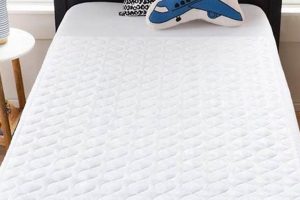
Tip 4: Implement Protective Measures: Utilizing a waterproof cover safeguards against spills and stains, extending the life of the product and maintaining a hygienic sleeping environment.
Tip 5: Assess Airflow and Temperature Regulation: Materials with enhanced breathability, such as gel-infused memory foam or natural latex, can minimize overheating and promote a more comfortable sleep climate.
Tip 6: Account for Storage Considerations: If space is limited, consider models that can be easily stored or folded away when not in use, such as trifold or rollaway options.
Tip 7: Establish a Defined Budget: Determine an acceptable price range prior to commencing the selection process to avoid overspending and ensure that the chosen product aligns with financial constraints.
Adhering to these recommendations facilitates the selection of a sleep surface that maximizes guest satisfaction, enhances the overall visitor experience, and reflects a commitment to providing quality accommodations.
The subsequent section will address common misconceptions regarding visitor sleep arrangements and offer further clarification on best practices.
1. Firmness Level

Firmness level plays a crucial role in determining the suitability of a sleep surface for guest use. As guest preferences vary considerably, selecting a universally comfortable firmness is paramount in ensuring satisfactory accommodations.
- Accommodation of Diverse Sleep Preferences
A medium-firmness level generally provides a balanced compromise, accommodating both individuals who prefer a softer surface and those who require more support. This minimizes the risk of discomfort for a wider range of guests with differing needs.
- Spinal Alignment and Support
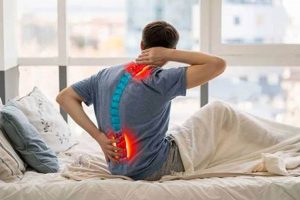
The firmness level directly impacts spinal alignment during sleep. A surface that is too soft may lead to sinking and misalignment, while one that is excessively firm can create pressure points. A medium-firm surface aims to strike a balance, promoting proper spinal alignment without causing undue pressure.
- Impact on Pressure Point Relief
Firmness affects the distribution of body weight and, consequently, the pressure exerted on various points. An appropriately firm surface can help alleviate pressure on areas such as the hips and shoulders, reducing discomfort and promoting better circulation.
- Long-Term Comfort and Satisfaction
Selecting a universally acceptable firmness level can enhance the overall visitor experience, reflecting a commitment to providing quality accommodations and ensuring guest satisfaction in the long term.
The selection of an appropriate firmness level represents a fundamental aspect of providing a comfortable and supportive sleep environment for guests. Consideration of the impact on spinal alignment, pressure relief, and diverse preferences is essential in selecting the optimal sleep solution.
2. Size Specifications

Size specifications constitute a crucial determinant in the selection of a sleep surface designated for guest accommodations. The dimensions of the chosen product directly impact the comfort and usability for visitors, influencing both the available space within the room and the overall quality of the sleep experience. A mismatch between the room’s dimensions and the sleep surface’s size can lead to spatial constraints and discomfort, negatively affecting guest satisfaction. For example, a king-sized sleep surface in a small guest room may impede movement and create a claustrophobic environment, whereas a twin-sized surface may be inadequate for taller individuals or couples.
The consideration of size specifications also entails an assessment of the potential occupancy and usage patterns of the guest room. If the room is frequently utilized by couples or individuals who require ample space, a queen- or king-sized product may be more appropriate. Conversely, for smaller rooms or those primarily intended for single occupants, a twin or full-sized sleep surface may represent a more pragmatic solution. Furthermore, the height of the sleep surface should be factored in, particularly for individuals with mobility limitations, to ensure ease of access and egress. In cases where the guest room doubles as a multi-purpose space, such as a home office, the dimensions of the sleep surface become even more critical to maintain functionality and usability.
In summary, appropriate size specifications are integral to optimizing the guest experience and maximizing the utility of the available space. Careful consideration of room dimensions, potential occupancy, and functional requirements is paramount in selecting a sleep surface that effectively balances comfort, spatial efficiency, and user accessibility, ultimately contributing to a positive and accommodating guest environment.
3. Materi
al Durability

Material durability significantly impacts the long-term value and suitability of a sleep surface for guest accommodations. The sustained performance of interior components and external fabrics directly influences the frequency of replacement, thus affecting the overall cost-effectiveness. Materials with inherent resistance to wear, compression, and degradation offer a greater lifespan, reducing the need for frequent purchases. For example, a sleep surface constructed with high-density foam and reinforced coil systems is demonstrably more resistant to sagging and deformation than one employing lower-grade materials. This translates to consistent support and comfort for subsequent guests, preventing the development of uncomfortable pressure points or uneven surfaces that compromise sleep quality. The choice of durable materials constitutes a direct investment in guest satisfaction and minimizes the economic burden associated with premature replacement.
The selection of materials extends beyond internal components to encompass the external encasement and protective layers. Fabrics with high abrasion resistance withstand repeated use and cleaning, maintaining a presentable appearance over extended periods. Waterproof or stain-resistant covers provide a critical defense against spills and accidents, preserving the integrity of the internal materials and preventing the growth of mold or mildew. The implementation of these protective measures not only extends the life of the product but also contributes to a more hygienic and sanitary sleep environment for guests. Consider, for instance, a guest accommodation that experiences frequent spills. A sleep surface with a non-durable, absorbent cover would quickly become stained and potentially harbor bacteria, necessitating frequent cleaning or even premature replacement. Conversely, a surface with a durable, waterproof cover would resist staining and allow for easy cleaning, maintaining its appearance and prolonging its usability.
In conclusion, material durability serves as a cornerstone in determining the value and longevity of a sleep surface for guest use. Prioritizing materials with inherent resistance to wear, compression, and degradation ensures sustained performance, minimizes replacement costs, and contributes to a more comfortable and hygienic sleep environment. The initial investment in durable materials translates to long-term savings and enhanced guest satisfaction, solidifying its importance as a crucial factor in the selection process.
4. Motion Isolation

Motion isolation, defined as the capacity of a sleep surface to minimize the transmission of movement, constitutes a pivotal factor in the selection of an optimal product for guest accommodations. Its significance lies in fostering undisturbed rest, particularly when the guest room is occupied by multiple individuals or when sleep patterns vary.
- Minimizing Partner Disturbance
The primary function of motion isolation is to curtail the propagation of movement from one side of the sleep surface to the other. For cohabitating guests, this feature mitigates disruptions caused by tossing, turning, or getting in and out of the bed. A sleep surface with effective motion isolation prevents one individual’s movements from disturbing the sleep of another.
- Material Composition and Dampening Properties
The efficacy of motion isolation is largely determined by the composition of the sleep surface. Materials such as memory foam and latex excel in absorbing and dissipating kinetic energy, thereby restricting the transmission of movement across the surface. In contrast, traditional innerspring systems, lacking inherent damping properties, tend to exhibit higher levels of motion transfer.
- Impact on Sleep Quality and Duration
Undisturbed sleep is crucial for cognitive function, physical restoration, and overall well-being. By minimizing motion transfer, a sleep surface with superior motion isolation contributes to improved sleep quality and longer uninterrupted sleep cycles for guests. This is especially pertinent for individuals sensitive to movement or those with light sleeping habits.
- Construction Techniques and Layered Systems
Advanced construction techniques can further enhance motion isolation capabilities. Layered systems that incorporate multiple materials with varying densities and damping properties are designed to absorb and redirect kinetic energy. Pocketed coil systems, where individual coils are encased in fabric, minimize motion transfer compared to interconnected coil systems.
In summation, the incorporation of effective motion isolation capabilities in a sleep surface designated for guest use directly enhances the quality of rest and overall satisfaction. The utilization of materials and construction techniques that minimize movement transfer translates to undisturbed sleep, particularly in shared accommodations, thereby solidifying motion isolation as a critical consideration in the selection process.
5. Temperature Regulation

Temperature regulation, within the context of sleep surfaces for guest accommodations, constitutes a critical factor influencing visitor comfort and overall sleep quality. The ability of a sleep surface to dissipate heat and maintain a stable thermal environment directly impacts the physiological processes conducive to restorative rest. Inadequate temperature regulation can lead to overheating, restlessness, and fragmented sleep patterns, thereby diminishing the benefits of providing guest lodging.
- Material Breathability and Airflow
The permeability of materials to air plays a significant role in temperature regulation. Open-cell foam structures, such as those found in certain memory foam formulations or latex, facilitate greater airflow than closed-cell alternatives. Increased airflow promotes the evaporation of moisture and dissipation of heat, preventing the accumulation of body heat within the sleep environment. For instance, a sleep surface incorporating a perforated latex layer allows for enhanced ventilation compared to a traditional memory foam model, resulting in a cooler sleep experience.
- Moisture-Wicking Properties
The capacity of materials to absorb and evaporate moisture contributes to thermal comfort. Fabrics with moisture-wicking properties, such as certain synthetic blends or natural fibers like wool, draw perspiration away from the body, promoting evaporative cooling. This is particularly beneficial in warmer climates or for individuals prone to night sweats. A sleep surface with a cover made of a moisture-wicking fabric can help regulate body temperature and maintain a drier, more comfortable sleep environment.
- Phase Change Materials (PCMs)
PCMs represent a more advanced approach to temperature regulation. These materials possess the ability to absorb and release heat as they transition between solid and liquid states at a specific temperature. When body temperature rises, PCMs absorb heat, cooling the surface. Conversely, when body temperature drops, PCMs release heat, maintaining a stable t
hermal environment. The incorporation of PCM technology into a sleep surface can provide proactive temperature regulation, minimizing fluctuations and optimizing sleep comfort. - Construction and Layering Techniques
The arrangement of layers within a sleep surface can also impact temperature regulation. The inclusion of breathable spacer fabrics or convoluted foam layers between denser materials promotes airflow and heat dissipation. The strategic placement of cooling gels or PCM infusions within the comfort layers can provide targeted temperature regulation in areas prone to overheating. Effective construction techniques can enhance the overall thermal performance of a sleep surface, regardless of the individual material properties.
The selection of a sleep surface for guest use necessitates careful consideration of temperature regulation capabilities. Materials that promote breathability, wick moisture, and incorporate advanced technologies such as PCMs contribute to a more comfortable and restorative sleep environment. By prioritizing temperature regulation, hosts can enhance guest satisfaction and provide a more accommodating and hospitable experience.
6. Support Systems

The integrity of a sleep surface’s support system directly influences its overall performance and suitability for guest room applications. A robust and well-engineered support mechanism provides consistent spinal alignment, minimizes sagging, and enhances the longevity of the product, factors critical to ensuring guest comfort and satisfaction.
- Innerspring Coil Systems
Innerspring coil systems, a traditional approach, utilize interconnected or individually wrapped coils to provide support. The gauge and configuration of the coils determine the firmness and resilience of the surface. While cost-effective, interconnected coil systems may exhibit greater motion transfer compared to individually wrapped (pocketed) coils, which contour more effectively to individual body shapes and minimize disturbance between sleepers. For guest rooms, a pocketed coil system offers a superior balance of support and motion isolation.
- Foam Core Systems
Foam core systems utilize high-density foam as the primary support structure. The density and composition of the foam determine its load-bearing capacity and resistance to compression. Polyurethane foam, a common choice, offers a range of firmness levels. Higher-density foams provide greater support and durability, while lower-density foams may be more prone to sagging over time. For guest rooms, a foam core with a density sufficient to support a range of body weights is essential to prevent premature degradation and ensure consistent comfort.
- Hybrid Support Systems
Hybrid support systems combine innerspring coils with foam layers to leverage the benefits of both technologies. Typically, a coil base provides foundational support, while layers of memory foam or latex offer contouring and pressure relief. This configuration aims to minimize motion transfer while maintaining adequate spinal alignment. Hybrid systems represent a premium option for guest rooms, offering a balanced combination of support, comfort, and durability.
- Edge Support Enhancement
Edge support refers to the reinforcement along the perimeter of the sleep surface. Enhanced edge support prevents sagging along the edges, maximizing the usable sleep surface and facilitating easier ingress and egress. This is particularly important for guest rooms where individuals may be less familiar with the dimensions of the surface. Edge support can be achieved through the use of firmer coils, high-density foam rails, or specialized construction techniques. The inclusion of enhanced edge support contributes to a more stable and comfortable sleep environment.
The selection of an appropriate support system for a guest room sleep surface involves a careful assessment of its composition, configuration, and load-bearing capacity. Innerspring, foam core, and hybrid systems each offer unique advantages, and the optimal choice depends on factors such as budget, desired firmness level, and anticipated usage patterns. Prioritizing a robust and well-engineered support system ensures long-term comfort, minimizes sagging, and enhances the overall guest experience.
7. Cost Efficiency

Cost efficiency, in the context of selecting a sleep surface for guest accommodations, extends beyond the initial purchase price to encompass the long-term financial implications. A superficially inexpensive option may prove costly over time if its durability is compromised, necessitating frequent replacements. Conversely, a more substantial initial investment in a higher-quality product can yield long-term savings by extending the replacement cycle and minimizing associated expenses. The selection of a suitable sleep surface, therefore, demands a comprehensive assessment of both upfront costs and projected longevity. For instance, a less expensive innerspring option with low-density foam may degrade rapidly under regular use, requiring replacement within a few years. This would ultimately surpass the cost of a more durable hybrid model that, despite a higher initial price, maintains its structural integrity and comfort for a significantly longer period.
The operational costs associated with maintaining a guest room sleep surface also contribute to the overall cost efficiency equation. Features such as stain resistance, waterproof barriers, and removable, washable covers can reduce the need for professional cleaning services or costly stain removal treatments. Furthermore, a sleep surface that effectively regulates temperature can decrease energy consumption by minimizing the need for supplemental cooling or heating. Consider a guest room in a humid climate; a sleep surface with poor temperature regulation and a non-breathable cover would likely necessitate increased air conditioning usage to maintain guest comfort, thereby increasing utility expenses. A more breathable and temperature-regulating product would mitigate this requirement, resulting in tangible energy savings.
In summary, cost efficiency in the selection of a sleep surface for guest accommodations is a multi-faceted consideration that encompasses initial expenditure, durability, maintenance requirements, and operational costs. A comprehensive cost-benefit analysis, factoring in these elements, is essential for making an informed decision that optimizes long-term value and minimizes the overall financial burden. The integration of this understanding into the selection process enhances the likelihood of acquiring a sleep surface that effectively balances guest comfort, durability, and economic prudence.
Frequently Asked Questions Regarding the Best Mattress for Guest Room
This section addresses common inquiries and concerns related to selecting an optimal sleep surface for guest accommodations. The information provided aims to clarify misconceptions and offer guidance based on industry standards and best practices.
Question 1: Does the frequency of guest room usage influence the type of mattress selected?
The frequency of guest room occupancy directly correlates with the durability requirements of the mattress. Infrequent use may justify a less expensive, entry-level model, while frequent occupancy necessitates a more robust and resil
ient construction to ensure long-term performance and guest satisfaction.
Question 2: Is it necessary to invest in a high-end mattress for a guest room?
The designation of “high-end” is subjective; however, prioritizing quality and durability is essential. A mattress with a balanced combination of support, comfort, and longevity represents a prudent investment, irrespective of its market positioning. Skimping on quality can lead to premature degradation and guest dissatisfaction.
Question 3: What is the recommended firmness level for a guest room mattress to accommodate diverse preferences?
A medium-firmness level generally offers the broadest appeal, accommodating a range of sleep preferences and body types. This firmness strikes a balance between support and pressure relief, minimizing the likelihood of discomfort for a majority of guests.
Question 4: Are there specific mattress materials that are better suited for guest rooms due to hygiene concerns?
Mattresses with hypoallergenic properties, antimicrobial treatments, and moisture-wicking capabilities are advantageous for guest rooms. These features minimize the risk of allergic reactions, inhibit the growth of bacteria, and promote a cleaner, more sanitary sleep environment.
Question 5: How important is motion isolation in a guest room mattress, particularly if the room is used by couples?
Motion isolation is a critical factor, especially in shared accommodations. Mattresses with superior motion isolation properties, such as those incorporating memory foam or individually wrapped coils, minimize disturbances caused by movement, thereby enhancing sleep quality for both occupants.
Question 6: What role does mattress height play in the overall suitability of a guest room sleep solution?
Mattress height influences ease of access and aesthetics. A mattress that is too low may be difficult for some guests to get in and out of, while one that is excessively high may appear disproportionate within the room. A moderate height is generally preferred to balance accessibility and visual appeal.
In summary, selecting an optimal mattress for a guest room necessitates a comprehensive evaluation of factors such as durability, firmness, hygiene, motion isolation, and mattress height. A well-informed decision, based on these considerations, will contribute to a positive guest experience and ensure the long-term value of the investment.
The subsequent section will provide specific product recommendations based on the aforementioned criteria, offering practical guidance for prospective purchasers.
Concluding Remarks on Optimizing Guest Room Sleep Arrangements
The preceding analysis has elucidated critical factors in the selection of the best mattress for guest room environments. Considerations such as firmness, material composition, support systems, and cost efficiency collectively determine the suitability of a sleep surface for accommodating diverse guest needs. Prioritizing these elements is essential for fostering a comfortable and restorative sleep experience for visitors.
A judicious approach to selecting the best mattress for guest room scenarios necessitates a comprehensive understanding of individual requirements and budget constraints. Investing in a sleep surface that balances these factors represents a commitment to guest satisfaction and contributes to a positive and memorable lodging experience. Further research and careful evaluation remain paramount in making an informed decision tailored to specific circumstances.