Targeted support and conforming comfort that alleviate concentrated body weight are essential characteristics in bedding. Such attributes directly address areas of increased physical stress, minimizing discomfort and promoting more restful sleep. The functionality of a mattress in distributing body weight contributes significantly to overall sleep quality.
The significance of pressure relief in a mattress stems from its impact on circulation and musculoskeletal health. Historically, advancements in mattress technology have focused on improving this specific aspect of sleep support. Reduced pressure leads to fewer instances of tossing and turning, promoting uninterrupted sleep cycles and aiding in muscle recovery.
Understanding material composition, firmness levels, and construction techniques is crucial in selecting a sleep surface designed to minimize discomfort. Subsequent sections will explore these factors in detail, providing a framework for informed decision-making regarding mattress selection.
Selecting a Pressure-Relieving Mattress
Choosing a mattress to minimize concentrated body stress requires a thorough evaluation of several critical factors. Attention to these details facilitates an informed purchase and improves the likelihood of a comfortable and restorative sleep experience.
Tip 1: Material Composition: Memory foam, latex, and specialized gel infusions offer varying degrees of contouring and support. Memory foam conforms closely to the body, distributing weight evenly. Latex provides a responsive and buoyant feel. Gel infusions regulate temperature and enhance comfort.
Tip 2: Firmness Level: The appropriate firmness is dependent on sleep position and body weight. Side sleepers generally benefit from softer mattresses to cushion the shoulders and hips. Back sleepers typically require a medium-firm mattress for spinal alignment. Stomach sleepers often need a firmer surface to prevent excessive sinkage.
Tip 3: Zoned Support Systems: Mattresses incorporating zoned support feature varied densities across the surface, providing targeted support to different body regions. This design enhances spinal alignment and reduces pressure buildup in sensitive areas such as the lumbar region and shoulders.
Tip 4: Thickness and Construction: Mattress thickness influences overall comfort and support. Thicker mattresses generally offer greater cushioning and durability. Layer construction, including the arrangement of support cores and comfort layers, affects the mattress’s performance.
Tip 5: Trial Periods and Warranties: Reputable mattress manufacturers provide trial periods, allowing consumers to test the mattress at home and return it if it proves unsuitable. Comprehensive warranties protect against manufacturing defects and premature wear.
Tip 6: Consider Adjustable Bases: An adjustable base can further enhance pressure relief by allowing for customized positioning. Elevating the head or legs can reduce pressure on the spine and improve circulation.
Prioritizing these considerations ensures a more informed approach to mattress selection, increasing the probability of finding a product that effectively minimizes concentrated body weight and promotes restful sleep.
The subsequent section will address specific mattress types and their suitability for individuals with unique needs and preferences.
1. Material Density

Material density is a pivotal characteristic dictating the effectiveness of a mattress in minimizing concentrated body weight. It determines the degree to which the mattress conforms to the body, distributes weight, and provides long-term support. Variations in density among different materials contribute significantly to the overall comfort and performance of a sleep surface.
- Support Layer Density and Pressure Distribution
The density of the support core significantly impacts how effectively a mattress distributes weight. Higher density foams or innersprings offer greater resistance to compression, preventing excessive sinkage and maintaining spinal alignment. Inadequate support layer density can lead to concentrated pressure points, particularly around the hips and shoulders, negating the potential benefits of softer comfort layers. For example, a high-density polyurethane foam core provides a stable base for minimizing concentrated weight, while a low-density core may allow for uneven sinking.
- Comfort Layer Density and Conformity
Within the comfort layers, density influences the degree to which the material conforms to the body’s contours. High-density memory foam, for example, molds closely to the body, evenly distributing weight across a larger surface area and reducing the concentration of weight. Lower-density foams may compress more readily, leading to increased pressure. Consider the difference between a 5lb memory foam (high density) versus a 3lb memory foam (lower density). The 5lb foam will provide more effective pressure relief.
- Durability and Longevity
Material density directly correlates with the lifespan of a mattress. Higher density materials generally exhibit greater resistance to degradation and compression set, maintaining their support and comfort characteristics over time. Lower density materials are more susceptible to wear, potentially resulting in sagging and reduced pressure alleviation. Mattresses with high-density components tend to retain their shape and performance for longer, representing a more durable investment.
- Impact on Temperature Regulation
The density of mattress materials influences airflow and heat retention. Denser materials may restrict airflow, potentially leading to increased heat retention and discomfort. Open-cell foam structures or breathable materials are often incorporated to mitigate this effect. Conversely, lower density materials may offer greater breathability but potentially compromise support. Material density must be balanced with other design features to optimize both pressure distribution and temperature regulation.
These considerations highlight the critical role of material density in determining a mattress’s capability to minimize concentrated body weight. Effective mattress design requires careful selection of materials with appropriate densities to achieve a balance of support, comfort, durability, and temperature regulation. Understanding the implications of material density is paramount in selecting a mattress that promotes restful and restorative sleep by effectively addressing areas of increased physical stress.
2. Surface Conformity

Surface conformity, the ability of a mattress to adapt to the unique contours of an individual’s body, is a primary determinant of its effectiveness in minimizing concentrated body weight. This
characteristic dictates how evenly pressure is distributed across the sleep surface, directly influencing comfort and promoting healthy sleep posture.
- Adaptation to Spinal Curvature
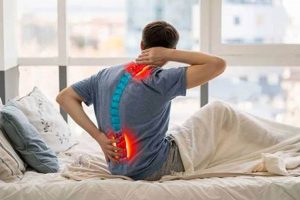
Optimal surface conformity allows the mattress to support the natural curves of the spine, particularly in the lumbar region. Inadequate conformity can lead to misalignment, resulting in increased pressure on specific areas of the back and neck. A mattress that properly conforms to the spinal curvature promotes a neutral spine, reducing strain on muscles and ligaments and minimizing concentrated weight along the spinal column.
- Pressure Redistribution on Bony Prominences
Bony prominences such as the hips, shoulders, and heels are particularly susceptible to concentrated weight when lying on a mattress. Effective surface conformity ensures that the mattress yields to these areas, distributing pressure across a wider surface area. Materials like memory foam and latex excel in this regard, contouring closely to the body and minimizing pressure on these sensitive points. Failure to redistribute weight adequately can lead to discomfort and potential circulatory issues.
- Impact on Sleep Position
Different sleep positions necessitate varying degrees of surface conformity. Side sleepers generally require greater conformity to accommodate the shoulders and hips, while back sleepers may benefit from more uniform support. A mattress that conforms appropriately to an individual’s preferred sleep position promotes a comfortable and stable sleep environment, minimizing the need for tossing and turning and reducing concentrated pressure on specific areas.
- Material Composition and Responsiveness
The material composition of the comfort layers significantly impacts surface conformity. Memory foam provides deep contouring and slow response, while latex offers a more resilient and responsive feel. Hybrid mattresses combine different materials to achieve a balance of conformity and support. The choice of material depends on individual preferences and the desired level of contouring. Understanding the responsiveness of different materials is essential in selecting a mattress that effectively conforms to the body without compromising support.
These aspects of surface conformity collectively contribute to a mattress’s ability to minimize concentrated body weight. A mattress that effectively adapts to the body’s unique contours, supports spinal alignment, redistributes pressure, and accommodates individual sleep positions is crucial for achieving restful and restorative sleep. Selection of appropriate materials and construction techniques is essential in optimizing surface conformity and maximizing the benefits of a pressure-relieving sleep surface.
3. Support Core Resilience

Support core resilience is intrinsically linked to a sleep surface’s efficacy in minimizing concentrated body weight. A resilient support core provides the necessary counter-pressure to evenly distribute weight, preventing excessive sinking and maintaining spinal alignment. Inadequate resilience results in localized compression, increasing pressure on prominent areas like hips and shoulders, thus undermining the mattress’s ability to alleviate discomfort. For instance, an innerspring system with low-gauge coils may initially feel supportive, but its resilience diminishes over time, leading to sagging and increased pressure point development. Conversely, a high-density foam core or a system of individually wrapped coils maintains its structural integrity, consistently distributing weight and preventing localized stress.
The relationship between support core resilience and pressure alleviation is also exemplified in latex mattresses. Natural latex, known for its inherent resilience, actively pushes back against the sleeper’s weight, preventing the formation of pressure points. This active support contributes to improved circulation and reduced tossing and turning throughout the night. Consider, as a contrasting example, a low-quality foam base that quickly compresses and loses its ability to provide upward support; this compromises the conforming capabilities of the comfort layers, leading to increased discomfort and a less restful sleep experience. The practical implications of this understanding are significant: consumers should prioritize mattresses with support cores engineered for long-term resilience to ensure sustained pressure relief.
In summary, the resilience of the support core is a foundational element in determining a mattress’s ability to minimize concentrated body weight. A resilient core maintains spinal alignment, evenly distributes weight, and prevents the development of pressure points. Selection of a mattress with a durable and resilient support core is crucial for achieving sustained comfort and promoting restorative sleep. Overlooking this aspect can lead to premature mattress degradation, increased discomfort, and ultimately, a less effective solution for those seeking to alleviate pressure points.
4. Temperature Regulation

Temperature regulation is a critical factor influencing sleep quality and, by extension, the effectiveness of a mattress designed to alleviate concentrated body weight. The ability of a mattress to dissipate heat and maintain a comfortable sleeping temperature directly affects sleep cycles and minimizes disturbances, indirectly contributing to pressure relief.
- Material Breathability and Airflow
The breathability of mattress materials dictates the extent to which air can circulate, carrying away heat and moisture. Materials like open-cell foam, latex, and natural fibers promote greater airflow compared to denser, closed-cell foams. Enhanced airflow reduces heat buildup and maintains a more consistent sleeping temperature. For example, a mattress incorporating a breathable cotton cover and open-cell memory foam will exhibit superior temperature regulation compared to a mattress with a synthetic cover and traditional memory foam. The implications for pressure relief are that a cooler sleep environment minimizes tossing and turning, reducing stress on pressure points.
- Heat Dissipation and Phase Change Materials
Some mattresses incorporate phase change materials (PCMs) that absorb and release heat, helping to regulate temperature. These materials can mitigate temperature fluctuations and maintain a consistent sleeping environment. Mattresses with gel-infused memory foam, for example, often employ PCMs to enhance heat dissipation. While these materials don’t directly impact pressure distribution, their effect on sleep quality indirectly contributes to pressure relief by minimizing sleep disruptions caused by overheating.
- Impact on Sleep Cycles and Discomfort
Elevated sleeping temperatures can disrupt sleep cycles and increase restlessness, exacerbating pressure points. Frequent tossing and turning due to overheating can lead to increased pressure and discomfort, particularly in areas such as the hips, shoulders, and back. Maintaining a comfortable sleeping temperature promotes more restful sleep, allowing the body to recover and reducing stress on pressure-sensitive areas. This indirect relationship underscores the importance of temperature regulation in a mattress designed for pressure alleviation.
- Con
struction Techniques and VentilationMattress construction techniques also influence temperature regulation. Perforated foam layers and convoluted surfaces can enhance airflow and reduce heat retention. Hybrid mattresses combining innersprings and foam layers often offer better ventilation compared to all-foam mattresses. A well-ventilated mattress minimizes heat buildup and maintains a cooler sleeping environment, further contributing to improved sleep quality and reduced pressure point discomfort.
In conclusion, while temperature regulation does not directly alter pressure distribution, its impact on sleep quality indirectly contributes to the effectiveness of a mattress in minimizing concentrated body weight. By promoting restful and uninterrupted sleep, a mattress with effective temperature regulation reduces tossing and turning, minimizes stress on pressure points, and enhances overall comfort. Therefore, temperature regulation should be considered an essential factor when evaluating a mattress designed for pressure alleviation.
5. Spinal Alignment

Optimal spinal alignment constitutes a foundational element in selecting a mattress intended for pressure point reduction. A properly aligned spine minimizes stress on joints, muscles, and nerves, thereby preventing or alleviating discomfort. A mattress lacking the necessary support to maintain natural spinal curvature will exacerbate existing pressure points and potentially create new ones. For example, a side sleeper on a mattress that is too firm experiences concentrated pressure on the shoulder and hip due to spinal misalignment. Conversely, a back sleeper on a mattress that is too soft may experience lower back pain resulting from excessive spinal curvature.
Achieving proper spinal alignment necessitates a balance of support and conformity. The mattress must provide sufficient resistance to prevent excessive sinking, while also contouring to the body’s unique shape. This is often accomplished through a combination of materials and construction techniques. Zoned support systems, wherein different areas of the mattress provide varying levels of firmness, cater specifically to the distinct needs of the shoulders, hips, and lumbar region. The practical implication is that individuals should consider their primary sleep position and body type when selecting a mattress. Side sleepers generally benefit from softer mattresses, while back and stomach sleepers often require firmer surfaces to maintain spinal alignment.
In summary, the connection between spinal alignment and minimizing concentrated body weight is direct and consequential. A mattress that promotes proper spinal alignment distributes weight evenly, reducing stress on sensitive areas and promoting restful sleep. Neglecting this aspect of mattress selection can lead to chronic pain and discomfort. Therefore, prioritizing spinal alignment is paramount in choosing a mattress effectively designed for pressure point reduction. The subsequent section will explore the role of motion isolation in enhancing sleep quality and minimizing disturbances related to pressure point discomfort.
6. Motion Isolation

Motion isolation, the capacity of a mattress to minimize the transfer of movement from one area of the surface to another, plays a supporting yet significant role in realizing the benefits associated with a sleep surface optimized for concentrated body weight alleviation. While not directly impacting pressure distribution, effective motion isolation contributes to uninterrupted sleep, which is crucial for maximizing the restorative effects of a pressure-relieving mattress.
- Reduced Sleep Disturbances
Motion transfer can lead to awakenings or disruptions in sleep stages, particularly for individuals sharing a bed. These disturbances can negate the benefits of a mattress designed to minimize concentrated pressure, as frequent movement and repositioning counteract the intended support and conformity. A mattress with effective motion isolation minimizes these disturbances, allowing for deeper and more restful sleep cycles.
- Enhanced Muscle Recovery
Uninterrupted sleep is essential for muscle recovery and tissue repair. A mattress that isolates motion allows muscles to relax fully, promoting blood flow and reducing inflammation. This is particularly important for individuals experiencing discomfort due to pressure points, as enhanced muscle recovery can contribute to pain reduction and improved sleep quality. A restless night, punctuated by motion-induced awakenings, hinders these restorative processes.
- Improved Pain Management
Individuals with chronic pain conditions often benefit from mattresses designed to minimize concentrated body weight. However, the effectiveness of such mattresses can be compromised by motion transfer, which can exacerbate pain and discomfort. Motion isolation reduces the likelihood of pain-related awakenings, allowing for more consistent pain management throughout the night. This is particularly relevant for conditions such as arthritis or fibromyalgia, where even slight movements can trigger pain responses.
- Material Composition and Construction
Motion isolation capabilities are largely determined by mattress materials and construction. Memory foam and latex, due to their viscoelastic properties, excel at absorbing and damping motion. Individually wrapped coils also contribute to motion isolation by preventing the transfer of movement across the mattress surface. Hybrid mattresses that combine these materials often offer a balance of motion isolation and support. Understanding these material characteristics is crucial for selecting a mattress that effectively minimizes both concentrated body weight and motion transfer.
The interplay between motion isolation and concentrated body weight alleviation lies in the synergistic effect of uninterrupted sleep and targeted pressure relief. A mattress that effectively isolates motion enhances the restorative benefits of a pressure-relieving sleep surface, promoting deeper sleep, improved muscle recovery, and enhanced pain management. Therefore, motion isolation should be considered an important, albeit indirect, factor when evaluating mattresses designed to minimize concentrated body weight and improve overall sleep quality.
7. Edge Support

Edge support, while not directly addressing concentrated body weight, contributes significantly to the overall effectiveness and perceived comfort of a mattress designed for pressure point reduction. A robust edge prevents roll-off, maximizing the usable sleep surface. Individuals seeking pressure relief often require the full expanse of the mattress to distribute their weight effectively. A weak edge compromises this, forcing sleepers towards the center and potentially negating the benefits of pressure-relieving materials. For instance, an individual with hip pain may find that a sagging edge prevents them from comfortably lying near the side of the bed, limiting their ability to find a pain-free position. The absence of edge support can induce a feeling of instability, leading to muscle tension and disrupted sleep, thus counteracting the intended press
ure alleviation.
Furthermore, adequate edge support facilitates ease of entry and exit from the bed. This is particularly important for individuals with mobility limitations or chronic pain, where the act of getting in and out of bed can exacerbate pressure points. A firm edge provides a stable surface to push against, reducing strain on joints and muscles. Consider an elderly individual with arthritis who relies on a stable edge to safely maneuver themselves in and out of bed. Without sufficient edge support, this action becomes more difficult and potentially painful, further diminishing the overall benefit of a mattress designed for pressure relief. The long-term durability of a mattress is also linked to edge support. A reinforced edge prevents premature sagging, maintaining the integrity of the support core and ensuring consistent pressure distribution over time.
In summary, while edge support does not directly address concentrated body weight, it is a critical factor influencing the usability, stability, and long-term durability of a mattress intended for pressure point reduction. By maximizing the usable sleep surface, facilitating ease of movement, and preventing premature sagging, a robust edge enhances the overall effectiveness and perceived comfort of such a mattress. Therefore, individuals seeking optimal pressure relief should consider edge support as a key component in their mattress selection, ensuring a stable and supportive sleep environment. Addressing concentrated body weight needs is crucial for optimal sleep.
Frequently Asked Questions
The following questions address common inquiries regarding mattress selection for minimizing concentrated body weight and promoting restful sleep.
Question 1: What mattress type is generally recommended for alleviating concentrated body weight?
Memory foam and latex mattresses are frequently recommended due to their contouring properties. Memory foam conforms closely to the body, distributing weight evenly, while latex provides a more responsive and buoyant feel. Hybrid mattresses combining these materials with innersprings can also offer effective pressure relief.
Question 2: How does firmness level affect pressure point relief?
Firmness level significantly impacts pressure distribution. Side sleepers typically benefit from softer mattresses to cushion the shoulders and hips, while back sleepers often require a medium-firm mattress for proper spinal alignment. Stomach sleepers may need a firmer surface to prevent excessive sinking.
Question 3: What role does material density play in pressure alleviation?
Material density determines the degree to which the mattress conforms to the body and provides support. Higher-density materials generally offer greater resistance to compression, preventing excessive sinking and maintaining spinal alignment. This is crucial for effective pressure distribution.
Question 4: How important is spinal alignment in minimizing pressure points?
Spinal alignment is paramount. A mattress that supports the natural curves of the spine reduces stress on joints, muscles, and nerves. Misalignment can exacerbate existing pressure points and potentially create new ones. Mattresses with zoned support systems are designed to promote optimal spinal alignment.
Question 5: Can adjustable bases enhance pressure point relief?
Adjustable bases can offer further pressure alleviation by allowing for customized positioning. Elevating the head or legs can reduce pressure on the spine and improve circulation. This feature can be particularly beneficial for individuals with specific medical conditions or mobility limitations.
Question 6: What should be considered regarding trial periods and warranties?
Reputable mattress manufacturers provide trial periods, allowing consumers to test the mattress at home. Comprehensive warranties protect against manufacturing defects and premature wear. These considerations offer reassurance and mitigate the risk of selecting an unsuitable mattress.
Proper mattress selection involves careful consideration of material composition, firmness level, spinal support, and additional features such as adjustable bases and motion isolation. Prioritizing these factors increases the likelihood of finding a mattress that effectively minimizes concentrated body weight and promotes restful sleep.
The subsequent section will explore various market options and their respective features.
Determining the Optimal Sleep Surface
The preceding examination of the “best mattress for pressure points” underscores the multifaceted nature of achieving comfortable and restorative sleep. Considerations of material density, surface conformity, support core resilience, temperature regulation, spinal alignment, motion isolation, and edge support all converge to determine a mattress’s effectiveness in minimizing concentrated body weight and its associated discomfort.
Selecting a sleep surface requires careful evaluation and alignment with individual needs and preferences. The investment in a suitable mattress represents a commitment to long-term health and well-being, potentially alleviating discomfort and improving overall quality of life. Continued advancements in sleep technology offer the promise of ever more refined solutions for pressure alleviation and optimized sleep.

![Top-Rated Best Camper Mattress For RV Comfort - [Year] | Organic & Natural Mattress Buyer’s Guide: Non-Toxic Sleep Solutions](https://mattressworldpa.com/wp-content/uploads/2025/07/th-7833-300x200.jpg "Top-Rated Best Camper Mattress For RV Comfort - [Year] Organic & Natural Mattress Buyer’s Guide: Non-Toxic Sleep Solutions")