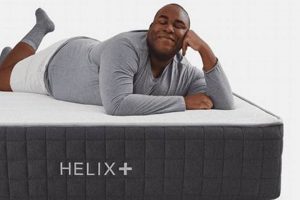
The selection of an appropriate sleeping surface significantly impacts the well-being of older adults. A suitable option aims to provide optimal support and pressure relief, fostering restorative sleep and alleviating common age-related discomforts. For example, memory foam mattresses are often considered because of their contouring properties.
Prioritizing a supportive and comfortable sleeping environment can contribute to improved sleep quality, reduced pain, and enhanced mobility. Historically, advancements in mattress technology have led to designs specifically targeting the unique needs of an aging demographic, emphasizing ergonomic support and ease of movement.
The following discussion will explore key factors to consider when choosing a mattress, including material composition, firmness levels, and features that promote ease of use and overall health for mature individuals.
Guidance for Mattress Selection
Choosing a mattress tailored to the needs of older adults requires careful consideration of several factors. Prioritization of these aspects can significantly influence comfort and sleep quality.
Tip 1: Firmness Evaluation: Assess the level of firmness based on individual preferences and physical requirements. A medium-firm mattress typically offers a balance of support and cushioning, accommodating various sleeping positions.
Tip 2: Material Composition Review: Investigate the materials used in the mattress construction. Options such as memory foam, latex, and innerspring coils each offer distinct characteristics regarding pressure relief, temperature regulation, and durability.
Tip 3: Pressure Relief Examination: Scrutinize the mattress’s ability to alleviate pressure points. This is particularly important for individuals with arthritis or joint pain. Look for mattresses with zoned support systems.
Tip 4: Edge Support Consideration: Evaluate the firmness and stability of the mattress edges. Strong edge support facilitates easier transitions in and out of bed, enhancing safety and independence.
Tip 5: Temperature Regulation Assessment: Analyze the mattress’s capacity for temperature control. Materials that promote airflow and wick away moisture can prevent overheating and ensure a more comfortable sleep environment.
Tip 6: Motion Isolation Verification: If sharing a bed, confirm the mattresss ability to isolate motion. This feature minimizes disturbances from a partners movements during the night.
These considerations highlight crucial aspects in mattress selection, emphasizing the importance of aligning product features with individual needs for optimal comfort and restorative sleep.
The ensuing sections will delve into specific mattress types and their suitability for older adults, providing a more detailed analysis.
1. Pressure Point Relief

Pressure point relief is a critical attribute of mattresses designed for older adults. As individuals age, the likelihood of experiencing joint pain, arthritis, and reduced mobility increases. Mattresses that effectively distribute weight and minimize concentrated pressure on specific areas of the body can significantly reduce discomfort and promote restful sleep. The cause and effect relationship is direct: inadequate pressure relief leads to pain and disrupted sleep; effective pressure relief alleviates pain and facilitates improved sleep quality. For example, prolonged pressure on bony prominences, such as hips or shoulders, can lead to bedsores, a serious health concern, especially for those with limited mobility.
The incorporation of pressure-relieving materials like memory foam or latex is common in mattresses targeted towards older adults. These materials conform to the body’s contours, evenly distributing weight and reducing pressure on sensitive areas. Mattresses with zoned support systems further enhance pressure relief by providing varying levels of firmness to different regions of the body, optimizing support and comfort based on individual needs. Consider an individual with hip pain; a mattress that conforms to the hip’s shape reduces pressure on the joint, thus alleviating pain and allowing for more comfortable sleep. The practical significance lies in its direct impact on comfort, pain management, and overall health.
In summary, pressure point relief is a fundamental consideration in selecting a mattress. Its impact on pain reduction and sleep quality underscores its importance. While materials like memory foam and latex are commonly used, the specific design and zoned support systems play a vital role. Prioritizing this feature contributes significantly to the overall well-being of aging individuals.
2. Spinal Alignment Support

Maintaining proper spinal alignment during sleep is paramount for skeletal health and mitigating pain, particularly within the senior demographic. A suitable mattress should facilitate a neutral spinal posture, minimizing stress on vertebral structures and surrounding musculature. The direct correlation between spinal alignment and sleep quality underscores its importance in mattress selection.
- Neutral Spinal Posture
Achieving a neutral spinal posture entails maintaining the natural curvature of the spine during sleep. This minimizes strain on spinal ligaments, discs, and nerve roots. A mattress that is too soft may result in spinal compression, while an excessively firm mattress can create pressure points. The objective is to find a balance that supports the spine without causing undue stress. For example, a senior individual with lordosis might require a mattress with enhanced lumbar support to maintain proper alignment.
- Support for Various Sleeping Positions
Sleeping position influences the type of support required for optimal spinal alignment. Side sleepers generally benefit from mattresses that contour to the body, filling the gap between the shoulder and hip. Back sleepers often require firmer support to prevent excessive sinking in the lumbar region. Stomach sleeping is generally discouraged due to its tendency to misalign the spine, however, individuals who prefer this position require a firmer mattress to prevent excessive arching of the back. Addressing these position-specific requirements is integral to selecting an appropriate mattress.
- Material and Construction Considerations
The materials and construction methods employed in a mattress directly affect its ability to provide spinal alignment support. Memory foam mattresses conform to the body’s contours, providing personalized support. Latex mattresses offer a more resilient support system with good responsiveness. Innerspring mattresses can offer targeted support through the use of zoned coil systems. The choice of material should align with individual
preferences and specific spinal support needs. - Long-Term Spinal Health
Consistent spinal misalignment during sleep can contribute to chronic back pain, sciatica, and other musculoskeletal issues. A mattress that promotes proper spinal alignment can mitigate these risks, fostering long-term spinal health and overall well-being. Regular assessment of mattress performance and replacement when necessary are crucial components of maintaining optimal spinal support. Older adults with pre-existing spinal conditions should consult with a healthcare professional to determine the most appropriate mattress type.
The preceding facets illustrate the interconnectedness of spinal alignment support and mattress selection for seniors. Prioritizing this aspect can contribute to reduced pain, improved sleep quality, and enhanced overall musculoskeletal health. Neglecting spinal alignment can exacerbate existing conditions and negatively impact long-term well-being. Therefore, careful consideration of these factors is paramount when choosing a mattress.
3. Ease of Mobility

The ease with which an individual can move into and out of bed constitutes a significant determinant of independence and safety, particularly for senior citizens. A mattress that facilitates ease of mobility directly reduces the risk of falls and promotes self-sufficiency. The cause-and-effect relationship is clear: a difficult-to-maneuver mattress increases the likelihood of falls and dependence on assistance, while a well-designed mattress promotes safe and independent movement. For example, a mattress that is too low may require excessive effort to rise from, straining joints and increasing the risk of losing balance. Conversely, a mattress with appropriate height and supportive edges facilitates a smoother transition from lying to standing.
Key factors influencing ease of mobility include mattress height, edge support, and surface firmness. An optimal mattress height allows individuals to place their feet firmly on the ground when sitting on the edge of the bed. Strong edge support provides a stable surface for pushing oneself up, preventing slippage or rolling off the bed. A surface that is neither too soft nor too firm prevents excessive sinking, enabling easier movement. Real-world applications include adjustable beds that allow for personalized height adjustments, and mattresses with reinforced edges to provide added stability. These design features contribute to a safer and more comfortable experience for older adults, promoting independence and reducing the need for assistance.
In summary, ease of mobility is a critical element of mattress selection for senior individuals. It significantly impacts safety, independence, and overall quality of life. While individual needs and preferences vary, prioritizing mattress height, edge support, and surface firmness can substantially improve the ability to move in and out of bed. This, in turn, contributes to a more active and fulfilling lifestyle. Neglecting these aspects increases the risk of falls and diminishes the ability to maintain independence, underscoring the practical significance of this consideration.
4. Temperature Regulation

Temperature regulation is a significant factor in mattress selection, particularly for seniors, due to age-related physiological changes affecting thermoregulation. The human body’s ability to maintain a stable core temperature can decline with age, leading to increased susceptibility to overheating or feeling cold during sleep. Mattresses that fail to adequately dissipate heat can cause discomfort, disrupt sleep cycles, and exacerbate existing health conditions. The cause-and-effect relationship is evident: inadequate temperature regulation leads to disrupted sleep, while effective temperature control fosters restful and restorative sleep. For instance, individuals experiencing night sweats or hot flashes require mattresses that promote airflow and wick away moisture to prevent overheating.
Mattress materials play a crucial role in temperature regulation. Memory foam, while known for its pressure-relieving properties, can sometimes trap heat. Conversely, latex, especially natural or Talalay latex, offers better breathability and temperature control. Innerspring mattresses typically have more airflow due to the open coil structure. Hybrid mattresses combining various materials can offer a balance of pressure relief and temperature regulation. Furthermore, mattress covers made of breathable fabrics like cotton or bamboo can enhance airflow and moisture wicking. Practical applications include mattresses incorporating cooling gel infusions, phase-change materials, or ventilation channels to improve heat dissipation. The efficacy of these features can substantially enhance sleep quality, especially for seniors.
In summary, temperature regulation is an essential consideration in mattress selection for seniors. Its impact on comfort, sleep quality, and overall health underscores its importance. While material selection plays a vital role, design features such as ventilation channels and breathable covers also contribute significantly. Prioritizing temperature regulation can improve sleep and promote a more comfortable and healthy lifestyle for aging individuals. Ignoring this factor can result in disrupted sleep and exacerbation of existing health issues, thus demonstrating the practical significance of this aspect.
5. Edge Support Strength
Edge support strength is a critical attribute in the selection of a mattress, particularly for senior individuals. The firmness and stability of the mattress perimeter significantly impact ease of ingress and egress, reducing the risk of falls, a prevalent concern among older adults. A mattress with inadequate edge support can compress excessively when sitting or lying near the edge, creating an unstable surface. This instability elevates the potential for falls, especially during nighttime bathroom visits or when getting in or out of bed without assistance. The practical significance lies in the direct relationship between edge support and safety: stronger edge support promotes stability and reduces the likelihood of accidents.
The implementation of reinforced edge coils, high-density foam encasements, or specialized edge support systems is characteristic of mattresses designed with senior needs in mind. These features provide a consistent level of support across the entire mattress surface, including the edges. Individuals with mobility limitations or balance issues often rely on the mattress edge for support when transferring in or out of bed. A mattress with robust edge support allows them to push off with confidence, minimizing strain on joints and reducing the risk of losing balance. Real-world examples include mattresses used in assisted living facilities, where sturdy edge support is a standard requirement to enhance resident safety and independence. The absence of such support can necessitate increased caregiver assistance, which impacts both individual autonomy and healthcare resources.
In conclusion, edge support strength is an indispensable component of a suitable mattress for seniors. Its impact on safety, independence, and overall well-being underscores
its importance. While factors such as firmness and material composition are also significant, neglecting edge support can compromise the functional utility of the mattress. The implementation of reinforced edges directly contributes to fall prevention and enhanced mobility, promoting a safer and more comfortable sleeping environment for aging individuals. The practical challenge lies in accurately assessing edge support strength during mattress selection, often requiring physical evaluation or detailed product specifications. Prioritizing this feature mitigates risks and supports a higher quality of life.
6. Hypoallergenic Materials
The implementation of hypoallergenic materials in mattress construction is of paramount importance for senior citizens. Sensitivity to allergens tends to increase with age due to a weakened immune system and prolonged exposure to environmental irritants. Mattresses constructed with materials resistant to allergens contribute significantly to respiratory health and overall well-being.
- Dust Mite Resistance
Dust mites are a common allergen found in mattresses. These microscopic organisms thrive in warm, humid environments and feed on dead skin cells. Mattresses constructed with tightly woven fabrics and materials such as latex or memory foam offer inhospitable environments for dust mites, thereby reducing allergen exposure. The ramifications are significant: diminished dust mite populations correlate with reduced allergic reactions, improved respiratory function, and enhanced sleep quality. Real-world examples include the use of zippered mattress encasements designed to prevent dust mite penetration, offering an additional layer of protection.
- Mold and Mildew Prevention
Mold and mildew can proliferate in mattresses, especially in humid climates or in cases of fluid accumulation. These microorganisms release spores that can trigger allergic reactions and respiratory problems. Materials inherently resistant to moisture, such as latex and certain types of foam, inhibit mold and mildew growth. The implications are substantial: a reduction in mold and mildew exposure minimizes the risk of allergic reactions and respiratory complications. An example is the use of antimicrobial treatments applied to mattress fabrics to further impede microbial growth.
- Chemical Sensitivity Mitigation
Some individuals, particularly seniors with heightened sensitivities, may react to chemicals used in mattress manufacturing, such as flame retardants or volatile organic compounds (VOCs). Mattresses constructed with natural or certified-safe materials, such as organic cotton, natural latex, or CertiPUR-US certified foams, minimize chemical exposure. The implications are considerable: diminished chemical exposure reduces the risk of skin irritation, respiratory distress, and other adverse health effects. An illustration includes mattresses made without chemical flame retardants, relying instead on inherently fire-resistant materials like wool.
- Reduced Pet Dander Accumulation
For seniors who share their homes with pets, mattresses can accumulate pet dander, a potent allergen. Certain mattress materials, particularly those with smooth, non-porous surfaces, are less prone to retaining pet dander. The ability to easily clean and maintain the mattress further reduces allergen accumulation. The implications are substantial: decreased pet dander exposure lessens the likelihood of allergic reactions and respiratory problems. A practical example is using a waterproof mattress protector that can be easily wiped clean of pet dander and other allergens.
The preceding facets underscore the critical role of hypoallergenic materials in mattress selection for senior citizens. Prioritizing these materials contributes significantly to a healthier sleep environment, mitigating allergen exposure and promoting respiratory well-being. Neglecting this aspect can exacerbate existing allergies and respiratory conditions, negatively impacting overall quality of life. Therefore, meticulous consideration of material composition is paramount when choosing a mattress to ensure optimal health and comfort for the senior population.
Frequently Asked Questions Regarding Mattress Selection for Seniors
The following questions address common concerns and misconceptions related to choosing a suitable mattress for older adults. The information is presented to provide clarity and facilitate informed decision-making.
Question 1: Why is mattress selection particularly important for seniors?
As individuals age, physical changes occur that necessitate specialized support and comfort. These changes include decreased joint flexibility, increased susceptibility to pressure sores, and a greater prevalence of chronic pain conditions. A properly selected mattress mitigates these issues, promoting restorative sleep and enhancing overall well-being.
Question 2: What level of firmness is generally recommended?
A medium-firm mattress is often considered optimal, providing a balance of support and cushioning. However, individual preferences and physical conditions should be considered. Individuals with back pain may benefit from a firmer mattress, while those with pressure sores may require a softer surface.
Question 3: Are memory foam mattresses a good choice for seniors?
Memory foam mattresses can provide excellent pressure relief due to their contouring properties. However, they may retain heat and restrict movement. Consider alternative materials like latex or hybrid mattresses that offer both pressure relief and breathability.
Question 4: What features should be considered to promote ease of mobility?
Mattress height and edge support are critical factors. An appropriate height facilitates easier transitions in and out of bed, while strong edge support provides a stable surface for pushing oneself up. Adjustable beds can also be beneficial for individuals with significant mobility limitations.
Question 5: How can temperature regulation be improved?
Choose mattresses constructed with breathable materials such as latex, open-cell foam, or innerspring coils. Mattress covers made of cotton or bamboo can also enhance airflow. Avoid mattresses with dense memory foam layers that trap heat.
Question 6: Are hypoallergenic mattresses necessary for all seniors?
While not essential for everyone, hypoallergenic mattresses are recommended for individuals with allergies or sensitivities to dust mites, mold, or chemicals. These mattresses are constructed with materials that inhibit allergen growth and minimize chemical exposure.
Careful consideration of these factors is crucial to ensure the selection of a mattress that meets the specific needs of the senior population. Prioritizing comfort, support, and safety contributes significantly to improved sleep quality and overall health.
The subsequent section will address specific mattress types and their suitability for older adults, building upon the information presented in this FAQ.
Concluding Guidance
The preceding exploration of the options for a “best mattress for seniors” has highlighted factors critical to ensuring comfort, safety, and restorative sleep. From pressure relief and spinal alignment to ease of mobility and temperature regulation, each element plays a vital role in enhancing the well-being of older adults. Prioritizing mattresses constructed with
hypoallergenic materials further contributes to a healthier sleep environment. The proper alignment of individual needs with mattress features is paramount.
The significance of informed mattress selection cannot be overstated. It is a crucial investment in long-term health and independence. Continued advancements in mattress technology promise to offer even more tailored solutions in the future. Senior individuals and their caregivers are encouraged to leverage the information presented to make well-considered choices, recognizing the profound impact a suitable sleeping surface can have on overall quality of life. Consultation with healthcare professionals is advisable when addressing specific health concerns.
![Top Best Affordable Mattress Companies of [Year] Reviewed | Organic & Natural Mattress Buyer’s Guide: Non-Toxic Sleep Solutions](https://mattressworldpa.com/wp-content/uploads/2025/07/th-7840-300x200.jpg "Top Best Affordable Mattress Companies of [Year] Reviewed Organic & Natural Mattress Buyer’s Guide: Non-Toxic Sleep Solutions")

![Top-Rated: Best Firm Innerspring Mattress [Guide & Reviews] | Organic & Natural Mattress Buyer’s Guide: Non-Toxic Sleep Solutions](https://mattressworldpa.com/wp-content/uploads/2025/07/th-7838-300x200.jpg "Top-Rated: Best Firm Innerspring Mattress [Guide & Reviews] Organic & Natural Mattress Buyer’s Guide: Non-Toxic Sleep Solutions")

![Top Spots: Best Place to Buy Twin Mattress [Guide] | Organic & Natural Mattress Buyer’s Guide: Non-Toxic Sleep Solutions](https://mattressworldpa.com/wp-content/uploads/2025/07/th-7836-300x200.jpg "Top Spots: Best Place to Buy Twin Mattress [Guide] Organic & Natural Mattress Buyer’s Guide: Non-Toxic Sleep Solutions")