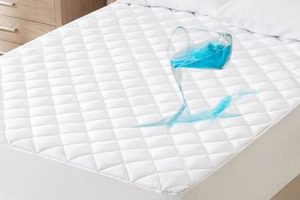
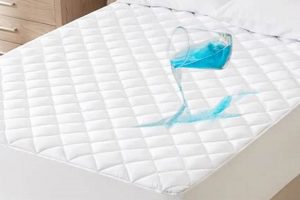
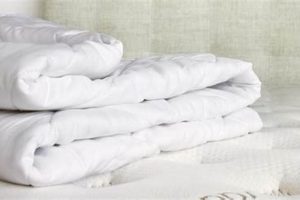
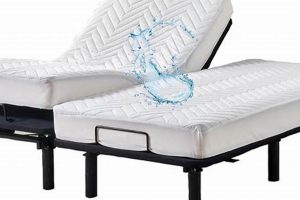
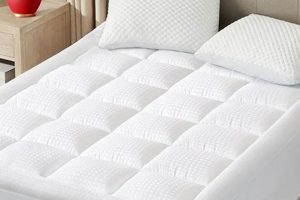
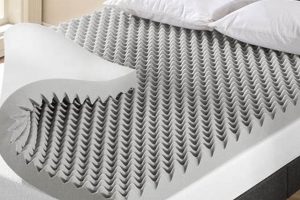
Mattress overlays designed to alleviate discomfort in the spinal region represent a significant category within sleep products. These items are typically constructed from materials such as memory foam, latex, or down alternatives, and are intended to be placed on top of an existing mattress to modify its firmness or provide additional support. For example, a memory foam overlay can contour to the body, distributing weight more evenly and reducing pressure points that contribute to back pain.
The selection of appropriate bedding accessories can substantially impact sleep quality and musculoskeletal health. Historically, individuals have sought solutions to improve mattress comfort and support through various means, from using blankets to constructing rudimentary padding. Modern mattress overlays offer a refined and targeted approach to addressing specific needs, such as relieving pressure, improving spinal alignment, and enhancing overall sleep posture. Benefits include a potential reduction in pain symptoms, improved sleep duration, and decreased reliance on pain medication.
Subsequent sections will explore the key factors to consider when selecting a mattress overlay for spinal discomfort, including material properties, thickness, density, and specific features designed to promote proper alignment and pressure relief. Furthermore, various types of overlays available on the market will be analyzed, along with their respective advantages and disadvantages.
Tips for Selecting a Mattress Overlay to Mitigate Spinal Discomfort
The following guidelines are presented to assist in the informed selection of a mattress overlay intended to alleviate back pain. These recommendations emphasize factors crucial for optimizing support, pressure relief, and overall sleep quality.
Tip 1: Material Considerations. Opt for materials known for their pressure-relieving properties. Memory foam, latex, and gel-infused foams are commonly utilized. Memory foam conforms to the body’s contours, while latex offers a more resilient support. Gel infusions may help regulate temperature.
Tip 2: Density Assessment. Higher-density foams generally provide greater support and durability. A density of at least 3 pounds per cubic foot is recommended for memory foam overlays intended for individuals experiencing back pain.
Tip 3: Thickness Evaluation. The thickness of the overlay influences its impact on mattress firmness. A minimum thickness of 2 inches is often necessary to provide discernible pressure relief and support. Consider the existing mattress’s firmness when selecting overlay thickness.
Tip 4: Zoning and Contouring. Look for overlays with zoned construction or specific contouring features. These designs provide targeted support to different areas of the body, such as the lumbar region, promoting proper spinal alignment.
Tip 5: Support and Spinal Alignment. The core objective is maintaining spinal alignment. The selected overlay should facilitate a neutral spine position, minimizing strain and discomfort. Test the overlay to ensure it does not cause excessive sinking or curvature of the spine.
Tip 6: Certifications and Standards. Verify that the overlay is certified by reputable organizations, such as CertiPUR-US, which indicates that the foam has been tested for harmful substances and meets specific performance standards.
Tip 7: Trial Periods and Return Policies. Prioritize retailers that offer trial periods and reasonable return policies. This allows for adequate assessment of the overlay’s effectiveness in alleviating back pain before committing to a purchase.
Adherence to these guidelines can facilitate the selection of a mattress overlay that provides optimal support, pressure relief, and spinal alignment, potentially leading to a reduction in back pain and improved sleep quality.
The subsequent sections will delve into specific mattress overlay types and address common concerns related to their use in managing spinal discomfort.
1. Material Density

Material density is a fundamental characteristic determining the support and durability of mattress overlays designed for back pain mitigation. In the context of foam-based overlays, density refers to the mass of the material per unit volume, typically measured in pounds per cubic foot (lbs/ft). Higher density materials exhibit greater resistance to compression and deformation, directly impacting their ability to provide sustained support for the spine.
An overlay with inadequate density may compress excessively under body weight, failing to maintain proper spinal alignment and potentially exacerbating existing back pain. Conversely, a higher density overlay provides firmer, more consistent support, distributing weight more evenly and reducing pressure points. As an example, a memory foam overlay with a density of 4 lbs/ft will generally offer superior support and longevity compared to one with a density of 2 lbs/ft. The practical significance of this understanding lies in the ability to differentiate between seemingly similar products and select an overlay that will effectively support the spine over an extended period.
Selecting an overlay with sufficient material density is crucial for ensuring both immediate comfort and long-term spinal health. While other factors such as material type and thickness also contribute to overall performance, density serves as a primary indicator of the overlay’s capacity to provide effective and enduring support. Failure to consider material density can result in the purchase of an overlay that quickly loses its supportive properties, leading to renewed or worsened back pain. Understanding the effect of Material Density is crucial for the selection of suitable mattress pads to mitigate Back Pain.
2. Support level

Support level, in the context of mattress overlays designed for spinal discomfort, refers to the overlay’s capacity to maintain proper spinal alignment and distribute body weight evenly. Insufficient support can lead to spinal misalignment, increased pressure on specific points, and resultant pain. A direct causal relationship exists between inadequate support and the exacerbation of existing back issues or the development of new ones. For example, an overlay that is too soft may allow the hips to sink excessively, leading to an unnatural curvature of the lumbar spine. This prolonged misalignment can contribute to muscle strain and nerve compression. Conversely, an overlay with appropriate support maintains the spine’s natural curves, reducing stress on muscles and joints.
The optimal support level is not universally uniform; it varies based on individual factors such as body weight, sleeping position, and pre-existing conditions. Individuals with higher body weights generally require firmer overlays to prevent excessive sinking and maintain spinal alignment. Side sleeper
s typically benefit from overlays that offer targeted support to the shoulders and hips, accommodating the body’s natural contours in this position. Furthermore, certain conditions, such as scoliosis or herniated discs, may necessitate overlays with specialized support features. The practical application of this understanding lies in selecting an overlay that is tailored to the user’s specific needs and physiological characteristics.
In summary, support level constitutes a critical component in determining the effectiveness of mattress overlays for managing spinal discomfort. Ensuring adequate and appropriate support is essential for promoting proper spinal alignment, reducing pressure points, and mitigating pain. Selection of an overlay that fails to provide sufficient support can negate potential benefits and potentially worsen existing conditions. Therefore, careful consideration of individual needs and specific overlay characteristics is paramount. Understanding the effect of support level is crucial for the selection of suitable mattress pads to mitigate Back Pain.
3. Pressure Relief
Pressure relief is a critical function of mattress overlays designed to alleviate spinal discomfort. It refers to the overlay’s ability to redistribute body weight and minimize concentrated pressure on specific areas, such as the shoulders, hips, and lower back. This capability directly influences pain levels and sleep quality.
- Weight Distribution and Spinal Alignment
Effective pressure relief facilitates even weight distribution, which, in turn, promotes proper spinal alignment. When weight is not evenly distributed, certain areas bear excessive load, leading to muscle strain and joint compression. Overlays engineered for pressure relief conform to the body’s contours, minimizing these pressure concentrations and supporting the natural curves of the spine.
- Material Properties and Responsiveness
The material composition of the overlay significantly affects its pressure-relieving properties. Memory foam, for example, is known for its ability to contour to the body and distribute weight. Latex offers a more resilient response, providing both support and pressure relief. The responsiveness of the material determines how quickly and effectively it adapts to changes in pressure.
- Impact on Circulation and Inflammation
Sustained pressure on certain areas can impede blood circulation and contribute to inflammation. By reducing pressure points, mattress overlays can improve circulation and minimize inflammatory responses, thereby alleviating pain. This is particularly relevant for individuals with conditions such as arthritis or fibromyalgia.
- Thickness and Density Considerations
The thickness and density of the overlay influence its capacity for pressure relief. A thicker overlay generally provides greater cushioning and weight distribution. Density affects the material’s ability to resist compression and maintain its shape over time. An optimal balance between thickness and density is crucial for achieving effective and sustained pressure relief.
The provision of adequate pressure relief is a fundamental aspect in selecting a mattress overlay for managing spinal discomfort. Effective weight distribution, responsive materials, improved circulation, and appropriate thickness and density all contribute to the overlay’s ability to alleviate pain and promote restful sleep. Selection of an overlay that neglects pressure relief may fail to deliver the desired therapeutic benefits.
4. Spinal Alignment

Maintaining proper spinal alignment is a central objective in mitigating back pain through the use of mattress overlays. Deviations from a neutral spinal posture during sleep can exacerbate existing conditions or create new sources of discomfort. The selection of a mattress overlay should prioritize features that support and promote optimal spinal alignment.
- Neutral Spinal Curvature
A neutral spinal posture retains the natural curves of the spine: a slight inward curve in the neck and lower back, and a gentle outward curve in the mid-back. Overlays that conform to these contours, providing support without forcing unnatural positions, are most conducive to spinal health. For example, an overlay that prevents excessive sinking of the hips and shoulders in side sleepers helps maintain this alignment.
- Support for Different Sleeping Positions
Spinal alignment requirements vary depending on the individual’s preferred sleeping position. Back sleepers need support for the lumbar region to prevent the lower back from collapsing. Side sleepers require cushioning for the shoulders and hips to allow the spine to remain straight. Stomach sleeping is generally discouraged, as it often leads to spinal hyperextension, but a very thin, firm overlay may be preferable if this position is unavoidable. This understanding enables informed selection for Back Pain sufferers.
- Material Characteristics
The material properties of the mattress overlay significantly impact its ability to support spinal alignment. Memory foam conforms closely to the body, providing individualized support but may retain heat. Latex offers a more resilient support and better airflow. Hybrid overlays combine different materials to achieve a balance of comfort and support. The optimal choice depends on individual preferences and specific needs.
- Zoned Support Systems
Some mattress overlays incorporate zoned support systems, with varying levels of firmness in different areas. For example, the lumbar region may receive firmer support, while the shoulder and hip areas may be more cushioned. This targeted approach enhances spinal alignment by addressing the specific needs of different body regions.
The interaction of these elements dictates the overall effectiveness of an overlay in promoting spinal comfort. Consideration of these aspects enables informed selection. Proper alignment facilitates the selection of suitable mattress pads to mitigate Back Pain.
5. Thickness Profile

Thickness profile, in the context of mattress overlays intended to alleviate spinal discomfort, refers to the overall depth of the overlay and any variations in thickness across its surface. This parameter significantly influences the overlay’s capacity to alter the firmness of the underlying mattress and provide targeted support to different regions of the body. Understanding the thickness profile is crucial for selecting an overlay that effectively addresses individual needs and promotes optimal spinal alignment.
- Impact on Firmness Modification
The thickness of a mattress overlay directly correlates with its ability to change the perceived firmness of the underlying mattress. A thicker overlay will generally soften a firm mattress to a greater extent than a thinner one. For example, a 4-inch memory foam overlay will have a more pronounced impact on firmness than a 2-inch overlay of the same material. The choice of thickness should be guided by the individual’s preference for mattress firmne
ss and the existing characteristics of the mattress. - Influence on Pressure Redistribution
A thicker overlay can more effectively distribute pressure across a broader surface area, reducing concentrated pressure points on the body. This is particularly beneficial for individuals experiencing pain in specific areas, such as the hips or shoulders. The effectiveness of pressure redistribution also depends on the material properties of the overlay, with memory foam and latex being commonly used for their pressure-relieving capabilities.
- Considerations for Zoned Support
Some mattress overlays incorporate variations in thickness across different zones to provide targeted support to specific regions of the body. For example, an overlay may be thicker in the lumbar region to provide additional support to the lower back, or thinner in the shoulder region to allow for greater contouring. These zoned support systems aim to promote proper spinal alignment and reduce pressure on sensitive areas.
- Effect on Bed Height and Accessibility
The thickness of a mattress overlay will increase the overall height of the bed, which may be a consideration for individuals with mobility issues. A significantly thicker overlay may make it more difficult to get in and out of bed. It is important to factor in bed height when selecting a mattress overlay, especially for those with physical limitations.
In conclusion, the thickness profile of a mattress overlay is a critical factor to consider when selecting a product designed to alleviate spinal discomfort. The optimal thickness depends on individual preferences, the characteristics of the existing mattress, and any specific support needs. Careful consideration of these factors will enhance the likelihood of selecting an overlay that promotes proper spinal alignment and reduces pain.
6. Temperature Regulation

Temperature regulation in mattress overlays is a crucial factor in mitigating spinal discomfort. Overheating during sleep can disrupt sleep cycles, leading to increased restlessness and muscle tension. This, in turn, exacerbates back pain. Conversely, an overlay that effectively regulates temperature helps maintain a stable body temperature, promoting deeper, more restful sleep, which is essential for muscle recovery and pain management. For example, individuals using memory foam overlays, known for heat retention, often report increased back pain due to night sweats and interrupted sleep. Overlays incorporating cooling technologies, such as gel infusions or breathable fabrics, mitigate this effect.
The materials used in mattress overlays directly influence their temperature regulation capabilities. Traditional memory foam, while offering pressure relief, tends to trap heat. Latex, particularly natural latex, provides better airflow and heat dissipation. Advanced materials like phase-change materials (PCMs) actively absorb and release heat to maintain a consistent temperature. The design of the overlay also plays a role; open-cell foam structures and ventilated designs enhance airflow, reducing heat buildup. Individuals residing in warmer climates or those prone to night sweats should prioritize overlays with enhanced temperature regulation features. Real-world examples show that individuals who switched to latex or gel-infused memory foam reported significant relief from night sweats and associated back pain. This understanding enables informed material selection.
In summary, temperature regulation is an integral component of a mattress overlay’s effectiveness in managing spinal discomfort. Overheating disrupts sleep and increases muscle tension, worsening back pain. Overlays with cooling technologies and breathable materials promote stable body temperature, deeper sleep, and improved muscle recovery. Prioritizing temperature regulation is essential for individuals seeking to alleviate back pain through the use of mattress overlays. Effective Temperature regulation facilitates the selection of suitable mattress pads to mitigate Back Pain.
7. Certifications
Certifications serve as crucial indicators of quality, safety, and performance for mattress overlays designed to alleviate spinal discomfort. These certifications, issued by independent organizations, provide assurance that the product meets specific standards and has undergone rigorous testing, guiding consumers in their selection process.
- CertiPUR-US Certification
CertiPUR-US certification verifies that the foam used in mattress overlays has been tested for harmful substances, including ozone depleters, heavy metals, formaldehyde, and phthalates. This certification ensures that the product meets standards for low VOC (Volatile Organic Compound) emissions, contributing to healthier indoor air quality. Individuals with sensitivities or allergies often prioritize CertiPUR-US certified products to minimize potential health risks. An overlay lacking this certification may emit chemicals that exacerbate respiratory issues or skin irritations.
- OEKO-TEX Standard 100 Certification
The OEKO-TEX Standard 100 certification signifies that the fabric components of the mattress overlay, such as the cover, have been tested for harmful substances. This certification guarantees that the fabric is skin-friendly and free from allergenic dyes, pesticides, and other potentially harmful chemicals. Individuals with sensitive skin or those seeking environmentally responsible products often look for the OEKO-TEX Standard 100 label. The absence of this certification raises concerns about potential skin irritations or allergic reactions.
- Global Organic Latex Standard (GOLS) Certification
GOLS certification applies specifically to latex mattress overlays and verifies that the latex is derived from organically grown rubber trees and processed according to stringent environmental and social standards. This certification ensures that the product is free from harmful chemicals and that the manufacturing process minimizes environmental impact. Consumers seeking sustainable and eco-friendly options often prioritize GOLS-certified latex overlays. The lack of GOLS certification indicates a potential compromise on environmental responsibility and material purity.
- Other Relevant Certifications
Depending on the specific features and claims of the mattress overlay, other certifications may be relevant. These could include certifications related to antimicrobial properties, durability, or specific performance standards. A comprehensive assessment of certifications provides a more complete picture of the product’s quality and safety. The presence of relevant certifications strengthens consumer confidence in the product’s claims and overall value.
In summary, certifications play a vital role in guiding consumers towards mattress overlays that are safe, high-quality, and effective in alleviating spinal discomfort. These certifications provide assurance that the product has undergone independent testing and meets specific standards for chemical emissions, material purity, and environmental responsibility. Prioritizing certified products enhances the likelihood of selecting a mattress overlay that promotes both physical well-being and peace of mind.
Frequently Asked Questions Regarding Mattress Overlays and Spinal Discomfort
The followi
ng questions and answers address common concerns and misconceptions surrounding the use of mattress overlays for alleviating back pain. The information is presented to provide clarity and guidance for informed decision-making.
Question 1: Can a mattress overlay completely eliminate back pain?
Mattress overlays can contribute to back pain relief by improving spinal alignment and pressure distribution. However, they are not a guaranteed cure. The effectiveness of an overlay depends on the underlying cause of the pain, the severity of the condition, and individual factors. A qualified healthcare professional should be consulted for a comprehensive evaluation and treatment plan.
Question 2: What is the optimal thickness for a mattress overlay intended for back pain relief?
The optimal thickness varies based on the individual’s body weight, sleeping position, and the firmness of the existing mattress. Generally, a minimum thickness of 2 inches is recommended to provide noticeable support and pressure relief. Individuals with higher body weights or those seeking a more substantial change in mattress firmness may benefit from thicker overlays (3-4 inches).
Question 3: Are memory foam overlays the best option for all individuals experiencing back pain?
Memory foam overlays can be effective for many individuals due to their pressure-relieving properties. However, they are not universally suitable. Memory foam tends to retain heat, which may be uncomfortable for some. Latex or gel-infused foam overlays may offer better temperature regulation. The ideal material depends on individual preferences and specific needs.
Question 4: How long does a mattress overlay typically last?
The lifespan of a mattress overlay depends on the quality of materials, the density of the foam, and the frequency of use. High-density foam overlays generally last longer than low-density options. With proper care and maintenance, a quality mattress overlay can last for several years. However, signs of wear and tear, such as sagging or loss of support, indicate the need for replacement.
Question 5: Can a mattress overlay correct a severely sagging mattress?
Mattress overlays are designed to enhance comfort and support, but they cannot fully compensate for a severely sagging mattress. While an overlay can provide some improvement, it is not a long-term solution. In cases of significant sagging, replacing the mattress is the more effective and durable option.
Question 6: Are there any potential drawbacks to using a mattress overlay?
Potential drawbacks include increased bed height, which may pose challenges for individuals with mobility issues. Certain materials, such as memory foam, can retain heat. Additionally, some individuals may find the initial odor of new foam overlays to be unpleasant, although this typically dissipates over time.
In summary, mattress overlays can be a valuable tool in managing back pain by improving spinal alignment and pressure distribution. However, they are not a universal solution, and their effectiveness depends on individual factors and the specific characteristics of the overlay.
The following section will address the maintenance and care of mattress overlays to maximize their lifespan and effectiveness.
Concluding Summary of Mattress Overlays for Spinal Discomfort Mitigation
This exploration has examined the various facets of mattress overlays as potential aids in alleviating spinal discomfort. Key considerations include material properties, density, thickness, support level, temperature regulation, and certifications. Optimal selection necessitates a thorough understanding of individual needs and a careful evaluation of available product features, ensuring that these align effectively with specific requirements.
The decision to incorporate mattress overlays into a sleep health strategy should be guided by informed assessment and realistic expectations. Continued research and development in sleep technology may yield even more effective solutions for managing back pain in the future. Individuals are encouraged to consult healthcare professionals for personalized recommendations and to prioritize spinal health as an integral component of overall well-being.