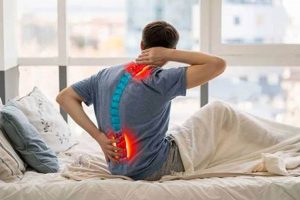
The most suitable sleep surface for individuals who primarily rest on their abdomen offers a specific balance of support and cushioning. This specialized design aims to maintain spinal alignment, preventing excessive sinkage in the midsection. Failure to select an appropriate sleeping surface can exacerbate or induce discomfort in the neck and lower back regions.
A properly chosen sleep surface can mitigate pressure points, reduce the likelihood of morning stiffness, and promote overall restful sleep. Historically, the understanding of ergonomic sleep solutions for this particular sleep posture has evolved, with advancements in materials science and biomechanics contributing to the development of specialized mattresses. The ultimate goal is to ensure the sleeper experiences minimal strain throughout the night, leading to improved sleep quality and daytime function.
Subsequent sections will delve into the material compositions commonly found in mattresses designed for this sleep style, the impact of firmness levels, and specific considerations for individuals with pre-existing medical conditions. This analysis will provide a framework for making an informed decision when selecting a mattress to optimize comfort and support.
Guidance for Abdominal Sleep Surface Selection
Selecting an appropriate mattress requires careful consideration to ensure optimal spinal alignment and pressure relief. The following recommendations address key aspects of mattress selection for individuals who predominantly sleep on their stomachs.
Tip 1: Prioritize Firmness. A medium-firm to firm mattress is generally recommended. This level of firmness provides adequate support to prevent excessive sinking of the hips and abdomen, which can lead to spinal misalignment.
Tip 2: Evaluate Material Composition. Options such as innerspring, latex, or hybrid mattresses can be suitable. However, the key is ensuring that the core provides sufficient support. Memory foam, while comfortable, may not offer enough support on its own for stomach sleepers.
Tip 3: Consider a Thin Pillow or None at All. Using a thick pillow can exacerbate neck strain. A very thin pillow or no pillow at all may be preferable to maintain a more neutral neck position.
Tip 4: Pay Attention to Edge Support. Strong edge support is essential to prevent rolling off the mattress, particularly for those who tend to move during sleep. This feature contributes to a more stable and consistent sleep surface.
Tip 5: Explore Adjustable Bases. An adjustable base allows for subtle adjustments to the mattress’s inclination, which can help alleviate pressure on specific areas of the body. This may be beneficial for individuals with pre-existing back or hip conditions.
Tip 6: Read Reviews and Seek Expert Advice. Consult independent reviews and seek recommendations from healthcare professionals or sleep specialists. Personal experiences and expert opinions can offer valuable insights into specific mattress models.
Tip 7: Utilize Trial Periods. Many mattress companies offer trial periods. Taking advantage of this opportunity allows for a realistic assessment of the mattress’s suitability and comfort level over an extended period.
These recommendations emphasize the importance of support, firmness, and proper spinal alignment for individuals favoring an abdominal sleep posture. The selection of a mattress tailored to these needs can contribute significantly to improved sleep quality and reduced musculoskeletal discomfort.
The subsequent sections will discuss common misconceptions related to mattress selection and offer strategies for addressing specific sleep-related concerns.
1. Firmness Level

Firmness level is a primary determinant of suitability in sleep surfaces for individuals who favor the stomach sleeping position. Insufficient firmness precipitates excessive sinkage in the midsection, causing spinal misalignment. This misalignment can strain the lower back and neck, potentially leading to chronic pain. Conversely, excessive firmness may create pressure points, particularly in the ribcage and hip region, also disrupting sleep. The objective is a firmness level that provides adequate support, preventing spinal curvature while offering sufficient cushioning for comfort. Example: An individual weighing 180 lbs who experiences morning back pain on a medium-plush mattress may find relief by transitioning to a medium-firm or firm model.
The selection of an appropriate firmness level is not solely based on weight; body composition and personal preference also play a role. Individuals with a higher concentration of weight in the abdominal area may require a firmer surface to maintain spinal alignment. Furthermore, pre-existing medical conditions, such as scoliosis or kyphosis, may necessitate a consultation with a healthcare professional to determine the optimal firmness level. For example, an individual with scoliosis might benefit from a custom-designed mattress with varying firmness zones to accommodate the curvature of the spine.
In summary, firmness level is a critical factor in the selection of a sleep surface for stomach sleepers. An appropriate level ensures spinal alignment, prevents pressure points, and promotes restful sleep. The ideal firmness is not a universal constant, and individual factors such as weight, body composition, and pre-existing conditions should be considered. Failure to adequately assess and address firmness can negate other potential benefits of a specialized sleep surface.
2. Supportive Core

The core of a sleep surface serves as the primary structural component responsible for providing support and maintaining spinal alignment. Its importance is amplified for individuals who sleep on their stomachs, where the risk of spinal misalignment is inherently greater due to gravitational forces acting on the torso.
- Material Density and Composition
The density and composition of the core material directly influence its ability to resist compression and maintain a level sleep surface. High-density foams, such as high-density polyurethane or latex, offer superior support compared to low-density alternatives. Innerspring systems, particularly those with individually wrapped coils, can also provide targeted support by contouring to the body’s shape. The choice of material should align with the individual’s weight and body type to prevent excessive sinking in the midsection.
- Zoned Support Systems
Zoned support systems involve variations in firmness across different sections of the core. For stomach sleepers, a firmer zone in the center of the mattress, corresponding to the abdominal area, can help prevent excessive sinkage and maintain spinal alignment. Softer zones may be incorporated in the shoulder and hip regions to a
lleviate pressure points. These systems are engineered to distribute weight evenly and promote optimal postural support. - Edge Support Reinforcement
Edge support reinforcement is a crucial consideration for individuals who utilize the full surface of the sleep area. Strong edge support prevents the perimeter of the mattress from collapsing under weight, which can compromise spinal alignment and reduce the usable sleep surface. Reinforced edges often involve the use of higher-density foam encasements or strategically placed metal coils along the perimeter of the core.
- Durability and Longevity
The durability of the supportive core directly impacts the lifespan and performance of the mattress. Inferior materials can degrade over time, leading to a loss of support and an increased risk of spinal misalignment. Selecting a mattress with a robust core construction, utilizing high-quality materials, ensures long-term support and minimizes the need for frequent replacements. Warranties and independent testing reports can provide insights into the expected lifespan of the core materials.
In summary, the supportive core is an indispensable element of any sleep surface designed for abdominal sleepers. Material density, zoned support, edge reinforcement, and durability each contribute to the overall ability of the mattress to maintain spinal alignment and provide adequate support. Neglecting these considerations can result in discomfort, pain, and compromised sleep quality, thereby negating the benefits of other design features.
3. Minimal Sinkage

For stomach sleepers, minimal sinkage is a critical performance characteristic. Excessive sinkage, particularly in the abdominal region, induces an unnatural curvature of the spine, potentially exacerbating or instigating lower back pain. The selection of a sleep surface designed to prevent this excessive compression is paramount to maintaining proper spinal alignment throughout the night. Inadequate support leads to a hammock-like effect, disrupting the natural curvature of the back and causing muscle strain.
The effectiveness of minimizing sinkage is directly correlated to the materials and construction employed in the mattress. High-density foams, robust innerspring systems, and strategic zoning contribute to a surface that resists compression under the weight of the sleeper. An example of this can be observed in a mattress with a reinforced center third, specifically designed to counteract the higher concentration of weight in the torso region during stomach sleeping. Mattresses lacking these features often fail to provide sufficient support, leading to compromised sleep quality and potential musculoskeletal issues. Furthermore, the lifespan of a sleep surface is impacted by its ability to resist sinkage. A mattress that loses its structural integrity over time will gradually fail to provide the necessary support, necessitating replacement.
Achieving minimal sinkage is a balance between providing sufficient support and offering adequate cushioning for comfort. This is typically accomplished through a combination of firmness, material composition, and zoning. The practical significance of understanding this relationship lies in the ability to make informed purchasing decisions, prioritizing mattresses that are specifically engineered to address the unique needs of stomach sleepers. Failure to do so can result in chronic discomfort and reduced sleep quality, underscoring the importance of prioritizing minimal sinkage when selecting a sleep surface.
4. Pressure Relief

Pressure relief is a critical consideration in the selection of a sleep surface, particularly for individuals who sleep on their stomachs. A mattress’s ability to effectively distribute weight and minimize pressure points is paramount for preventing discomfort and promoting restful sleep. Without adequate pressure relief, concentrated force on specific areas of the body can lead to pain, numbness, and impaired circulation.
- Material Conformity and Distribution
The extent to which a sleep surface conforms to the body’s contours directly influences pressure distribution. Materials such as memory foam and latex possess viscoelastic properties that allow them to mold to the sleeper’s shape, thereby dispersing weight more evenly. In the context of stomach sleeping, this conformity mitigates pressure on areas such as the ribs, hips, and shoulders, reducing the likelihood of localized discomfort. Failure to adequately distribute weight can result in concentrated pressure points, leading to disrupted sleep cycles and potential long-term musculoskeletal issues.
- Zoned Pressure Relief Systems
Specific mattress designs incorporate zoned pressure relief systems that tailor support to different areas of the body. For individuals favoring the stomach sleeping position, a zoned system may feature softer materials in the shoulder and hip regions to alleviate pressure, while providing firmer support in the midsection to prevent spinal misalignment. This targeted approach ensures that areas prone to pressure receive adequate cushioning, while maintaining overall postural support. Improperly designed zones, however, can exacerbate pressure points and compromise spinal alignment.
- Surface Texture and Friction
The texture of the mattress surface and its coefficient of friction can impact pressure relief. A smooth surface with minimal friction reduces shear forces against the skin, minimizing the potential for irritation and discomfort. Materials with high friction can exacerbate pressure points by causing localized compression and restricting blood flow. For stomach sleepers, who often have greater surface area contact with the mattress, a smooth, low-friction surface is particularly important for preventing pressure-related skin issues.
- Integration with Pillow Selection
Pressure relief is not solely dependent on the mattress; the selection of an appropriate pillow also plays a crucial role. For stomach sleepers, a thin or no pillow is often recommended to minimize neck strain. However, the pillow’s material composition and shape should still provide adequate cushioning to prevent pressure points in the face and neck. An ill-fitting pillow can negate the benefits of a pressure-relieving mattress, highlighting the importance of considering the sleep system as a whole.
The facets described above underscore the multifaceted nature of pressure relief in the context of selecting a suitable sleep surface. By considering material conformity, zoned support, surface texture, and pillow integration, individuals can make informed decisions that optimize comfort, minimize discomfort, and promote restorative sleep. Ignoring these factors can lead to compromised sleep quality and potential health implications, emphasizing the need for a comprehensive understanding of pressure relief mechanisms when choosing a mattress.
5. Neck Alignment
Optimal neck alignment is a critical determinant of sleep quality, particularly for those who favor the stomach sleeping position. The degree to which the cervical spine is maintained in a neutra
l, unstrained position directly influences the likelihood of experiencing neck pain, stiffness, and related musculoskeletal discomfort. A poorly chosen sleep surface can exacerbate these issues, underscoring the importance of selecting a mattress and pillow combination that prioritizes proper neck alignment.
- Pillow Loft and Support
Pillow loft, or height, significantly impacts neck alignment. A pillow that is too high forces the neck into excessive extension, while one that is too low fails to provide adequate support. For stomach sleepers, a very thin pillow or no pillow at all is often recommended to minimize cervical strain. The material composition of the pillow, whether it be down, memory foam, or latex, also influences its support characteristics. A supportive yet conforming material is ideal for maintaining neutral alignment without creating pressure points. For instance, a shredded memory foam pillow allows for custom loft adjustment, accommodating the specific needs of a stomach sleeper. Conversely, a thick, firm pillow will invariably lead to neck hyperextension and subsequent discomfort.
- Mattress Firmness and Sinkage
The firmness of the sleep surface directly influences the degree of spinal curvature and, consequently, neck alignment. A mattress that is too soft allows the midsection to sink excessively, creating a pronounced arch in the lower back and forcing the neck into an unnatural position. Conversely, a mattress that is too firm may not provide adequate cushioning, leading to pressure points and discomfort in the shoulders and neck. A medium-firm to firm mattress is generally recommended for stomach sleepers to provide adequate support and minimize spinal misalignment. For example, a stomach sleeper on a soft memory foam mattress might experience chronic neck pain due to the excessive sinkage and subsequent spinal curvature. The correct firmness level mitigates this effect.
- Body Weight Distribution
The distribution of body weight across the sleep surface affects spinal alignment, including the neck. Disproportionate weight distribution can lead to uneven compression of the mattress, causing the spine to tilt and the neck to compensate. This is particularly relevant for individuals with a higher concentration of weight in the abdominal region. Mattresses with zoned support systems, featuring varying firmness levels in different areas, can help to distribute weight more evenly and maintain optimal spinal alignment. Without proper weight distribution, the neck muscles are forced to work harder to maintain a neutral head position, leading to fatigue and pain.
- Sleep Position Dynamics
While an individual may primarily identify as a stomach sleeper, movements during sleep can influence neck alignment. Tossing and turning can lead to temporary shifts in spinal posture, potentially causing brief periods of strain. A responsive mattress material, such as latex, can adapt quickly to these changes, minimizing the impact on neck alignment. A less responsive material, such as traditional memory foam, may take longer to adjust, potentially exacerbating discomfort during sleep transitions. Therefore, the dynamic properties of the sleep surface should be considered to ensure consistent support and alignment throughout the night.
In conclusion, achieving optimal neck alignment for stomach sleepers requires a holistic approach that considers pillow loft, mattress firmness, body weight distribution, and sleep position dynamics. A carefully selected combination of supportive mattress and appropriately sized pillow is essential for minimizing cervical strain and promoting restful, pain-free sleep. The failure to address these factors can result in chronic neck pain and reduced sleep quality, underscoring the importance of prioritizing neck alignment when selecting a sleep surface.
6. Edge Stability

Edge stability, or the degree to which a mattress maintains its structural integrity along its perimeter, assumes heightened importance for individuals who primarily sleep on their stomachs. This is due to several factors. Stomach sleeping often involves a greater degree of surface area contact with the sleep surface, and individuals may frequently shift positions, potentially migrating toward the edges of the mattress. Insufficient edge support can lead to a feeling of instability, causing the sleeper to unconsciously tense muscles to prevent rolling off, thereby disrupting sleep and potentially causing musculoskeletal strain. A real-life example would be an individual sharing a bed; they may naturally gravitate toward the edge to afford more space to their partner. Without adequate edge support, their sleep quality is compromised.
Furthermore, the lack of edge stability can reduce the usable sleep surface. If the mattress sags or collapses near the perimeter, individuals may avoid sleeping in those areas, effectively shrinking the available space. This is particularly relevant for couples or individuals who prefer to spread out during sleep. Consider a scenario where an individual frequently awakens due to feeling as if they are falling off the edge; this constant disruption leads to fragmented sleep and decreased overall restfulness. The practical application of understanding edge stability involves careful examination of mattress construction, specifically looking for reinforced edges, higher-density foam encasements, or strategically placed coils designed to provide additional support.
In summation, edge stability is not merely a peripheral feature but an integral component for those who primarily assume the stomach sleeping position. Its absence directly impacts sleep quality, spinal alignment, and overall comfort. Prioritizing mattresses with robust edge support mitigates the risk of instability, maximizes the usable sleep surface, and contributes to a more restful and restorative sleep experience. Ignoring this aspect during mattress selection can lead to chronic discomfort and diminished sleep quality, highlighting its practical significance.
Frequently Asked Questions
The following addresses common inquiries regarding the selection of an appropriate sleep surface for individuals who primarily sleep on their stomachs. These questions aim to clarify key considerations and dispel common misconceptions.
Question 1: Is a firm mattress always the optimal choice for stomach sleepers?
While a firmer mattress is generally recommended to prevent excessive sinkage, the ideal firmness level is contingent on individual factors, including body weight and composition. A mattress that is excessively firm can create pressure points and discomfort. A medium-firm to firm mattress typically provides the necessary support while offering adequate cushioning.
Question 2: Can a memory foam mattress be suitable for stomach sleepers?
A memory foam mattress can be suitable if it provides sufficient support and prevents excessive sinking in the abdominal region. High-density memory foam or hybrid mattresses that combine memory foam with a supportive innerspring or latex core may offer an appropriate balance of comfort and support.
Question 3: Is the pillow as important as the mattress for stomach sleepers?
Pillow selection is crucial for maintaining proper neck alignment. A very thin pillow or no pillow at all is often recommended to minimize strain on the cervical spine. The pillow’s loft and support characteristics should be carefully considered to prevent hyperextension or flexion of the neck.
Question 4: How does body weight aff
ect mattress selection for stomach sleepers?
Individuals with higher body weights generally require firmer mattresses to prevent excessive sinkage and maintain spinal alignment. Conversely, individuals with lower body weights may find a medium-firm mattress provides adequate support and comfort. The mattress’s support core should be capable of accommodating the individual’s weight without compromising its structural integrity.
Question 5: What is the role of zoned support in a mattress for stomach sleepers?
Zoned support systems involve varying firmness levels across different sections of the mattress to provide targeted support and pressure relief. For stomach sleepers, a firmer zone in the center of the mattress can prevent excessive sinkage in the abdominal region, while softer zones in the shoulder and hip areas can alleviate pressure points.
Question 6: How can edge support impact the sleep quality of a stomach sleeper?
Adequate edge support prevents the perimeter of the mattress from collapsing under weight, maximizing the usable sleep surface and preventing a feeling of instability. This is particularly important for stomach sleepers who may tend to shift positions and move toward the edges of the mattress during sleep.
These FAQs highlight the multifaceted nature of mattress selection for stomach sleepers. Considerations extend beyond firmness alone and encompass material composition, pillow selection, body weight, zoned support, and edge support.
The subsequent sections will address strategies for evaluating and comparing specific mattress models based on these criteria.
“Best Mattress Stomach Sleepers”
This analysis has examined the critical features of a sleep surface designed to accommodate the stomach sleeping position. Elements such as firmness, core support, minimal sinkage, pressure relief, neck alignment, and edge stability collectively contribute to a sleep environment conducive to spinal health and restorative rest. The absence of any of these features can lead to discomfort and potential long-term musculoskeletal issues. The identification of optimal sleep solutions necessitates a comprehensive understanding of these inter-related factors.
The selection of a sleep surface is a personalized endeavor, influenced by individual anatomy and preferences. Further investigation into specific models, coupled with professional consultation when necessary, is encouraged to ensure a decision that aligns with individual needs and promotes sustained well-being. The information provided herein serves as a foundation for informed decision-making, guiding individuals toward a sleep experience that optimizes health and comfort.

![Top-Rated Best Camper Mattress For RV Comfort - [Year] | Organic & Natural Mattress Buyer’s Guide: Non-Toxic Sleep Solutions](https://mattressworldpa.com/wp-content/uploads/2025/07/th-7833-300x200.jpg "Top-Rated Best Camper Mattress For RV Comfort - [Year] Organic & Natural Mattress Buyer’s Guide: Non-Toxic Sleep Solutions")