A sleeping surface crafted from natural and certified organic materials, designed to provide optimal comfort and support specifically for individuals who primarily sleep on their side, aims to alleviate pressure points and promote spinal alignment. This type of mattress typically utilizes materials such as organic cotton, natural latex, and organic wool, avoiding synthetic foams, chemical flame retardants, and other potentially harmful substances often found in conventional mattresses.
The selection of a suitable sleeping surface tailored to side sleeping offers numerous potential advantages. Proper spinal alignment can reduce back and neck pain. The use of organic materials minimizes exposure to volatile organic compounds (VOCs), promoting a healthier sleep environment. Historically, mattresses were primarily constructed from natural materials, but the advent of synthetic materials led to a shift. Recent awareness of the potential health and environmental implications of these synthetic materials has driven renewed interest in organically sourced alternatives.
The following article explores the critical factors in choosing a supportive and non-toxic sleep solution, outlining specific material considerations, firmness levels, and construction methods that contribute to a restful and healthy night’s sleep for the side sleeper.
Tips for Selecting an Ideal Sleeping Surface
Choosing an appropriate sleeping surface requires careful consideration of several factors to ensure both comfort and proper support. For side sleepers, specific attention to pressure relief and spinal alignment is paramount.
Tip 1: Prioritize Material Certification: Look for certifications such as GOLS (Global Organic Latex Standard) and GOTS (Global Organic Textile Standard) to verify the organic origin and processing standards of the materials used.
Tip 2: Consider Latex Density: Natural latex offers a responsive and supportive feel. Medium-density latex is often suitable for side sleepers, providing cushioning while maintaining spinal alignment.
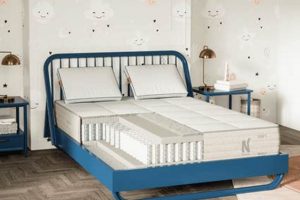
Tip 3: Evaluate Coil Construction: If considering a hybrid mattress, examine the coil system. Individually wrapped coils minimize motion transfer and conform to the body’s contours, offering targeted support.
Tip 4: Assess Firmness Level: A medium to medium-firm sleeping surface is generally recommended for side sleepers. This firmness level allows the shoulders and hips to sink in slightly, alleviating pressure while preventing excessive sinking that can misalign the spine.
Tip 5: Examine the Comfort Layers: Comfort layers, typically made of latex or wool, provide cushioning and contouring. The thickness and density of these layers influence the overall feel and pressure relief provided.
Tip 6: Investigate Wool Content: Organic wool serves as a natural fire retardant and helps regulate temperature, wicking away moisture and providing a comfortable sleeping environment.
Tip 7: Consider a Zoned Support System: Some mattresses incorporate zoned support, with firmer coils or latex in the center third of the mattress to provide additional lumbar support.
Selecting a sleeping surface tailored to side sleeping can promote proper spinal alignment, reduce pressure on joints, and minimize exposure to potentially harmful chemicals. Thorough research and consideration of individual needs are essential for informed decision-making.
The subsequent sections of this article will delve into specific material properties, construction techniques, and certifications in greater detail, providing further guidance for selecting a suitable option.
1. Material Certification

Material certification serves as a critical determinant of a sleeping surface’s claim to be truly organic and appropriate for side sleepers seeking a healthier sleep environment. Certifications such as GOLS (Global Organic Latex Standard) and GOTS (Global Organic Textile Standard) provide independent verification that the materials used latex, cotton, wool, and others meet stringent organic standards throughout the entire production process, from raw material sourcing to manufacturing. The absence of such certifications raises concerns about the actual organic content and the potential presence of synthetic additives or harmful chemicals. For example, a mattress marketed as “organic” without GOLS certification for its latex core may contain synthetic latex blends or have been processed using non-organic methods, compromising its purity and potentially introducing volatile organic compounds (VOCs).
The connection between material certification and suitability for side sleepers lies in the avoidance of potentially irritating or allergenic materials that can disrupt sleep. Side sleepers, who often spend extended periods in contact with the mattress surface, are particularly vulnerable to sensitivities triggered by non-organic materials. Furthermore, the consistent quality and purity assured by certifications contribute to the longevity and consistent performance of the mattress. A GOTS-certified organic cotton cover, for instance, is less likely to degrade or release harmful substances over time compared to conventionally processed cotton, ensuring a healthier and more comfortable sleeping surface for the long term.
In summary, material certification is indispensable for consumers seeking a genuinely organic mattress and should be a primary consideration, especially for side sleepers prioritizing a non-toxic and supportive sleep environment. Verification through reputable certifications provides assurance of material purity and adherence to organic standards, mitigating the risk of exposure to harmful chemicals and promoting a healthier, more restful sleep experience. The challenges lie in navigating marketing claims and verifying the authenticity of certifications, requiring diligent research and reliance on trusted certification bodies.
2. Latex Density

Latex density within an organic mattress significantly influences its suitability for side sleepers. Density dictates the level of support and pressure relief provided, factors critical for maintaining spinal alignment and minimizing discomfort in this sleep position.
- Support and Spinal Alignment
Higher latex density generally translates to firmer support. While firmness preferences vary, side sleepers typically benefit from medium to medium-firm densities. These densities allow the shoulders and hips to sink in slightly, alleviating pressure points, while preventing excessive sinking that can misalign the spine. Conversely, lower density latex may not provide sufficient support, leading to spinal curvature and potential back pain.
- Pressure Relief
Side sleepers concentrate pressure on the shoulders and hips. Latex density influences the
mattress’s ability to conform to the body’s contours and distribute weight evenly. Medium-density latex offers a balance of support and cushioning, effectively relieving pressure in these key areas. Inadequate pressure relief can result in discomfort, tossing and turning, and disrupted sleep. - Durability and Longevity
Higher density latex tends to exhibit greater durability and resistance to compression over time. A mattress with appropriate latex density is more likely to maintain its support and pressure-relieving properties, providing consistent comfort for an extended period. Lower density latex may degrade more quickly, leading to sagging and reduced support, ultimately diminishing its suitability for side sleepers.
- Responsiveness and Feel
Latex density impacts the mattress’s responsiveness. Medium-density latex typically offers a balance of contouring and responsiveness, allowing for ease of movement without feeling overly firm or sinking in too deeply. Side sleepers often appreciate this responsiveness, as it facilitates changing positions comfortably throughout the night. Very high-density latex may feel less responsive, while very low-density latex might lack sufficient support.
Therefore, the selection of an organic mattress with appropriate latex density is paramount for side sleepers. Consideration of individual body weight, firmness preferences, and sensitivity to pressure points is crucial in determining the optimal density for promoting spinal alignment, pressure relief, and long-term comfort. The correct density provides a blend of cushioning and support, essential for quality sleep.
3. Coil Construction

Coil construction, a foundational aspect of hybrid mattresses, significantly impacts the suitability of a sleeping surface for side sleepers. The design and arrangement of coils within a mattress influence its ability to provide targeted support, pressure relief, and motion isolation, all critical factors for optimal comfort and spinal alignment in this sleep position. Inadequate coil construction can result in uneven support, exacerbating pressure points on the shoulders and hips, leading to discomfort and disrupted sleep. For example, a continuous coil system, where coils are interconnected, may transfer motion across the mattress, disturbing a side sleeper if their partner moves during the night. In contrast, individually wrapped or pocketed coils, a more advanced construction technique, operate independently, minimizing motion transfer and conforming more closely to the body’s contours, offering better support.
The gauge, or thickness, of the coil wire also plays a vital role. Thicker coils (lower gauge numbers) provide firmer support, while thinner coils (higher gauge numbers) offer a softer feel. Side sleepers often benefit from a combination of coil gauges, with firmer coils in the center of the mattress to provide lumbar support and slightly softer coils in the shoulder and hip areas to alleviate pressure points. Furthermore, the zoning of coil systems, where different sections of the mattress feature varying coil densities or gauges, can further enhance targeted support and pressure relief for side sleepers. Consider a zoned support system with reinforced coils in the center third of the mattress to prevent spinal misalignment and softer coils in the shoulder area to accommodate the natural curvature of the spine in the side-sleeping position. Selecting appropriate coil construction supports healthy sleep.
In summary, coil construction is an essential determinant of a hybrid mattress’s suitability for side sleepers. Individually wrapped coils, varying coil gauges, and zoned support systems contribute to optimized support, pressure relief, and motion isolation, promoting spinal alignment and minimizing discomfort. The challenges lie in deciphering marketing terminology and assessing the quality of coil construction without direct examination. Therefore, researching reputable brands, reading independent reviews, and understanding the specific coil specifications are essential steps in selecting an organic hybrid mattress that provides optimal support and comfort for side sleepers. The benefits of this thoughtful selection are profound and contribute to a good night’s sleep.
4. Firmness Level

Firmness level is a critical determinant in selecting a sleeping surface optimized for side sleepers. The degree of firmness directly affects spinal alignment, pressure point relief, and overall sleep quality. A mattress that is either too firm or too soft can exacerbate discomfort and contribute to musculoskeletal issues.
- Spinal Alignment Maintenance
A medium-firm to medium firmness level is generally recommended for side sleepers to maintain proper spinal alignment. This range allows the shoulders and hips to sink in enough to alleviate pressure, while still providing sufficient support to prevent excessive curvature of the spine. A too-firm mattress may not allow adequate sinking, creating pressure points, while a too-soft mattress may cause the spine to sag, leading to back pain. Correct spinal alignment is paramount to side sleeper wellness.
- Pressure Point Alleviation
Side sleeping concentrates pressure on the shoulders and hips. A mattress with adequate give allows these areas to sink in, distributing weight more evenly and reducing pressure. However, excessive sinking can lead to spinal misalignment. The ideal firmness level strikes a balance, providing cushioning without compromising support. Memory foam and latex mattresses, particularly those with zoned construction, are often preferred for their ability to conform to the body’s contours and relieve pressure effectively. The impact of lessened pressure improves well-being.
- Body Weight Considerations
Body weight influences the perception of firmness. A lighter individual may find a medium-firm mattress too stiff, while a heavier individual may require a firmer surface to prevent excessive sinking. It is essential to consider body weight when selecting a mattress firmness level to ensure adequate support and pressure relief. Testing mattresses in person, if possible, allows individuals to assess the firmness level in relation to their specific body type. The proper consideration of body weight is crucial.
- Personal Preference and Comfort
While spinal alignment and pressure relief are crucial, personal preference plays a significant role in mattress selection. Some side sleepers prefer a slightly softer feel, while others prefer a firmer surface. It is important to consider individual comfort preferences when choosing a mattress, as a comfortable sleep environment promotes relaxation and improved sleep quality. Ultimately, the ideal firmness level is the one that provides optimal support, pressure relief, and comfort, leading to restful sleep. These preferences are important and valid.
In conclusion, firmness level is a pivotal factor in determining the suitability of a sleeping surface. The optimal choice balances spinal alignment, pressure relief, body weight considerations, and personal preference. Proper balance enhances the quality of sleep and improves musculoskeletal health, which leads to greater wellness.
5. Comfort Layers

Comfort layers, integral to a supportive sleeping surface, play a significant role in determining the suitability of an organic mattress for side sleepers. These layers, typically composed of materials such as natural latex, organic wool, or organic cotton, directly influence pressure relief and contouring, critical elements for spinal alignment and minimizing discomfort in the side-sleeping position. The composition and thickness of comfort layers affect the mattress’s ability to conform to the body’s curves, distributing weight evenly and alleviating pressure points on the shoulders and hips. For example, a mattress with thick comfort layers made of soft, responsive latex allows these areas to sink in slightly, promoting proper spinal alignment and reducing the likelihood of pain or stiffness upon waking. Conversely, insufficient or poorly constructed comfort layers can result in uneven weight distribution, leading to pressure buildup and discomfort, negating the benefits of the organic materials used in the support core.
The selection of appropriate materials for comfort layers is also vital. Organic wool, for instance, provides natural temperature regulation and moisture-wicking properties, contributing to a comfortable sleep climate. Its inherent fire-resistant qualities also eliminate the need for chemical flame retardants, aligning with the principles of organic mattress construction. Natural latex offers resilience and responsiveness, conforming to the body’s shape while providing support and preventing excessive sinking. Organic cotton, used in quilted covers or padding, adds a layer of softness and breathability. The careful combination of these materials, tailored to the needs of side sleepers, ensures both comfort and a healthy sleep environment. The arrangement of these layers also matters. Progressive layering, where softer materials are positioned closest to the sleeper and gradually transition to firmer layers below, can optimize pressure relief and support. If the mattress lacks conforming comfort layers, side sleepers can get a mattress topper.
In summary, comfort layers are a decisive factor in evaluating an organic mattress for side sleepers. Their composition, thickness, and arrangement directly impact pressure relief, spinal alignment, and overall comfort. Selecting a mattress with thoughtfully designed comfort layers made from high-quality organic materials is essential for side sleepers seeking a supportive, healthy, and restorative sleep experience. One challenge is distinguishing between mattresses with genuinely effective comfort layers and those that rely on marketing claims without delivering tangible benefits. Careful research, reading independent reviews, and considering material certifications are crucial steps in making an informed decision. The appropriate selection results in restful sleep.
6. Wool Content

Wool content plays a multifaceted role in determining the suitability of an organic mattress for side sleepers. Its presence impacts temperature regulation, moisture management, fire resistance, and cushioning, all contributing to sleep quality and comfort. Wool fibers possess natural crimp, creating air pockets that insulate against both heat and cold, maintaining a stable sleep temperature. This thermoregulation prevents overheating or chilling, common disruptions to sleep, particularly for side sleepers who maintain prolonged contact with the mattress surface. Furthermore, wool exhibits hygroscopic properties, absorbing and releasing moisture, mitigating humidity buildup that can create an uncomfortable sleep environment. By wicking away perspiration, wool contributes to a drier and more hygienic sleep surface, reducing the risk of microbial growth and allergens. Wool’s fire-resistant qualities also eliminate the necessity for chemical flame retardants, often a concern for consumers seeking organic and non-toxic sleeping solutions.
The cushioning provided by wool enhances the mattress’s ability to conform to the body’s contours, offering pressure relief crucial for side sleepers. The resilient nature of wool fibers allows them to compress and rebound, distributing weight evenly and minimizing pressure points on the shoulders and hips. This cushioning effect complements the support provided by underlying latex or coil systems, promoting spinal alignment and reducing discomfort. The volume and quality of wool content influence its effectiveness. Mattresses with a sufficient layer of densely packed wool offer superior temperature regulation, moisture management, and cushioning compared to those with thin or sparse wool layers. The type of wool also matters, with merino and other fine wools providing a softer and more luxurious feel than coarser wool varieties. For instance, a mattress employing a thick layer of merino wool batting will offer superior temperature regulation and pressure relief compared to a mattress with a thin layer of conventional wool padding.
In summary, wool content serves as an integral component of an organic mattress designed for side sleepers, contributing significantly to temperature regulation, moisture management, fire resistance, and pressure relief. Its presence promotes a more comfortable, hygienic, and supportive sleep environment. Assessing the volume, quality, and type of wool used in the mattress construction is crucial for discerning its suitability. The challenge lies in evaluating wool quality and quantity without direct examination, requiring reliance on product specifications, material certifications (such as GOTS for organic wool), and reputable brands. The positive correlation between wool content and quality sleep makes it an essential aspect of the selection process.
7. Zoned Support

Zoned support, a design feature in mattresses, aims to provide differentiated levels of firmness across various sections of the sleeping surface. The strategic application of zoned support directly impacts the suitability of an organic mattress for side sleepers. Side sleepers place concentrated pressure on the shoulders and hips. Zoned support addresses this by offering softer support in these areas, allowing for comfortable sinking and pressure relief, while simultaneously providing firmer support in the lumbar region to maintain spinal alignment. This differential support prevents the spine from curving unnaturally, a common cause of back pain among side sleepers. For example, a zoned support system might incorporate a section with softer latex or a greater density of individually wrapped coils in the shoulder and hip regions, complemented by a firmer section in the mid-section for lumbar support. The implementation of zonal support alleviates pain and creates comfort.
The effectiveness of zoned support hinges on the precision of its implementation. In a poorly designed system, the zones may be improperly positioned or insufficiently differentiated, failing to provide the intended benefits. For instance, if the firmer lumbar support zone extends too far into the hip area, it could create pressure points and discomfort for side sleepers. Conversely, if the softer shoulder zone is too small, it may not adequately accommodate the shoulder’s width, leading to shoulder pain. The material composition within each zone also influences the overall effectiveness. Combining zoned coil systems with varying densities of organic latex or strategically placed layers of organic wool can further enhance the pressure relief and support
characteristics of each zone. The appropriate placement of supports is paramount.
In conclusion, zoned support represents a significant advancement in mattress design, specifically benefitting side sleepers by addressing the unique pressure distribution challenges inherent in that sleep position. When properly implemented, zoned support promotes spinal alignment, reduces pressure points, and enhances overall comfort, contributing to restorative sleep. The challenge lies in assessing the quality and appropriateness of zoned support systems without direct experience. Researching reputable brands, examining mattress specifications, and reading customer reviews are essential steps in selecting a mattress with zoned support that effectively caters to the needs of side sleepers, improving their sleep quality and reducing back pain. Thoughtful research and consideration ensure a restful night.
Frequently Asked Questions
This section addresses common inquiries regarding the selection and benefits of an organic mattress specifically designed for individuals who sleep on their side. The information presented aims to provide clarity and informed decision-making.
Question 1: What distinguishes an organic mattress from a conventional mattress?
An organic mattress primarily utilizes materials sourced from certified organic origins, such as latex, cotton, and wool, adhering to stringent standards that restrict the use of synthetic chemicals, pesticides, and flame retardants. Conventional mattresses often incorporate synthetic foams, chemical adhesives, and treated fabrics that may release volatile organic compounds (VOCs).
Question 2: Why is an organic mattress potentially beneficial for side sleepers?
Side sleepers require mattresses that offer adequate pressure relief and spinal alignment. Organic mattresses, particularly those with natural latex or wool comfort layers, can conform to the body’s contours, alleviating pressure on the shoulders and hips while maintaining proper spinal posture. The absence of potentially harmful chemicals in organic materials further minimizes the risk of allergic reactions or respiratory irritation.
Question 3: What certifications should one look for when purchasing an organic mattress?
Key certifications to consider include GOLS (Global Organic Latex Standard) for latex components and GOTS (Global Organic Textile Standard) for cotton and wool. These certifications verify that the materials meet specific organic criteria throughout the production process, from raw material sourcing to manufacturing.
Question 4: What firmness level is generally recommended for side sleepers?
A medium to medium-firm mattress is typically recommended for side sleepers. This firmness level allows the shoulders and hips to sink in slightly, reducing pressure, while providing adequate support to prevent spinal misalignment. Individual preferences and body weight may influence the optimal firmness choice.
Question 5: Do organic mattresses require special care?
Generally, organic mattresses do not require significantly different care compared to conventional mattresses. Regular rotation and vacuuming can help maintain their condition. It is essential to follow the manufacturer’s specific care instructions to prolong the mattress’s lifespan and ensure optimal performance.
Question 6: Are organic mattresses significantly more expensive than conventional mattresses?
Organic mattresses often involve a higher initial investment due to the sourcing and processing of organic materials. However, their potential longevity, reduced exposure to harmful chemicals, and enhanced comfort may provide long-term value. Price variations exist depending on the materials used, construction techniques, and brand reputation.
In summary, selecting an organic mattress tailored to side sleeping involves careful consideration of material certifications, firmness levels, and individual needs. The potential benefits include reduced exposure to harmful chemicals, enhanced comfort, and improved spinal alignment.
The subsequent section of this article will explore specific brands and models available in the market, providing further guidance for the selection process.
Conclusion
The preceding exploration of the best organic mattress for side sleepers has emphasized the critical factors influencing suitability. Material certifications, latex density, coil construction, firmness levels, comfort layers, wool content, and zoned support each contribute to a sleeping surface capable of promoting spinal alignment, pressure relief, and a healthier sleep environment. A comprehensive understanding of these elements empowers consumers to make informed decisions.
The selection of a sleep surface is a significant investment in individual well-being. Continued research and diligence in evaluating mattress specifications and certifications are essential for ensuring a purchase that aligns with both comfort preferences and health considerations. The pursuit of optimal sleep quality remains a worthwhile endeavor.
![Top-Rated Best Mattress for RV Use: [Year] Guide | Organic & Natural Mattress Buyer’s Guide: Non-Toxic Sleep Solutions](https://mattressworldpa.com/wp-content/uploads/2025/07/th-7818-300x200.jpg "Top-Rated Best Mattress for RV Use: [Year] Guide Organic & Natural Mattress Buyer’s Guide: Non-Toxic Sleep Solutions")