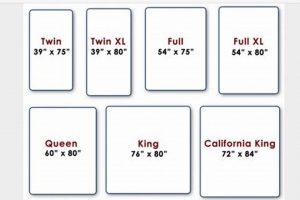
A standardized sleeping surface dimensioned at approximately 39 inches wide and 75 inches long, designed specifically for use on a bed frame intended to stack one sleeping platform above another. This configuration is prevalent in spaces where floor area is limited, such as dormitories, children’s rooms, and hostels. The reduced profile ensures compatibility with the upper or lower tiers of these vertically oriented bed frames.
This type of bedding solution offers several advantages, including space optimization, particularly valuable in shared living arrangements or smaller rooms. Historically, tiered sleeping structures have been utilized to maximize occupancy in military barracks, ships, and other communal living environments. Their continued relevance reflects their practicality and cost-effectiveness in accommodating multiple sleepers within a compact footprint.
The ensuing sections will delve into specific aspects of selecting a suitable mattress for these structures, including considerations for mattress thickness, material composition, safety guidelines related to guardrail height, and the impact of mattress choice on overall comfort and support.
Guidance for Selecting Bedding for Tiered Sleeping Structures
The following are crucial considerations when acquiring bedding designed for stacked sleeping platforms.
Tip 1: Mattress Thickness. Adhere strictly to the bunk bed manufacturer’s maximum allowable mattress height. Exceeding this limit compromises the integrity of the safety rails and significantly increases the risk of falls.
Tip 2: Material Composition. Consider the properties of different materials. Memory foam conforms to the body, potentially reducing pressure points. Innerspring designs offer enhanced support and breathability. Latex provides a balance of comfort and durability.
Tip 3: Weight Capacity. Verify that the selected mattress supports the intended occupant’s weight. Exceeding the stated weight limit can lead to premature mattress degradation and potential structural failure of the supporting frame.
Tip 4: Fire Retardancy. Prioritize bedding that meets or exceeds applicable fire safety standards. Compliance with regulations minimizes fire hazards and enhances occupant safety. Look for certifications from reputable testing organizations.
Tip 5: Support and Comfort. Evaluate the level of support required. Consider the occupant’s sleeping position and any pre-existing back or joint conditions. Proper support is essential for maintaining spinal alignment and preventing discomfort.
Tip 6: Flippable Design. Opt for a flippable model to extend its lifespan and promote even wear. Regularly rotating and flipping the mattress distributes weight and prevents localized sagging.
Selecting a suitable mattress for these stacked structures requires careful evaluation of safety, support, and material properties. Prioritizing these considerations ensures both the occupant’s well-being and the longevity of the bedding investment.
The subsequent section will address maintenance procedures to prolong its usability and hygiene.
1. Dimensions (39" x 75")

The specified dimensions of 39 inches by 75 inches represent the standardized measurements for a twin mattress intended for use on tiered sleeping structures. These dimensions are critical for ensuring compatibility with these bed frames and for maintaining safety within the constraints of vertically stacked bed systems.
- Frame Compatibility
The 39″ x 75″ dimension is explicitly designed to fit within the confines of a twin-sized bunk bed frame. Deviations from these measurements can lead to instability, improper support, or even the inability to properly place the mattress on the frame. This standardized sizing minimizes the risk of gaps or overhangs that could compromise safety.
- Space Optimization
This size is inherently linked to space-saving designs. By utilizing a standardized twin size, bunk beds maximize the number of sleeping surfaces in a limited floor area. This is particularly relevant in dormitories, hostels, or smaller bedrooms where efficient use of space is paramount. The dimensions facilitate the vertical stacking of sleeping platforms without excessive encroachment into the room.
- Safety Rail Clearance
The 39″ x 75″ dimensions, when combined with thickness limitations, directly impact the effectiveness of safety rails. Manufacturers design bunk beds with specific safety rail heights based on the anticipated mattress thickness. Deviating from the standard size and exceeding the recommended thickness can negate the protective function of the rails, increasing the risk of falls from the upper tier.
- Weight Distribution
The dimensions also indirectly influence weight distribution across the bunk bed frame. Although the dimensions themselves do not dictate weight capacity, they contribute to the overall load-bearing capabilities of the structure. A properly sized mattress ensures that the weight is evenly distributed across the supporting frame, minimizing stress points and enhancing the overall stability and longevity of the bunk bed system.
In conclusion, the precise dimensions of 39 inches by 75 inches are not merely arbitrary measurements but integral parameters that dictate compatibility, safety, and efficient space utilization within the context of bunk bed systems. Adherence to these dimensions is crucial for ensuring the safe and effective operation of tiered sleeping arrangements, mitigating risks and maximizing the benefits of vertically stacked beds.
2. Thickness Limitations
Thickness limitations are an integral safety component related to sleeping surfaces intended for tiered sleeping structures. The design of bunk beds incorporates safety rails positioned to prevent falls from the upper tier. The effectiveness of these rails is directly predicated on adherence to the manufacturer’s stipulated maximum mattress thickness. When a mattress exceeding this threshold is employed, it reduces the effective height of the safety rail, negating its protective function and substantially increasing the risk of injury from falls. For example, consider a bunk bed designed for a maximum mattress thickness of 8 inches. Using a 12-inch mattress effectively lowers the safety rail by 4 inches, potentially rendering it inadequate for preventing a sleeper from rolling off during sleep.
The specified mattress thickness also influences the structural integrity of the bunk bed frame. Exceeding the recommended thickness adds additional weight to the structure, potentially exceeding the load-bearing capacity, especially if the upper tier is also occupied. This can lead to premature wear and tear on the frame, com
promising its stability and long-term durability. Furthermore, thicker mattresses may obstruct the ladder or other access points, creating additional safety hazards and hindering egress in emergency situations. Many manufacturers include warning labels explicitly stating the maximum allowable thickness and the potential consequences of exceeding it, underscoring the critical importance of compliance.
In conclusion, the relationship between the dimensions and their maximum thickness cannot be overstated. Adherence to the stipulated thickness parameters is not merely a suggestion but a crucial safety measure that directly impacts the effectiveness of fall protection and the structural integrity of the entire bunk bed system. Failure to comply with these limitations can have serious safety implications and compromise the intended functionality of the vertically stacked sleeping arrangement.
3. Weight Capacity

Weight capacity represents a critical parameter in the selection and utilization of a mattress specifically designed for bunk beds. The weight rating, typically specified by both the bunk bed frame manufacturer and the mattress manufacturer, dictates the maximum load that the structure and its associated bedding can safely support. Exceeding this weight limit creates a cascade of potential consequences, ranging from accelerated wear and tear on the mattress to catastrophic structural failure of the bunk bed frame itself. For example, a frame rated for 200 pounds supporting a combined weight of a 150-pound sleeper and a 75-pound mattress exceeds the specified limit, inducing undue stress on the frame’s joints and potentially leading to collapse.
A properly matched weight capacity ensures not only the safety of the occupants but also the longevity of both the mattress and the bunk bed structure. When selecting a mattress, it is essential to consider the weight of the intended user, factoring in potential fluctuations over time. Choosing a mattress with a weight rating that comfortably exceeds the user’s current and anticipated weight provides a margin of safety and prolongs the lifespan of the bedding. Furthermore, the mattress’s internal construction and materials directly contribute to its overall weight capacity. Innerspring designs, for instance, may offer higher weight support compared to some foam-based mattresses, depending on their specific composition and construction.
In summary, weight capacity is a non-negotiable factor when procuring bedding for tiered sleeping arrangements. Careful consideration of the stated weight limits, combined with a comprehensive understanding of the mattress’s construction and materials, is paramount for ensuring occupant safety and maximizing the lifespan of the bunk bed system. Neglecting this critical parameter can lead to hazardous situations and premature degradation of the investment. Prudence dictates adherence to manufacturer specifications and the selection of bedding that provides an adequate safety margin in terms of weight-bearing capabilities.
4. Material Composition

The materials constituting a mattress significantly influence its suitability for usage within a bunk bed context. The dimensions of twin-size mattresses dictate space usage, whereas the materials determine factors such as weight, support, fire resistance, and overall comfort, each having a direct effect on the safety and practicality of the bunk bed setup. For instance, a high-density memory foam mattress, while offering superior conforming support, may also retain heat, potentially creating an uncomfortable sleeping environment on the upper tier due to limited air circulation. Conversely, an innerspring mattress, known for its breathability, might lack the pressure-relieving properties necessary for adequate comfort, especially for side sleepers. Material choice, therefore, becomes a crucial determinant of user satisfaction and safety.
Practical considerations extend to the weight of the mattress, which impacts the ease of handling during assembly and bed-making. Lighter materials, such as certain types of foam, facilitate easier maneuvering on the upper tier. The flammability of mattress materials is also paramount. Regulations often mandate the use of fire-resistant materials or treatments to mitigate the risk of fire hazards, especially critical in confined sleeping spaces. A latex mattress, known for its natural fire-resistant properties, represents an example of a material choice that inherently enhances safety. Moreover, the durability of materials affects the long-term cost-effectiveness. Inexpensive materials may degrade quickly under continuous use, necessitating premature replacement, whereas more resilient materials offer extended lifespan and sustained comfort.
In conclusion, the selection of appropriate mattress materials constitutes a pivotal aspect of optimizing the performance and safety of a bunk bed twin size mattress system. Informed decisions based on material properties like weight, comfort, fire resistance, and durability ensure that the chosen mattress not only fits the designated space but also provides a secure and comfortable sleeping surface for its occupant. Overlooking this critical connection between material and functionality can lead to compromised safety and diminished user experience, highlighting the importance of careful material evaluation during the selection process.
5. Support Requirements

In the context of a bunk bed twin size mattress, support requirements dictate the mattress characteristics necessary to ensure proper spinal alignment, pressure distribution, and overall comfort for the occupant. These requirements are not merely subjective preferences but contribute directly to the sleeper’s health, safety, and sleep quality, particularly within the confined space and unique usage conditions presented by bunk beds.
- Spinal Alignment and Posture
A bunk bed twin size mattress must provide adequate support to maintain the natural curvature of the spine. Insufficient support can lead to spinal misalignment, resulting in back pain, muscle strain, and potentially long-term postural problems. For example, a mattress that is too soft may allow the sleeper’s hips and shoulders to sink excessively, causing spinal curvature. Conversely, a mattress that is too firm may not conform to the body’s contours, creating pressure points and discomfort. Proper support, therefore, is essential for promoting healthy posture during sleep.
- Pressure Distribution
Effective pressure distribution is crucial to prevent the development of pressure points, which can disrupt sleep and cause discomfort. A bunk bed twin size mattress should evenly distribute the sleeper’s weight across its surface, minimizing concentrated pressure on specific areas such as the shoulders, hips, and knees. Materials like memory foam and latex are often used to enhance pressure distribution by conforming to the body’s shape and reducing localized stress. Inadequate pressure distribution can lead to tossing and turning, fragmented sleep, and potential discomfort.
- Edge Support
Edge support is particularly relevant in the context of bunk beds, where the sleeping surface is often elevated and ma
y be narrower than a standard bed. Strong edge support prevents the sleeper from rolling off the mattress, particularly on the upper bunk. It also provides a stable surface for sitting on the edge of the bed. Mattresses with reinforced edges or perimeter support systems offer enhanced stability and safety, reducing the risk of falls and increasing the usable sleeping surface area. - Accommodation of Sleeping Positions
Different sleeping positions (side, back, stomach) require varying degrees of support. Side sleepers typically need a softer mattress that allows their shoulders and hips to sink in, relieving pressure. Back sleepers generally require a firmer mattress that provides adequate support for the lower back. Stomach sleepers often benefit from a very firm mattress to prevent excessive sinking and spinal curvature. Therefore, the choice of mattress should align with the sleeper’s preferred sleeping position to ensure optimal comfort and support. A mismatched mattress can lead to discomfort, pain, and disrupted sleep.
These facets of support requirements, each intricately linked to the specific context of a bunk bed twin size mattress, underscore the necessity of careful consideration during the selection process. Failure to address these factors can compromise the sleeper’s comfort, safety, and long-term well-being. The ideal bunk bed mattress provides a balance of spinal alignment, pressure distribution, edge support, and accommodation of sleeping positions, creating a safe and comfortable sleeping environment within the confines of the bunk bed structure.
6. Safety Standards
Safety standards represent a cornerstone in the design, manufacturing, and usage of a bunk bed twin size mattress. These standards, often mandated by regulatory bodies, are designed to mitigate potential hazards and ensure the well-being of individuals utilizing these sleeping arrangements. The connection between safety standards and this type of bedding stems from the inherent risks associated with elevated sleeping surfaces and the potential for falls or injuries. Real-world examples underscore the importance of these standards; non-compliant bunk beds have been implicated in numerous cases of injury, ranging from minor bruises to more severe fractures and head trauma. Therefore, adherence to safety standards is not merely a regulatory obligation but a critical component of responsible product design and consumer protection.
Specific safety standards applicable to bunk bed twin size mattresses encompass various aspects, including mattress dimensions, flammability, and the presence of hazardous materials. For instance, mattress thickness limits are established to ensure that the safety rails on the bunk bed provide adequate protection against falls. Flammability standards, such as those outlined in 16 CFR Part 1633, mandate that mattresses resist ignition and slow the spread of fire, offering occupants valuable time to escape in the event of a fire. The absence of toxic chemicals, such as certain phthalates or flame retardants, is also crucial to prevent adverse health effects from prolonged exposure. Furthermore, stability and structural integrity standards for the bunk bed frame itself indirectly influence mattress safety, as a stable frame is essential for preventing accidental collapses or tipping.
In summary, the rigorous enforcement and adherence to safety standards are paramount for ensuring the safe and responsible utilization of a bunk bed twin size mattress. These standards address potential hazards related to falls, fire, and chemical exposure, protecting individuals from injury and promoting a safe sleeping environment. While challenges may arise in ensuring compliance across all manufacturers and retailers, the ultimate goal remains to prioritize safety and well-being through the consistent application of established safety protocols and guidelines. This proactive approach not only safeguards consumers but also fosters trust and confidence in the safety of tiered sleeping arrangements.
Frequently Asked Questions
The following section addresses common inquiries regarding mattresses for tiered sleeping structures, providing concise answers to prevalent concerns.
Question 1: What mattress thickness is appropriate for this specific bed type?
Bunk bed manufacturers stipulate a maximum allowable mattress thickness to ensure the effectiveness of safety rails. The precise measurement varies; consult the bed frame’s documentation. Exceeding this limit compromises occupant safety.
Question 2: Is a specialized type of mattress needed?
The selection of materials and construction should align with the user’s comfort preferences and support needs. However, all mattresses must adhere to thickness limitations and weight capacity guidelines. There is no blanket requirement for a specific construction method.
Question 3: How does mattress weight affect the upper bunk?
Excessive mattress weight can strain the bunk bed frame, potentially compromising structural integrity. Consider the combined weight of the mattress and intended occupant relative to the frame’s stated weight capacity.
Question 4: Is it possible to use a regular twin mattress?
A standard twin mattress is dimensionally compatible, but only if it adheres to the manufacturer’s specified thickness limitations for the bunk bed frame. Non-compliance negates safety features.
Question 5: What are the key considerations for fire safety?
Mattresses must meet or exceed applicable fire safety standards. Look for certifications from reputable testing organizations confirming compliance. Material composition and fire-retardant treatments are contributing factors.
Question 6: How does mattress support affect spinal alignment?
Adequate mattress support is essential for maintaining spinal alignment and preventing back pain. Consider the user’s sleeping position and any pre-existing back or joint conditions when selecting a mattress firmness level.
Careful consideration of these questions and their corresponding answers can significantly enhance the safety and comfort associated with selecting and utilizing bedding for vertically stacked sleeping arrangements.
The next section will elaborate on maintenance procedures to prolong the lifespan and hygiene of such mattresses.
Conclusion
The preceding analysis has elucidated the multifaceted considerations pertinent to the selection and utilization of bedding intended for tiered sleeping structures. Key aspects such as dimensional compliance, thickness limitations, weight capacity, material composition, support requirements, and adherence to safety standards exert a direct influence on occupant safety, comfort, and the long-term performance of the bunk bed system. A thorough understanding of these parameters is essential for making informed purchasing decisions and mitigating potential hazards associated with elevated sleeping surfaces.
Prioritizing safety, ergonomic support, and material durability will ensure optimal functionality and longevity. Responsible consumers are encouraged to meticulously evaluate all relevant specifications and prioritize products that meet or exceed established safety benchmarks. This approach not only safeguards occupants but also contributes to a more secure and sustainable living environment.
![Best Ashley Twin Mattress: [Year] Guide & Reviews | Organic & Natural Mattress Buyer’s Guide: Non-Toxic Sleep Solutions](https://mattressworldpa.com/wp-content/uploads/2025/07/th-5192-300x200.jpg "Best Ashley Twin Mattress: [Year] Guide & Reviews Organic & Natural Mattress Buyer’s Guide: Non-Toxic Sleep Solutions")
![Best Extra Long Twin Mattress [Guide] Sleep Better! | Organic & Natural Mattress Buyer’s Guide: Non-Toxic Sleep Solutions](https://mattressworldpa.com/wp-content/uploads/2025/07/th-5191-300x200.jpg "Best Extra Long Twin Mattress [Guide] Sleep Better! Organic & Natural Mattress Buyer’s Guide: Non-Toxic Sleep Solutions")