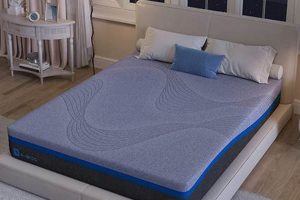
Specifically sized bedding designed for California King mattresses. These mattresses, longer and narrower than standard King sizes, necessitate fitted sheets, flat sheets, and other bedding components manufactured to their unique dimensions. This ensures a proper fit, preventing the sheets from slipping off the corners during use. As an example, a fitted sheet intended for this dimension should precisely conform to the mattress’s length and width.
Properly fitting bed linens are important for both comfort and hygiene. Ill-fitting sheets can bunch up or come loose, disrupting sleep. Bedding of the correct size also contributes to the overall appearance of the bed and bedroom. The availability of diverse materials, thread counts, and colors allows consumers to select options that suit their personal preferences and bedroom decor. Historically, bedding options were limited, but today, consumers have a wide array of choices regarding material, style, and price point.
The selection of quality bedding involves considering factors such as material composition, thread count, weave type, and overall durability. This discussion will now explore the nuances of these characteristics, guiding consumers in making informed purchasing decisions when acquiring linens specifically tailored for California King mattresses.
Selection and Care Considerations
This section offers guidance on selecting and maintaining bedding designed for California King mattresses, maximizing both comfort and longevity.
Tip 1: Material Selection: Prioritize natural fibers like cotton, linen, or bamboo for breathability and comfort. Synthetic options such as microfiber may offer durability and wrinkle resistance but may lack the breathability of natural alternatives.
Tip 2: Thread Count Assessment: A higher thread count does not always equate to superior quality. Focus on the fiber quality and weave. A thread count between 300 and 500 often represents a good balance of softness and durability.
Tip 3: Weave Type Considerations: Different weaves, such as percale and sateen, offer varying textures and drape. Percale is crisp and breathable, while sateen is silky and smooth. Choose a weave that aligns with personal preference.
Tip 4: Precise Measurement Verification: Before purchasing, confirm the mattress dimensions to ensure the fitted sheet depth accommodates the mattress thickness. Mattresses with pillow tops or mattress pads may require deeper pockets.
Tip 5: Colorfastness Testing: Opt for bedding treated for colorfastness to prevent dye bleeding during washing. Check product descriptions or reviews for information on color retention.
Tip 6: Washing and Drying Protocols: Adhere to the manufacturer’s washing instructions to preserve the fabric’s integrity. Avoid harsh detergents and high heat drying, which can damage fibers and cause shrinkage.
Tip 7: Proper Storage Techniques: Store clean bedding in a cool, dry place away from direct sunlight to prevent discoloration and mildew growth. Using breathable storage bags can help maintain freshness.
Implementing these guidelines helps guarantee the longevity and comfort of bedding investments. Selecting appropriate material, ensuring correct sizing, and maintaining appropriate care routines are essential.
The following sections will elaborate on specific fabric types and their suitability for California King size bedding, providing further insights into making well-informed choices.
1. Precise Dimensions

The term “Precise Dimensions” is inextricably linked to the concept of California King (Cal King) mattress linens. This connection arises from the non-standard size of the Cal King mattress typically 72 inches wide and 84 inches long. Unlike standard King mattresses, which are wider but shorter, the Cal King necessitates bedding specifically tailored to its elongated rectangular shape. Failure to account for precise dimensions results in ill-fitting sheets, leading to discomfort and reduced sleep quality. For instance, a standard King fitted sheet will be too wide and too short for a Cal King mattress, causing it to slip off the corners and bunch up during the night.
The importance of precise dimensions extends beyond mere comfort. Properly fitting bedding contributes to the longevity of both the mattress and the sheets themselves. When sheets are too tight, they exert undue stress on the seams, leading to premature tearing. Conversely, sheets that are too loose are more susceptible to abrasion and wear. Therefore, selecting Cal King size linens that accurately match the mattress dimensions is a practical investment in the durability of bedding and mattress components. Furthermore, precisely fitted sheets maintain a neater and more aesthetically pleasing appearance on the bed.
In summary, the relationship between “Precise Dimensions” and Cal King mattress linens is one of necessity. Accurate measurements are essential for ensuring comfort, prolonging the lifespan of bedding, and maintaining a visually appealing bed arrangement. Ignoring this critical connection leads to a compromised sleep experience and potentially wasteful spending on incorrectly sized items. Understanding the significance of precise dimensions empowers consumers to make informed purchasing decisions when acquiring bedding for a California King mattress.
2. Material Composition

The selection of material is a pivotal consideration when acquiring bedding for a California King mattress. Material composition directly impacts several critical aspects of the sleeping experience, including comfort, temperature regulation, durability, and ease of care. The expansive surface area of California King sheets accentuates these material characteristics, making the choice even more significant than for smaller mattress sizes. For instance, a sheet set constructed from 100% long-staple cotton offers breathability and moisture-wicking properties, promoting a comfortable sleep environment by regulating body temperature. Conversely, a polyester or microfiber blend, while potentially more wrinkle-resistant, may trap heat, leading to discomfort, especially for individuals prone to night sweats.
The longevity of California King bedding is also intrinsically linked to material composition. Durable materials such as linen or high-quality cotton withstand repeated washings and resist pilling, thereby extending the lifespan of the sheets. Cheaper materials, on the other hand, may degrade rapidly, requiring more frequent replacement. From a practical standpoint, consider the care requirements of different materials. Linen, while highly durable, often necessitates ironing to maintain a crisp appearance. Cotton offers a balance of comfort and ease of care, while some synthetic blends are specifically designed for wrinkle resistance and low-maintenance laundering. The choice depends on individual prioritie
s and lifestyle factors.
In summary, material composition is a fundamental determinant of the overall quality and performance of California King mattress sheets. By carefully evaluating the properties of different materials and aligning them with personal needs and preferences, consumers can make informed decisions that optimize comfort, durability, and ease of maintenance. Understanding the relationship between material and performance is crucial for ensuring a satisfying and long-lasting bedding investment. Failure to consider material aspects can lead to discomfort, premature wear, and ultimately, a less-than-optimal sleep experience.
3. Thread Count

Thread count, commonly cited as a measure of fabric quality, warrants careful consideration when selecting California King mattress sheets. It refers to the number of horizontal (weft) and vertical (warp) threads per square inch of fabric. While frequently associated with softness and luxury, thread count is not the sole determinant of bedding quality; fiber quality, weave, and finishing processes also play significant roles.
- Impact on Softness and Feel
Higher thread counts can contribute to a smoother, softer feel, particularly when combined with high-quality fibers like long-staple cotton. However, excessively high thread counts (e.g., above 800) may be misleading, achieved through the use of multi-ply yarns. These sheets might not be as durable or breathable as sheets with a lower, single-ply thread count using superior fibers. Example: A 400-thread-count sheet made with Egyptian cotton typically feels softer and more luxurious than an 800-thread-count sheet made with a lower-grade cotton.
- Influence on Durability and Longevity
While a reasonable thread count can enhance durability, fiber quality and weave construction are more critical factors. Tightly woven fabrics with strong fibers will generally last longer than loosely woven fabrics with a high thread count but weaker fibers. Example: Percale weave sheets, known for their durability, often have a moderate thread count (200-400) but resist wear and tear effectively.
- Relationship with Breathability and Temperature Regulation
Extremely high thread counts can sometimes reduce breathability, potentially trapping heat and moisture. Sheets with moderate thread counts and breathable weaves (e.g., percale, linen) allow for better airflow, promoting temperature regulation during sleep. Example: Individuals prone to night sweats may find sheets with a lower thread count and open weave more comfortable than those with a very high thread count and a tighter weave.
- Deceptive Marketing Practices
The perception of thread count as a singular measure of quality has led to deceptive marketing practices. Some manufacturers inflate thread counts by using multi-ply yarns or manipulating the weaving process. Therefore, consumers should prioritize fiber quality and weave over solely relying on thread count as an indicator of superior bedding. Example: A sheet labeled as “1000 thread count” may actually be woven with two-ply yarns, effectively doubling the thread count without significantly improving the fabric’s quality or feel.
In conclusion, when selecting California King mattress sheets, thread count should be considered in conjunction with other factors, such as fiber quality, weave, and construction. Focusing solely on thread count can be misleading, as the overall quality and performance of the sheets depend on a combination of these elements. Opting for sheets made with high-quality fibers and a well-constructed weave, even with a moderate thread count, often provides a more comfortable, durable, and breathable sleep experience.
4. Weave Type

The selection of weave type is a critical factor influencing the performance and characteristics of California King mattress sheets. Weave type determines the fabric’s texture, breathability, drape, and overall durability. The vast surface area of Cal King bedding amplifies these qualities, making weave selection a significant determinant of sleep comfort. For example, percale, a plain weave, produces a crisp, breathable fabric ideal for warm sleepers due to its open structure. In contrast, sateen, characterized by its satin-like sheen and smooth hand, offers a warmer, denser feel, which may be preferable for cooler environments or individuals seeking a more luxurious sensation. The choice significantly affects the user’s thermal experience throughout the night.
Different weaves also exhibit varying degrees of resilience and wrinkle resistance, further impacting practicality. Percale, owing to its tight weave, tends to be more durable and less prone to pilling than sateen, which can be more delicate and susceptible to snags. Linen, known for its exceptional strength, often features a plain weave or damask pattern and becomes softer with each washing. Twill weaves, identified by their diagonal ribbing, offer a balance of durability and drape, but may not be as breathable as percale. The selection of weave type, therefore, involves weighing these attributes against individual preferences and lifestyle considerations. For instance, individuals prioritizing ease of care may opt for percale or twill, while those seeking a luxurious feel might prefer sateen, provided they are willing to invest in more meticulous laundering.
In conclusion, the weave type is an integral element of California King mattress sheets, directly affecting comfort, durability, and maintenance. Understanding the nuances of different weaves enables consumers to make informed decisions aligned with their specific needs and preferences. While seemingly a technical detail, weave type significantly shapes the overall sleep experience and the long-term satisfaction derived from a bedding investment. Disregarding weave type in favor of superficial attributes like thread count or color can lead to suboptimal comfort and reduced product lifespan.
5. Pocket Depth

The term “pocket depth” directly relates to fitted California King (Cal King) mattress sheets. Pocket depth refers to the measurement of the fitted sheet’s corner, specifically the distance from the seam to the deepest point of the corner. This measurement determines the sheet’s ability to accommodate mattresses of varying thicknesses. The cause-and-effect relationship is straightforward: insufficient pocket depth results in the fitted sheet failing to fully cover the mattress, leading to slippage and an unsecure fit. Conversely, adequate pocket depth ensures the sheet remains securely in place, contributing to comfort and preventing nightly readjustments. The dimensions of a Cal King mattress, typically 72 inches wide and 84 inches long, do not inherently dictate pocket depth; rather, the mattress thickness is the determining factor. A Cal King mattress with a pillow top or significant padding requires sheets with a greater pocket depth than a thinner, standard mattress.
The importance of appropriate pocket depth manifests in practical ways. Consider a scenario where a consumer purchases Cal King sheets labeled with a “12-inch pocket depth” but owns a mattress that is 14 inches thick. The resulting struggle to fit the sheet properly can lea
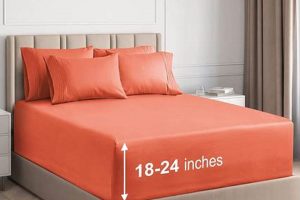
d to torn seams and compromised elastic, rendering the sheets unusable. Conversely, purchasing sheets with an unnecessarily large pocket depth (e.g., 18 inches for a 10-inch mattress) can result in a loose, ill-fitting sheet that bunches and wrinkles. Retailers often categorize fitted sheets by pocket depth: “standard” (up to 12 inches), “deep pocket” (13-17 inches), and “extra deep pocket” (18+ inches). Precise measurement of the mattress thickness, including any toppers or pads, is crucial before purchasing Cal King sheets to ensure compatibility and avoid the aforementioned issues. Some manufacturers offer sheets with elastic all around the edges to enhance the fit and accommodate slight variations in mattress thickness.
In summary, pocket depth is a critical but often overlooked component of Cal King mattress sheets. Inadequate pocket depth leads to functional problems, while excessive depth results in discomfort. Accurate measurement of mattress thickness is essential for selecting sheets with the appropriate pocket depth. The challenge lies in the variability of mattress thicknesses and the lack of standardized labeling practices across manufacturers. However, understanding the relationship between mattress thickness and pocket depth empowers consumers to make informed purchasing decisions, maximizing comfort and prolonging the lifespan of their bedding investment.
6. Care Instructions

Adhering to care instructions is paramount for preserving the quality and extending the lifespan of California King mattress sheets. The dimensions of these sheets, which are larger than standard sizes, place a greater demand on the fabric during laundering. Ignoring the manufacturer’s guidelines can lead to premature wear, color fading, and fabric damage, negating the initial investment in quality bedding. For instance, washing cotton sheets in excessively hot water can cause shrinkage and weakening of the fibers, while using harsh detergents can strip the fabric of its natural oils, resulting in a rough and uncomfortable texture. The recommended washing temperature, detergent type, and drying method are crucial elements for maintaining the integrity of the sheets.
Specific fabric types used in California King sheets require tailored care. Linen, while durable, often benefits from gentle washing cycles and low-heat drying to prevent excessive wrinkling. Silk sheets necessitate specialized detergents and hand-washing or delicate machine cycles to avoid damage to the delicate fibers. Microfiber sheets, known for their stain resistance, can be prone to static cling and may require fabric softener to maintain a smooth texture. Ignoring these material-specific guidelines can result in irreversible damage and a diminished sleep experience. Real-life examples include color bleeding from improperly washed dark-colored sheets onto lighter fabrics, shrinkage leading to a poor fit on the mattress, and the breakdown of elastic in fitted sheets due to excessive heat during drying. Proper care, therefore, translates to a longer-lasting and more comfortable bedding investment.
In summary, diligent adherence to care instructions is an indispensable component of owning California King mattress sheets. Neglecting these instructions can lead to accelerated deterioration, reduced comfort, and ultimately, the need for premature replacement. The challenge lies in the diversity of fabric types and the varying recommendations provided by manufacturers. However, a proactive approach, involving careful reading of care labels and a commitment to following best practices, ensures that California King sheets retain their quality and provide years of restful sleep. Failure to do so not only diminishes the value of the investment but also compromises the overall sleep environment.
Frequently Asked Questions
The following addresses common inquiries regarding bedding for California King mattresses, providing concise and authoritative information to aid in informed purchasing decisions.
Question 1: What distinguishes California King sheets from standard King sheets?
California King sheets are designed for mattresses measuring 72 inches wide by 84 inches long, while standard King sheets fit mattresses 76 inches wide by 80 inches long. California King mattresses are longer and narrower, necessitating appropriately sized bedding.
Question 2: Does thread count exclusively determine the quality of California King sheets?
Thread count is a factor, but not the sole determinant. Fiber quality, weave, and finishing processes also significantly impact the sheet’s overall quality and performance.
Question 3: What is the appropriate pocket depth for California King fitted sheets?
The appropriate pocket depth depends on the mattress thickness. Measure the mattress, including any toppers, to determine the required pocket depth. Standard, deep, and extra-deep pocket options are available.
Question 4: Which material is most suitable for California King sheets?
The ideal material depends on individual preferences. Cotton offers breathability and comfort, linen provides durability and luxury, and microfiber offers wrinkle resistance. Each material possesses distinct advantages and disadvantages.
Question 5: How should California King sheets be cared for to maximize their lifespan?
Follow the manufacturer’s care instructions. Generally, washing in cool or warm water with a mild detergent and tumble drying on low heat is recommended. Avoid harsh chemicals and excessive heat.
Question 6: Where can one purchase quality California King sheets?
Reputable retailers, department stores, and online vendors offer a wide selection of California King sheets. Prioritize vendors with positive customer reviews and clear return policies.
In summary, selecting appropriate bedding for a California King mattress requires careful consideration of dimensions, material, thread count, pocket depth, and care requirements. Informed decision-making ensures a comfortable and long-lasting sleep experience.
The subsequent section will provide a comparative analysis of popular California King sheet brands, offering insights into their respective strengths and weaknesses.
Conclusion
The comprehensive exploration of California King mattress sheets underscores the necessity of informed decision-making in bedding selection. Factors such as precise dimensions, material composition, thread count, weave type, pocket depth, and adherence to care instructions collectively determine the long-term value and comfort derived from these items. A failure to adequately consider these variables can lead to compromised sleep quality and premature product degradation.
As consumer awareness grows regarding the intricacies of bedding construction and material science, the demand for transparent labeling and ethical manufacturing practices will likely increase. Continued research and development in textile technology promise innovations that further enhance the comfort, durability, and sustainability of California King mattress sheets. It remains incumbent upon both manufacturers and retailers to prioritize accurate product representation and consumer education, ensuring that purchasing decisions are grounded in factual information rather than marketing hyperbole.
![Ultimate Tempur-Pedic Split King Mattress [Guide] | Organic & Natural Mattress Buyer’s Guide: Non-Toxic Sleep Solutions](https://mattressworldpa.com/wp-content/uploads/2025/07/th-8335-300x200.jpg "Ultimate Tempur-Pedic Split King Mattress [Guide] Organic & Natural Mattress Buyer’s Guide: Non-Toxic Sleep Solutions")
![King Bed Platform: Best Frame for King Mattress [Guide] | Organic & Natural Mattress Buyer’s Guide: Non-Toxic Sleep Solutions](https://mattressworldpa.com/wp-content/uploads/2025/07/th-8334-300x200.jpg "King Bed Platform: Best Frame for King Mattress [Guide] Organic & Natural Mattress Buyer’s Guide: Non-Toxic Sleep Solutions")