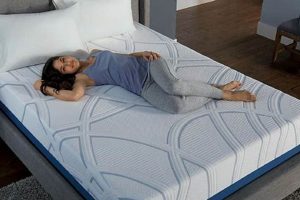
The central question addresses the feasibility of sanitizing and removing contaminants from bedding accessories designed with viscoelastic foam. These items, often added to mattresses for enhanced comfort and support, are susceptible to accumulating dust, spills, and bodily fluids, raising concerns about hygiene. As an example, consider a spill of coffee onto such an item; addressing how to remove this stain is a key element of the overall cleaning inquiry.
Effective maintenance of these bedding additions is important for several reasons. Regular sanitation contributes to extending their lifespan, prevents the build-up of allergens and odors, and ensures a healthier sleep environment. Historically, simpler bedding materials were more easily cleaned; the advent of memory foam introduced new challenges due to its unique porous structure and sensitivity to certain cleaning agents.
Therefore, a comprehensive discussion on accepted cleaning methods, suitable products, and precautions to observe when addressing the maintenance of viscoelastic foam mattress overlays is crucial. This includes examining different techniques for spot cleaning, deep cleaning, and drying, all with the aim of preserving the integrity and functionality of these items.
Tips for Maintaining Viscoelastic Foam Mattress Overlays
Maintaining the cleanliness of viscoelastic foam mattress overlays requires specific techniques to prevent damage and ensure longevity. These tips provide guidance on safe and effective cleaning practices.
Tip 1: Vacuum Regularly: Consistent vacuuming removes surface dust, debris, and allergens. Use an upholstery attachment to avoid damaging the foam. Vacuuming should be conducted at least monthly.
Tip 2: Spot Clean Immediately: Address spills immediately to prevent stains from setting. Use a clean cloth dampened with a mild detergent solution. Blot the affected area gently, working from the outside in. Avoid excessive saturation.
Tip 3: Use Baking Soda for Odor Removal: Sprinkle baking soda liberally over the surface to absorb odors. Allow it to sit for several hours, or overnight for strong odors, before vacuuming thoroughly.
Tip 4: Air Dry Thoroughly: Moisture is detrimental to memory foam. Ensure the overlay is completely dry after any cleaning process. Air drying in a well-ventilated area is preferable. Avoid direct sunlight, which can degrade the foam.
Tip 5: Rotate Periodically: Rotate the overlay regularly to distribute wear evenly and prevent indentations. This practice also helps to improve airflow and minimize moisture build-up.
Tip 6: Avoid Harsh Chemicals: Refrain from using bleach, strong solvents, or abrasive cleaners. These chemicals can damage the foam structure and compromise its integrity.
Effective sanitation of viscoelastic foam mattress overlays involves consistent preventative measures and prompt attention to spills. Following these guidelines extends the lifespan of the product and promotes a hygienic sleep environment.
The subsequent sections will elaborate on specific cleaning methods and address common concerns associated with maintaining these types of bedding accessories.
1. Vacuum Regularly

The practice of regularly vacuuming viscoelastic foam mattress overlays plays a pivotal role in overall maintenance and directly addresses the question of whether these items can be effectively cleaned. Vacuuming serves as a foundational step in removing surface-level contaminants and preparing the topper for more intensive cleaning methods if required.
- Surface Debris Removal
Vacuuming primarily targets loose particles such as dust, dead skin cells, pet dander, and other allergens that accumulate on the surface. These particles, if left unaddressed, can penetrate deeper into the foam, making them harder to remove later. Regular vacuuming prevents this deep embedding, thereby simplifying subsequent cleaning processes.
- Allergen Control
Viscoelastic foam is particularly susceptible to housing dust mites, a common allergen. Vacuuming significantly reduces the dust mite population and their associated waste products, contributing to a healthier sleep environment. This aspect is particularly important for individuals with allergies or respiratory sensitivities. Effective allergen control is an integral part of successful maintenance.
- Preparation for Spot Cleaning
Before attempting to spot clean stains or spills, it is crucial to vacuum the affected area. Vacuuming removes any loose debris that might interfere with the cleaning solution’s ability to reach and lift the stain. Failure to vacuum beforehand can result in pushing debris deeper into the foam, exacerbating the stain and making it more difficult to remove.
- Extending Topper Lifespan
The accumulation of dust and debris can degrade the foam over time, leading to premature wear and tear. Regular vacuuming helps to maintain the foam’s structural integrity and prolongs its lifespan. A cleaner topper is less likely to develop unpleasant odors or support mold growth, both of which can shorten its usability.
In conclusion, consistent vacuuming is not merely a supplementary cleaning step, but rather an essential component of a comprehensive cleaning strategy for viscoelastic foam mattress overlays. It directly impacts the ease and effectiveness of deeper cleaning methods, contributes to a healthier sleep environment, and extends the lifespan of the topper itself. Without regular vacuuming, the ability to thoroughly clean and maintain these items is significantly compromised.
2. Spot Clean Promptly

The ability to effectively sanitize viscoelastic foam mattress overlays hinges significantly on addressing spills and stains immediately. The promptness of stain removal directly influences the outcome of the cleaning process and the overall maintainability of the topper. Viscoelastic foam possesses a porous structure, facilitating the rapid absorption of liquids. When spills are left unattended, they penetrate deep into the foam, making complete removal increasingly difficult, if not impossible.
Consider a scenario where a beverage is spilled onto the overlay. Allowing the liquid to sit for an extended period enables it to permeate the foam, potentially causing permanent staining and fostering the growth of mold or mildew. Conversely, if the spill is addressed immediately by blotting with a clean cloth and applying a mild cleaning solution, the likelihood of complete stain removal is substantially higher. This proactive approach minimizes the need for more aggressive cleaning methods that could damage the foam’s integrity. Furthermore, unattended organic spills can lead to persistent odors, further compromising the hygienic quality of the bedding accessory. Timely action prevents the establishment of these odors.
In summary, the tenet of “Spot Clean Promptly” is not merely a suggestion, but a critical factor in determining the feasibility of maintaining a clean and hygienic viscoelastic foam mattress overlay. The delay in addressing spills directly correlates with the degree of difficulty in achieving complete sanitation. Therefore, prompt attention to stains is essential to preserving the condition and extending the lifespan of the mattress topper.
3. Baking Soda Neutralizes
The ability to neutralize odors within viscoelastic foam mattress overlays is crucial for maintaining hygiene and extending the lifespan of these items. Baking soda, or sodium bicarbonate, serves as an effective deodorizing agent due to its amphoteric properties, enabling it to react with both acidic and alkaline odor molecules. This characteristic makes it a valuable component in the cleaning and maintenance of these bedding accessories.
- Odor Absorption Mechanism
Baking soda’s porous structure allows it to absorb and neutralize a wide range of odor-causing compounds commonly found in bedding, such as those from sweat, body oils, and minor spills. The chemical reaction transforms volatile odor molecules into less volatile, odorless salts. For example, applying baking soda to a topper that has absorbed the smell of perspiration will reduce or eliminate the odor as the baking soda interacts with the acidic components of sweat. This absorption prevents the odors from lingering and becoming deeply embedded in the foam.
- pH Balancing and Neutralization
Viscoelastic foam can retain acidic or alkaline residues from spills or cleaning agents, potentially leading to unpleasant smells. Baking soda helps to restore a neutral pH balance by reacting with both acidic and alkaline substances. If a cleaning solution with a high pH is used, baking soda can neutralize the alkalinity, preventing potential damage to the foam and eliminating lingering chemical odors. This balancing act promotes a fresher and more hygienic environment.
- Safe and Non-Damaging Deodorization
Unlike many commercial deodorizers that contain harsh chemicals, baking soda is a natural and non-toxic option. It deodorizes without damaging the foam’s structure or leaving behind harmful residues. This is particularly important because viscoelastic foam is sensitive to certain chemicals that can cause it to break down or lose its supportive properties. Baking soda provides a safe alternative that effectively eliminates odors without compromising the integrity of the mattress overlay.
- Application and Removal Techniques
The effectiveness of baking soda relies on proper application and removal. Sprinkling a generous layer over the surface, allowing it to sit for several hours (or overnight for persistent odors), and then thoroughly vacuuming ensures maximum odor absorption. Vacuuming removes the baking soda and any absorbed odor molecules, leaving the topper refreshed. Incomplete removal can result in a powdery residue, so thorough vacuuming is essential to optimize the deodorizing effect without compromising cleanliness.
In summary, the utilization of baking soda as a deodorizing agent directly supports the possibility of cleaning viscoelastic foam mattress overlays. Its ability to absorb and neutralize a wide range of odors safely and effectively makes it an indispensable tool for maintaining the hygiene and freshness of these bedding items. The proper application and removal techniques further enhance its effectiveness, contributing to a cleaner and more comfortable sleep environment.
4. Air Dry Completely

The successful sanitization of viscoelastic foam mattress overlays is inextricably linked to the thoroughness of the drying process. The query of whether one can effectively clean these items is contingent upon the understanding and application of appropriate drying techniques, with complete air drying being paramount. Residual moisture within the foam creates an environment conducive to microbial growth and the decomposition of the material itself. For instance, if a topper is cleaned to remove a stain but is not adequately dried, mold or mildew can develop within the porous structure, leading to irreversible damage and rendering the cleaning effort futile. This necessitates a drying process that minimizes moisture retention.
Effective air drying involves optimizing airflow and minimizing humidity. Placing the cleaned topper in a well-ventilated area, away from direct sunlight, promotes gradual moisture evaporation without compromising the foam’s integrity. The use of fans can further enhance air circulation, accelerating the drying process. Conversely, the application of heat, such as from a dryer or direct sunlight, can cause the foam to degrade or distort, negating any benefits gained from cleaning. The consequences of inadequate drying extend beyond mere aesthetic concerns, potentially triggering allergic reactions or respiratory issues due to the proliferation of mold spores. These considerations underscore the practical significance of meticulously air drying viscoelastic foam.
In conclusion, the connection between “Air Dry Completely” and the ability to effectively clean viscoelastic foam mattress overlays is direct and profound. Incomplete drying negates the benefits of cleaning by fostering microbial growth and material degradation. Adherence to proper air-drying techniques, characterized by maximizing airflow and avoiding excessive heat, is essential for ensuring the long-term hygiene and integrity of these bedding accessories. The challenges lie in the time required for thorough drying and the need for adequate ventilation; however, these challenges are outweighed by the long-term preservation of the mattress topper and the maintenance of a healthy sleep environment.
5. Mild Detergents Recommended

The recommendation of mild detergents is inextricably linked to the feasibility of sanitizing viscoelastic foam mattress overlays. The chemical composition and porous nature of memory foam necessitate the use of gentle cleaning agents to prevent degradation and ensure effective stain removal. The selection of an appropriate detergent directly influences the outcome of the cleaning process and the lifespan of the mattress topper.
- Preservation of Foam Structure
Aggressive cleaning agents containing harsh chemicals can compromise the structural integrity of viscoelastic foam. Strong solvents, bleaches, or enzymes can break down the cellular structure, leading to reduced support, increased brittleness, and premature deterioration. Mild detergents, on the other hand, are formulated to cleanse without causing significant damage to the foam. For example, a detergent with a neutral pH level minimizes the risk of chemical reactions that could weaken the material. The utilization of mild detergents, therefore, is not simply a preference, but a necessity for preserving the topper’s functionality.
- Minimizing Residue Retention
The porous nature of viscoelastic foam makes it prone to retaining cleaning residues. Harsh detergents can leave behind chemical compounds that are difficult to rinse out completely, potentially causing skin irritation or allergic reactions. Mild detergents are typically formulated to rinse more easily, reducing the risk of residue buildup. For instance, a detergent specifically designed for delicate fabrics is more likely to be thoroughly removed from the foam during rinsing. This characteristic ensures a cleaner and more hygienic sleeping surface.
- Effective Stain Removal with Gentle Action
While mild detergents are gentle on the foam, they can still be effective in removing many common stains and spills. The key lies in prompt action and the use of appropriate techniques, such as blotting rather than rubbing. For example, a solution of mild dish soap and water can effectively lift many fresh stains without damaging the foam. This approach balances the need for cleanliness with the imperative to preserve the material’s integrity. The efficacy of mild detergents depends on the nature and age of the stain, but their use significantly reduces the risk of damage compared to harsher alternatives.
- Environmental and Health Considerations
Mild detergents often contain fewer harsh chemicals, making them a more environmentally friendly choice. They are also less likely to cause adverse health effects compared to stronger detergents, which can release volatile organic compounds (VOCs) or cause skin irritation. For example, a detergent labeled as hypoallergenic is less likely to contain allergens that could trigger reactions in sensitive individuals. The selection of a mild detergent, therefore, aligns with both the need to maintain the cleanliness of the mattress topper and a broader concern for environmental and personal health.
In conclusion, the recommendation of mild detergents for cleaning viscoelastic foam mattress overlays is directly related to the long-term maintainability and hygiene of these bedding accessories. Their use preserves the foam’s structure, minimizes residue retention, facilitates effective stain removal, and aligns with environmental and health considerations. While harsher cleaning agents might offer a perceived advantage in stain removal, the potential for damage far outweighs any short-term benefits. The gentle approach afforded by mild detergents is essential for ensuring the continued cleanliness and functionality of these specialized items.
6. Avoid Harsh Chemicals

The proposition of whether viscoelastic foam mattress overlays can be effectively sanitized is significantly influenced by the adherence to a principle of avoiding harsh chemicals. The viscoelastic composition of these toppers is susceptible to degradation when exposed to aggressive cleaning agents, directly affecting their lifespan, supportiveness, and hygiene. Therefore, a comprehensive approach to cleaning must prioritize the use of gentle alternatives to ensure the longevity and functionality of the product. For example, the application of bleach, a potent oxidizing agent, can cause irreversible damage to the foam’s cellular structure, leading to crumbling and loss of its characteristic cushioning properties.
The selection of cleaning agents has a direct cause-and-effect relationship with the cleanliness and integrity of the mattress topper. Harsh chemicals, while potentially effective at removing stains, often leave behind residues that are difficult to rinse thoroughly from the porous foam. These residues can cause skin irritation, allergic reactions, and contribute to the development of unpleasant odors over time. Consider the scenario of using a strong solvent to remove a grease stain; while the stain might be eliminated, the residual solvent could compromise the foam’s elasticity and release harmful volatile organic compounds (VOCs) into the sleeping environment. Alternative methods, such as enzymatic cleaners specifically formulated for delicate materials, provide a safer and more effective approach.
The practical significance of avoiding harsh chemicals lies in the long-term preservation of the viscoelastic foam mattress overlay. The use of mild detergents, pH-neutral solutions, and natural deodorizers like baking soda enables effective cleaning without compromising the material’s structure or posing health risks. The challenge lies in identifying suitable cleaning agents and techniques that balance stain removal with the need to protect the integrity of the foam. However, the implementation of gentle cleaning practices ensures a healthier sleeping environment and extends the lifespan of the mattress topper, rendering it a worthwhile investment in long-term comfort and hygiene.
7. Gentle Blotting Technique

The effectiveness of cleaning viscoelastic foam mattress overlays is directly linked to the employment of a gentle blotting technique. This method is essential in preventing damage and promoting thorough stain removal without compromising the integrity of the foam structure.
- Prevention of Stain Penetration
Blotting, as opposed to rubbing, minimizes the risk of forcing stains deeper into the foam. Rubbing can spread the stain and push it further into the porous material, making complete removal more difficult. Blotting, in contrast, lifts the stain from the surface, reducing the likelihood of deep penetration. Consider a scenario involving a coffee spill; blotting gently with a clean cloth will absorb the liquid without driving it deeper into the foam’s core.
- Preservation of Foam Integrity
Viscoelastic foam is susceptible to damage from abrasive actions. Rubbing can cause the foam to break down, leading to a loss of its cushioning properties and reduced lifespan. Gentle blotting minimizes friction and stress on the foam, preserving its structure. If a cleaning solution is applied, blotting allows the solution to interact with the stain without causing mechanical damage to the foam cells.
- Controlled Moisture Application
Excessive moisture can promote mold growth and degrade the foam. Blotting allows for controlled application of cleaning solutions, preventing over-saturation. By applying small amounts of solution and blotting repeatedly, the amount of moisture absorbed by the foam is minimized, reducing the risk of water damage. This controlled approach is particularly important for preventing long-term moisture retention.
- Effective Stain Removal Action
The technique enhances the efficacy of cleaning agents. The capillary action draws the stain into the absorbent material, lifting it away from the foam. The key is to use clean, absorbent cloths and replace them frequently as they become saturated with the stain. The capillary action facilitates the transfer of the stain from the foam to the blotting material, resulting in more effective stain removal.
Therefore, the implementation of a gentle blotting technique is not merely a procedural recommendation but a critical element in the overall success of cleaning viscoelastic foam mattress overlays. The technique protects the foam’s integrity, prevents deep stain penetration, controls moisture levels, and enhances the efficacy of cleaning agents. The adoption of this method is integral to answering the question of how effectively these toppers can be cleaned and maintained.
Frequently Asked Questions About Maintaining Viscoelastic Foam Mattress Overlays
The following addresses common inquiries and concerns related to the sanitation and maintenance of viscoelastic foam mattress overlays. The information aims to provide clarity and guidance based on current best practices.
Question 1: Can one use a washing machine to clean a viscoelastic foam mattress overlay?
No. Immersion in a washing machine subjects the foam to excessive agitation and water saturation, potentially causing irreversible damage to the cellular structure. This method is strongly discouraged. Manual cleaning methods are recommended.
Question 2: What is the recommended frequency for cleaning a viscoelastic foam mattress overlay?
Spot cleaning should occur immediately upon any spillage. A more thorough cleaning, involving vacuuming and surface sanitation, is advised every three to six months, or as needed based on usage and environmental conditions.
Question 3: Are there specific cleaning agents that should be avoided when maintaining these toppers?
Yes. Harsh chemicals, including bleach, ammonia, and strong solvents, should be avoided. These substances can degrade the foam and pose health risks. Mild, pH-neutral detergents are preferable.
Question 4: How does one effectively remove odors from a viscoelastic foam mattress overlay?
Baking soda is an effective deodorizer. Sprinkling a generous layer over the surface, allowing it to sit for several hours, and then thoroughly vacuuming can neutralize many common odors.
Question 5: What steps should be taken to ensure complete drying after cleaning?
Air drying in a well-ventilated area, away from direct sunlight, is essential. The use of fans can accelerate the drying process. Ensure the topper is completely dry before re-covering it.
Question 6: Can the application of heat be utilized to speed up the drying process?
No. The application of heat, such as from a dryer or direct sunlight, can cause the foam to degrade and distort. Air drying is the recommended method to avoid structural damage.
These responses offer essential guidance for maintaining viscoelastic foam mattress overlays. Adherence to these recommendations promotes the longevity and hygiene of these bedding accessories.
The following sections will provide additional insights and practical advice regarding specific cleaning challenges and solutions.
Cleaning Viscoelastic Foam Mattress Overlays
The preceding discussion examined the practicalities of sanitizing viscoelastic foam mattress overlays. It established that while these items present unique challenges due to their porous structure and material sensitivities, effective cleaning is achievable through diligent application of specific methods. These methods include regular vacuuming, prompt spot cleaning with mild detergents, the neutralization of odors with baking soda, and complete air drying away from direct heat. The avoidance of harsh chemicals is crucial to prevent irreversible damage. Strict adherence to these guidelines optimizes the chances of successfully maintaining a clean and hygienic sleep environment. The query, “Can you clean memory foam mattress toppers?”, is answered affirmatively, but with the explicit understanding that responsible and informed action is required.
The efficacy of maintaining these bedding components rests upon a commitment to preventative care and timely intervention. Recognizing the potential for microbial growth and material degradation underscores the importance of consistent maintenance practices. The ability to effectively address these challenges translates directly to improved sleep quality and extended product lifespan. The diligent execution of proper cleaning techniques is not merely a matter of aesthetics, but a critical factor in promoting long-term health and well-being, ensuring the continued utility of these specialized bedding accessories.