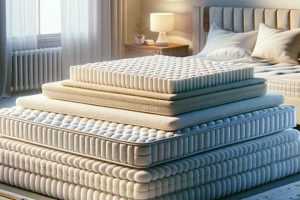
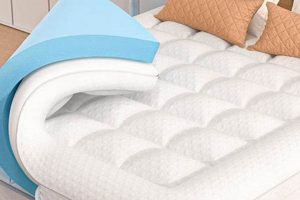
Whether a sleeping surface addition designed to enhance comfort and prolong mattress life can be laundered is a frequent inquiry. This question stems from the desire to maintain hygiene and freshness. Cleaning protocols depend significantly on the material composition of the product; for example, a cotton covering may tolerate machine washing, while a memory foam component typically requires spot cleaning.
The ability to properly clean this bedding item is valuable for several reasons. Regular maintenance prevents the accumulation of dust mites, allergens, and body oils, thereby contributing to improved sleep quality and overall health. Historically, methods for refreshing bedding were limited, but modern washing machines and specialized cleaning agents offer more convenient options. This capability extends the lifespan of the mattress protection and preserves its intended comfort properties.
Determining the appropriate cleaning procedure, understanding fabric care labels, and considering alternative cleaning methods are critical steps in maintaining the cleanliness and longevity of these sleep accessories. The following sections will delve into specific cleaning instructions based on material type, explore drying techniques, and address common issues encountered during the washing process.
Washing Mattress Toppers
Effective cleaning extends the life and hygiene of these bedding accessories. Careful adherence to recommended practices ensures optimal results.
Tip 1: Check the Care Label: Always consult the manufacturer’s care label before attempting any cleaning method. The label provides crucial information regarding appropriate washing techniques, water temperature, and drying instructions.
Tip 2: Identify the Material: Toppers are manufactured from various materials, including memory foam, down, and cotton. Each material demands a specific approach. Memory foam should generally not be machine washed, while cotton varieties are often machine washable.
Tip 3: Pretreat Stains: Address any visible stains before washing. Use a mild stain remover or a solution of water and gentle detergent. Apply the solution to the affected area, allow it to sit for a few minutes, and then blot it gently with a clean cloth.
Tip 4: Use a Gentle Detergent: When machine washing, employ a mild, hypoallergenic detergent to avoid damaging the fabric or leaving behind harsh chemical residues. Avoid using bleach, as it can cause discoloration and fiber degradation.
Tip 5: Select the Appropriate Wash Cycle: Choose a delicate or gentle wash cycle to minimize stress on the material. A cold water setting is generally recommended to prevent shrinking or fading.
Tip 6: Dry Properly: Air drying is the safest method. If using a machine dryer, select a low heat setting or a no-heat air fluff cycle. Ensure the item is completely dry before placing it back on the mattress to prevent mildew growth.
Tip 7: Consider Professional Cleaning: For large or delicate toppers, professional cleaning services may be the most effective option. Dry cleaning or specialized fabric cleaning can provide superior results without the risk of damage.
Following these guidelines ensures a thorough and safe cleaning process, preserving the integrity and comfort of the product.
By employing these best practices, individuals can maintain a clean and healthy sleep environment, contributing to improved well-being.
1. Material Composition
Material composition significantly determines the washability of a mattress topper. The inherent properties of the constituent materials dictate the appropriate cleaning methods to maintain the integrity and prolong the lifespan of the item. Understanding these material characteristics is essential before attempting any cleaning procedure.
- Memory Foam Density
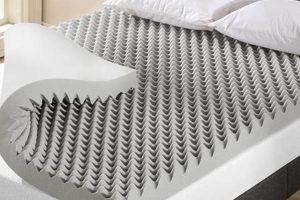
Memory foam’s dense, viscoelastic structure absorbs water readily but releases it slowly. Machine washing can permanently damage the foam’s cellular structure, leading to disintegration. Spot cleaning with mild detergents is the recommended approach. For instance, spills should be immediately blotted with a clean cloth and a solution of diluted detergent applied gently. Improper washing leads to irreversible changes in the foam’s support and comfort characteristics.
- Cotton Fiber Structure
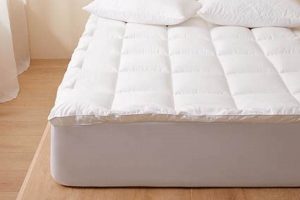
Cotton toppers, due to their open fiber structure, are often machine washable. However, the specific weave and thread count impact durability during washing. High-quality, tightly woven cotton can withstand gentle wash cycles, while loosely woven varieties may shrink or lose shape. It is advisable to use cold water and a low tumble dry setting to minimize these risks. Many conventional cotton toppers benefit from this, sustaining both their original form and cleanliness.
- Polyester Fill Properties
Polyester fibers are synthetic and possess hydrophobic properties, making them relatively resistant to water absorption and, therefore, easier to wash. However, excessive heat during washing or drying can cause the fibers to melt or clump together. A cool wash and low heat drying setting are optimal. Instances of polyester toppers include their suitability for individuals with allergies due to the fiber’s resistance to mold and mildew.
- Down and Feather Considerations
Down and feather fillings require specialized care due to their delicate nature. Machine washing can cause clumping and damage to the feathers, reducing their insulation properties. Professional cleaning is generally recommended for down and feather toppers. This ensures the preservation of loft and warmth. Examples are that professional cleaning maintains the structural integrity and hypoallergenic attributes of these types of mattress toppers.
In summary, the material composition of a mattress topper fundamentally influences whether it can be safely washed and the appropriate cleaning methods. Consideration of the specific fiber characteristics, such as water absorption, heat sensitivity, and structural integrity, is crucial for maintaining the topper’s functionality and extending its useful life. Choosing the wrong cleaning technique, disregarding material properties, poses a threat to its integrity. Proper care ensures a clean and comfortable sleep environment.
2. Care Label Instructions

Care label instructions serve as the primary guide for determining the washability and appropriate cleaning methods for a mattress topper. These instructions, provided by the manufacturer, are crucial for maintaining the product’s integrity and longevity.
- Washability Symbols
These symbols indicate whether the topper can be ma
chine washed, hand washed, or requires dry cleaning. A washing machine symbol with a cross indicates that machine washing is not recommended, implying that alternative cleaning methods such as spot cleaning or professional cleaning are necessary. Conversely, a washing machine symbol without a cross suggests that machine washing is permissible, although specific temperature and cycle settings may be specified. Deciphering these symbols prevents inadvertent damage from improper cleaning methods. - Temperature Settings
The care label often specifies the maximum water temperature suitable for washing. Exceeding this temperature can lead to shrinkage, color fading, or damage to the fibers, particularly for toppers made of cotton or synthetic blends. Colder water is generally gentler on fabrics and helps prevent color bleeding. Adhering to the recommended temperature ensures that the cleaning process does not compromise the material’s structural integrity. For example, failing to comply with temperature instructions risks degradation of elastic or foam components.
- Drying Instructions
Drying instructions are as critical as washing instructions. The care label may recommend air drying, tumble drying on low heat, or tumble drying is prohibited. High heat can damage or shrink certain materials, especially memory foam and down. Air drying is typically the safest option, as it minimizes the risk of damage. However, it may take longer for the topper to dry completely. Following drying instructions carefully avoids irreversible changes to the topper’s shape and function.
- Ironing and Bleaching
The care label may include instructions regarding ironing and bleaching. Generally, ironing is not recommended for mattress toppers, as the heat can melt synthetic fibers or damage delicate materials. Similarly, bleach should be avoided unless explicitly permitted, as it can cause discoloration and weaken fibers. Understanding these restrictions prevents unnecessary damage and preserves the topper’s appearance and performance characteristics. For instance, a care label might prohibit bleaching to maintain the color and structure of a treated fabric.
In summary, careful interpretation and adherence to the care label instructions are essential when considering the washability of a mattress topper. These instructions provide critical guidance on washing, drying, ironing, and bleaching, helping to preserve the product’s quality and extend its lifespan. Disregarding these guidelines can lead to irreversible damage and void any warranty claims. Therefore, consulting the care label should always be the first step before attempting to clean a mattress topper.
3. Washing Machine Capacity

Washing machine capacity is a critical determinant in assessing the feasibility of laundering a mattress topper. The weight and bulk of the topper, especially when saturated with water, necessitate a washing machine with sufficient capacity to accommodate the load without compromising the machine’s functionality or the topper’s integrity. Attempting to wash a topper in an undersized machine can lead to ineffective cleaning, machine damage, and potential harm to the topper itself. A machine struggling to handle the load may not properly agitate or rinse the topper, resulting in residual detergent and incomplete soil removal. This, in turn, can lead to skin irritation and a shortened lifespan for the bedding item.
Consider, for example, a queen-sized memory foam topper. Its substantial weight, combined with the water it absorbs during washing, requires a high-capacity washing machine, typically one with a drum volume of 4.5 cubic feet or greater. Using a smaller machine, such as a standard top-load washer with a capacity of 3.5 cubic feet, would likely result in the topper being tightly packed within the drum, preventing proper movement and cleaning. Furthermore, the excessive weight could strain the machine’s motor and suspension system, leading to premature failure. In practical terms, individuals should consult both the topper’s care label for weight and size specifications and the washing machine’s manual to ascertain its load capacity. Ignoring these factors can lead to costly repairs and the need for topper replacement.
In summary, the relationship between washing machine capacity and the ability to launder a mattress topper is one of direct consequence. Adequate machine capacity ensures effective cleaning, minimizes the risk of damage to both the appliance and the bedding item, and promotes a hygienic sleep environment. Challenges arise when individuals overestimate their machine’s capabilities or neglect to consider the topper’s material composition and weight. Overcoming these challenges requires careful assessment and, when necessary, opting for professional cleaning services. This understanding underscores the importance of informed decision-making in maintaining both the longevity of household appliances and the cleanliness of bedding accessories.
4. Drying Method

The drying method is intrinsically linked to the washability of a mattress topper, influencing its overall condition and longevity. Selecting an appropriate drying technique is as crucial as the washing process itself, directly affecting the topper’s shape, structure, and hygiene. Improper drying can negate the benefits of washing, leading to damage or the persistence of moisture-related issues.
- Air Drying Implications
Air drying, often considered the gentlest method, involves suspending the topper in a well-ventilated area, allowing natural air circulation to evaporate moisture. This approach minimizes the risk of shrinkage, fiber damage, and distortion, particularly beneficial for delicate materials such as memory foam or down. However, air drying can be time-consuming, requiring several hours or even days for complete dryness. Incomplete drying promotes mold and mildew growth, nullifying the hygienic benefits of washing. Air drying requires vigilance to ensure thorough moisture removal and prevent secondary contamination.
- Tumble Drying Parameters
Tumble drying utilizes a machine dryer to accelerate the drying process. When appropriate, a low-heat setting is essential to prevent heat-induced damage, such as melting synthetic fibers or causing cotton to shrink. Tumble drying introduces a risk of uneven drying, where parts of the topper remain damp while others are completely dry. To mitigate this, frequent checks and repositioning of the topper within the dryer are necessary. Over-drying can also compromise the material’s elasticity and comfort. Monitoring temperature and cycle duration is paramount.
- Material-Specific Considerations
Different topper materials necessitate tailored drying approaches. Memory foam, due to its density, should not be tumble dried, as high heat can alter its structure, causing it to become brittle or lose its conforming properties. Down and feather toppers also require careful handling; air drying is preferred, with occasional fluffing to prevent clumping. Cotton and polyester toppers can typically withstand low-heat tumble drying, but vigilance is required to prevent shrinkage. Material-specific drying ensures the preservation of the topper’s intended function.
- Sun Exposure Effects
While sunlight offers natural disinfecting properties, direct an
d prolonged sun exposure can be detrimental to certain topper materials. UV radiation can fade colors, weaken fibers, and accelerate material degradation. For light-colored or natural fiber toppers, brief sun exposure during the drying process can aid in disinfection, but this must be carefully controlled. Conversely, darker-colored or synthetic toppers should be shielded from direct sunlight to prevent irreversible damage. Balancing the benefits and risks of sun exposure is essential.
The correlation between the drying method and the washability of a mattress topper is underscored by the need for informed decision-making. Whether opting for air drying, tumble drying, or a combination of methods, consideration of the topper’s material composition and the potential risks associated with each approach is crucial. Proper drying not only preserves the integrity of the topper but also ensures a clean, healthy sleep environment, complementing the benefits of the washing process.
5. Detergent Type
The selection of a suitable detergent type is critical when considering the washability of a mattress topper. Inappropriate detergent choices can compromise material integrity, leading to damage, discoloration, or reduced performance, thereby negating the benefits of laundering.
- pH Level and Material Compatibility
The pH level of a detergent directly impacts its suitability for various topper materials. High-pH detergents, typically alkaline, can degrade natural fibers like cotton or wool, causing them to weaken and lose their structural integrity. Conversely, acidic detergents may damage synthetic fibers. A neutral pH detergent is generally recommended for most mattress toppers, minimizing the risk of fiber damage while effectively removing soil and stains. For example, using a high-pH laundry detergent on a cotton topper could result in fiber breakdown and premature wear.
- Enzymatic Action and Allergen Removal
Enzymatic detergents contain enzymes that break down specific types of stains, such as those from bodily fluids, which are common on mattress toppers. These detergents are particularly effective at removing protein-based stains and allergens, contributing to a more hygienic sleep environment. However, enzymatic detergents may be too harsh for certain delicate materials, potentially causing discoloration or fiber damage. A judicious approach is required, balancing the need for stain removal with the risk of material degradation. An instance of this is employing an enzymatic cleaner on a stain to improve the cleaning.
- Concentration and Residue Buildup
The concentration of detergent used in the wash cycle can significantly impact the outcome. Overuse of detergent can lead to residue buildup within the topper’s fibers, attracting dirt and allergens and reducing its breathability. This residue can also cause skin irritation. Using the recommended amount of detergent, as specified on the product label, is crucial. Furthermore, a thorough rinse cycle is necessary to remove any remaining detergent residue. One needs to use the proper amount of detergent and water to avoid skin irritation.
- Scent and Chemical Sensitivities
The scent and chemical composition of detergents can trigger allergic reactions or sensitivities in some individuals. Highly fragranced detergents may contain volatile organic compounds (VOCs) that can irritate the respiratory system or cause skin rashes. Opting for fragrance-free or hypoallergenic detergents minimizes the risk of adverse reactions, promoting a healthier sleep environment. Those sensitive to smells should select this kind of product.
In summary, the choice of detergent is inextricably linked to the successful washing of a mattress topper. Considerations such as pH level, enzymatic action, concentration, and scent all play a critical role in maintaining the topper’s integrity, cleanliness, and suitability for use. Selecting the appropriate detergent type requires careful consideration of the topper’s material composition and the individual’s sensitivities. Proper selection ensures effective cleaning and safe use.
6. Stain Removal Techniques

Effective stain removal is a prerequisite to laundering a mattress topper, influencing the outcome of the washing process and preserving the topper’s condition. The appropriateness of washing often hinges on the successful pre-treatment of stains, as some residues may become permanently set during washing if not addressed beforehand.
- Pre-Treatment Agents and Material Compatibility
The selection of pre-treatment agents must align with the topper’s material composition. Enzymatic cleaners effectively target organic stains like blood or sweat but may damage delicate fabrics. Mild detergents, diluted vinegar solutions, or specialized stain removers designed for specific materials offer safer alternatives. For instance, applying a harsh chemical to memory foam could degrade its structure, whereas a gentle enzyme cleaner might be suitable for cotton blends. Incompatibility can result in irreversible damage, necessitating topper replacement.
- Blotting vs. Rubbing: Minimizing Fiber Damage
The technique employed during stain removal is crucial. Rubbing can spread the stain and damage fibers, especially in delicate materials like down or loosely woven cotton. Blotting, using a clean, absorbent cloth, lifts the stain without causing undue friction. This method minimizes fiber distortion and prevents the stain from penetrating deeper into the material. Effective stain removal involves gentle, targeted action to preserve the topper’s integrity.
- Timing and Stain Penetration
Prompt action is paramount in stain removal. Fresh stains are generally easier to remove than those that have set over time. Allowing a stain to dry enables it to penetrate deeper into the fibers, making it more resistant to cleaning. Addressing stains immediately increases the likelihood of complete removal and reduces the need for aggressive cleaning methods that could damage the topper. Delays in treatment often result in persistent discoloration or the need for professional cleaning services.
- Rinsing and Residue Removal
Thorough rinsing is essential after stain treatment. Residual cleaning agents can attract dirt, cause discoloration, or irritate the skin. Gentle rinsing with clean water removes these residues, preparing the topper for washing or allowing it to be used directly if washing is not required. Ensuring complete removal of stain treatment products prevents secondary issues and contributes to a cleaner, healthier sleep environment. Insufficient rinsing could negate any cleaning efforts.
In conclusion, the effectiveness of stain removal techniques directly impacts the decision to wash a mattress topper and the subsequent outcome. Appropriate techniques, tailored to the material and stain type, maximize the chances of successful cleaning and preserve the topper’s condition. Proper stain removal enhances the washability of the item, promoting hygiene and extending its lifespan.
Frequently Asked Questions
This section addresses common inquiries regarding the laundering of mattress toppers, providing guidance on appropriate cleaning methods and maintenance.
Question 1: I
s machine washing universally suitable for all mattress toppers?
No, machine washing is not universally suitable. The material composition dictates the appropriate cleaning method. Memory foam, for instance, generally cannot withstand machine washing, whereas cotton toppers may be machine washable under specific conditions.
Question 2: What precautions should be taken when machine washing a compatible mattress topper?
Precautions include using a gentle detergent, selecting a delicate wash cycle, and adhering to the manufacturer’s recommended water temperature. Overloading the washing machine should be avoided to ensure proper cleaning and prevent damage to both the topper and the appliance.
Question 3: What are the potential consequences of improper drying techniques?
Improper drying can lead to shrinkage, distortion, or damage to the topper’s materials. High heat can cause memory foam to become brittle and alter the shape of down or feather fillings. Air drying is often the safest method, although it requires adequate ventilation to prevent mildew growth.
Question 4: How frequently should a mattress topper be cleaned?
Cleaning frequency depends on usage and environmental factors. A general guideline is to wash the topper every three to six months or more frequently if it is heavily soiled or if the user has allergies. Spot cleaning should be performed as needed to address spills or stains.
Question 5: Are professional cleaning services recommended for certain types of mattress toppers?
Yes, professional cleaning is recommended for large or delicate toppers, such as those filled with down or feathers. Professional services possess the equipment and expertise to clean these items safely and effectively, preserving their integrity and performance.
Question 6: What steps can be taken to minimize the need for frequent washing?
Using a mattress protector over the topper helps to shield it from spills, stains, and allergens, reducing the need for frequent washing. Regular vacuuming also helps to remove dust mites and other particles that can accumulate over time.
In summary, understanding the specific care requirements of a mattress topper is essential for maintaining its cleanliness and prolonging its lifespan. Careful adherence to manufacturer instructions and the implementation of preventative measures contribute to a hygienic and comfortable sleep environment.
The following section will provide a guide for assessing topper condition and determining when replacement is necessary.
Can You Wash a Mattress Topper
This exposition has delineated the conditions under which it is possible to launder a mattress topper, emphasizing the critical roles of material composition, manufacturer instructions, and available resources. Successful cleaning depends upon understanding these factors to mitigate potential damage. Cleaning procedures, while potentially beneficial, must be carefully executed, or the results may be adverse.
The ability to properly maintain bedding accoutrements contributes to both individual comfort and long-term economic considerations. As material science advances, cleaning methodologies may evolve. Therefore, continued attention to both existing and novel care techniques is advisable for responsible product stewardship and maintaining a hygienic sleep environment.