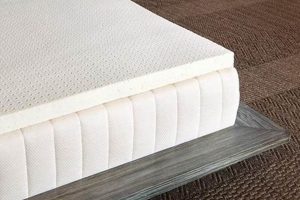
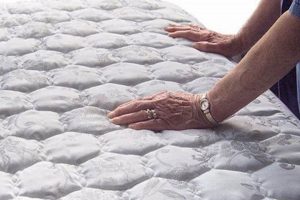
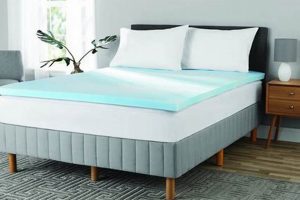
A cushioned overlay designed to enhance the comfort of a mattress, often made of viscoelastic foam, may require cleaning. These components are typically employed to improve support, reduce pressure points, and extend the lifespan of a sleep surface. For example, individuals seeking relief from back pain might use one to improve spinal alignment during sleep.
Maintaining cleanliness is essential for hygiene and longevity. Regular cleaning prevents the accumulation of dust mites, allergens, and body oils, thereby promoting a healthier sleep environment. Furthermore, addressing stains and odors promptly preserves the material’s integrity, ultimately extending its usability and maximizing its value.
Therefore, understanding proper cleaning techniques is crucial. The following sections will address whether and how these items can be effectively cleaned, focusing on appropriate methods and preventative measures to ensure optimal performance and hygiene.
Cleaning Considerations for Foam Mattress Overlays
Maintaining the cleanliness of a foam mattress overlay requires specific techniques to avoid damage and ensure proper sanitation. Incorrect procedures may compromise the foam’s structure and diminish its supportive properties.
Tip 1: Vacuum Regularly: Employ a handheld vacuum with an upholstery attachment to remove surface dust and debris. Consistent vacuuming, ideally bi-weekly, prevents accumulation of allergens and dust mites within the foam material.
Tip 2: Spot Clean Stains Promptly: Address spills and stains immediately. Use a mild detergent diluted with water and a clean cloth to gently blot the affected area. Avoid excessive saturation, which can damage the foam.
Tip 3: Air Dry Thoroughly: After spot cleaning, allow the overlay to air dry completely. Direct sunlight can degrade the foam; therefore, drying in a well-ventilated, shaded area is preferable. Ensuring complete dryness prevents mold and mildew growth.
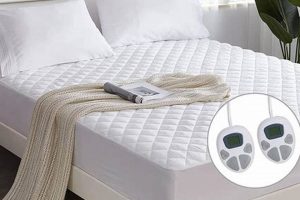
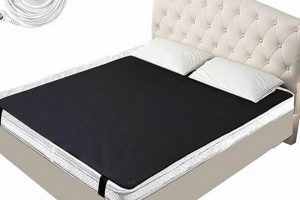
Tip 4: Utilize Protective Covers: Employ a mattress protector specifically designed for foam overlays. These covers act as a barrier against spills, stains, and allergens, minimizing the need for frequent cleaning.
Tip 5: Avoid Machine Washing: Machine washing is generally not recommended. The agitation and heat from washing machines can break down the foam structure, leading to irreversible damage and reduced support.
Tip 6: Consider Professional Cleaning: For deep cleaning or persistent stains, consider professional mattress cleaning services. Professionals possess specialized equipment and cleaning solutions that are safe for foam materials.
Tip 7: Deodorize Naturally: To neutralize odors, sprinkle baking soda evenly over the surface. Allow it to sit for several hours, then vacuum thoroughly. This absorbs odors without the use of harsh chemicals.
Adhering to these guidelines ensures the longevity and hygienic condition of foam mattress overlays, preserving their comfort and support.
The following sections will delve into specific cleaning solutions and preventative measures to further enhance maintenance strategies.
1. Material Degradation

The potential for material degradation is a significant consideration when evaluating the feasibility of cleaning a viscoelastic foam mattress overlay. The foam’s composition and structure render it susceptible to damage from various cleaning processes.
- Cell Structure Disruption
Viscoelastic foam is composed of open cells that provide its characteristic cushioning and support. Aggressive washing, particularly machine washing, can rupture these cells, leading to a loss of density and diminished support. This structural damage is often irreversible and reduces the overall lifespan of the overlay. For instance, the foam may become uneven, develop lumps, or compress permanently, rendering it less effective in pressure relief.
- Chemical Breakdown from Cleaning Agents
The use of harsh detergents or cleaning agents can chemically break down the foam’s polymers. Certain chemicals can dissolve or weaken the foam matrix, resulting in a loss of elasticity and structural integrity. Ammonia, bleach, and strong solvents should be avoided. Even seemingly mild detergents can cause degradation over time with repeated use. Evidence of chemical breakdown may include discoloration, a crumbling texture, or a persistent chemical odor emanating from the foam.
- Heat Sensitivity
Viscoelastic foam is sensitive to high temperatures. Exposing the overlay to excessive heat, such as from a washing machine’s hot water cycle or a tumble dryer, can cause it to melt, shrink, or become brittle. The foam’s properties are significantly altered, leading to a permanent loss of its original shape and function. Even prolonged exposure to direct sunlight can generate enough heat to contribute to degradation over time.
- Reduced Lifespan and Performance
The cumulative effect of cell structure disruption, chemical breakdown, and heat sensitivity is a reduced lifespan and diminished performance. A degraded overlay may no longer provide adequate support or pressure relief, leading to discomfort and potential health issues. The frequency of cleaning attempts, even if performed gently, can accelerate the degradation process, making preventative measures and spot cleaning preferable to full immersion cleaning.
These factors collectively underscore the importance of carefully considering the potential for material degradation when deciding whether and how to clean a viscoelastic foam mattress overlay. Understanding these risks allows for informed decisions regarding cleaning methods and the adoption of preventative strategies to preserve the overlay’s integrity and functionality.
2. Water Absorption

Water absorption presents a significant challenge when considering the cleanability of viscoelastic foam mattress overlays. The open-cell structure, while contributing to the material’s comfort and pressure-relieving properties, also facilitates the rapid and substantial intake of water. This characteristic poses difficulties during cleaning and drying processes.
The porous nature of the foam causes it to act like a sponge, readily drawing in water and retaining it within its matrix. This absorption capacity has several consequences. First, a thoroughly soaked overlay becomes exceedingly heavy and difficult to handle, increasing the risk of structural damage during lifting and manipulation. Second, the water retained within the foam can promote the growth of mold, mildew, and bacteria, leading to unpleasant odors and potential health hazards. Consider a scenario where a liquid spill occurs on the overlay; the immediate absorption of the liquid deep into the fo
am makes thorough cleaning and drying a prolonged and labor-intensive task. The prolonged moisture creates an environment conducive to microbial growth.
Therefore, the inherent water absorption capacity of viscoelastic foam underscores the need for careful cleaning practices. Spot cleaning, rather than full immersion washing, is often recommended to minimize the amount of water introduced into the material. Effective drying techniques, such as air drying in a well-ventilated area, are crucial to prevent moisture-related issues. The selection of cleaning agents should prioritize those that require minimal water for effective application. Understanding the water absorption characteristics of viscoelastic foam is paramount for preserving its integrity and maintaining a hygienic sleep environment.
3. Drying Challenges

Drying presents a substantial obstacle in the context of viscoelastic foam mattress overlays. The inherent properties of the material create significant difficulties in achieving complete and timely dryness following any cleaning process. These challenges directly influence the feasibility and practicality of washing such items.
- Prolonged Drying Time
The dense, open-cell structure of viscoelastic foam, while providing comfort, also traps moisture within the material. This inherent characteristic leads to extended drying times compared to other fabrics. The thickness of the overlay further exacerbates this issue, as water can penetrate deep into the core, requiring substantial time for evaporation. Inadequate drying increases the risk of mold and mildew growth. Example: A standard overlay, even after careful squeezing to remove excess moisture, may require several days of air drying in optimal conditions.
- Inadequate Air Circulation
Proper air circulation is crucial for effective drying. The dense nature of the foam impedes airflow through the material, hindering the evaporation process. Without sufficient air movement, moisture remains trapped within the overlay, creating a breeding ground for microorganisms. This is especially problematic in humid environments. Example: Placing the overlay flat on a surface restricts airflow from below, significantly prolonging drying. Suspending it vertically allows for more comprehensive air circulation.
- Risk of Microbial Growth
The prolonged presence of moisture within the foam promotes the proliferation of mold, mildew, and bacteria. These microorganisms thrive in damp, dark environments, leading to unpleasant odors, staining, and potential health risks. The porous structure of the foam provides an ideal habitat for their growth. Example: A lingering musty smell emanating from the overlay is a strong indicator of microbial growth due to incomplete drying. Such contamination can trigger allergic reactions and respiratory issues.
- Potential for Structural Damage
Attempting to accelerate the drying process with excessive heat can cause irreversible structural damage to the foam. High temperatures can alter the foam’s composition, leading to shrinkage, brittleness, or a loss of its supportive properties. This damage compromises the overlay’s performance and lifespan. Example: Using a clothes dryer on a high-heat setting will likely cause the foam to deform or crumble, rendering the overlay unusable. Even prolonged exposure to direct sunlight can contribute to gradual degradation.
These drying challenges underscore the limitations associated with fully washing a viscoelastic foam mattress overlay. The risks of prolonged drying time, inadequate air circulation, microbial growth, and potential structural damage necessitate cautious cleaning practices. Spot cleaning and preventative measures are often preferable to minimize the introduction of moisture and the associated drying difficulties.
4. Structural Integrity

The structural integrity of viscoelastic foam mattress overlays is directly influenced by cleaning practices, especially washing. Immersion in water, the agitation of cleaning processes, and subsequent drying can compromise the foam’s internal composition, leading to a reduction in its intended supportive qualities. A compromised structure results in diminished comfort and a shorter lifespan for the product. For example, the repeated compression and expansion during a machine wash can tear internal cell walls, causing the foam to sag prematurely and lose its ability to conform to the body effectively.
Maintaining structural integrity hinges on adopting appropriate cleaning methodologies. Manufacturer recommendations often advise against complete submersion due to the risks associated with excessive water absorption and the potential for damage during the drying process. Spot cleaning with gentle detergents and careful blotting is often the preferred approach to address stains without saturating the material. Using protective mattress covers also mitigates the need for frequent and aggressive cleaning, thus preserving the foam’s original structure. Professional cleaning services, when necessary, employ specialized techniques and equipment to minimize stress on the material.
In summary, the longevity and performance of viscoelastic foam mattress overlays are intrinsically linked to their structural integrity. Washing, particularly machine washing, poses a threat to this integrity. By prioritizing preventative measures, employing gentle cleaning techniques, and adhering to manufacturer guidelines, consumers can extend the usable life of their mattress overlays and maintain the desired level of comfort and support. Understanding this connection is crucial for informed decision-making regarding the care and maintenance of these products.
5. Manufacturer Guidelines
Manufacturer guidelines are paramount when determining whether a viscoelastic foam mattress overlay can be washed without causing damage or voiding warranties. These instructions reflect the specific composition and construction of the product, accounting for factors such as foam density, cell structure, and adhesive properties. Disregarding these guidelines can lead to irreversible damage, rendering the overlay unusable or significantly reducing its lifespan. For example, an overlay constructed with a specific type of adhesive might dissolve if exposed to certain detergents, as warned against in the manufacturer’s documentation. Therefore, examining these guidelines is the initial and most critical step in deciding on an appropriate cleaning method.
These recommendations typically outline preferred cleaning agents, acceptable levels of moisture exposure, and suitable drying techniques. Some manufacturers may explicitly prohibit machine washing, advising instead for spot cleaning or professional cleaning services. Others might permit gentle hand-washing with specific detergents, followed by air drying in a shaded area. Adherence to these instructions mitigates the risk of compromising the foam’s structural integrity and performance. A real-world example involves an individual who ignored the “dry clean only” instruction on their overlay, subsequently finding that the foam had become misshapen and lost its supportive qualities after a ma
chine wash.
Ultimately, manufacturer guidelines serve as the definitive resource for maintaining viscoelastic foam mattress overlays. They represent the manufacturer’s expert understanding of the product’s vulnerabilities and provide a framework for preserving its condition. Deviation from these instructions carries the risk of damaging the overlay and nullifying any warranties. Consequently, consumers should consult these guidelines before attempting any cleaning procedure to ensure they are acting in accordance with the product’s design and intended use. Failure to do so may result in unnecessary expense and the loss of a valuable sleep aid.
Frequently Asked Questions About Cleaning Viscoelastic Foam Mattress Overlays
The following questions address common concerns regarding the proper cleaning methods for viscoelastic foam mattress overlays. This information aims to clarify uncertainties and provide guidance for maintaining hygiene and prolonging product lifespan.
Question 1: Is machine washing a recommended method for cleaning viscoelastic foam mattress overlays?
Machine washing is generally not recommended for viscoelastic foam mattress overlays. The agitation and potential heat exposure can damage the foam’s structure, leading to irreversible loss of support and comfort.
Question 2: What is the appropriate technique for spot cleaning stains on a viscoelastic foam mattress overlay?
Spot cleaning should be performed with a mild detergent diluted in water. Gently blot the stain with a clean cloth, avoiding excessive saturation. Allow the area to air dry completely in a well-ventilated space, away from direct sunlight.
Question 3: Can a viscoelastic foam mattress overlay be placed in a dryer to expedite the drying process?
Placing a viscoelastic foam mattress overlay in a dryer is not advisable. The high heat can deform the foam and compromise its structural integrity. Air drying is the preferred method.
Question 4: What preventative measures can be taken to minimize the need for frequent cleaning of a viscoelastic foam mattress overlay?
Using a waterproof mattress protector is highly recommended. This barrier protects the foam from spills, stains, and allergens, reducing the frequency of necessary cleaning interventions.
Question 5: Are there specific cleaning agents that should be avoided when cleaning a viscoelastic foam mattress overlay?
Harsh chemicals such as bleach, ammonia, and strong solvents should be avoided. These substances can degrade the foam and compromise its properties. Mild detergents specifically designed for delicate materials are preferable.
Question 6: How can odors be effectively removed from a viscoelastic foam mattress overlay?
Sprinkling baking soda evenly over the surface, allowing it to sit for several hours, and then vacuuming thoroughly can effectively neutralize odors. Ensure the foam is completely dry before use.
These FAQs provide essential insights into the proper care and maintenance of viscoelastic foam mattress overlays. Adherence to these guidelines promotes both hygiene and the longevity of the product.
The subsequent section will address advanced cleaning techniques and professional services for stubborn stains or extensive contamination.
Concluding Considerations on Cleaning Viscoelastic Foam Mattress Overlays
The preceding analysis explored the question of “can you wash memory foam mattress pad” with a focus on the inherent risks and limitations associated with traditional cleaning methods. The material’s susceptibility to damage, its tendency to retain moisture, and the potential for structural degradation collectively underscore the challenges in achieving effective and safe cleaning. While spot cleaning and preventative measures offer viable alternatives for routine maintenance, complete immersion washing is generally discouraged due to the potential for irreversible harm.
Therefore, informed decision-making is crucial. Prioritizing manufacturer guidelines and employing gentle cleaning techniques are paramount for preserving the integrity and extending the lifespan of these products. In situations involving extensive soiling or persistent odors, professional cleaning services, with their specialized equipment and expertise, may represent the most prudent course of action. The long-term value and performance of a viscoelastic foam mattress overlay depend on careful and conscientious care, balancing hygiene with the need to protect the material’s unique properties.