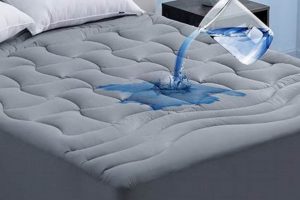
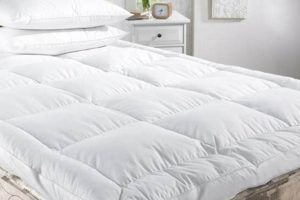
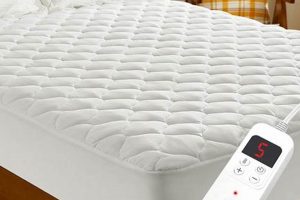
This bedding accessory combines two primary features: temperature regulation and liquid resistance. Typically constructed with specialized fabrics and membranes, it is designed to protect a mattress from spills and stains while simultaneously promoting airflow and reducing heat retention during sleep.
The importance of this item lies in its ability to prolong the lifespan of a mattress by preventing damage from moisture, allergens, and dust mites. Furthermore, the cooling aspect can significantly enhance sleep quality for individuals who experience night sweats or live in warmer climates. Historically, protective mattress covers focused solely on waterproofing; the integration of cooling technology represents a significant advancement in sleep comfort.
The following sections will explore the materials used in construction, available types and features, factors to consider when selecting a suitable model, and proper care and maintenance procedures.
Essential Considerations for Enhanced Sleep Comfort
Selecting the correct bedding accessories can significantly impact sleep quality and hygiene. The following tips provide essential guidance for optimizing the selection and utilization of such items.
Tip 1: Material Composition. Prioritize materials known for breathability and effective moisture-wicking capabilities. Options like bamboo-derived rayon, Tencel, or specialized performance fabrics can facilitate airflow and minimize heat buildup.
Tip 2: Waterproofing Technology. Evaluate the type of waterproof membrane employed. Polyurethane laminates offer reliable protection against liquids, but may compromise breathability. Consider alternatives with micro-pore structures for enhanced air circulation.
Tip 3: Construction and Fit. Ensure the accessory provides a secure and snug fit on the mattress. Deep-pocket designs are crucial for accommodating thicker mattresses. Elasticized edges should prevent shifting during sleep.
Tip 4: Cooling Features. Investigate the specific cooling technologies used. Phase change materials (PCMs) or gel infusions can absorb and release heat, maintaining a more stable sleep surface temperature. Verify the long-term effectiveness of these features, as some may diminish over time.
Tip 5: Care and Maintenance. Review the manufacturer’s care instructions carefully. Regular washing is essential for maintaining hygiene and preventing allergen buildup. Follow recommended wash cycles and drying methods to preserve the accessory’s functional properties.
Tip 6: Third-Party Certifications. Seek out products with certifications such as OEKO-TEX Standard 100. These certifications verify that the materials have been tested for harmful substances and meet established safety standards.
Tip 7: Consider Mattress Type. The specific needs of the mattress should be taken into account. Memory foam mattresses tend to retain more heat, necessitating more robust cooling features in the accessory. Conversely, innerspring mattresses may require less aggressive temperature regulation.
Adhering to these considerations will enable a more informed purchase, resulting in a cooler, cleaner, and more comfortable sleep environment.
The subsequent sections will delve into specific product recommendations and further insights into maximizing sleep hygiene.
1. Breathable Material
Breathable material is a cornerstone of the cooling waterproof mattress pad’s design, directly influencing its ability to regulate temperature and enhance sleep comfort. The effectiveness of a waterproof barrier can be undermined if it traps heat and moisture, leading to discomfort. Therefore, the selection and implementation of breathable materials are paramount to the overall functionality of such pads.
- Air Permeability and Heat Dissipation
Air permeability refers to the ability of a fabric to allow air to pass through it. In the context of a cooling waterproof mattress pad, this characteristic facilitates the dissipation of body heat and prevents the buildup of moisture. Materials like Tencel and bamboo rayon exhibit high air permeability, allowing for constant air circulation and maintaining a cooler sleep surface. Failure to adequately dissipate heat can lead to night sweats and disrupted sleep patterns.
- Moisture-Wicking Properties
Moisture-wicking properties enable the fabric to draw moisture away from the body and release it into the air. This is crucial for preventing the accumulation of sweat and maintaining a dry and comfortable sleep environment. Polyester blends are often engineered for moisture-wicking, but natural fibers like merino wool also possess this capability. The absence of effective moisture-wicking can result in a clammy and uncomfortable sleep experience, even if the pad incorporates a cooling technology.
- Material Construction and Weave
The construction and weave of the fabric influence its breathability. Looser weaves and open-knit structures promote better airflow compared to tightly woven fabrics. For example, a jersey knit is more breathable than a tightly woven twill. Even if a breathable material is used, a dense weave can restrict airflow and compromise the cooling effect. The design of the fabric, therefore, must be optimized for both breathability and durability.
- Waterproof Membrane Interaction
The waterproof membrane’s breathability is equally important. While a waterproof barrier is necessary to protect the mattress, traditional impermeable membranes can trap heat and moisture. Newer technologies utilize microporous membranes that allow air and water vapor to pass through while preventing liquid penetration. The integration of a breathable waterproof membrane with a breathable fabric is essential for maximizing the cooling and waterproof capabilities of the mattress pad.
The selection and implementation of breathable materials, coupled with breathable waterproof membranes, are integral to the effectiveness of a cooling waterproof mattress pad. These factors collectively determine the product’s ability to regulate temperature, manage moisture, and provide a comfortable and hygienic sleep surface. Prioritizing materials with high air permeability, moisture-wicking properties, and optimized weave structures is crucial for achieving the desired cooling and protective benefits.
2. Waterproof Membrane

The waterproof membrane is an indispensable component of a cooling waterproof mattress pad, serving as the primary barrier against liquids and contaminants. Its function directly impacts the longevity and hygiene of the underlying mattress. The effectiveness of this membrane, however, can significantly influence the cooling properties of the overall pad. A non-breathable membrane traps heat and moistu
re, negating the intended cooling effect. Conversely, an inadequately waterproof membrane compromises the pad’s protective function. The selection of the membrane material, therefore, represents a critical trade-off between waterproof capability and breathability.
Common materials for waterproof membranes include polyurethane (PU) and thermoplastic polyurethane (TPU). Traditional PU membranes offer reliable liquid protection but tend to have limited breathability. TPU membranes, in contrast, often incorporate microporous structures that allow air and water vapor to pass through while preventing liquid penetration. This enhanced breathability contributes to a cooler sleep environment. For instance, a mattress pad employing a TPU membrane with a pore size specifically engineered for optimal breathability and waterproofing demonstrates a tangible benefit: reduced heat retention compared to a pad with a standard PU membrane. This is further illustrated in product specifications highlighting vapor transmission rates, indicating the membrane’s capacity to release moisture.
In summary, the waterproof membrane is central to both the protective and cooling functionalities of a mattress pad. The choice of membrane material and its inherent properties dictates the balance between liquid impermeability and breathability. The integration of advanced materials like TPU, specifically designed with microporous structures, offers a practical solution to maintain both mattress protection and a comfortable sleeping temperature. The understanding of these material properties and their implications is crucial for informed consumer decisions and effective product design.
3. Temperature Regulation

Temperature regulation is a central function of a cooling waterproof mattress pad. The primary objective is to mitigate heat retention during sleep, creating a more comfortable sleep environment. Failure to effectively regulate temperature can lead to discomfort, night sweats, and disrupted sleep patterns. The design and materials employed directly impact the pad’s ability to dissipate heat and manage moisture, which are critical determinants of sleep quality. For example, individuals residing in warmer climates or those prone to night sweats often experience improved sleep quality when using a mattress pad designed to regulate temperature effectively.
The impact of temperature regulation is further understood through its impact on sleep architecture. When the body’s core temperature remains stable during sleep, it fosters a more conducive environment for deep, restorative sleep stages. Conversely, fluctuations in temperature can trigger arousal responses, leading to fragmented sleep. The practical significance of this understanding is evident in the development of mattress pads incorporating phase-change materials. These materials absorb and release heat, maintaining a stable temperature range at the sleep surface. A study comparing sleep quality with and without a temperature-regulating mattress pad could quantitatively demonstrate the benefits through metrics like sleep onset latency, total sleep time, and sleep stage distribution.
In conclusion, temperature regulation is not merely a desirable feature but an essential component of a cooling waterproof mattress pad. Effective temperature management directly contributes to enhanced sleep quality and overall well-being. The challenges lie in balancing waterproofing capabilities with the need for breathability and heat dissipation. The ongoing development of advanced materials and technologies continues to address these challenges, furthering the optimization of sleep environments.
4. Secure Fit

A secure fit is a critical, often underestimated, element of a cooling waterproof mattress pad. It ensures the pad remains properly positioned on the mattress, maintaining uniform coverage and preventing bunching or shifting during sleep. A poorly fitting pad compromises both its cooling and waterproof functionalities. For instance, if the pad shifts, portions of the mattress may be exposed to spills, negating the waterproofing benefit. Similarly, uneven distribution of the cooling materials due to a loose fit reduces the overall effectiveness of temperature regulation across the sleep surface. The design directly impacts these aspects; deep-pocket designs and elasticized edges are crucial for accommodating varying mattress thicknesses and securing the pad effectively.
The practical implications of a secure fit extend beyond immediate functionality. A pad that requires frequent readjustment disrupts sleep and contributes to wear and tear, potentially shortening its lifespan. Furthermore, a loose-fitting pad creates wrinkles and folds, which can trap heat and moisture, counteracting the intended cooling effect. Conversely, a securely fitted pad maintains consistent contact with the mattress, allowing for even heat distribution and promoting efficient moisture wicking. The specification of elastic quality and the depth of the pockets are factors directly tied to this. A high-quality elastic provides more consistent tension over time, and deeper pockets accommodate a wider range of mattress depths.
In conclusion, a secure fit is not a mere detail but an integral design consideration for cooling waterproof mattress pads. It directly influences both the effectiveness of the waterproof barrier and the efficiency of the cooling technology. Investing in a pad with well-designed fit features ensures long-term functionality, prevents sleep disruption, and maximizes the overall value of the product. The selection criteria should, therefore, prioritize pads with robust elasticized edges and appropriate pocket depths to accommodate the specific mattress dimensions.
5. Easy Care

The “easy care” aspect of a “cooling waterproof mattress pad” directly impacts its long-term value and hygiene. Complex cleaning procedures can deter regular maintenance, leading to allergen buildup, reduced cooling effectiveness, and premature degradation of the waterproof membrane. A mattress pad requiring specialized cleaning agents or delicate wash cycles is less likely to be maintained consistently, negating its intended benefits. Conversely, a machine-washable and dryer-safe pad encourages frequent cleaning, preserving its protective and cooling qualities. For example, a pad constructed with durable, colorfast materials capable of withstanding regular wash cycles at standard temperatures ensures consistent hygiene without requiring specialized attention. The specification of machine washability and dryer-safe settings is, therefore, a crucial factor influencing the practical usability and longevity of the mattress pad.
The material composition directly dictates the ease of care. Fabrics like polyester blends or microfiber are generally more resilient and resistant to shrinking or fading compared to natural fibers like cotton. The waterproof membrane also plays a role; certain membranes may delaminate or lose their integrity if exposed to high temperatures or harsh chemicals. A well-designed mattress pad should incorporate materials and construction techniques that minimize these risks, ensuring it can withstand repeated washing and drying without compromising its functionality. The inclusion of clear and concise care instructions from the manufactur
er is essential for guiding users and preventing accidental damage during cleaning. Real-life examples, such as testing the pad’s durability through multiple wash cycles before market release, demonstrate a commitment to easy care and long-term product satisfaction.
In conclusion, “easy care” is not merely a convenience but an essential attribute of a cooling waterproof mattress pad, affecting its hygiene, longevity, and overall effectiveness. Selecting a pad that is machine-washable, dryer-safe, and constructed from durable materials ensures consistent maintenance and maximizes its value. Prioritizing this aspect enables users to maintain a clean and comfortable sleep environment without the burden of complex cleaning routines. The integration of easy-care features should be viewed as a fundamental design principle, contributing to enhanced user satisfaction and product durability.
6. Allergen Barrier

The presence of an allergen barrier within a cooling waterproof mattress pad is a critical feature that contributes significantly to sleep hygiene and overall health. It functions to prevent the accumulation of allergens within the mattress, creating a more conducive environment for individuals sensitive to common irritants.
- Dust Mite Proliferation
Mattresses provide an ideal breeding ground for dust mites, microscopic organisms that thrive in warm, humid environments and feed on dead skin cells. An effective allergen barrier prevents these mites from penetrating the mattress fibers, limiting their population growth and the subsequent release of allergenic waste particles. This reduction is vital for individuals with asthma or allergies, as exposure to dust mite allergens can trigger respiratory distress and skin irritation.
- Pollen and Mold Spore Filtration
Pollen and mold spores, common airborne allergens, can also accumulate within mattresses over time. An allergen barrier acts as a filter, preventing these particles from settling deep within the mattress fibers. This filtration process reduces the overall allergen load in the sleeping environment, mitigating the risk of allergic reactions. The efficacy of this filtration depends on the pore size of the barrier material, with smaller pore sizes offering greater protection against smaller allergen particles.
- Pet Dander Containment
For pet owners, pet dander is a significant source of allergens. An allergen barrier prevents pet dander from embedding within the mattress, facilitating easier removal through regular cleaning. This containment strategy is particularly important for individuals with pet allergies, as it reduces their exposure to allergenic proteins found in pet skin, saliva, and urine. The protective function of the barrier significantly minimizes the risk of allergic reactions and respiratory issues.
- Material Composition and Breathability
The effectiveness of the allergen barrier is contingent on the material used. Tightly woven fabrics with small pore sizes are generally more effective at blocking allergens. However, these materials must also maintain breathability to prevent heat buildup and moisture accumulation. Advanced materials, such as microfiber fabrics with specialized coatings, offer a balance between allergen protection and breathability, enhancing both the hypoallergenic and cooling properties of the mattress pad. A poorly designed barrier can compromise breathability, negating the intended cooling benefits.
The integration of an allergen barrier within a cooling waterproof mattress pad represents a holistic approach to sleep hygiene. By effectively limiting allergen accumulation, this feature contributes to a healthier and more comfortable sleep environment. The selection of appropriate materials and construction techniques is crucial for optimizing both allergen protection and cooling performance, maximizing the benefits for individuals with allergies or sensitivities.
7. Durability
Durability is a paramount consideration in the evaluation of a cooling waterproof mattress pad. It represents the product’s ability to withstand the rigors of regular use, repeated washing, and potential exposure to spills and other damaging agents. The lifespan and overall value of the pad are directly tied to its inherent durability.
- Material Resistance to Degradation
The materials used in the construction of the mattress pad, including the outer fabric, waterproof membrane, and any cooling technologies, must exhibit resistance to degradation over time. Exposure to moisture, cleaning agents, and mechanical stress can cause materials to weaken, tear, or lose their functional properties. For example, a low-quality waterproof membrane may crack or delaminate after repeated washing, compromising its protective function. Similarly, cooling gels may degrade, diminishing the pad’s temperature-regulating capabilities. Selecting pads with robust, high-quality materials ensures greater resistance to these forms of degradation.
- Seam Strength and Construction Integrity
The strength and integrity of the seams are critical for maintaining the structural integrity of the mattress pad. Weak or poorly constructed seams are prone to tearing or unraveling, particularly under stress. Reinforced seams and durable stitching techniques contribute significantly to the pad’s ability to withstand regular use and laundering. Instances of seam failure not only compromise the pad’s appearance but also expose the underlying mattress to potential damage.
- Resistance to Pilling and Abrasion
Pilling and abrasion can diminish the aesthetic appeal and overall comfort of the mattress pad over time. Pilling refers to the formation of small balls of fiber on the fabric surface, while abrasion involves the wearing away of the fabric due to friction. Fabrics with inherent resistance to pilling and abrasion maintain a smoother, more comfortable surface even after extended use. This attribute is particularly important for pads that are used frequently or subjected to significant movement during sleep.
- Waterproof Membrane Integrity Under Stress
The waterproof membrane’s ability to maintain its integrity under various stressors, such as stretching, washing, and exposure to extreme temperatures, is crucial. If the membrane becomes compromised, it can no longer effectively protect the mattress from liquids, negating the primary purpose of the pad. Look for materials tested to maintain its integrity in repeated washing and stretching. The specifications often include data on water resistance and degradation of material to look for a higher value.
In conclusion, durability is a multifaceted attribute that significantly impacts the long-term performance and value of a cooling waterproof mattress pad. Selecting a pad constructed from high-quality materials, featuring robust seams, and demonstrating resistance to pilling, abrasion, and membrane degradation ensures extended use and consistent protection for the underlying mattress. The investment in a more durable pad translates to long-term cost savings and enhanced sleep hygiene.
Frequently Asked Questions
The following section addresses common inquiries regarding the selection, functionality, and maintenance of cooling waterproof mattress pads. The information provided aims to clarify misconceptions
and offer practical guidance for optimal product utilization.
Question 1: What materials are most effective for cooling properties in a waterproof mattress pad?
Materials such as bamboo-derived rayon, Tencel, and specialized performance fabrics with moisture-wicking capabilities are frequently incorporated. These materials promote airflow and reduce heat retention compared to conventional fabrics like cotton or polyester. Additionally, phase change materials (PCMs) are sometimes integrated to absorb and release heat, maintaining a stable temperature.
Question 2: How does a waterproof membrane affect breathability and cooling?
Traditional waterproof membranes can impede breathability, trapping heat and moisture. Modern mattress pads utilize microporous membranes, often made of thermoplastic polyurethane (TPU), that allow air and water vapor to pass through while preventing liquid penetration. The pore size of the membrane is a critical factor in determining the balance between waterproofing and breathability.
Question 3: What are the key features to consider when selecting a cooling waterproof mattress pad for individuals with allergies?
An effective allergen barrier is paramount. The pad should be constructed with tightly woven fabrics and minimal pore sizes to prevent the penetration of dust mites, pollen, and pet dander. Certifications such as OEKO-TEX Standard 100 ensure that the materials have been tested for harmful substances and are safe for individuals with sensitivities.
Question 4: How should a cooling waterproof mattress pad be cleaned and maintained to ensure its longevity?
Refer to the manufacturer’s care instructions. Most cooling waterproof mattress pads are machine washable and dryer-safe. However, excessive heat can damage the waterproof membrane or cooling technologies. Gentle wash cycles and low-heat drying are generally recommended. Avoid harsh chemicals or bleach, which can degrade the materials.
Question 5: Does the thickness of the mattress pad influence its cooling properties?
While thickness can contribute to cushioning, it does not necessarily enhance cooling. Thicker pads may, in fact, trap more heat. Focus on the material composition and cooling technologies incorporated rather than solely relying on thickness as an indicator of cooling effectiveness. The design of the pad, to promote airflow, is more important.
Question 6: How does the secure fit of a cooling waterproof mattress pad contribute to its overall performance?
A secure fit ensures consistent coverage and prevents shifting during sleep. This is essential for both the waterproof and cooling functionalities, as a poorly fitting pad can expose portions of the mattress to spills and unevenly distribute cooling materials. Deep-pocket designs and elasticized edges are crucial for accommodating varying mattress thicknesses and maintaining a snug fit.
In summary, the effectiveness of a cooling waterproof mattress pad depends on a combination of factors, including material selection, membrane technology, allergen barrier capabilities, proper maintenance, and secure fit. Informed purchasing decisions based on these considerations will result in a cooler, cleaner, and more comfortable sleep environment.
The following sections provide specific product recommendations and further insights into maximizing sleep hygiene and comfort.
Concluding Remarks
This exploration of the cooling waterproof mattress pad has elucidated the critical attributes of this bedding accessory. Effective temperature regulation, reliable waterproof protection, and robust allergen barriers are essential for maximizing sleep hygiene and mattress longevity. Material selection, design elements, and ease of maintenance directly impact the product’s performance and overall value. The integration of advanced technologies, such as breathable waterproof membranes and phase change materials, represents ongoing advancements in sleep comfort.
The continued refinement of cooling waterproof mattress pad technology is anticipated, with a focus on enhancing both performance and sustainability. Consumers are encouraged to prioritize products with transparent material specifications, third-party certifications, and clear care instructions. Such diligence will contribute to informed purchasing decisions and promote a healthier, more restful sleep environment. The significance of sleep hygiene should not be underestimated, and investment in quality bedding accessories represents a practical step toward improved well-being.