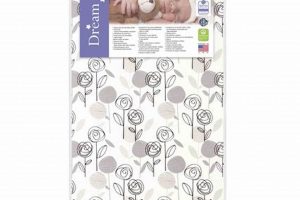
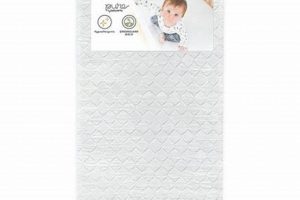
A baby bed designed for infants and young children, typically featuring high sides to prevent the child from climbing out, is essential for providing a safe and contained sleeping environment. This sleeping arrangement necessitates a firm, supportive rectangular pad specifically manufactured to fit within the confines of the aforementioned bed frame. The pad contributes significantly to infant safety and comfort during sleep.
The provision of a secure and comfortable sleep space for a young child is paramount for healthy development and parental peace of mind. Historically, various iterations of infant beds have existed, but modern designs prioritize safety standards and manufacturing practices to mitigate risks such as suffocation or entrapment. The appropriate support during sleep is critical for proper skeletal development and reduces the risk of Sudden Infant Death Syndrome (SIDS).
The following sections will detail specific safety standards, material considerations, size and fit guidelines, and maintenance recommendations related to selecting and maintaining appropriate sleeping arrangements for infants and young children.
Key Considerations for Infant Sleep Arrangements
Ensuring a safe and supportive sleep environment for infants is of utmost importance. Adherence to established guidelines and careful product selection contribute significantly to reducing potential risks.
Tip 1: Verify Compliance with Safety Standards. Prior to purchase, confirm that both the bed frame and the pad meet or exceed current safety regulations established by regulatory bodies. Third-party certifications can offer additional assurance.
Tip 2: Ensure Proper Size and Fit. The pad must fit snugly within the bed frame, leaving no gaps that could pose an entrapment hazard. Adherence to manufacturer specifications regarding dimensions is crucial.
Tip 3: Prioritize Firmness. A firm sleep surface is recommended to reduce the risk of suffocation. Soft surfaces can conform to the infant’s face, impeding breathing.
Tip 4: Utilize a Fitted Sheet. Always use a properly fitted sheet designed for the size of the pad. Loose bedding, including blankets, pillows, and bumper pads, should be avoided.
Tip 5: Inspect Regularly for Damage. Routinely inspect the bed frame and pad for signs of wear and tear, such as cracks, loose hardware, or sagging. Address any issues promptly.
Tip 6: Maintain a Clean Sleep Environment. Regularly clean the pad and the surrounding area to minimize allergens and maintain hygiene. Follow manufacturer instructions for cleaning procedures.
Tip 7: Avoid Positioning Near Hazards. Position the infant bed away from windows, cords, or other potential hazards. A clear and uncluttered environment promotes safety.
By adhering to these guidelines, caregivers can create a safer sleep environment that promotes the well-being of the infant and mitigates potential risks associated with infant sleep.
The following sections will provide further details regarding the specific materials, construction, and maintenance procedures that contribute to the longevity and safety of infant sleep arrangements.
1. Safety Standards

Stringent safety standards are paramount in the design, manufacture, and sale of baby beds and their accompanying sleeping surfaces. These standards aim to minimize potential hazards and ensure a secure sleep environment for infants.
- Mandatory Federal Regulations
Federal regulations, overseen by agencies such as the Consumer Product Safety Commission (CPSC), establish mandatory requirements for baby beds and sleeping surfaces. These regulations address potential hazards, including suffocation, entrapment, and falls. Compliance with these regulations is legally required for manufacturers.
- Voluntary Industry Standards
In addition to mandatory regulations, voluntary industry standards, such as those developed by ASTM International, provide further guidance on safety and performance. While not legally binding, these standards represent a consensus among industry experts and often exceed the minimum requirements set by federal regulations.
- Testing and Certification
Third-party testing and certification programs verify that baby beds and sleeping surfaces meet applicable safety standards. Organizations like the Juvenile Products Manufacturers Association (JPMA) offer certification programs that provide independent validation of product safety. Look for certifications that cover all components: the frame, the pad, and any included accessories.
- Materials and Construction
Safety standards address the materials used in construction and the overall design. Requirements may include limitations on the use of toxic substances, specifications for slat spacing, and guidelines for mattress firmness. The objective is to create a product that is both durable and free from potential hazards.
Adherence to safety standards is not merely a formality; it is a critical aspect of ensuring infant well-being. Consumers should prioritize products that meet or exceed established safety standards and regularly inspect their infant’s sleeping environment to maintain a safe and secure space.
2. Size Compatibility

Size compatibility between a baby bed and its accompanying pad is a critical safety consideration. Incompatible sizes introduce potential hazards that compromise infant well-being. Accurate dimensions and snug fit are essential for preventing accidents.
- Internal Dimensions of the Frame
The internal dimensions of the bed frame dictate the acceptable size range for the pad. Manufacturers must adhere to standardized measurements to ensure compatibility. Discrepancies can result in gaps between the pad and the frame, posing an entrapment risk.
- Mattress Thickness and Firmness
Pad thickness impacts the overall height within the bed, influencing the accessibility of the top rail. A pad that is too thin may allow a child to climb out more easily. The appropriate firmness is also related to the size, as a pad that compresses excessively may also create gaps at the sides.
- Gap Prevention Standards
Safety standards specify maximum allowable gaps between the pad and the frame. These standards are designed to prevent infants from becoming wedged in the space, which can lead to suffocation or injury. Regular inspection is essential to identify any changes in fit over time.
- Sheet Fit and Implications
The fit of the sheet is indirectly related to size compatibility. An ill-fitting sheet can bunch up, creating a soft spot or loose fabric that increases the risk of suffocation. Using sheets specifically designed for the pad’s dimensions is crucial.
The interplay between these facets underscores the necessity of verifying size compatibility during purchase and throughout the period of use. The consequences of neglecting this aspect can be severe, highlighting the importance of adherence to safety guidelines and consistent monitoring of the infant’s sleeping environment.
3. Material Firmness

Material firmness within the context of infant sleep surfaces directly impacts infant safety and is a critical factor in selecting appropriate sleeping arrangements. The degree of firmness influences the risk of suffocation and supports proper skeletal development.
- Suffocation Risk Mitigation
Excessively soft surfaces pose a suffocation hazard to infants. Soft materials can conform to the infant’s face, obstructing airways and impeding breathing. A firm surface maintains its shape and prevents such obstruction. Testing protocols often include assessments of surface indentation and resistance to compression.
- Skeletal Support and Development
Adequate firmness provides necessary support for the infant’s developing spine. Overly soft surfaces can lead to improper spinal alignment and potentially contribute to musculoskeletal issues. A firm surface distributes weight evenly and maintains proper posture during sleep. This facet has a strong connection to SIDS risk.
- American Academy of Pediatrics (AAP) Recommendations
The AAP explicitly recommends the use of a firm sleep surface for infants to reduce the risk of SIDS. This recommendation is based on extensive research demonstrating the correlation between soft sleep surfaces and increased SIDS incidence. Guidelines emphasize avoiding the use of soft bedding, pillows, and other items that could compromise airflow. A baby bed should be flat and firm.
- Testing and Certification Standards
Relevant testing and certification standards include assessments of material firmness. Certifications are granted once products reach the standards. Firmness contributes significantly to the overall product’s safety rating and compliance with established guidelines. Manufacturers must demonstrate adherence to specific firmness criteria to receive certification.
Considerations regarding firmness are not isolated but are intertwined with other factors, such as size compatibility and ventilation. A comprehensive evaluation of the overall sleep environment, with a particular focus on material firmness, is essential for ensuring infant safety and well-being within the space.
4. Proper Ventilation

Adequate airflow surrounding a baby bed and its corresponding pad significantly impacts infant safety and comfort. The connection between proper ventilation and these items stems from the need to regulate temperature, reduce the risk of suffocation, and minimize the accumulation of harmful substances.
- Reducing Overheating Risk
Infants are particularly susceptible to overheating, which is a known risk factor for Sudden Infant Death Syndrome (SIDS). Proper ventilation dissipates excess heat, helping to maintain a safe and comfortable body temperature. Designs incorporating breathable materials and sufficient airflow channels mitigate the risk of overheating, especially in warm climates.
- Minimizing Carbon Dioxide Re-breathing
Restricted airflow around the infant’s face can lead to re-breathing of exhaled carbon dioxide, potentially causing oxygen deprivation. Ventilated designs allow for fresh air circulation, reducing the concentration of carbon dioxide in the immediate vicinity of the infant. This includes ventilation through the pad itself and around the perimeter.
- Dissipating Moisture and Odors
Infants can perspire and generate odors, which can accumulate within a poorly ventilated sleeping environment. Proper ventilation facilitates the evaporation of moisture and the dispersal of odors, contributing to a cleaner and more hygienic sleep surface. Antimicrobial treatments can further inhibit the growth of bacteria and fungi.
- Material Selection and Breathability
The materials used in the construction of both the baby bed and the pad significantly influence ventilation. Breathable materials, such as cotton or open-cell foam, allow for greater airflow compared to impermeable materials like vinyl. The design should avoid materials that restrict airflow and trap heat. Look for certifications showing materials that don’t trap air.
The integration of proper ventilation principles into the design and use of baby beds and their sleeping surfaces is essential for creating a safe and comfortable sleep environment. By addressing the risks of overheating, carbon dioxide re-breathing, and moisture accumulation, proper ventilation contributes significantly to reducing the risk of SIDS and promoting infant well-being. Regular cleaning and maintenance further support these principles.
5. Hygienic Practices

Hygienic practices surrounding baby beds and their pads directly influence infant health and safety. The implementation of appropriate cleaning and maintenance procedures mitigates the risk of bacterial growth, allergen accumulation, and the spread of infection, all of which pose potential threats to infants. Regular cleaning of the pad, frame, and surrounding area is crucial for maintaining a sanitary sleep environment.
For instance, the buildup of spilled milk or drool can create a breeding ground for bacteria and mold, potentially leading to respiratory issues or skin irritation. Regular vacuuming and spot cleaning of the pad, following the manufacturer’s instructions, help prevent this. Similarly, the frame should be wiped down frequently to remove dust and other contaminants. Use of a pad protector is a common and effective practice to limit the transfer of fluids to the inner materials of the mattress. Selecting hypoallergenic materials for both the bed and the pad is another example of preventative hygienic measures.
Therefore, prioritizing hygienic practices is not merely a matter of cleanliness but a fundamental aspect of infant care. Neglecting these practices can compromise infant health and safety, underscoring the importance of consistent cleaning and maintenance routines. A clean and sanitary sleep environment contributes significantly to the overall well-being of the infant and minimizes the risk of exposure to harmful pathogens. It is essential to understand and implement effective hygienic strategies to safeguard the infant’s health.
6. Durability Assessment

Durability assessment, in the context of a baby bed and its sleeping pad, refers to the evaluation of their capacity to withstand prolonged use and maintain structural integrity under typical conditions. This assessment is a critical component because the sustained performance of these items directly impacts infant safety. A compromised structure, due to material fatigue or substandard construction, can create hazardous conditions, such as entrapment risks or unstable support. For example, a bed frame with weakened joints may collapse, while a pad with degraded foam may lose its firmness, increasing the risk of suffocation.
Thorough durability assessments involve evaluating the materials’ resistance to wear and tear, the strength of joints and fasteners, and the long-term performance of the sleeping pad’s internal components. Testing protocols often simulate years of use through repetitive stress testing, assessing the product’s ability to withstand impacts, weight loads, and environmental factors such as humidity and temperature fluctuations. The results of these assessments inform design improvements and material selection, ultimately enhancing the product’s lifespan and safety profile.
A comprehensive understanding of durability assessment principles is essential for both manufacturers and consumers. Manufacturers must prioritize rigorous testing to ensure product safety and longevity. Consumers, in turn, should seek products with verifiable durability ratings and regularly inspect their baby’s bed and pad for signs of wear or damage. Addressing any identified issues promptly is crucial for maintaining a safe and secure sleep environment for the infant. The ability to assess durability directly correlates with the sustained safety and utility of infant sleep products.
7. Regulatory Compliance

Regulatory compliance, concerning infant beds and their accompanying pads, is paramount. It represents adherence to legally mandated safety standards and performance requirements established by government agencies and industry bodies. The aim is to ensure that these products meet minimum safety criteria to protect infants from potential hazards.
- Mandatory Safety Standards
Government bodies, such as the Consumer Product Safety Commission (CPSC) in the United States, enforce mandatory safety standards for baby beds and their pads. These standards address various aspects, including structural integrity, material composition, and design features, to mitigate risks of suffocation, entrapment, and falls. Non-compliance can result in recalls, fines, and legal repercussions.
- Testing and Certification Requirements
Regulatory frameworks often require manufacturers to subject their products to rigorous testing and certification processes. Independent testing laboratories assess compliance with relevant safety standards. Certification marks indicate that a product has undergone evaluation and meets the required criteria. These marks provide assurance to consumers regarding the product’s safety.
- Labeling and Information Disclosure
Regulations typically mandate specific labeling requirements to provide consumers with essential information. This includes details about the product’s materials, dimensions, safety warnings, and care instructions. Accurate and comprehensive labeling enables informed decision-making and promotes safe product usage.
- Chemical Restrictions and Material Safety
Regulatory compliance extends to restrictions on the use of hazardous chemicals and materials in baby beds and pads. Limits are often placed on substances such as lead, phthalates, and flame retardants due to their potential health risks to infants. Manufacturers must demonstrate adherence to these restrictions through material testing and certification.
These compliance measures contribute to a safer market for infant sleep products. Manufacturers must stay informed about evolving regulations and invest in testing and certification to ensure their products meet the required standards. Consumers benefit from enhanced safety and reduced risks when products adhere to established regulatory frameworks. Regulatory compliance promotes trust and accountability within the industry.
Frequently Asked Questions
The following addresses prevalent inquiries concerning infant beds and their corresponding pads. These answers aim to clarify crucial aspects related to safety, selection, and maintenance.
Question 1: What are the key safety standards for infant beds and their pads?
Key safety standards are enforced by regulatory bodies like the CPSC and organizations like ASTM International. These standards address structural integrity, material composition, and design features to prevent suffocation, entrapment, and falls. Compliance ensures that products meet minimum safety requirements.
Question 2: How do I ensure the pad fits correctly within the bed frame?
The pad must fit snugly within the bed frame, leaving no gaps that could pose an entrapment hazard. Adherence to manufacturer specifications regarding dimensions is crucial. Measurements must be verified before use and periodically thereafter.
Question 3: Why is material firmness important for sleeping pads?
A firm sleeping surface is critical to minimize the risk of suffocation. Soft surfaces can conform to the infant’s face, impeding breathing. The AAP recommends a firm sleep surface to reduce the risk of SIDS.
Question 4: How can proper ventilation be ensured in an infant sleep environment?
Proper ventilation helps regulate temperature and minimize carbon dioxide re-breathing. Designs incorporating breathable materials and sufficient airflow channels are essential. The sleeping surface must not restrict airflow around the infant’s face.
Question 5: What hygienic practices should be followed regarding infant beds and pads?
Regular cleaning and maintenance mitigate the risk of bacterial growth and allergen accumulation. The pad, frame, and surrounding area should be cleaned frequently. Protective covers can help prevent the soiling of the pad’s internal materials.
Question 6: How can the durability of an infant bed and its pad be assessed?
Durability assessments involve evaluating the materials’ resistance to wear and tear, the strength of joints and fasteners, and the long-term performance of internal components. Regular inspection for signs of damage is essential. Products with verifiable durability ratings should be prioritized.
Prioritizing safety, proper fit, material firmness, ventilation, hygiene, and durability assessments are paramount when considering infant beds and pads. Adherence to these guidelines promotes a safer sleep environment.
The following section will provide detailed maintenance recommendations to ensure the longevity and safety of infant sleeping arrangements.
In Conclusion
The preceding discussion has thoroughly examined critical aspects related to infant sleep safety, specifically focusing on the bed and its corresponding pad. Key points have been presented, including the importance of adhering to stringent safety standards, ensuring proper size compatibility to prevent entrapment, prioritizing material firmness to mitigate suffocation risk, maintaining adequate ventilation to regulate temperature, practicing diligent hygiene to prevent bacterial growth, and assessing product durability to ensure longevity and structural integrity. Regulatory compliance underscores all these considerations, providing a framework for manufacturers and consumers alike.
Given the profound impact of the sleeping environment on infant well-being, a commitment to informed decision-making and diligent adherence to established safety guidelines remains paramount. Continuous vigilance and a proactive approach to maintenance are essential to safeguarding the health and safety of infants during this vulnerable stage of development. Further research and ongoing improvements in product design and regulatory oversight are vital to minimizing risks and promoting optimal sleep conditions for every child.
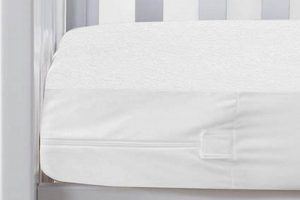

![Best Organic Crib Mattress Protector [Safe Sleep] | Organic & Natural Mattress Buyer’s Guide: Non-Toxic Sleep Solutions](https://mattressworldpa.com/wp-content/uploads/2025/07/th-1363-300x200.jpg "Best Organic Crib Mattress Protector [Safe Sleep] Organic & Natural Mattress Buyer’s Guide: Non-Toxic Sleep Solutions")