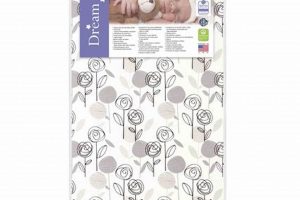
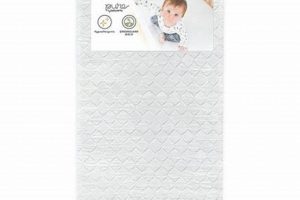
An essential component of infant bedding, this material serves as a layer placed atop a crib mattress core. It is typically constructed from materials like cotton, polyester blends, or foam, offering a degree of enhanced comfort and protection to the sleep surface. Examples include quilted cotton layers, waterproof liners with cushioning, and fitted pads designed to add a softer feel to a firmer mattress.
The inclusion of this layer is valued for several reasons. Primarily, it can contribute to increased comfort for the infant, potentially improving sleep quality. Furthermore, it can act as a barrier against minor spills or accidents, helping to prolong the life of the underlying mattress. Historically, the evolution of these products reflects an increasing emphasis on infant safety and hygiene in bedding design.
The selection and proper use of materials for this purpose are therefore significant considerations for caregivers. The following sections will delve into the specific material types, safety standards, and best practices related to these crucial elements of infant sleep environments.
Selecting and Maintaining Crib Mattress Padding
Optimal infant sleep environments necessitate careful consideration of all components. The following tips address key aspects of selecting and maintaining the material placed atop the crib mattress core to ensure infant safety and well-being.
Tip 1: Material Safety: Prioritize non-toxic materials. Look for certifications such as GREENGUARD Gold, indicating low chemical emissions. Avoid products containing phthalates, lead, or other harmful substances. Inspect the label and product details carefully.
Tip 2: Proper Fit: Ensure the padding fits snugly on the mattress, with no gaps around the edges. Ill-fitting padding can pose a suffocation hazard. Verify the dimensions of both the mattress and the padding prior to purchase and installation.
Tip 3: Breathability: Opt for breathable materials, such as cotton or specially designed breathable synthetics. These materials promote air circulation and can help regulate the infant’s body temperature, reducing the risk of overheating.
Tip 4: Waterproof or Water-Resistant Properties: Consider padding with waterproof or water-resistant qualities to protect the underlying mattress from spills and accidents. This extends the life of the mattress and simplifies cleaning. Ensure any waterproof layer is also breathable to prevent moisture buildup.
Tip 5: Cleaning and Maintenance: Follow manufacturer’s instructions for cleaning. Regularly wash or wipe down the padding to maintain hygiene. Avoid using harsh chemicals or bleach, which can damage the material and potentially harm the infant.
Tip 6: Regular Inspection: Routinely inspect the padding for signs of wear and tear, such as rips, tears, or deterioration. Replace the padding if any damage is observed to maintain a safe and hygienic sleep surface.
Tip 7: Firmness and Support: Ensure the padding does not compromise the firmness of the mattress. The infant sleep surface should remain firm and flat to reduce the risk of SIDS. Avoid overly plush or thick padding.
These guidelines aim to enhance awareness of critical factors related to infant sleep safety and mattress maintenance. Consistent application of these practices promotes a healthier and more secure environment for infant rest.
The following sections will address related concerns such as legal compliance and warranty details when acquiring “crib mattress padding”.
1. Material Composition
The selection of materials used in manufacturing the layer atop a crib mattress significantly influences its safety, durability, comfort, and overall suitability for infant use. A thorough understanding of material composition is paramount in ensuring a healthy and secure sleep environment.
- Fiber Content and Origin
The type of fibers used, whether natural (e.g., cotton, wool) or synthetic (e.g., polyester, polyurethane foam), dictates several key characteristics. Natural fibers often exhibit better breathability and moisture-wicking properties, potentially reducing the risk of overheating. Synthetic fibers can offer enhanced durability and water resistance. The origin of the fibers (e.g., organic cotton) may also be relevant, indicating environmentally conscious and potentially hypoallergenic sourcing.
- Foam Density and Type
For pads incorporating foam, density is a crucial parameter. Higher density foams tend to provide greater support and durability. The specific type of foam, such as memory foam or conventional polyurethane foam, influences its conforming properties and potential for off-gassing. Certifications like CertiPUR-US ensure the foam has been tested for harmful substances.
- Waterproof Layer Composition
If a waterproof layer is present, its composition is critical. Polyurethane films are commonly used, but concerns exist regarding their breathability and potential chemical content. Alternative materials like polyethylene are sometimes employed. Regardless, the waterproof layer must be effective at preventing liquid penetration while minimizing any potential health risks.
- Adhesives and Binding Agents
The adhesives and binding agents used to laminate layers or secure components can be a source of volatile organic compounds (VOCs). Low-VOC or water-based adhesives are preferable to minimize potential exposure to harmful chemicals. Scrutinizing product certifications and material safety data sheets (MSDS) can provide insights into the types and levels of chemicals used.
The material composition of the layer placed atop a crib mattress is inextricably linked to its performance and safety. Informed decision-making requires careful consideration of the fiber content, foam properties, waterproofing materials, and any adhesives used, ensuring a selection that prioritizes infant health and well-being.
2. Firmness conformity

Firmness conformity, in the context of materials atop a crib mattress, refers to the degree to which it maintains the appropriate firmness level of the underlying mattress. The introduction of any additional layer can potentially alter the intended firmness characteristics of the mattress, and the selection of appropriate material becomes critical to avoid compromising infant safety. Deviation from the recommended firmness can increase the risk of Sudden Infant Death Syndrome (SIDS), highlighting the cause-and-effect relationship between the padding and infant well-being. An example would be the use of overly soft or plush padding, which could create an indentation, posing a suffocation hazard. The practical significance of understanding this connection lies in the ability to choose materials that enhance comfort without sacrificing the essential safety features of the crib mattress.
Regulations and recommendations from organizations such as the American Academy of Pediatrics emphasize the importance of a firm sleep surface for infants. Therefore, when evaluating the suitability of “crib mattress padding”, assessments should focus on its capacity to provide a degree of cushioning without negatively affecting the overall firmness. Specific test methods can be applied to measure the indentation force deflection (IFD) of the assembled mattress and material, ensuring compliance with safety standards. For example, a firm mattress that meets safety requirements, but is too firm, may use a thin, high-density cotton layer to improve comfort without altering the core firmness.
In conclusion, the selection of a conforming to firmness specifications is not merely an aesthetic or comfort-based decision; it is an essential safety consideration. Caregivers must prioritize the selection of materials that maintain the prescribed firmness level of the crib mattress. The absence of such consideration poses a direct risk to infant safety, underscoring the necessity of aligning material selection with established guidelines and safety standards.
3. Size Accuracy

In the context of materials layered atop a crib mattress, size accuracy is paramount. Precise dimensional conformity is not merely a matter of aesthetics, but a critical factor in ensuring infant safety and preventing potential hazards within the sleep environment.
- Preventing Gaps and Entrapment
Oversized or undersized padding can create gaps between the material’s edges and the crib frame. These gaps pose an entrapment risk for infants, potentially leading to suffocation or injury. Accurate dimensions ensure a snug fit, eliminating such hazards. For example, padding that is even slightly too small can shift during use, exposing portions of the mattress surface and creating a space where an infant’s limbs or head could become trapped.
- Maintaining Mattress Integrity
Accurate sizing contributes to the proper functioning of the mattress. Padding that is excessively large can compress or distort the mattress, potentially compromising its structural integrity and firmness. This distortion can impact the support provided to the infant and increase the risk of SIDS. Conversely, undersized padding provides inadequate coverage, leaving portions of the mattress exposed and vulnerable to spills or damage.
- Ensuring Compatibility with Fitted Sheets
Properly sized padding facilitates the use of fitted sheets. Mismatched dimensions between the padding and the mattress can make it difficult to securely fit a sheet, leading to bunching, wrinkling, or slippage. These issues not only reduce comfort but also increase the risk of entanglement. Accurate sizing ensures that fitted sheets can be properly applied, creating a smooth and taut sleep surface.
- Compliance with Safety Standards
Regulatory bodies, such as the Consumer Product Safety Commission (CPSC), establish specific dimensional requirements for crib mattresses and related products. Adhering to these standards is essential for ensuring product safety and legal compliance. Accurate sizing of materials placed on top must align with these regulations to maintain the safety and integrity of the sleep environment.
The accurate dimensions of the crib padding directly impact the safety and functionality of the entire crib system. A deviation from the recommended size not only undermines its intended purpose but also introduces potential hazards that can compromise infant well-being, underscoring the critical importance of adhering to precise dimensional specifications.
4. Water resistance
Water resistance in materials placed atop crib mattresses is a critical attribute directly influencing hygiene, longevity, and infant health. The ability to repel liquids prevents absorption into the mattress core, mitigating the growth of mold, bacteria, and dust mites, all potential allergens and sources of unpleasant odors. Without water resistance, even minor spills or accidents can permeate the padding and contaminate the mattress, necessitating frequent and difficult cleaning, potentially shortening the lifespan of both items. For example, a failure to incorporate water-resistant properties in such padding can lead to recurring stains and persistent odors, creating an unsanitary sleep environment. The practical consequence is a more hygienic environment for the infant, reducing exposure to potential irritants.
Materials commonly used to achieve water resistance include polyurethane films and treated fabrics. Polyurethane offers a reliable barrier but can impact breathability, necessitating careful consideration of its construction and layering. Treated fabrics, while potentially more breathable, may offer less robust protection and require re-treatment over time. Selecting a material strikes a balance between effective liquid repellency and adequate airflow, minimizing moisture buildup and regulating the infant’s body temperature. From a practical standpoint, a high level of water resistance allows for easy wipe-down cleaning of minor spills, preventing the need for laundering the entire padding frequently.
Effective water resistance in crib padding contributes directly to a healthier sleep environment. Selection requires balancing the level of protection with breathability considerations. This feature directly impacts the cleanliness and lifespan of the mattress and contributes significantly to infant well-being. Neglecting the water-resistance attribute can lead to the accumulation of allergens and potential damage to the mattress, underscoring the importance of this often overlooked element in crib bedding.
5. Breathability
Breathability, a crucial characteristic of crib mattress padding, directly influences an infant’s thermal regulation and overall safety. Inadequate breathability can lead to heat retention, potentially elevating body temperature and increasing the risk of overheating, a known factor associated with Sudden Infant Death Syndrome (SIDS). For instance, non-breathable materials, such as vinyl or thick plastic, trap heat and moisture, creating a microclimate that is detrimental to infant well-being. The practical significance lies in the ability to mitigate potential hyperthermia by selecting materials that promote air circulation and facilitate the dissipation of heat.
Materials that exhibit high breathability, such as open-weave cotton, wool, or specially designed synthetic fibers, allow air to circulate freely, wicking away moisture and regulating temperature. The design and construction of the padding, including the density and layering of materials, also play a significant role. Padding with multiple layers of tightly woven, non-breathable material can impede airflow even if the outer layer is breathable. Practical applications include the use of breathable spacer fabrics or ventilated foam cores within the padding to enhance air circulation and reduce heat buildup. Regularly laundering padding also maintains breathability by removing trapped particles that can restrict airflow.
Prioritizing breathability in crib mattress padding is essential for creating a safe and comfortable sleep environment. Failure to ensure adequate airflow can have severe consequences, highlighting the importance of understanding material properties and construction techniques. The selection of breathable materials, combined with proper maintenance, directly contributes to reducing the risk of overheating and promoting optimal infant health. The challenges lie in identifying truly breathable materials and designs, requiring careful evaluation and adherence to safety standards.
6. Cleanability
Cleanability, in the context of materials layered atop a crib mattress, directly relates to hygiene maintenance and overall health implications for the infant. Frequent exposure to bodily fluids, spit-up, and other contaminants necessitates materials and designs that facilitate effective and efficient cleaning protocols.
- Material Properties and Stain Resistance
The inherent properties of the padding material significantly influence its susceptibility to staining and ease of cleaning. Materials with non-porous surfaces or stain-resistant treatments prevent absorption of liquids and contaminants, simplifying the cleaning process. For example, tightly woven fabrics or those treated with hydrophobic coatings allow for easy wipe-down cleaning, minimizing the risk of residual staining or odor retention.
- Washability and Drying Characteristics
The ability to launder the padding is a key factor in maintaining hygiene. Machine-washable materials allow for thorough cleaning and disinfection, removing embedded contaminants. Equally important are the drying characteristics of the material. Quick-drying materials prevent the growth of mold and bacteria, which can thrive in damp environments. Prolonged drying times can render the padding unusable for extended periods, increasing the inconvenience for caregivers.
- Design Features and Accessibility
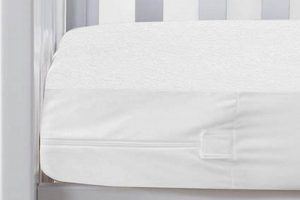
Design features can enhance or hinder cleanability. Padding with removable or zippered covers allows for independent cleaning of the outer layer, which is typically the most exposed to contaminants. Padding with intricate quilting or seams can trap dirt and debris, making thorough cleaning more difficult. Designs that prioritize smooth, accessible surfaces facilitate efficient cleaning procedures.
- Cleaning Product Compatibility
The choice of cleaning products must be compatible with the padding material to avoid damage or discoloration. Harsh chemicals or abrasive cleaners can degrade certain materials, compromising their integrity and safety. Mild, non-toxic cleaning agents are generally recommended to ensure effective cleaning without posing a risk to the infant’s health. Consulting the manufacturer’s instructions for recommended cleaning products is essential.
The cleanability attributes of crib mattress padding directly impact the hygiene and longevity of the sleep surface. Selecting materials and designs that facilitate easy and effective cleaning contributes significantly to maintaining a healthy environment for the infant, reducing the risk of exposure to allergens and pathogens. Neglecting these features can lead to increased maintenance efforts and potential health risks, highlighting the importance of prioritizing cleanability in the selection process.
7. Safety Certifications

Safety certifications for crib mattress padding serve as independent verification that products meet established standards for chemical emissions, flammability, and overall safety. The absence of such certifications introduces potential risks, as manufacturers are not obligated to adhere to specific safety criteria. For example, padding lacking a GREENGUARD Gold certification may release volatile organic compounds (VOCs), potentially impacting infant respiratory health. This creates a direct cause-and-effect relationship between the certification and a reduced risk of exposure to harmful chemicals. Understanding the practical significance of these certifications enables informed purchasing decisions that prioritize infant well-being.
Specific examples of relevant certifications include CertiPUR-US for foam components, ensuring low VOC emissions and the absence of certain harmful substances, and OEKO-TEX Standard 100, which tests for harmful substances in textiles. Flammability standards, such as those mandated by the Consumer Product Safety Commission (CPSC), dictate that crib mattresses and related padding must meet specific requirements to minimize fire hazards. Compliance with these standards reduces the risk of rapid flame spread in the event of a fire. Real-world consequences of non-compliance can include increased exposure to toxic chemicals, heightened fire risks, and potential health complications for infants.
In summary, safety certifications provide a crucial layer of assurance regarding the safety and quality of crib mattress padding. Reliance on certified products mitigates potential risks associated with harmful chemicals and fire hazards, directly contributing to a safer sleep environment for infants. Challenges lie in navigating the array of available certifications and understanding their specific criteria. However, prioritizing products with recognized and relevant safety certifications remains paramount in promoting infant health and well-being, linking directly to the broader theme of responsible infant care.
Frequently Asked Questions
The following addresses common inquiries regarding the selection, use, and maintenance of material placed atop a crib mattress. Understanding these aspects is essential for ensuring infant safety and optimizing the sleep environment.
Question 1: What constitutes appropriate thickness for crib mattress padding?
Crib mattress padding should not exceed a thickness that compromises the firmness of the underlying mattress. Overly thick padding can create an indentation, increasing the risk of suffocation. A thin layer designed primarily for hygiene or minor comfort enhancement is generally preferable.
Question 2: How often should crib mattress padding be replaced?
Crib mattress padding should be replaced immediately if signs of wear, tear, or damage are observed. Regular inspection is crucial. Even without visible damage, replacement every one to two years is recommended to ensure hygiene and maintain optimal performance.
Question 3: Can waterproof crib mattress padding be safely used?
Waterproof crib mattress padding can be safely used, provided it is also breathable. Non-breathable waterproof layers can trap heat and moisture, increasing the risk of overheating. Opt for padding with a waterproof layer that allows for adequate air circulation.
Question 4: Are there specific certifications to look for when purchasing crib mattress padding?
Certifications such as GREENGUARD Gold and CertiPUR-US indicate that the padding has been tested for harmful chemicals and VOC emissions. These certifications provide assurance of product safety and are valuable indicators of quality.
Question 5: How should crib mattress padding be cleaned?
Crib mattress padding should be cleaned according to the manufacturer’s instructions. Generally, mild, non-toxic cleaning agents are recommended. Harsh chemicals or abrasive cleaners should be avoided, as they can damage the material and potentially harm the infant.
Question 6: Is it necessary to use crib mattress padding?
While not strictly necessary, crib mattress padding can enhance hygiene, protect the mattress from spills, and provide a minor increase in comfort. The decision to use padding is a matter of personal preference, provided that all safety guidelines regarding firmness and fit are strictly adhered to.
Understanding these key aspects of crib mattress padding promotes responsible decision-making, ensuring a safe and healthy sleep environment for the infant.
The subsequent sections address compliance, warranty, and maintenance issues in the selection and acquisition of “crib mattress padding”.
crib mattress padding
This exploration has emphasized critical factors related to material placed atop crib mattresses. From material composition and firmness conformity to size accuracy, breathability, cleanability, and adherence to safety certifications, each aspect directly influences the safety, hygiene, and overall well-being of the infant within the sleep environment. Comprehensive consideration of these elements is paramount in creating a secure and healthy setting.
The selection of safe and appropriate crib mattress padding is not merely a matter of preference but a responsibility that demands careful attention. Prioritizing certified, well-constructed, and properly maintained products contributes directly to reducing risks and promoting optimal infant health. Continued awareness and adherence to established safety guidelines are essential in ensuring the continued well-being of infants during sleep.
![Best Organic Crib Mattress Protector [Safe Sleep] | Organic & Natural Mattress Buyer’s Guide: Non-Toxic Sleep Solutions](https://mattressworldpa.com/wp-content/uploads/2025/07/th-1363-300x200.jpg "Best Organic Crib Mattress Protector [Safe Sleep] Organic & Natural Mattress Buyer’s Guide: Non-Toxic Sleep Solutions")