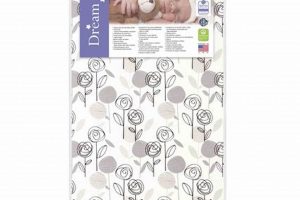
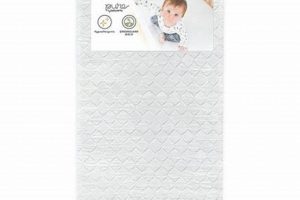
A fundamental aspect of infant care, ensuring a secure sleep environment through compliant design and material selection. This involves rigorous testing standards and adherence to established guidelines that mitigate potential hazards during a child’s early development. For example, meeting specific firmness requirements and avoiding harmful chemicals are vital components.
Proper sleep surface selection is critical for minimizing the risk of Sudden Infant Death Syndrome (SIDS) and other sleep-related incidents. Throughout history, advancements in manufacturing and research have led to increasingly safer products. These improvements offer parents peace of mind and contribute to a healthier start for their children. Adherence to current standards provides confidence in product integrity.
The following sections will delve into specific considerations related to construction materials, firmness levels, size compatibility with standard cribs, and the role of third-party certifications in guaranteeing a protected sleeping space for infants. Furthermore, the discussion will encompass cleaning protocols and long-term maintenance to ensure ongoing security and hygiene.
Essential Considerations
This section outlines several crucial aspects for establishing a secure infant sleep environment. These are designed to aid understanding and promote informed decision-making.
Tip 1: Confirm Firmness: Verify that the sleep surface is sufficiently rigid. A firm structure reduces the likelihood of suffocation and provides proper support for the developing skeletal system. The surface should not easily conform to the shape of an infant’s head.
Tip 2: Ensure Proper Fit: Verify that the dimensions are perfectly aligned with the inner dimensions of the crib frame. Gaps between the edges and the frame can pose a hazard. Adhere to standardized size specifications to prevent entrapment.
Tip 3: Review Material Composition: Scrutinize materials for the presence of harmful chemicals. Opt for products certified to be free of phthalates, lead, and other toxic substances. Prioritize certifications from reputable third-party organizations.
Tip 4: Maintain Cleanliness: Regularly clean the surface with mild soap and water. This reduces the build-up of bacteria and allergens. Ensure it is completely dry before placing it back in the crib.
Tip 5: Inspect for Damage: Conduct routine inspections for tears, cracks, or indentations. Discontinue use if any damage is detected. Compromised integrity can lead to safety issues.
Tip 6: Use a Fitted Sheet: Employ a tightly fitted sheet designed explicitly for crib use. Loose bedding can pose a suffocation risk. Ensure the sheet is properly secured and free of wrinkles.
These recommendations highlight some considerations that can contribute significantly to protecting infants during sleep. Prudent choices and diligent maintenance play a crucial role in mitigating potential risks.
The following section will focus on available certifications and resources for further guidance.
1. Firmness

Firmness constitutes a cornerstone of infant sleeping surface security. Inadequate rigidity directly correlates with increased risk of Sudden Infant Death Syndrome (SIDS) and suffocation. A soft surface can conform to the infant’s face, obstructing airways and impeding respiration. This poses a grave threat, particularly for newborns who lack the motor skills to reposition themselves.
Appropriate firmness provides necessary support for the infant’s developing skeletal structure. It prevents the infant from sinking into the surface, which can contribute to positional asphyxia. For instance, a study published in the Journal of Pediatrics demonstrated a significant reduction in SIDS cases when infants were placed on firm mattresses. This underscores the importance of selecting a model that meets or exceeds established firmness standards. The Consumer Product Safety Commission (CPSC) mandates specific firmness requirements to minimize associated hazards, highlighting its significance.
In summary, optimal firmness is not merely a comfort factor; it is a critical safety parameter. It directly impacts an infant’s ability to breathe freely and maintain a safe sleep position. Prioritizing this aspect ensures a secure sleep environment, mitigating potential risks and promoting healthy development. Awareness of these associations is fundamental for informed purchasing decisions.
2. Fit

Dimensional congruity between the infant sleep surface and the crib frame is paramount for ensuring safety. Improper fit introduces potential hazards that compromise the integrity of the sleep environment. Attention to precise measurements is therefore essential.
- Gap Formation
Gaps exceeding specified dimensions between the perimeter of the sleep surface and the crib sidewalls present entrapment risks. Infants may become wedged in these spaces, leading to suffocation or injury. Standard crib dimensions are established to mitigate this hazard, and products must adhere to these specifications.
- Compression Hazards
If the sleep surface is excessively large for the crib, forced installation may lead to compression and deformation of the product. This compromises its structural integrity and intended firmness, increasing the risk of suffocation or positional asphyxia. Proper sizing ensures the maintenance of designed safety features.
- Sheet Compatibility
Accurate fit extends to the use of appropriate bedding. Oversized or improperly fitted sheets can become dislodged, creating loose fabric that poses a strangulation risk. Conversely, undersized sheets may not adequately secure the sleep surface, compromising its stability. Sheet dimensions must correspond to the sleep surface dimensions to ensure a secure fit.
- Structural Stability
Precise dimensional matching contributes to the overall structural stability of the crib assembly. A properly fitted sleep surface provides essential support to the crib frame, preventing warping or collapse. This stability is crucial for maintaining a safe and secure sleep environment.
The dimensional relationship between the infant sleep surface and the crib frame directly impacts the safety and integrity of the sleep environment. Adherence to standardized dimensions and diligent verification of product compatibility are essential components of infant care.
3. Materials

Material composition represents a critical determinant of infant sleeping surface security. The specific substances employed in construction directly influence aspects ranging from chemical exposure to flammability, impacting overall infant well-being.
- Foam Density and Composition
The density and chemical makeup of foam used within the sleep surface affect firmness, support, and off-gassing potential. Low-density foams may lack adequate support, increasing suffocation risk. Furthermore, some foams contain volatile organic compounds (VOCs) that can release into the air, potentially impacting infant respiratory health. Manufacturers should disclose foam composition and provide certifications indicating low VOC emissions.
- Flame Retardants
Flame retardant chemicals are frequently added to infant sleep products to reduce flammability. While intended to enhance fire resistance, certain flame retardants have been linked to adverse health effects, including endocrine disruption and developmental problems. Prioritizing products that meet flammability standards without the use of harmful chemical additives is essential. Look for certifications that verify flame retardant content and safety.
- Waterproofing and Coverings
Waterproof or water-resistant coverings are commonly used to protect the inner core from moisture and spills. However, some waterproof materials may contain phthalates or PVC, which are known to leach harmful chemicals. Opting for coverings made from polyethylene or other phthalate-free materials minimizes potential chemical exposure. Breathable coverings can also enhance airflow and reduce the risk of overheating.
- Adhesives and Binding Agents
Adhesives used to bond different layers of the sleep surface may contain formaldehyde or other volatile compounds. These substances can off-gas, potentially irritating an infant’s respiratory system. Selecting products that utilize low-VOC or formaldehyde-free adhesives minimizes exposure risks. Certifications such as GREENGUARD Gold indicate that a product meets strict emissions standards.
The selection of materials for infant sleeping surfaces necessitates careful consideration of both safety and potential health impacts. Prioritizing products that utilize non-toxic, low-emission materials and adhere to rigorous safety standards is crucial for establishing a healthy sleep environment. Manufacturers’ transparency regarding material composition and independent certifications play a vital role in informed decision-making.
4. Cleanliness

Maintaining a sanitary sleep environment for infants is essential for mitigating potential health risks. The sleep surface, in particular, warrants diligent attention due to its direct and prolonged contact with the infant. Regular and appropriate cleaning protocols form a cornerstone of preventive care.
- Microbial Growth Control
Infant sleep surfaces are susceptible to the accumulation of bodily fluids, including saliva, regurgitation, and urine. These substances provide a breeding ground for bacteria, fungi, and other microorganisms. Uncontrolled microbial growth can lead to skin irritations, allergic reactions, and potentially more serious infections. Regular cleaning with appropriate disinfectants inhibits microbial proliferation and promotes a healthier sleep environment.
- Allergen Reduction
Dust mites, pet dander, and mold spores are common allergens that can accumulate on infant sleep surfaces. Exposure to these allergens can trigger respiratory problems, skin rashes, and other allergic reactions. Routine cleaning, including vacuuming and washing the surface with hypoallergenic detergents, reduces allergen levels and minimizes the risk of sensitization and allergic responses.
- Chemical Residue Removal
Cleaning agents themselves can leave behind potentially harmful chemical residues. It is imperative to use mild, non-toxic cleaning solutions specifically formulated for infant products. Thorough rinsing after cleaning is crucial to remove any residual cleaning agents that could irritate an infant’s sensitive skin or respiratory system. Avoid harsh chemicals, bleach, and abrasive cleaners.
- Preventing Cross-Contamination
When changing soiled diapers or addressing other hygiene needs, the sleep surface can become inadvertently contaminated. Implementing strict hygiene practices, such as using a dedicated changing pad and thoroughly cleaning the sleep surface after each diaper change, prevents cross-contamination and reduces the spread of harmful bacteria. Regular laundering of bedding, including sheets and mattress protectors, is also essential.
In summary, maintaining the cleanliness of infant sleep surfaces constitutes a fundamental aspect of preventive healthcare. Consistent adherence to recommended cleaning protocols minimizes microbial growth, reduces allergen exposure, removes chemical residues, and prevents cross-contamination, thereby contributing significantly to a safe and hygienic sleep environment for infants.
5. Durability
Longevity of an infant’s sleep surface directly correlates with its continued ability to provide a secure and supportive environment. Degradation over time can compromise essential safety features, rendering the product unsuitable for continued use.
- Structural Integrity Under Load
Repeated compression from an infant’s weight, coupled with movement, can cause internal breakdown of the sleep surface’s core. This breakdown manifests as sagging, unevenness, or loss of firmness. Such degradation compromises the intended level of support, potentially increasing the risk of positional asphyxia or discomfort. For instance, a sleep surface designed to withstand daily use for several years should maintain its shape and support characteristics without significant deformation.
- Resistance to Wear and Tear
The outer covering must withstand routine cleaning, accidental spills, and general wear from infant activity. Tears, punctures, or seam failures compromise the hygienic barrier, allowing fluids to penetrate the inner core. This not only fosters microbial growth but can also degrade the internal materials. A durable, tightly woven covering that resists abrasion and remains intact under normal use conditions is essential.
- Material Degradation Over Time
Exposure to environmental factors such as humidity and temperature fluctuations can accelerate material degradation. Foam can become brittle, lose elasticity, or off-gas harmful chemicals. Springs can lose tension, affecting support. Natural fibers can break down, diminishing their ability to wick moisture. A durable design incorporates materials resistant to these environmental stressors, ensuring long-term stability and safety.
- Seam and Stitching Strength
Seams and stitching represent critical points of potential failure. Weak or poorly constructed seams can unravel, creating openings that pose entrapment hazards. Robust stitching that withstands repeated stress and tension is crucial for maintaining the integrity of the sleep surface. Regular inspection of seams and stitching for signs of wear or fraying is essential for detecting potential safety compromises.
These factors collectively emphasize that the sustained ability to perform its intended function directly relates to infant well-being. A sleep surface that fails to maintain its structural integrity, resist wear, or withstand environmental stressors poses a risk to the infant’s comfort and safety. Therefore, durability is not merely a measure of product lifespan but an essential element of ensuring a secure sleep environment.
6. Sheet

The selection and proper utilization of fitted sheets directly influence sleeping surface security. Inappropriate sheets introduce hazards that undermine otherwise safe sleeping arrangements. Sheet characteristics and their interaction with the underlying sleep surface constitute a significant component of an infant’s sleep environment.
A primary concern involves fit. Oversized sheets can become dislodged, creating loose folds that present a suffocation or entanglement risk. Conversely, undersized sheets may inadequately secure the sleep surface, increasing the risk of the sheet detaching entirely and exposing the infant to a potentially unsanitary or uncomfortable surface. Tightly fitted sheets, specifically designed for standard dimensions, mitigate these hazards by maintaining a smooth, secure surface. Material composition also plays a crucial role. Breathable fabrics, such as cotton, promote airflow and reduce the risk of overheating. Non-breathable materials can trap heat and moisture, creating an environment conducive to skin irritation and discomfort. Furthermore, certain sheet materials may contain chemicals or dyes that can cause allergic reactions in sensitive infants. Real-life examples highlight the importance of sheet selection: Instances of infants becoming entangled in loose sheets have resulted in serious injury or death, underscoring the critical need for proper fit and secure attachment.
Therefore, choosing a sheet that conforms precisely to the sleep surface dimensions, is constructed from breathable, non-toxic materials, and is securely fastened is paramount for promoting infant welfare. Careful consideration of these factors minimizes potential hazards and contributes to a safer and more comfortable sleep environment. Regulatory standards and recommendations emphasize the significance of fitted sheets as integral components of overall sleeping surface security. Consistent adherence to best practices regarding sheet selection and usage contributes significantly to reducing the risk of sleep-related incidents.
7. Certifications
Independent verification of safety standards provides essential assurances regarding product integrity. Third-party certifications offer consumers an objective assessment of construction, materials, and performance, augmenting manufacturer claims.
- GREENGUARD Gold Certification
This certification focuses on chemical emissions and indoor air quality. Products bearing this mark have been tested and verified to have low chemical emissions, including volatile organic compounds (VOCs), phthalates, and formaldehyde. This is significant as infants are particularly vulnerable to the effects of chemical exposure. Examples include reducing the risk of respiratory irritation and minimizing potential long-term health effects associated with VOC exposure.
- JPMA Certification (Juvenile Products Manufacturers Association)
JPMA certification signifies that a product meets or exceeds safety standards established by ASTM International (formerly the American Society for Testing and Materials). This encompasses a range of safety requirements, including structural integrity, flammability, and absence of hazardous materials. The JPMA mark indicates that the product has undergone rigorous testing and is compliant with established safety benchmarks.
- CertiPUR-US Certification
This certification applies specifically to flexible polyurethane foam. It verifies that the foam has been tested and meets standards for content, emissions, and durability. CertiPUR-US certified foams are made without ozone depleters, PBDE flame retardants, mercury, lead, and other heavy metals. They also have low VOC emissions. Choosing a sleep surface with CertiPUR-US certified foam minimizes potential exposure to harmful chemicals commonly found in conventional foam products.
- Oeko-Tex Standard 100 Certification
This certification assures that every component of a product, from the fabric to the thread and accessories, has been tested for harmful substances and is harmless to human health. It encompasses a wide range of regulated and non-regulated substances that may be detrimental. Products with the Oeko-Tex Standard 100 label provide assurance that they are free from potentially allergenic or irritating chemicals.
These certifications collectively contribute to enhancing infant sleeping surface security. By providing independent verification of safety standards, they empower consumers to make informed decisions and select products that prioritize infant well-being. Reliance on certified products represents a proactive approach to mitigating potential hazards and promoting a safer sleep environment.
Frequently Asked Questions
The following elucidates common inquiries regarding infant sleep surface security. Each question addresses critical aspects of product selection, usage, and maintenance, providing clarity on best practices.
Question 1: What firmness level is recommended?
A firm surface is recommended to minimize the risk of Sudden Infant Death Syndrome (SIDS) and suffocation. The surface should not easily conform to the shape of an infant’s head. Products should comply with established firmness standards as set by regulatory bodies.
Question 2: How crucial is the fit within the crib frame?
Precise fit is essential. Gaps between the edges and the crib frame can pose an entrapment hazard. Products must adhere to standardized size specifications to prevent infants from becoming wedged in the space.
Question 3: Which materials are considered safest?
Materials should be non-toxic and free from harmful chemicals. Opt for products certified to be free of phthalates, lead, flame retardants, and volatile organic compounds (VOCs). Prioritize certifications from reputable third-party organizations.
Question 4: How frequently should the sleeping surface be cleaned?
Regular cleaning is necessary to reduce the buildup of bacteria and allergens. Clean with mild soap and water, ensuring thorough drying before reuse. Frequency depends on usage and potential for spills or soiling.
Question 5: When should a product be replaced?
It should be replaced if any damage is detected, such as tears, cracks, or indentations. Compromised structural integrity can lead to safety issues. Additionally, if the product no longer meets established safety standards, replacement is warranted.
Question 6: Are specialized sheets necessary?
Yes, tightly fitted sheets designed specifically for crib use are required. Loose bedding can pose a suffocation risk. Ensure the sheet is properly secured and free of wrinkles.
These responses emphasize the importance of informed decision-making regarding infant sleep environments. Adherence to recommended practices contributes significantly to mitigating potential hazards.
The subsequent section will offer a comprehensive checklist for evaluating products and ensuring overall security.
Crib Mattress Safety
This exploration has detailed various facets of infant sleeping surface integrity, underscoring the critical interplay of firmness, fit, materials, cleanliness, durability, sheet selection, and independent certifications. Adherence to established standards and guidelines is paramount for mitigating potential hazards associated with infant sleep. Parents and caregivers must prioritize these considerations when selecting and maintaining a safe sleep environment.
The ultimate objective is to minimize risks and foster healthy development. Continuous vigilance and informed decision-making are imperative to safeguard the most vulnerable during their formative stages. Investing in appropriate products and remaining informed on evolving safety standards represents a commitment to infant well-being, contributing to a future where sleep-related incidents are significantly reduced.
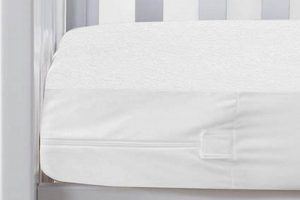

![Best Organic Crib Mattress Protector [Safe Sleep] | Organic & Natural Mattress Buyer’s Guide: Non-Toxic Sleep Solutions](https://mattressworldpa.com/wp-content/uploads/2025/07/th-1363-300x200.jpg "Best Organic Crib Mattress Protector [Safe Sleep] Organic & Natural Mattress Buyer’s Guide: Non-Toxic Sleep Solutions")