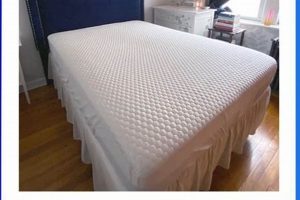
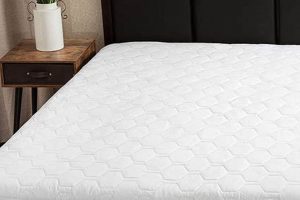
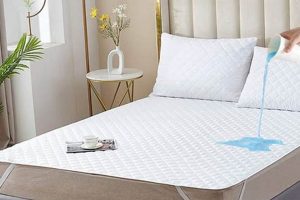
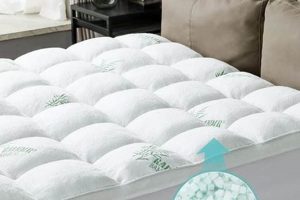
The distinction lies primarily in function and construction. One is designed to enhance sleep comfort, providing an extra layer of cushioning. These often contain materials such as memory foam, down alternatives, or fiberfill. Conversely, the other offers a barrier against spills, stains, dust mites, and allergens, typically constructed from waterproof or water-resistant materials like polyurethane or vinyl, sometimes laminated to a fabric layer.
Understanding this functional divergence is crucial for maintaining a healthy sleep environment and extending the lifespan of a mattress. Selecting the appropriate item safeguards against potential damage from liquids and allergens, thereby preventing the need for premature replacement. This ultimately represents a cost-effective approach to bed maintenance and hygiene. Historically, simpler versions served basic sanitation needs, but technological advancements have broadened their capabilities.
The following sections will further elaborate on the specific features, benefits, and drawbacks of each product, aiding in informed decision-making based on individual needs and priorities. Considerations will include material composition, care instructions, and impact on the overall sleep experience.
Selecting the correct bedding accessory requires careful consideration of individual needs and priorities. These tips offer guidance in differentiating between available options and making informed decisions.
Tip 1: Assess Protection Needs: Determine the level of protection required. Households with children or pets may prioritize waterproof features, while allergy sufferers may seek hypoallergenic materials. The extent of protection required influences the choice significantly.
Tip 2: Evaluate Comfort Preferences: If enhanced comfort is the primary goal, explore options offering additional cushioning. Materials like memory foam or down alternatives can significantly impact sleep quality, providing pressure relief and improved support.
Tip 3: Consider Material Composition: Carefully examine the materials used in construction. Breathable fabrics such as cotton or bamboo promote airflow, preventing overheating. Synthetic materials may offer superior waterproofing but could compromise breathability.
Tip 4: Review Care Instructions: Understanding care requirements is crucial for maintaining hygiene and prolonging the lifespan. Check whether the item is machine washable and dryer-safe, simplifying maintenance routines. Some materials may require professional cleaning.
Tip 5: Check for Secure Fit: Ensure the chosen product fits the mattress securely to prevent shifting during sleep. Deep-pocket designs accommodate thicker mattresses, while elasticized edges provide a snug fit. A loose fit compromises both comfort and protection.
Tip 6: Understand Warranty Terms: Review the warranty offered by the manufacturer. A comprehensive warranty indicates confidence in product quality and durability, providing recourse in case of defects or premature wear.
These considerations are pivotal in selecting the optimal accessory for mattress care. Careful evaluation ensures a balance between protection, comfort, and ease of maintenance.
Ultimately, informed selection contributes to a healthier sleep environment and prolonged mattress lifespan. The subsequent section will conclude the discussion with final recommendations and resources for further research.
1. Cushioning vs. Barrier

The dichotomy between cushioning and barrier defines the fundamental difference. A mattress pad serves to augment the comfort level of a sleep surface through added layers of padding. This extra layer can be constructed from materials like memory foam, latex, or down alternatives, which conform to the body and distribute weight, thereby reducing pressure points. For example, an individual experiencing back pain might opt for a memory foam mattress pad to alleviate discomfort. In contrast, a mattress protector functions primarily as a shield against external elements such as liquids, dust mites, and allergens. These protectors typically employ waterproof or water-resistant materials to prevent penetration and contamination of the mattress core. Someone with allergies, for instance, would benefit from a mattress protector designed to prevent dust mite accumulation within the mattress fibers. Therefore, the selection depends on whether the priority is enhanced comfort or robust protection.
Understanding this distinction is crucial for effective bed maintenance and hygiene. While a mattress pad can improve sleep quality by providing a softer or more supportive surface, it offers minimal defense against spills or allergens. Conversely, a mattress protector safeguards the integrity of the mattress itself, preventing stains, odors, and the proliferation of allergens, but it does not inherently alter the feel or comfort of the sleep surface. A practical illustration is the scenario of a beverage spill on a bed. A mattress pad might absorb the liquid, leading to staining and potential mold growth within the pad, while a mattress protector would prevent the liquid from reaching the mattress, simplifying cleanup and preserving the mattress’s condition. The effect of “Cushioning vs Barrier” on the performance of each item will therefore shape user choice.
In summary, the core difference lies in the prioritized function: enhanced comfort through cushioning versus preventative maintenance through barrier protection. Choosing the appropriate product necessitates evaluating individual needs and considering the specific benefits each offers. While both can contribute to a more satisfactory sleep experience, their primary roles are distinct and should be considered independently. The value of this understanding lies in facilitating informed purchasing decisions, optimizing both sleep quality and the longevity of the mattress investment.
2. Thickness and Material

Thickness and material composition constitute critical differentiating factors, influencing both the functional performance and intended purpose. Variations in these attributes directly affect the level of comfort, protection, and durability afforded by each type of bedding accessory.
- Pad Thickness and Comfort
Mattress pads often feature substantial thickness, ranging from one to several inches, designed to augment the existing mattress’s comfort level. This thickness allows for the incorporation of materials such as memory foam, down alternatives, or quilted cotton, which contribute to pressure relief and enhanced support. The greater the thickness, typically the more pronounced the effect on the sleep surface’s feel. However, excessive thickness may alter the mattress’s intended support characteristics, potentially leading to misalignment or discomfort.
- Protector Material and Functionality
In contrast, mattress protectors typically prioritize a low profile to maintain the original feel of the mattress. Materials are selected for their protective qualities, often incorporating waterproof or water-resistant membranes laminated to a fabric backing. While some protectors include a thin layer of padding for added comfort, the primary focus remains on preventing liquids, allergens, and dust mites from penetrating the mattress. Material choices often dictate the level of breathability and potential for noise generation (e.g., crinkling sounds with certain plastic-based protectors).
- Material Breathability and Temperature Regulation
The materials’ breathability significantly impacts temperature regulation during sleep. Breathable fabrics like cotton, bamboo, or specialized performance knits promote airflow, reducing heat buildup and minimizing the risk of overheating. Conversely, less breathable materials, such as vinyl or tightly woven synthetics, can trap heat and moisture, leading to discomfort. Mattress pads often incorporate cooling technologies or breathable materials to mitigate this issue, while protectors must balance waterproof qualities with adequate breathability.
- Durability and Longevity
Thickness and material composition influence the product’s overall durability and lifespan. Higher-quality materials, such as densely woven fabrics and durable waterproofing membranes, withstand repeated washing and use, maintaining their protective and comfort properties over time. Thicker mattress pads with robust construction are less prone to compression or flattening, preserving their cushioning effect. Conversely, thinner, lower-quality protectors may tear or delaminate with frequent washing, compromising their protective function.
In conclusion, the interplay between thickness and material defines the distinction. Mattress pads leverage thickness and specialized materials to enhance comfort, while mattress protectors prioritize thin, functional materials to provide an impermeable barrier. Understanding these relationships is paramount for selecting the appropriate product based on individual priorities and needs. The choice of material is not only about comfort and protection but also about longevity and ongoing performance.
3. Water Resistance Level

The capacity to repel liquids is a primary differentiator, profoundly affecting their utility and suitability for specific needs. Variations in the water resistance level dictate the degree of protection afforded to the underlying mattress, influencing its longevity and hygiene.
- Waterproof vs. Water-Resistant Materials
Protectors typically employ waterproof materials such as polyurethane or vinyl, creating an impermeable barrier. This prevents liquids from penetrating the mattress, crucial in scenarios involving spills, incontinence, or excessive perspiration. Pads, conversely, may utilize water-resistant treatments, offering limited protection against light spills but not against sustained exposure. A waterproof protector ensures complete protection against liquid damage, while a water-resistant pad only delays absorption.
- Construction and Seam Sealing
The effectiveness of water resistance depends not only on the material but also on the construction and seam sealing. A protector with poorly sealed seams provides entry points for liquids, negating the benefits of a waterproof membrane. Some high-quality protectors incorporate reinforced seams and edge binding to enhance impermeability. Pads, lacking this primary protective function, rarely feature such construction details.
- Impact on Breathability
Increased water resistance often correlates with reduced breathability. Waterproof materials, while effective barriers, can impede airflow, potentially leading to heat buildup and discomfort during sleep. Water-resistant treatments generally allow for better breathability but offer less robust protection. This trade-off necessitates careful consideration based on individual comfort preferences and protection requirements. The balance between protection and breathability affects the overall sleep environment.
- Cleaning and Maintenance Implications
Waterproof protectors are generally easier to clean, as liquids remain on the surface and can be wiped away. Water-resistant pads may require more thorough cleaning to remove absorbed liquids, potentially impacting the material’s integrity over time. The ease of cleaning and maintenance contributes to the long-term hygiene and usability of the bedding accessory.
The “Water Resistance Level” dictates their functional roles and suitability. Protectors prioritize impermeability to safeguard the mattress, while pads balance limited water resistance with comfort and breathability. The choice depends on the specific protection needs and the willingness to compromise on other factors such as breathability and cleaning ease.
4. Allergen Protection Scope

The extent of allergen protection offered constitutes a significant point of differentiation. Mattress protectors are specifically engineered to create a barrier against allergens such as dust mites, pet dander, and pollen. These allergens can accumulate within mattress fibers, triggering allergic reactions and respiratory issues. Mattress protectors, typically constructed with tightly woven fabrics and sometimes featuring hypoallergenic fills, prevent these allergens from penetrating the mattress. This protection is vital for individuals with allergies or asthma, promoting a healthier sleep environment. Mattress pads, while potentially offering some degree of allergen resistance depending on their materials, primarily focus on comfort and cushioning rather than dedicated allergen blocking.
The effectiveness of allergen protection hinges on several factors, including the fabric’s pore size, the presence of hypoallergenic treatments, and the overall construction. High-quality mattress protectors employ fabrics with extremely small pore sizes, effectively blocking even microscopic allergens. Some protectors are treated with antimicrobial agents to further inhibit the growth of bacteria and fungi, which can exacerbate allergies. The practical significance of this level of protection is evident in the reduced frequency and severity of allergic symptoms experienced by users. For instance, an individual who previously woke up with a stuffy nose and itchy eyes due to dust mite allergens may experience significant relief upon using a properly designed mattress protector.
In summary, the allergen protection scope clearly delineates their distinct purposes. While both contribute to a cleaner sleep environment, only the protector provides a dedicated barrier against allergens. Choosing requires careful consideration of individual allergy sensitivities and the level of protection deemed necessary. The understanding of “Allergen Protection Scope” emphasizes the importance of protectors for allergy management, and pads for comfort. Recognizing and addressing a specific allergy profile contributes to better health outcomes and overall sleep quality.
5. Comfort Enhancement Feature

The integration of comfort enhancement features is a primary differentiator between mattress pads and mattress protectors. Pads fundamentally aim to alter the feel of the sleep surface, adding layers of cushioning, support, or temperature regulation. This focus contrasts sharply with protectors, whose primary function is shielding the mattress. While some protectors might incorporate a thin layer of padding for minimal comfort, they do not significantly change the inherent characteristics of the mattress itself. The deliberate design intent to improve sleep comfort is a defining trait of the former, directly influencing material selection, construction techniques, and overall product architecture. For instance, a gel-infused memory foam pad addresses both comfort and temperature regulation by conforming to the body while dissipating heat, thus showcasing a specialized comfort enhancement feature.
The specific materials employed in pads contribute to their comfort-enhancing capabilities. Down alternatives offer a plush, enveloping feel, while latex provides responsive support and pressure relief. The quilting patterns and construction techniques employed also play a significant role. Deep quilting creates a more luxurious surface, while channel construction distributes fill evenly, preventing clumping and ensuring consistent comfort across the entire sleep area. In contrast, protectors typically prioritize a smooth, non-intrusive surface to avoid interfering with the underlying mattress’s comfort. They employ materials that are thin, breathable, and conformable, ensuring that the protector remains unnoticed during sleep. However, protectors are now emerging that features comfort enhancement with breathable material and ergonomic design.
The presence and type of comfort enhancement features decisively differentiate between mattress pads and mattress protectors. Pads are designed with an explicit goal of improving sleep comfort through added cushioning, support, or temperature regulation. Protectors, while providing essential protection, do not substantially alter the mattress’s feel. Understanding this distinction is crucial for consumers seeking to tailor their sleep experience. Selecting between the two depends on whether the primary objective is to safeguard the mattress or to enhance its comfort characteristics. These days, consumers are looking for the best of both worlds, protection and comfort. The market, then, is trying to combine these two purposes into one product.
6. Ease of Cleaning
The practicality of maintaining hygiene is a significant factor influencing consumer choice between a mattress pad and a mattress protector. Differing construction and materials lead to variations in cleaning procedures and frequency, thereby affecting long-term maintenance efforts.
- Material Composition and Washability
Mattress protectors, frequently constructed from waterproof or water-resistant materials like polyurethane or vinyl blends, generally offer simpler cleaning protocols. Surface spills can often be wiped clean with a damp cloth. Many protectors are also machine washable, allowing for regular sanitation. Mattress pads, with their thicker construction and absorbent fill materials, may require more intensive cleaning methods. While some pads are machine washable, others necessitate spot cleaning or professional laundering to prevent damage or shrinkage. The composition dictates the viable cleaning options.
- Frequency of Cleaning Requirements
Due to its protective function, a protector might require more frequent cleaning than a pad, especially in households with children, pets, or individuals prone to nighttime accidents. Regular wiping or washing of a protector can prevent stains, odors, and the accumulation of allergens. A pad, not directly exposed to spills, may only need cleaning periodically, unless visibly soiled. The extent of routine maintenance influences time commitment and resource expenditure.
- Drying Considerations
The drying process also differs significantly. Protectors, often made with quick-drying materials, can typically be tumble-dried on a low setting. Pads, however, may take longer to dry due to their thicker construction and absorbent fills. Improper drying can lead to mildew growth or damage to the fill material, necessitating careful attention to drying instructions. The time and energy requirements for drying contribute to the overall cleaning burden.
- Stain Removal Challenges
While protectors aim to prevent stains from reaching the mattress, pads may become stained if not cleaned promptly. Stain removal from a pad can be more challenging, often requiring specialized cleaning solutions and techniques. The porous nature of pad materials can trap stains, making complete removal difficult. Protectors, by preventing stains from setting, simplify cleaning and preserve the mattress’s appearance.
These differences in ease of cleaning underscore a fundamental distinction. Protectors prioritize simple maintenance to preserve hygiene, while pads, designed for comfort, may present more complex cleaning challenges. The choice hinges on individual lifestyle, cleaning preferences, and the perceived value of simplified maintenance versus enhanced comfort.
7. Mattress Longevity Impact

The influence on a mattress’s lifespan is a critical consideration when assessing the utility and value of these bedding accessories. The extent to which each contributes to or detracts from the longevity of the mattress underscores the importance of understanding their distinct functions.
- Protection Against Spills and Stains
Mattress protectors serve as a primary defense against liquid damage, preventing spills and stains from penetrating the mattress core. Unprotected mattresses readily absorb liquids, fostering mold growth, bacterial proliferation, and structural degradation. Protectors, by acting as an impermeable barrier, significantly mitigate these risks, extending the usable life of the mattress. Failure to protect against spills invariably leads to premature mattress replacement.
- Mitigation of Wear and Tear
Mattress pads, particularly those with supportive cushioning, can distribute weight more evenly across the sleep surface. This reduces concentrated pressure points, mitigating localized wear and tear. Over time, uneven weight distribution contributes to sagging and compression of mattress components. Pads can help to maintain the mattress’s structural integrity, prolonging its supportiveness and overall lifespan. Without even weight distribution, mattresses are prone to premature deformation.
- Allergen and Dust Mite Control
Mattress protectors create a barrier against allergens and dust mites, preventing their accumulation within the mattress fibers. Allergen buildup can lead to material degradation and compromise the mattress’s hygiene. Dust mites, in particular, thrive in mattresses and contribute to fiber breakdown. Protectors, by limiting allergen penetration, help to preserve the mattress’s cleanliness and extend its functional life. Uncontrolled allergen accumulation shortens the life of a mattress.
- Maintenance of Warranty Compliance
Many mattress warranties stipulate the use of a mattress protector to guard against stains and liquid damage. Failure to use a protector may void the warranty, leaving the owner financially responsible for repairs or replacement in the event of such damage. Adhering to warranty requirements is crucial for preserving consumer rights and maximizing the investment in a mattress. Using a Protector can maintain the validity of warranty.
The “Mattress Longevity Impact” is a crucial element differentiating them. Protectors safeguard against external threats, while pads contribute to even weight distribution, mitigating wear. A comprehensive understanding of these mechanisms empowers informed decision-making, ensuring optimal mattress preservation and long-term value. The decision to use either option affects the integrity and overall value of the mattress. The combined use of these options maximizes mattress longevity.
Frequently Asked Questions
The following addresses common inquiries regarding the distinctions and applications of mattress pads and mattress protectors.
Question 1: Are mattress pads and mattress protectors interchangeable?
No, these items serve distinct purposes. One is designed to enhance comfort, while the other provides a barrier against liquids and allergens. Interchanging them will not achieve both goals effectively.
Question 2: Will a mattress pad protect against bed bugs?
While some mattress pads may offer limited resistance, they are not primarily designed for bed bug protection. A mattress protector specifically labeled as bed bug-proof is necessary for effective prevention and containment.
Question 3: How often should a mattress protector be washed?
A mattress protector should be washed every one to two months, or more frequently if spills or accidents occur. Regular washing helps to maintain hygiene and prevent the buildup of allergens.
Question 4: Can a heated mattress pad be used with a mattress protector?
Yes, a heated mattress pad can typically be used with a mattress protector. However, it is crucial to ensure both items are compatible with the mattress and that all safety instructions are followed. The protector should not impede the heating pad’s functionality.
Question 5: What are the benefits of a hypoallergenic mattress protector?
Hypoallergenic protectors minimize exposure to dust mites, pet dander, and other allergens. This can significantly reduce allergy symptoms and improve sleep quality for sensitive individuals.
Question 6: Does using a mattress pad negate the need for a mattress protector?
No, a mattress pad enhances comfort but does not offer comprehensive protection against liquids, stains, or allergens. A mattress protector is still recommended to safeguard the mattress and maintain its warranty.
In summary, these items address distinct needs. Assess individual priorities to determine the appropriate choice, or consider using both for optimal mattress care and sleep quality.
The subsequent section will provide a comprehensive overview comparing available products and features.
Difference Between Mattress Pad and Mattress Protector
This exploration has delineated the functional distinctions between these two essential bedding accessories. One is designed to augment sleep comfort, offering additional cushioning and support. The other serves as a protective barrier, shielding the mattress from liquids, allergens, and other contaminants. Understanding these core differences is crucial for informed decision-making, ensuring optimal mattress care and extended lifespan.
Selecting the appropriate item, or a combination thereof, requires careful consideration of individual needs and priorities. Prioritizing protection necessitates a mattress protector, while enhanced comfort calls for a mattress pad. Ultimately, investing in the right combination contributes to a healthier sleep environment and preserves the integrity of the mattress, a significant investment in personal well-being and home furnishings.