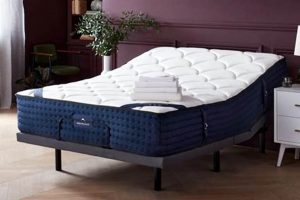
The question of whether these pests inhabit the internal structures of sleep surfaces is a common concern. While these insects are frequently found in close proximity to beds, their preferred habitats offer them harborage and easy access to a blood meal. These locations may or may not include the interior of a mattress itself.
Understanding the habits of these pests is crucial for effective control. Historically, mattresses were simpler in construction, offering fewer hiding places. Modern mattresses, however, with their complex layers and materials, can potentially provide a greater number of internal crevices and spaces suitable for infestation. Therefore, knowing the locations where these insects are most likely to reside aids in targeted treatment strategies, ultimately leading to more successful eradication.
This article will explore the common hiding places of these insects, the conditions that encourage their presence within mattresses, methods for detecting an infestation, and strategies for preventing and treating infestations. These measures will provide a comprehensive overview for addressing this issue.
Guidance on Infestations
The following recommendations address mitigating infestations and understanding the risks related to the location of these pests.
Tip 1: Inspect Seams and Crevices: Conduct thorough visual inspections of mattress seams, tufts, and folds. These areas provide ideal harborage for pests seeking shelter.
Tip 2: Monitor Box Springs: Examine the underside of box springs closely. Remove the dust cover to inspect the internal framework, as this area can also harbor these insects.
Tip 3: Use Mattress Encasements: Invest in high-quality, bed bug-proof mattress encasements. These encasements create a barrier, preventing pests from infesting the mattress and aiding in early detection.
Tip 4: Vacuum Regularly: Regularly vacuum the mattress surface, seams, and surrounding areas. This practice helps remove any visible pests or eggs and disrupts their life cycle.
Tip 5: Be Vigilant When Traveling: When traveling, inspect hotel mattresses before settling in. Keep luggage off the floor and away from beds to prevent transporting pests back home.
Tip 6: Consider Professional Inspection: If an infestation is suspected but difficult to confirm, consider a professional inspection. Trained professionals can identify infestations and recommend appropriate treatment options.
Tip 7: Heat Treatment Considerations: If utilizing heat treatment, ensure that the mattress reaches a sustained core temperature lethal to these pests. This method can effectively eradicate infestations, but requires careful execution.
Adhering to these guidelines promotes proactive management and minimizes the risk of significant infestation. Implementing these strategies facilitates early detection and targeted interventions.
The subsequent sections will detail effective strategies for addressing active infestations and preventing future occurrences.
1. Harborage

Harborage, in the context of these pests and mattresses, refers to the suitability of a location for providing shelter and protection, essential for their survival and propagation. The extent to which a mattress offers viable harborage directly influences the likelihood of infestation and the severity thereof.
- Seam and Crevice Density
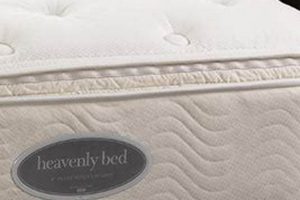
The density of seams, tufts, and crevices on a mattress significantly impacts its potential as harborage. A higher density provides more concealed areas for these insects to hide, lay eggs, and avoid detection. Mattresses with intricate designs are, therefore, more susceptible to internal infestation.
- Material Composition
The materials used in mattress construction play a role in harborage. Porous materials, like certain types of foam, offer more opportunities for these insects to burrow and establish themselves within the mattress core, as opposed to tightly woven fabrics that offer less penetration.
- Proximity to Feeding Source
A mattress’s primary function places it in immediate proximity to a readily available feeding source: humans. This proximity enhances its appeal as harborage, as these insects prioritize locations offering easy access to blood meals. The closer they are to their food source, the less energy they expend.
- Disturbance Levels
Locations within a mattress that experience minimal disturbance are more attractive as harborage. Areas deep within the mattress core or underneath the box spring are less likely to be disrupted by cleaning or human activity, making them ideal locations for establishing colonies.
The interplay of these factors determines the degree to which a mattress provides adequate harborage, directly influencing the likelihood that they will not only reside on the surface but also establish themselves within the inner layers, making eradication more challenging and requiring more thorough and targeted treatment strategies.
2. Mattress Construction

Mattress construction is a critical determinant in the potential for these pests to inhabit the interior. The design and materials directly influence the availability of harborage and the feasibility of infestation within its structure.
- Layer Composition
The arrangement of layers within a mattress, including materials such as foam, batting, and springs, creates potential pathways and hiding spots. Mattresses with multiple layers and varying densities offer a greater number of interstitial spaces where these insects can reside, lay eggs, and remain undisturbed. Complex layer composition facilitates deeper penetration and makes detection and treatment more challenging.
- Seam Integrity and Design
Seams, particularly those with loose stitching or poor construction, provide entry points into the mattress interior. These openings allow pests to bypass surface treatments and establish themselves within the inner layers. The design of the seams, whether folded, taped, or quilted, affects the degree to which they offer protection against penetration.
- Material Permeability
The permeability of mattress materials, especially the outer cover, dictates the ease with which these insects can access the interior. Highly permeable materials, such as loosely woven fabrics, allow for easier penetration compared to tightly woven, impermeable fabrics or those treated with protective coatings. The type of material directly influences the extent to which pests can establish a presence within the mattress core.
- Ventilation and Airflow
Mattress construction that promotes ventilation and a
irflow can indirectly influence infestation. While ventilation can help regulate temperature and humidity, it can also create pathways for these insects to move within the mattress. Conversely, tightly sealed mattresses may limit airflow, but also potentially restrict the movement and survival of these pests within the interior.
The interplay of layer composition, seam integrity, material permeability, and ventilation collectively defines the susceptibility of a mattress to internal infestation. A thorough understanding of these construction elements is essential for assessing risk and implementing effective prevention and treatment strategies.
3. Penetration Points

Penetration points represent vulnerabilities in the structure of a mattress that facilitate access to its interior. Understanding these points is crucial in determining the likelihood of pests establishing themselves within the mattress core.
- Seam Integrity
Seams, where different sections of the mattress fabric are joined, often serve as primary penetration points. Weak or poorly constructed seams provide gaps through which pests can enter. The density and quality of stitching directly correlate to the level of protection offered against infestation. Loosely stitched or frayed seams create opportunities for entry, increasing the probability of internal habitation.
- Ventilation Openings
Some mattresses incorporate ventilation openings to improve airflow and regulate temperature. While beneficial for comfort, these openings can also function as access points for pests. The size and location of these openings determine their susceptibility to infestation. Unscreened or inadequately sealed vents provide direct pathways to the mattress interior, allowing for the establishment of colonies within the core.
- Fabric Tears and Damage
Tears, rips, and other forms of damage to the mattress fabric compromise its protective barrier. These breaches create direct entry points, bypassing any surface treatments or tightly woven materials designed to prevent infestation. Even small tears can provide sufficient access for pests to establish a foothold within the mattress.
- Zippered Enclosures
Mattresses with zippered enclosures, particularly those with poorly constructed or damaged zippers, can present penetration points. Gaps or openings along the zipper line provide access to the mattress interior. The quality of the zipper and the tightness of the enclosure are critical factors in preventing pests from infiltrating the mattress core through this route.
The presence and condition of penetration points directly impact the potential for pests to reside within a mattress. Addressing these vulnerabilities through proactive measures, such as seam reinforcement, fabric repair, and secure enclosure systems, is essential for minimizing the risk of internal infestation and maintaining the integrity of the sleep surface.
4. Egg Deposition

The act of egg deposition is intrinsically linked to the potential for these pests to establish themselves within a mattress. The location where eggs are deposited directly impacts the sustainability and growth of an infestation. If oviposition occurs deep within the mattress structure, eradication becomes significantly more challenging due to the difficulty in reaching and eliminating the eggs before they hatch and perpetuate the life cycle. Mattress materials that offer protected crevices and seams are prime sites for egg laying. This placement ensures the eggs are shielded from surface-level treatments and physical disturbances, increasing their survival rate. Consequently, mattresses providing such harborage are more likely to harbor persistent and severe infestations.
Consider a scenario where a female lays her eggs within the batting layer of a mattress. These eggs, being relatively inaccessible, would likely survive routine cleaning efforts, such as vacuuming, which primarily target the surface. Upon hatching, the nymphs are then positioned advantageously, near a food source (the sleeping human) and shielded from potential threats. This strategic placement ensures a higher rate of survival to adulthood, leading to a rapid increase in population size. Similarly, eggs deposited along the inner seams of a mattress may evade detection during visual inspections and withstand the application of some contact insecticides, thus contributing to ongoing infestation cycles.
In summary, the internal deposition of eggs within mattresses is a critical factor driving the persistence and severity of infestations. This behavior highlights the importance of preventative measures, such as mattress encasements, and thorough treatment strategies that target not only adult insects but also their eggs, regardless of their location within the mattress structure. Failure to address the egg deposition aspect leaves the infestation capable of resurgence, even after seemingly successful eradication efforts.
5. Material Permeability
Material permeability directly influences the capacity of these pests to inhabit the internal structure of a mattress. Permeability, in this context, refers to the degree to which a material allows fluids or gases to pass through it. In the context of mattress construction, it dictates the ease with which these pests, and especially their nymphs, can penetrate the outer layers and establish themselves within the deeper core. High permeability provides unimpeded access, while low permeability acts as a barrier, hindering their ability to reach sheltered harborage and preferred egg-laying sites inside the mattress.
Consider two mattresses: one with a tightly woven, impermeable cover and another with a loosely woven, highly permeable cover. In the former, the tightly woven material restricts access, making it more difficult for these pests to reach the internal layers. Infestations are more likely to remain superficial and easier to detect and treat. Conversely, the latter mattress allows for easy passage, enabling these insects to burrow deep within the mattress, establishing colonies that are more difficult to detect and eradicate. The selection of mattress materials, therefore, presents a critical preventative measure. Fabrics with low permeability effectively create a barrier, reducing the likelihood of internal infestation and contributing to the overall manageability of any surface-level presence.
In conclusion, material permeability is a pivotal factor in determining whether or not these pests can effectively inhabit the interior of a mattress. Low permeability serves as a deterrent, limiting access and simplifying management, while high permeability facilitates penetration and creates conditions conducive to deep-seated infestations. Understanding this relationship emphasizes the importance of selecting mattresses with tightly woven, low-permeability covers as a primary strategy for preventing internal habitation and simplifying the control of these pests.
6. Treatment Efficacy

The effectiveness of any treatment regimen is inextricably linked to the question of whether these pests inhabit the interior of a mattress. Treatment strategies must account for the potential presence of these insects within the mattress structure to achieve successful eradication.
- Penetration Capability of Treatment Agents
The capacity of insecticides and other treatment agents to penetrate the various layers of a mattress is paramount. If these agents cannot reach the innermost harborage sites, any pests residing there will survive, leading to a resurgence of the infestation. For example, certain dust formulations may effectively target surface populations but fail to permeate densely packed batting material, leaving deeper colonies untouched. Therefore, the choice of treatment agent and its method of application must consider the mattress’s construction and potential harborage sites.
- Resistance and Refuge
Even when treatment agents can penetrate a mattress, the development of resistance within the population can undermine efficacy. These insects residing within the mattress’s core may be exposed to sublethal doses of insecticides, promoting the selection of resistant individuals. These survivors then repopulate the mattress and surrounding areas, necessitating the use of alternative treatment methods or higher concentrations of insecticides, potentially posing health and safety risks. The presence of a refuge within the mattress, where these pests are shielded from full exposure, contributes to the problem of resistance and requires adaptive treatment strategies.
- Egg Viability and Residual Effects
The treatment’s ability to eliminate eggs deposited within the mattress is a critical determinant of long-term efficacy. Many insecticides are ineffective against eggs, allowing them to hatch even after treatment. These newly hatched nymphs then re-establish the infestation. Residual insecticides, which remain active for an extended period, offer a potential solution by targeting newly hatched nymphs. However, their effectiveness depends on their ability to reach the egg-laying sites and maintain a lethal concentration over time. The presence of eggs within the mattress’s internal structure poses a significant challenge to successful eradication.
- Professional vs. DIY Approaches
The level of expertise and equipment available significantly impacts treatment efficacy. Professional pest control services possess specialized tools, such as heat treatment equipment and high-pressure sprayers, which can effectively reach and eliminate these pests within a mattress. DIY approaches, while often less expensive, may lack the necessary tools and expertise to thoroughly treat the mattress, leading to incomplete eradication and recurring infestations. The decision between professional and DIY treatment should consider the severity of the infestation, the construction of the mattress, and the potential for re-infestation.
In conclusion, the question of whether these pests reside inside a mattress profoundly influences the approach required for successful treatment. Achieving lasting eradication necessitates the selection of appropriate treatment agents, the effective penetration of those agents into the mattress’s core, the management of potential resistance, and the elimination of eggs. A comprehensive strategy, often involving professional expertise, is essential to address the challenges posed by infestations within the mattress structure.
Frequently Asked Questions
The following addresses common inquiries regarding bed bug presence within mattresses, providing clarity and guidance based on established knowledge.
Question 1: Are mattresses a primary habitat for bed bugs?
While these pests are frequently found near mattresses due to proximity to a food source, they may also inhabit other areas. The primary concern is harborage, which mattresses may provide dependent upon construction and condition.
Question 2: How can an infestation within a mattress be confirmed?
Visual inspection of seams, tufts, and crevices is essential. Dark spotting (fecal matter), shed skins, and live pests are indicators. Professional inspection employing trained canines or other detection methods can also be utilized.
Question 3: What mattress types are most susceptible to internal infestation?
Mattresses with complex internal structures, multiple layers, and porous materials are generally more susceptible. Seams and any tears or punctures in the fabric provide entry points and harborage.
Question 4: Can mattress encasements prevent existing infestations?
Mattress encasements primarily contain infestations and prevent new ones. They are most effective when applied to a clean mattress or after thorough treatment. The encasement traps existing pests and prevents re-infestation of the mattress core.
Question 5: What treatment methods are effective for infestations within mattresses?
Vacuuming, steam treatment, and insecticide application are common methods. However, thorough treatment of the entire mattress and surrounding area is crucial. Professional services often employ heat treatment for comprehensive eradication.
Question 6: Is disposal of an infested mattress necessary?
Disposal may be considered in severe cases, particularly if the infestation is extensive and difficult to control. However, thorough treatment and encasement are often viable alternatives. Proper disposal protocols, including wrapping the mattress in plastic, should be followed to prevent spread.
Understanding the intricacies of bed bug behavior and mattress construction aids in effective management and prevention.
The next section details practical prevention strategies to minimize the risk of infestation.
Conclusion
The preceding analysis confirms that the presence of these pests within the interior of a mattress is a distinct possibility, contingent upon a confluence of factors. Mattress construction, material permeability, harborage availability, and treatment efficacy all play pivotal roles. While these insects may not exclusively reside within mattresses, the internal structure can offer refuge, promote egg deposition, and ultimately complicate eradication efforts. A comprehensive understanding of these dynamics is therefore essential for effective pest management.
Given the potential for internal infestation, vigilance and proactive measures are paramount. Routine inspections, preventative encasements, and informed treatment strategies are crucial components of a responsible approach. Continued research and the development of innovative control methods remain vital in mitigating the ongoing threat posed by these persistent pests.