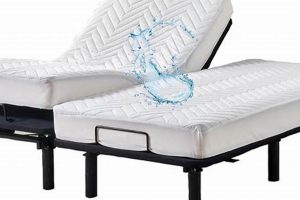
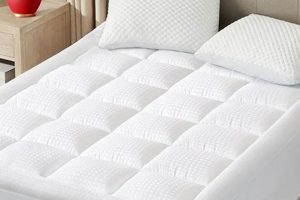
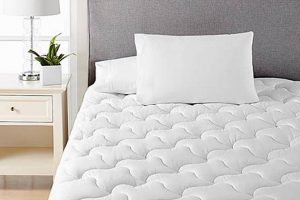
A mattress pad is a thin layer of cushioning designed to lie on top of a mattress but beneath the fitted sheet. It provides an extra layer of comfort and protection to the mattress. For example, a quilted pad can soften a firm mattress, while a waterproof pad can protect against spills and stains.
The addition of a mattress pad can extend the lifespan of a mattress by shielding it from wear and tear, body oils, and allergens. Historically, mattress pads were primarily used for hygiene, but contemporary versions offer enhanced comfort, temperature regulation, and even allergy control. They represent a relatively inexpensive way to improve sleep quality and maintain a cleaner sleeping environment.
The following sections will explore specific benefits and considerations related to choosing and using such a bedding accessory. Factors to be discussed include types of mattress pads, material composition, and the advantages they offer in terms of comfort, hygiene, and mattress longevity.
Guidance on Mattress Pad Utilization
The following suggestions are designed to aid in informed decision-making regarding the implementation of a mattress pad into a sleep system. Considerations include the specific needs of the individual and the existing characteristics of the mattress.
Tip 1: Evaluate Existing Mattress Condition: A mattress pad can enhance comfort, but it cannot rectify significant underlying issues. Assess the mattress for sagging, indentations, or coil problems; a pad will not address these structural deficiencies.
Tip 2: Determine Primary Need: Identify the key benefit sought. Is protection from spills the main concern, or is additional cushioning desired? Options range from basic waterproof barriers to plush, pillow-top designs.
Tip 3: Consider Material Composition: Mattress pads are available in various materials, including cotton, memory foam, wool, and synthetic blends. Each material offers distinct properties regarding breathability, temperature regulation, and comfort. Select a material that aligns with individual preferences and needs.
Tip 4: Account for Mattress Height: Ensure the chosen pad is compatible with the mattress’s height. A pad that is too thick may render fitted sheets unusable, or create an uncomfortable sleeping surface.
Tip 5: Prioritize Breathability: A mattress pad that traps heat can disrupt sleep. Opt for breathable materials, such as cotton or wool, to promote airflow and regulate temperature during sleep.
Tip 6: Investigate Waterproof Options: For individuals concerned about spills or incontinence, a waterproof mattress pad is a practical choice. Ensure that the waterproof layer is breathable to prevent discomfort.
Tip 7: Factor in Maintenance: Consider the ease of cleaning. Machine-washable pads are generally more convenient to maintain than those requiring specialized cleaning methods.
The mindful selection and proper utilization of a mattress pad can significantly improve comfort, protect the mattress, and enhance the overall sleep experience.
The subsequent sections will address various types of mattress pads and their suitability for different needs, along with recommendations for selecting a product that best meets individual requirements.
1. Protection.

The protective function of a mattress pad is central to determining its necessity. Preserving the condition of a mattress against various forms of degradation can be a primary motivator for acquiring such a product. The following points detail key protective attributes.
- Spill and Stain Resistance
Mattress pads, particularly those with waterproof or water-resistant layers, create a barrier against liquids. Spills of beverages, bodily fluids, or other substances can permanently stain and damage a mattress. The cost of professionally cleaning a mattress or replacing it entirely can be significant. A mattress pad mitigates this risk.
- Allergen Barrier
Mattresses can accumulate dust mites, allergens, and other irritants over time. A mattress pad acts as a barrier, preventing these substances from penetrating the mattress fibers. This is especially important for individuals with allergies or sensitivities. Certain mattress pads are specifically designed with hypoallergenic materials and tightly woven fabrics to further reduce allergen accumulation.
- Wear and Tear Mitigation
Constant use and friction can cause wear and tear on a mattress surface. A mattress pad adds an extra layer of cushioning, distributing weight more evenly and reducing direct contact between the sleeper and the mattress. This extends the lifespan of the mattress by minimizing the effects of daily use.
- Protection from Body Oils and Sweat
Over time, body oils and sweat can seep into a mattress, leading to discoloration, odors, and material degradation. A mattress pad provides a barrier against these bodily fluids, keeping the mattress cleaner and more hygienic. Regular washing of the mattress pad helps to remove accumulated oils and sweat, further extending the mattress’s lifespan.
The degree to which protection against spills, allergens, wear, and body fluids is a concern directly influences the individual determination of the necessity of a mattress pad. If maintaining a clean and sanitary sleep environment and extending the lifespan of the mattress are high priorities, a mattress pad becomes a valuable asset.
2. Comfort Enhancement.

Comfort enhancement constitutes a primary consideration when evaluating the need for a mattress pad. The addition of a mattress pad can modify the feel of the existing mattress, potentially improving sleep quality and overall restfulness. The following aspects detail the mechanisms by which comfort is augmented.
- Pressure Point Relief
Mattress pads, particularly those constructed from memory foam or down alternatives, offer enhanced cushioning. This cushioning distributes body weight more evenly, reducing pressure on sensitive areas such as hips, shoulders, and knees. This is particularly beneficial for individuals who experience pain or discomfort during sleep.
- Surface Softening
A mattress pad can alter the firmness level of a mattress. For individuals finding their mattress too firm, a plush mattress pad provides a softer, more conforming sleep surface. This can lead to improved comfort and reduced tossing and turning throughout the night. Conversely, some thinner, firmer mattress pads can provide a slight degree of added support.
- Temperature Regulation
Certain mattress pad materials are designed to promote airflow and regulate temperature. Wool and breathable cotton, for example, can help wick away moisture and prevent overheating duri
ng sleep. Individuals who tend to sleep hot may find that a temperature-regulating mattress pad significantly improves their comfort level. - Noise Reduction
While often overlooked, a mattress pad can minimize noise generated by movement on the mattress. This is particularly relevant for individuals who share a bed with a restless sleeper. A thick, well-padded mattress pad can absorb movement and reduce squeaking or creaking sounds.
Ultimately, the subjective experience of comfort drives the determination of the necessity of a mattress pad. If the current mattress provides inadequate pressure relief, insufficient softness, poor temperature regulation, or generates excessive noise, the addition of a suitable mattress pad can represent a worthwhile investment in improved sleep quality.
3. Hygiene Maintenance.

The correlation between hygiene maintenance and the acquisition of a mattress pad is significant, particularly concerning the prolonged cleanliness and sanitary condition of the underlying mattress. The primary role of a mattress pad, in this context, lies in its ability to act as a protective barrier against various contaminants that would otherwise permeate the mattress fibers. For example, dust mites, microscopic organisms that thrive in bedding and feed on dead skin cells, can trigger allergic reactions and respiratory issues in susceptible individuals. A mattress pad creates a physical obstacle, limiting their penetration into the mattress core and simplifying their removal through routine laundering. Similarly, the accumulation of bodily fluids, such as sweat and oils, contributes to the growth of bacteria and the development of unpleasant odors. A washable mattress pad prevents these substances from reaching the mattress, thereby inhibiting bacterial proliferation and maintaining a more hygienic sleep surface.
The implementation of a mattress pad as a hygiene-maintenance strategy can be illustrated by examining its use in healthcare settings. Hospitals and nursing homes routinely employ mattress pads, often with waterproof properties, to protect mattresses from contamination by bodily fluids and infectious agents. These pads are designed for frequent laundering and disinfection, ensuring a sanitary environment for patients. The adoption of similar practices in residential settings can yield comparable benefits, especially for individuals with allergies, asthma, or other health conditions that are exacerbated by poor air quality. Furthermore, individuals who perspire heavily during sleep or who share a bed with children or pets can derive substantial advantages from the increased hygiene offered by a mattress pad.
In conclusion, the use of a mattress pad is directly linked to improved hygiene within the sleeping environment. Its function as a barrier against allergens, bodily fluids, and other contaminants contributes to a cleaner, healthier mattress and reduces the risk of health complications associated with poor bedding hygiene. While not a substitute for regular mattress cleaning, the consistent use of a mattress pad represents a proactive and practical measure for maintaining a sanitary sleep surface and extending the lifespan of the mattress. Its efficacy in mitigating allergen exposure and inhibiting bacterial growth underscores its importance as a component of a comprehensive hygiene strategy.
4. Mattress Longevity.

Mattress longevity is a significant economic and practical consideration for consumers. The correlation between mattress longevity and the necessity of a mattress pad is based on the protective functions the pad provides, extending the usable life of the mattress investment.
- Protection Against Wear and Tear
Daily use of a mattress results in wear and tear on its surface layers. A mattress pad acts as a buffer, absorbing friction and distributing weight more evenly. This reduces stress on the mattress itself, minimizing sagging, indentations, and other forms of degradation that shorten its lifespan. For example, a mattress in a high-traffic guest room might benefit significantly from a pad, even with infrequent use, by protecting it from potential spills or damage during the occasional occupancy.
- Barrier Against Contaminants
Mattresses are susceptible to contamination from spills, bodily fluids, dust mites, and allergens. These contaminants not only compromise hygiene but also degrade the mattress materials over time. A mattress pad serves as a protective barrier, preventing these substances from penetrating the mattress fibers. Waterproof pads are particularly effective in preventing liquid damage, while hypoallergenic pads reduce allergen accumulation. Preventing these contaminates will prevent the mattress from needing to be replaced to often.
- Maintenance and Cleanability
Mattress pads are generally easier to clean and maintain than mattresses. Regular washing of a mattress pad removes accumulated dirt, sweat, and allergens, keeping the sleep surface fresh and hygienic. This simple maintenance routine helps to prevent the build-up of contaminants that can damage the mattress over time. A stained or soiled mattress often requires professional cleaning or replacement, expenses that can be avoided with a regularly cleaned mattress pad.
- Cost-Effectiveness Over Time
While a mattress pad represents an initial investment, it can prove cost-effective in the long run by extending the lifespan of the mattress. Replacing a mattress is a significant expense, and a mattress pad can postpone the need for replacement by several years. The cost of the pad is typically far less than the cost of a new mattress, making it a financially prudent choice for those seeking to maximize the return on their bedding investment. For example, a $100 mattress pad can potentially save hundreds or even thousands of dollars by preventing the need for a new mattress prematurely.
The cumulative effect of these protective functions contributes significantly to mattress longevity. By mitigating wear and tear, preventing contamination, and facilitating easy maintenance, a mattress pad enhances the durability of the mattress and prolongs its useful life. The decision to acquire a mattress pad, therefore, should be viewed as an investment in the long-term preservation of the mattress and its associated economic benefits.
5. Temperature Regulation.

Temperature regulation within the sleep environment is a critical factor influencing sleep quality and overall well-being. The integration of a mattress pad, specifically designed to manage temperature, can significantly impact the thermal comfort experienced during sleep. The subsequent points detail facets of temperature regulation that inform the decision of whether a mattress pad is necessary.
- Material Composition and Breathability
The materials used in a mattress pad directly influence its ability to regulate temperature. Natural fibers such as cotton, wool, and bamboo offer enhanced breathability compared to synthetic materials like polyester. Breathable materials promote airflow, allowing heat and moisture to dissipate
, preventing overheating and maintaining a more consistent temperature. For example, a wool mattress pad can wick away moisture and regulate temperature in both warm and cool conditions, providing a comfortable sleep environment year-round. In contrast, a non-breathable synthetic pad can trap heat, leading to discomfort and disrupted sleep. - Moisture Wicking Properties
The ability of a mattress pad to wick away moisture is crucial for temperature regulation. When the body sweats during sleep, the moisture can create a damp and uncomfortable environment. Mattress pads with moisture-wicking properties draw sweat away from the skin, promoting evaporation and keeping the sleeper dry. Materials like merino wool and certain synthetic blends are designed to effectively wick away moisture, contributing to a more comfortable and temperature-regulated sleep experience. This is particularly beneficial for individuals who experience night sweats or live in humid climates.
- Construction and Airflow
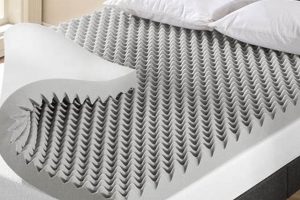
The construction of a mattress pad can also affect temperature regulation. Quilted or convoluted designs create air pockets that enhance airflow, allowing heat to dissipate more effectively. Mattress pads with open-cell foam structures also promote airflow, preventing heat build-up. For instance, a quilted mattress pad with a breathable cotton cover allows for better air circulation compared to a solid, non-quilted pad made of synthetic materials. This improved airflow helps to maintain a consistent and comfortable temperature throughout the night.
- Personal Thermal Preferences
Individual thermal preferences play a significant role in determining the necessity of a temperature-regulating mattress pad. Some individuals naturally sleep hot, while others tend to feel cold during sleep. Those who consistently experience overheating or night sweats may benefit significantly from a mattress pad designed to regulate temperature. Conversely, individuals who tend to feel cold may prefer a mattress pad made of insulating materials like wool or down. Understanding personal thermal preferences is essential for selecting a mattress pad that effectively addresses individual needs.
The decision of whether a mattress pad is needed for temperature regulation hinges on individual preferences, existing sleep environment conditions, and the inherent thermal properties of the mattress itself. If overheating, night sweats, or general thermal discomfort are recurring issues, a carefully chosen mattress pad can offer a practical and effective solution.
Frequently Asked Questions
The following questions address common inquiries and misconceptions regarding the utilization of a mattress pad. The responses aim to provide clear and concise information to aid in informed decision-making.
Question 1: Does a new mattress require a mattress pad?
While not strictly mandatory, the implementation of a mattress pad on a new mattress is a prudent measure. A pad safeguards against spills, stains, and general wear, thus preserving the mattress’s condition and potentially prolonging its lifespan, which is particularly advantageous given the initial investment.
Question 2: Can a mattress pad rectify an uncomfortable mattress?
A mattress pad can offer a degree of comfort enhancement, especially in cases where the mattress is slightly too firm or lacks sufficient cushioning. However, it cannot fully compensate for significant issues such as sagging, broken coils, or inadequate support. In such instances, mattress replacement may be necessary.
Question 3: Is a waterproof mattress pad essential?
A waterproof mattress pad is particularly beneficial for individuals concerned about spills, accidents, or incontinence. It provides a protective barrier against liquids, preventing them from penetrating the mattress and causing damage or staining. Families with young children or individuals with medical conditions may find this feature invaluable.
Question 4: How often should a mattress pad be cleaned?
Mattress pads should be laundered regularly to maintain hygiene and prevent the accumulation of dust mites, allergens, and body oils. The recommended cleaning frequency is typically every one to two months, although more frequent washing may be necessary for individuals with allergies or sensitivities.
Question 5: Do all mattress pads offer the same benefits?
No, the benefits offered by a mattress pad vary depending on its material composition, construction, and features. Some pads are designed primarily for comfort, while others prioritize protection or temperature regulation. Carefully consider individual needs and preferences when selecting a mattress pad to ensure it provides the desired benefits.
Question 6: Is a costly mattress pad always superior?
Price is not always indicative of quality or suitability. A more expensive mattress pad may offer premium materials or advanced features, but it may not necessarily be the best choice for every individual. Assess the pad’s specifications, customer reviews, and warranty information to determine its value and suitability for specific needs.
The decision to use a mattress pad is contingent upon individual requirements and priorities. Evaluating the mattress’s existing condition, personal comfort preferences, and hygiene concerns will inform the appropriate course of action.
The subsequent section will address specific types of mattress pads and their suitability for various needs, providing further guidance on selecting the optimal product.
Determining Mattress Pad Necessity
This article has explored factors relevant to ascertaining the need for a mattress pad. Key considerations include mattress protection against spills, allergens, and wear, comfort enhancement through pressure relief and surface softening, hygiene maintenance by creating a barrier against bodily fluids and dust mites, extending mattress longevity, and temperature regulation through breathable materials. Individual priorities concerning these factors directly influence the assessment of whether a mattress pad is a requisite component of the sleep system.
The integration of a mattress pad represents a proactive investment in mattress preservation, hygienic sleep conditions, and personalized comfort. Further research into specific product types and their material compositions is encouraged to align the chosen pad with individual needs and optimize its benefits.