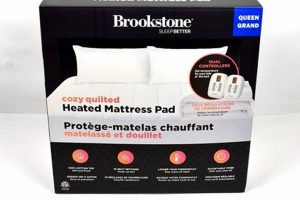
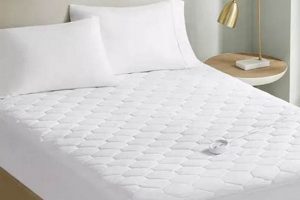
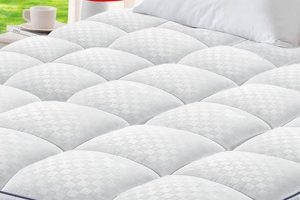
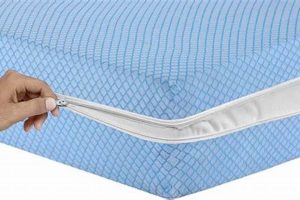
A mattress pad is a removable layer of padding designed to lie on top of a mattress. This layer typically provides additional comfort, protection, or both. For example, a quilted mattress pad can soften a firm mattress, while a waterproof pad shields against spills and stains.
The incorporation of such an item can extend the lifespan of a mattress by preventing direct wear and tear. Furthermore, specific types offer benefits like temperature regulation, hypoallergenic properties, and enhanced support. Historically, simpler versions have been used for centuries to improve sleep surfaces, evolving into the technologically advanced options available today.
The subsequent sections will delve into the specific benefits of various mattress pad types, exploring factors to consider when selecting one, and addressing common concerns regarding their use and maintenance.
Guidance on Mattress Pad Necessity
The following points offer guidance for determining whether a mattress pad is a worthwhile investment for enhancing sleep quality and protecting a mattress.
Tip 1: Assess Mattress Condition: A worn or aging mattress may benefit significantly from the added comfort and support a pad provides. Consider a pad if the mattress surface has begun to sag or feel uneven.
Tip 2: Evaluate Comfort Preferences: If the current mattress is too firm or lacks desired cushioning, a plush mattress pad can offer a cost-effective solution to modify the sleep surface. Different materials offer varying degrees of softness.
Tip 3: Consider Protection Needs: For individuals prone to spills, night sweats, or those with young children, a waterproof mattress pad is highly recommended. This protects the mattress from stains and liquid damage, extending its lifespan.
Tip 4: Analyze Allergy Sensitivities: Individuals with allergies may benefit from hypoallergenic mattress pads. These pads are designed to resist dust mites and other allergens, contributing to a healthier sleep environment.
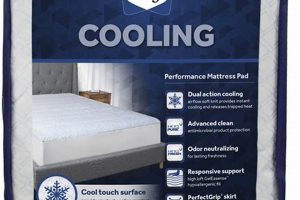
Tip 5: Temperature Regulation Requirements: If overheating during sleep is a concern, explore cooling mattress pads. These pads incorporate materials designed to dissipate heat, promoting a more comfortable sleep temperature.
Tip 6: Budget Considerations: A mattress pad offers a less expensive alternative to replacing an entire mattress. Carefully consider the cost of a pad versus the cost of a new mattress when addressing comfort or support issues.
Tip 7: Mattress Warranty Implications: Some mattress warranties can be voided by stains or damage. Utilizing a protective mattress pad can help maintain the warranty’s validity.
In summary, the decision to acquire a mattress pad is influenced by factors encompassing mattress condition, individual comfort preferences, protection requirements, and budgetary constraints. Thoughtful consideration of these aspects will lead to an informed decision.
The subsequent sections will delve into specific types of mattress pads and their respective features, providing a more detailed understanding of available options.
1. Mattress Protection

Mattress protection represents a primary consideration when evaluating the potential utility of a mattress pad. Preservation of the mattress from damage, stains, and wear directly influences its lifespan and hygiene. A mattress pad acts as a barrier, mitigating the impact of various detrimental factors.
- Liquid Damage Prevention
Waterproof mattress pads offer a critical defense against spills, accidents, and bodily fluids. Liquid penetration can foster mold growth and compromise the structural integrity of the mattress. Failure to prevent liquid damage can void mattress warranties. Therefore, in environments with increased risk of spills, a waterproof mattress pad becomes a necessity.
- Allergen Barrier Function
Mattress pads serve as a barrier against dust mites, allergens, and dead skin cells that accumulate within a mattress over time. These allergens can exacerbate respiratory issues and allergic reactions. Hypoallergenic mattress pads further enhance this protective function. Individuals with sensitivities to allergens may find a mattress pad indispensable for maintaining a healthy sleep environment.
- Wear and Tear Mitigation
Friction between bedding and the mattress surface contributes to wear and tear, leading to fiber breakdown and eventual degradation. A mattress pad acts as an intermediary layer, absorbing some of this friction. This reduction in wear and tear prolongs the mattress’s usability and maintains its structural integrity. Regularly replacing a mattress pad is more economical than replacing an entire mattress.
- Stain Prevention
Stains can detract from a mattress’s appearance and, in some cases, compromise its hygiene. Mattress pads are designed to resist staining, making cleaning easier. Even non-waterproof pads offer a degree of stain resistance. Preserving the appearance of the mattress contributes to its perceived value and cleanliness.
The facets of mattress protection highlighted demonstrate the significant role a mattress pad plays in safeguarding this essential sleep surface. By mitigating liquid damage, allergens, wear and tear, and stains, the mattress pad serves as a proactive measure, potentially extending the mattress’s lifespan and preserving its condition.
2. Comfort Enhancement

Comfort enhancement represents a pivotal consideration when evaluating the potential benefits of a mattress pad. The capacity to modulate the sleep surface’s feel directly influences sleep quality and overall restfulness. A mattress pad offers a versatile tool for tailoring the comfort profile of an existing mattress.
- Firmness Adjustment
Mattress pads can significantly alter the firmness of a mattress. A plush, memory foam pad will soften a firm mattress, while a thinner, firmer pad may add a slight degree of support to a softer one. Individuals experiencing discomfort due to inappropriate mattress firmness may find relief with a carefully chosen pad. For example, a side sleeper experiencing shoulder pain on a firm mattress could benefit from the added cushioning of a softer pad.
- Pressure Relief
Mattress pads, particularly those made from memory foam or latex, can effectively distribute body weight and alleviate pressure points. This is especially beneficial for individuals with conditions like arthritis or fibromyalgia, where pressure sensitivity is a significant concern. Proper pressure relief reduces tossing and turning, promoting more restful sleep.
- Surface Texture Modification
The texture of a mattress surface can impact comfort. Some individuals find the feel of
certain mattress materials, such as innerspring coils or certain types of foam, to be unpleasant. A mattress pad provides a smooth, consistent surface that eliminates direct contact with the underlying mattress material, enhancing the overall tactile experience. - Support Enhancement
While primarily focused on comfort, certain mattress pads can also provide additional support, particularly in areas where the mattress has begun to sag or compress. This added support can improve spinal alignment and reduce back pain. For instance, a mattress pad with reinforced lumbar support can provide targeted reinforcement in the lower back area.
The facets of comfort enhancement detailed above illustrate the diverse ways in which a mattress pad can improve the sleep experience. By addressing firmness, pressure relief, surface texture, and support, a mattress pad offers a practical and often cost-effective solution for optimizing sleep surface comfort. Careful consideration of these factors will aid in determining whether a mattress pad is a necessary addition to the sleep environment.
3. Hygiene Improvement

Hygiene improvement constitutes a significant consideration when evaluating the advantages of a mattress pad. The ability to maintain a clean and sanitary sleep environment directly impacts health and well-being. A mattress pad can play a vital role in achieving optimal sleep hygiene.
- Moisture Management
Mattress pads, particularly those incorporating moisture-wicking materials, mitigate the accumulation of sweat and other bodily fluids. This is critical as a damp environment fosters microbial growth. By promoting dryness, mattress pads inhibit the proliferation of bacteria and fungi within the mattress. Examples include pads utilizing bamboo or microfiber materials, known for their absorbent and breathable properties. Failure to manage moisture can lead to unpleasant odors and potential health risks.
- Allergen Reduction
Mattress pads serve as a barrier against allergens, such as dust mites and pet dander. These allergens can trigger respiratory issues and allergic reactions, negatively impacting sleep quality. Regular cleaning or replacement of the mattress pad helps to minimize allergen accumulation. Hypoallergenic mattress pads, often constructed with tightly woven fabrics, further enhance allergen control. The implications extend to improved respiratory health and reduced allergic symptoms during sleep.
- Protection from Skin Cells and Body Oils
Shed skin cells and body oils can penetrate the mattress over time, creating a breeding ground for bacteria and contributing to unpleasant odors. A mattress pad prevents these substances from reaching the mattress core, preserving its cleanliness. The consequences of allowing these materials to accumulate include a less hygienic sleep surface and potential skin irritation. Use of a washable mattress pad allows for regular removal of these contaminants.
- Ease of Cleaning
Mattress pads are generally easier to clean than mattresses. Many are machine washable, allowing for convenient removal of dirt, allergens, and fluids. This ease of cleaning promotes regular maintenance and ensures a consistently hygienic sleep surface. In contrast, cleaning a mattress directly can be difficult and may require professional services. The convenience afforded by a washable mattress pad encourages frequent cleaning, contributing to better overall hygiene.
The facets of hygiene improvement highlighted underscore the importance of a mattress pad in maintaining a clean and healthy sleep environment. By managing moisture, reducing allergens, protecting against skin cells and body oils, and facilitating easy cleaning, a mattress pad serves as a proactive measure in promoting optimal sleep hygiene and protecting overall health.
4. Allergy Mitigation

Allergy mitigation is intrinsically linked to the question of mattress pad necessity. Mattresses, over time, accumulate dust mites, pet dander, mold spores, and other allergens. These allergens become embedded within the mattress fibers and serve as a constant irritant for susceptible individuals. Symptoms often manifest as respiratory distress, skin irritation, and disrupted sleep. A mattress pad acts as a physical barrier, preventing allergens from penetrating the mattress itself and reducing exposure. For example, an individual with a dust mite allergy may experience significantly reduced symptoms when using a tightly woven, allergen-resistant mattress pad. The pad encapsulates the allergens, preventing them from circulating in the sleep environment.
Furthermore, hypoallergenic mattress pads, often constructed from materials like tightly woven microfiber or treated with antimicrobial agents, offer enhanced protection. These materials actively inhibit the growth of allergens. The practical application is evident in cases of childhood asthma or eczema, where exposure to allergens can trigger acute exacerbations. A mattress pad, in these instances, serves as a preventative measure, reducing the likelihood of allergen-induced flare-ups. In the absence of a mattress pad, routine cleaning of the mattress itself is difficult and often ineffective in removing deeply embedded allergens.
In summary, allergy mitigation represents a compelling justification for mattress pad use. The barrier function of a mattress pad reduces exposure to common allergens, contributing to improved sleep quality and overall respiratory health. While not a complete solution for all allergy sufferers, a mattress pad is a practical and relatively inexpensive tool for managing allergen exposure within the sleep environment. Challenges remain in ensuring consistent cleaning and selecting pads with verifiable hypoallergenic properties, but the benefits of reduced allergen exposure are significant.
5. Temperature Regulation
Temperature regulation within the sleep environment directly influences sleep quality. A mattress pad’s role in managing heat retention and dissipation is a critical factor when determining its necessity.
- Material Composition and Breathability
The material composition of a mattress pad significantly affects its breathability. Natural fibers, such as cotton or wool, promote air circulation, reducing heat buildup. Conversely, synthetic materials like memory foam can trap heat, leading to discomfort. Individuals prone to overheating during sleep should prioritize mattress pads with breathable materials. In such cases, a mattress pad crafted from natural, breathable fibers becomes a crucial component of a comfortable sleep setup, directly addressing temperature regulation needs.
- Cooling Technologies and Phase Change Materials
Advanced mattress pads incorporate cooling technologies, such as phase change materials (PCMs), to regulate temperature. PCMs absorb and release heat as needed, maintaining a stable sleep surface temperature. Individuals experiencing night sweats or residing in warmer climates may find significant benefit from these technologies. The integration of PCMs into mattress pads
represents a targeted approach to temperature regulation, actively mitigating heat buildup and promoting cooler sleep. - Moisture-Wicking Properties
Mattress pads with moisture-wicking properties draw sweat away from the body, facilitating evaporation and cooling. This is particularly important as accumulated moisture disrupts thermal regulation. Materials like bamboo or specialized synthetic blends excel at moisture management. For individuals experiencing night sweats or elevated body temperature, moisture-wicking mattress pads can improve comfort and prevent sleep disruptions. This property contributes to a more stable and comfortable sleep temperature throughout the night.
- Insulation Considerations
While cooling is often prioritized, certain individuals may require insulation to maintain warmth during colder months. Mattress pads constructed from wool or down provide insulation, trapping body heat and preventing heat loss. This is particularly relevant for individuals residing in colder climates or those sensitive to cold temperatures. Careful consideration of insulation properties is essential to ensure optimal temperature regulation year-round.
In conclusion, temperature regulation is a pivotal aspect of sleep hygiene. The selection of a mattress pad that effectively manages heat and moisture contributes significantly to overall sleep comfort. Individuals experiencing temperature-related sleep disturbances should prioritize mattress pads with appropriate breathability, cooling technologies, moisture-wicking properties, or insulation characteristics to optimize their sleep environment. The determination of mattress pad necessity is, therefore, directly influenced by the individual’s temperature regulation needs.
6. Support adjustment
The inherent connection between “support adjustment” and the need for a mattress pad stems from the mattress’s ability, or inability, to provide adequate postural support. Mattresses may lose support over time due to wear, or they may not provide sufficient support initially for specific body types or sleep positions. A mattress pad, in these instances, can function as a supplementary layer to modify the overall support profile. For example, an individual experiencing lower back pain on a sagging mattress may find relief with a firm mattress pad that restores some degree of spinal alignment. The pad effectively compensates for the mattress’s deficiencies, influencing the sleep surface’s overall support characteristics.
Furthermore, the specific material composition of the mattress pad dictates the type of support adjustment possible. Memory foam pads conform to the body, distributing weight and reducing pressure points, while latex pads offer a more resilient and responsive support. The choice depends on the desired outcome. A side sleeper may require a softer, conforming pad for shoulder and hip support, while a back sleeper may benefit from a firmer pad that prevents excessive sinking. The understanding of these material properties and their effects on spinal alignment is critical in determining whether a mattress pad is necessary to address inadequate support.
In summary, the need for a mattress pad as a means of support adjustment arises when the existing mattress fails to provide adequate spinal alignment or pressure relief. The selection of a pad with appropriate material properties is crucial in achieving the desired support modification. This intervention can be a cost-effective alternative to replacing an entire mattress, addressing specific support deficiencies and improving sleep quality. While a mattress pad cannot fully compensate for a severely damaged mattress, it can offer a tangible improvement in support and comfort in many situations.
7. Warranty preservation

Mattress warranties typically stipulate conditions that, if unmet, can void the coverage. Protection from stains, spills, and other forms of damage are frequently cited as prerequisites for maintaining warranty validity. A mattress pad serves as a preventative measure, shielding the mattress and ensuring compliance with warranty requirements.
- Stain Prevention and Warranty Compliance
Most mattress warranties explicitly exclude coverage for stains. Even minor spills or accidents can result in voided warranties. A waterproof or stain-resistant mattress pad acts as a barrier, preventing liquids and other contaminants from reaching the mattress surface. The practical implication is that using a mattress pad significantly reduces the risk of accidental stains, thereby preserving warranty coverage. A failure to use such protection could result in denial of warranty claims for seemingly unrelated issues if stains are present.
- Protection from Physical Damage
While less common, some warranties may be voided by certain types of physical damage, such as tears or indentations caused by improper use or lack of support. A mattress pad, particularly a thicker, more robust option, provides an additional layer of protection against such damage. It cushions the mattress and distributes weight more evenly, reducing the likelihood of localized stress that could compromise the mattress’s structure. This preventative measure helps maintain the mattress’s integrity and safeguards the warranty.
- Documentation of Use and Warranty Claims
While not a direct requirement, documentation of mattress pad use can strengthen a warranty claim in the event of a dispute. Maintaining records of purchase dates and models of both the mattress and mattress pad provides evidence of proactive measures taken to protect the mattress. This demonstrates due diligence and can be persuasive in resolving warranty claims favorably. The absence of such documentation can weaken a claim, particularly if stains or damage are present.
- Maintenance of Sanitary Conditions
Some warranties include clauses related to maintaining sanitary conditions. A mattress pad, by preventing the accumulation of bodily fluids, allergens, and dust mites, contributes to a more hygienic sleep environment. This, in turn, helps to comply with sanitary requirements outlined in the warranty. Failure to maintain a clean and hygienic mattress could be grounds for denying warranty claims. Regular cleaning or replacement of the mattress pad further enhances compliance with these stipulations.
The correlation between warranty preservation and mattress pad use is evident in the preventative role a pad plays in shielding the mattress from conditions that typically void warranty coverage. While not a guarantee of claim approval, employing a mattress pad significantly reduces the risk of warranty invalidation due to stains, damage, or unsanitary conditions. Therefore, individuals seeking to protect their investment and ensure continued warranty coverage should strongly consider the use of a quality mattress pad.
Frequently Asked Questions
The following questions address common inquiries and misconceptions surrounding the use of mattress pads, providing clarity on their function and potential benefits.
Question 1: Is a mattress pad essential for all mattresses?
The necessity of a mattress pad depends on various factors, including the mattress’s age, condition, and the user’s individual needs. While not universally essential, a mattress pad can e
xtend the lifespan of a mattress, enhance comfort, and provide protection against stains and allergens.
Question 2: Can a mattress pad revive an old, worn-out mattress?
A mattress pad can improve the comfort of an aging mattress to some degree. However, it cannot fully restore the support of a severely damaged or worn-out mattress. In such cases, mattress replacement may be the more appropriate solution.
Question 3: Are all mattress pads waterproof?
Not all mattress pads are waterproof. Waterproof mattress pads are specifically designed with a waterproof membrane to protect against spills and liquid damage. It is essential to verify the product description to ensure waterproof capabilities if liquid protection is a priority.
Question 4: Will a mattress pad affect the breathability of a mattress?
The effect on breathability depends on the mattress pad’s material composition. Dense materials, such as memory foam, can restrict airflow, while breathable materials, such as cotton or bamboo, promote ventilation. Selecting a mattress pad with breathable materials minimizes the risk of heat buildup.
Question 5: How often should a mattress pad be cleaned or replaced?
Mattress pads should be cleaned regularly, typically every one to two months, following the manufacturer’s instructions. Replacement frequency depends on usage and wear, but generally, a mattress pad should be replaced every one to two years.
Question 6: Can a mattress pad void a mattress warranty?
A mattress pad will not typically void a mattress warranty. In fact, using a mattress pad can help protect the mattress from stains and damage, which are common causes for warranty claims being denied. However, it is essential to review the specific terms and conditions of the mattress warranty for any exclusions.
In conclusion, while mattress pads offer numerous benefits, the decision to use one is contingent upon individual circumstances and priorities. Understanding the specific functions and limitations of various mattress pad types is crucial for making an informed decision.
The subsequent sections will provide a comprehensive overview of available mattress pad types and their respective features, enabling a more detailed comparison and selection process.
Do You Need a Mattress Pad?
The preceding exploration has considered the multifaceted implications of employing a mattress pad. Analyses of mattress protection, comfort enhancement, hygiene improvement, allergy mitigation, temperature regulation, support adjustment, and warranty preservation underscore the potential benefits. The decision to acquire a mattress pad necessitates a thorough assessment of individual needs and existing mattress characteristics.
Ultimately, the implementation of a mattress pad represents a proactive measure aimed at optimizing sleep quality and prolonging mattress lifespan. Prior to procurement, a careful evaluation of personal requirements and available options is advised to ensure the selected product aligns with specific needs and yields tangible benefits. The long-term impact on sleep health and mattress integrity warrants careful consideration.