![Mattress Protector: Do You REALLY Need One? [Guide]](data:image/svg+xml;base64,PHN2ZyB4bWxucz0iaHR0cDovL3d3dy53My5vcmcvMjAwMC9zdmciIHdpZHRoPSI0NzQiIGhlaWdodD0iNTAiIHZpZXdCb3g9IjAgMCA0NzQgNTAiPjxyZWN0IHdpZHRoPSIxMDAlIiBoZWlnaHQ9IjEwMCUiIHN0eWxlPSJmaWxsOiNjZmQ0ZGI7ZmlsbC1vcGFjaXR5OiAwLjE7Ii8+PC9zdmc+ "Mattress Protector: Do You REALLY Need One? [Guide] Organic & Natural Mattress Buyer’s Guide: Non-Toxic Sleep Solutions")
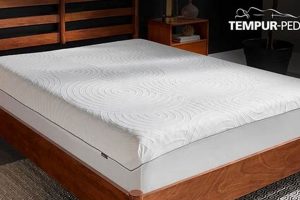
The query addresses the necessity of a specific bedding item designed to shield a mattress from various forms of damage and contamination. This item acts as a barrier, preventing liquids, stains, allergens, and dust mites from penetrating the mattress fibers. For example, a sudden spill of liquid would be contained by the protector, preventing it from soaking into the mattress itself.
The importance of utilizing such a protective layer lies in extending the lifespan of the mattress and maintaining a cleaner sleep environment. Its benefits include safeguarding the mattress warranty (which can be voided by stains), reducing allergy symptoms, and providing a more hygienic sleeping surface. Historically, simpler forms of mattress protection, such as thick cotton pads, were used before the advent of modern, waterproof materials.
The subsequent sections will explore different types of mattress protection, their varying degrees of effectiveness, and factors to consider when deciding whether the benefits outweigh the costs and effort involved in using one.
Considerations Regarding Mattress Protection
The following guidelines offer insights into making an informed decision about utilizing a mattress protector.
Tip 1: Assess Existing Mattress Warranty. Review the warranty terms carefully. Stains or damage not caused by manufacturing defects may void the warranty. A protector can mitigate this risk.
Tip 2: Evaluate Individual Allergy Sensitivities. For individuals with allergies or asthma, a protector with hypoallergenic properties is advisable. It creates a barrier against dust mites and other allergens that accumulate in mattresses.
Tip 3: Analyze Sleeping Habits. Individuals who tend to perspire heavily during sleep or have children prone to bedwetting should strongly consider a waterproof protector. The liquid barrier prevents internal mattress damage.
Tip 4: Determine Protector Material Preference. Protectors are available in various materials, including cotton, polyester, and polyurethane. Each material offers different levels of protection, breathability, and comfort. Evaluate preferences based on individual needs and priorities.
Tip 5: Evaluate Cleaning Requirements. Consider the ease of cleaning the chosen protector. Machine-washable protectors are generally more convenient for maintaining hygiene.
Tip 6: Assess Protector Fit. Ensure the protector fits the mattress snugly and securely. Loose or ill-fitting protectors may not provide adequate protection and can be uncomfortable.
Tip 7: Consider Budget Constraints. Mattress protectors range in price. Establish a budget and compare options within that range to find the best combination of features and value.
Adhering to these tips assists in determining whether incorporating a mattress protector is a suitable investment for preserving mattress quality and promoting a healthy sleep environment.
The next section will provide a concluding statement, summarizing the core themes explored throughout this discussion.
1. Warranty preservation

The connection between warranty preservation and the consideration of mattress protectors is paramount for safeguarding a substantial financial investment. Mattress warranties typically contain clauses that render them void upon the occurrence of specific events, most notably staining and liquid damage. A protector serves as a preventative measure against such occurrences, thus maintaining the validity of the warranty.
- Direct Impact of Stains and Liquid Damage on Warranty Validity
Most mattress warranties explicitly exclude coverage for damage resulting from stains, spills, or bodily fluids. The rationale is that these occurrences are preventable and considered the responsibility of the owner. Even minor stains can be grounds for warranty denial during a claim.
- Protector as a Barrier Against Invalidation
A mattress protector acts as a physical barrier, preventing liquids and other substances from reaching the mattress core. This preventative measure shields the mattress from stains and internal damage, ensuring compliance with warranty terms that require reasonable care and maintenance.
- Cost-Benefit Analysis: Protector vs. Replacement
The cost of a quality mattress protector is significantly less than the cost of replacing a mattress due to a voided warranty. Weighing the expense of a protector against the potential expense of premature mattress replacement underscores its economic value.
- Documentation and Proof of Preventative Measures
Maintaining records of the purchase and use of a mattress protector provides supporting documentation should a warranty claim arise. Demonstrating proactive measures taken to protect the mattress strengthens the owner’s position in the event of a dispute.
Therefore, the utilization of a mattress protector represents a pragmatic approach to preserving the integrity of a mattress warranty, mitigating the financial risk associated with accidental damage or contamination. It is a proactive measure that contributes to the long-term value and usability of the sleep surface.
2. Allergen barrier
The function of a mattress protector as an allergen barrier is a critical consideration when evaluating its necessity, particularly for individuals with sensitivities to common indoor allergens. The protector serves as a preventative measure against the accumulation of allergens within the mattress fibers, thereby reducing exposure and potential allergic reactions.
- Dust Mite Proliferation and Mitigation
Mattresses provide an ideal habitat for dust mites, microscopic organisms that thrive in warm, humid environments and feed on dead skin cells. Their waste products are potent allergens. A mattress protector creates a barrier that prevents dust mites from colonizing the mattress core. Encasements with tightly woven fabrics are particularly effective in blocking dust mite penetration.
- Mold Spore Prevention and Control
Moisture accumulation within a mattress can lead to mold growth, releasing allergenic spores into the surrounding air. Waterproof or water-resistant mattress protectors prevent moisture from seeping into the mattress, thereby inhibiting mold proliferation. This is especially important in humid climates or for individuals prone to night sweats.
- Pet Dander Containment
For pet owners, mattresses can become reservoirs of pet dander, a common allergen. A mattress protector minimizes the accumulation of pet dander within the mattress, simplifying cleaning and reducing allergen exposure. Regularly washing the protector further removes accumulated dander.
- Pollen and Outdoor Allergen Exclusion
Pollen and other outdoor allergens can be tracked indoors and settle on bedding, including mattresses. A mattress protector acts as a barrier, preventing these allergens from embedding within the mattress fibers. This is particularly relevant during peak pollen seasons.
Therefore, the allergen barrier function of a mattress protector addresses a significant aspect of indoor air quality and personal health. Its ability to mitigate dust mites, mold, pet dander, and pollen underscores its value as a protective measure, especially for allergy sufferers seeking to minimize exposure and improve their sleeping environment.
3. Liquid protection

The requirement for liquid protection is a central tenet in evaluating the necessity of a mattress protector. A mattress, composed of absorbent materials, is vulnerable to liquid intrusion. Spills, bodily fluids, and perspiration can permeate the mattress, leading to staining, odor development, and the fostering of microbial growth. A mattress protector designed for liquid resistance mitigates these risks. For instance, accidental spills of beverages, a common household occurrence, can permanently damage a mattress if unprotected. Similarly, incontinence issues, particularly among young children or elderly individuals, pose a significant threat to mattress integrity. The implementation of liquid protection via a suitable mattress protector effectively addresses these potential sources of damage.
The practical significance of understanding the connection between liquid protection and mattress longevity is substantial. Consider the scenario of a child experiencing a nocturnal accident. Without a waterproof barrier, the urine saturates the mattress, leading to immediate staining and potential odor retention. Furthermore, the moisture creates an environment conducive to mold and bacteria proliferation. A mattress protector, in this instance, confines the liquid, allowing for easy cleanup and preventing lasting damage. This proactive approach extends the usable life of the mattress, preventing premature replacement and associated costs.
In summary, the necessity of liquid protection directly impacts the assessment of needing a mattress protector. Its application serves as a preventative measure against common household accidents and biological incidents, protecting the mattress core from irreversible damage. While challenges exist in ensuring complete waterproofing without compromising breathability, the benefits of mitigating liquid damage outweigh the potential drawbacks, contributing significantly to the long-term preservation of the sleep surface.
4. Hygiene maintenance

Hygiene maintenance represents a fundamental rationale for considering the utilization of a mattress protector. Mattresses, due to their composition and function, are susceptible to accumulating various forms of contamination that compromise their hygienic state. A protector serves as a barrier, mitigating the ingress of these contaminants and simplifying routine cleaning procedures.
- Prevention of Biological Matter Accumulation
Human bodies shed dead skin cells, hair, and bodily fluids during sleep. These materials accumulate within mattress fibers, creating a breeding ground for bacteria and fungi. A mattress protector impedes the penetration of these substances, preserving a cleaner sleep surface. Regular washing of the protector removes accumulated debris, preventing microbial growth and associated odors.
- Mitigation of Allergen Buildup
Mattresses can become reservoirs for dust mites, pollen, and pet dander, all potent allergens. A mattress protector provides a barrier against these allergens, reducing their accumulation within the mattress. This is particularly beneficial for individuals with allergies or asthma, as it minimizes exposure to triggers that can exacerbate their symptoms. Hypoallergenic protectors offer enhanced protection.
- Simplified Cleaning and Maintenance Procedures
Cleaning a mattress directly is a challenging and often ineffective process. Many cleaning agents can damage mattress materials, and complete drying is difficult to achieve. A mattress protector simplifies cleaning, as it can be easily removed and laundered in a washing machine. This promotes regular hygiene maintenance without the complexities of cleaning the mattress itself.
- Protection Against Staining and Discoloration
Stains and discoloration can compromise the aesthetic appeal and perceived cleanliness of a mattress. Spills, bodily fluids, and even prolonged contact with skin oils can lead to unsightly marks. A mattress protector shields the mattress surface from staining, maintaining its appearance and extending its usable life.
The considerations outlined above underscore the role of a mattress protector in upholding hygiene standards within the sleep environment. Its ability to prevent contamination, simplify cleaning, and maintain the aesthetic quality of the mattress collectively contribute to its value as a hygiene-promoting measure. Regular use of a mattress protector supports a healthier and more sanitary sleep experience.
5. Investment protection

The concept of investment protection is intrinsically linked to the decision-making process concerning mattress protectors. A mattress represents a significant financial investment, often costing several hundred to several thousand dollars. Its lifespan is directly influenced by the care and maintenance it receives. Damage from spills, stains, allergens, and physical wear can prematurely degrade the mattress, necessitating costly replacement. A mattress protector functions as a safeguard, preserving the integrity of this investment by mitigating risks that can shorten the mattress’s usable life. For example, consider a high-end mattress purchased for $2,000. Without protection, a single incident involving liquid damage could render it unusable, resulting in a complete loss of the initial investment. A relatively inexpensive protector, costing perhaps $50 to $100, prevents this scenario.
The practical significance of understanding this connection lies in recognizing the long-term financial implications. Purchasing a mattress protector is not merely an expense; it is a strategic investment in the longevity of the mattress. Furthermore, the benefits extend beyond simple damage prevention. By maintaining a cleaner, more hygienic sleep surface, a protector can also contribute to improved sleep quality and overall health. This, in turn, reduces the potential for health-related expenses associated with allergies or respiratory issues aggravated by a contaminated mattress. The cost-benefit analysis clearly favors the use of a mattress protector, especially when considering the potential costs of premature mattress replacement and associated health concerns.
In conclusion, the relationship between investment protection and the consideration of a mattress protector is a crucial element in responsible financial planning. By proactively safeguarding a significant purchase from preventable damage, the protector extends the mattress’s lifespan, prevents potential health-related costs, and ultimately protects the initial financial outlay. Ignoring this connection represents a false economy, potentially leading to significant financial losses in the long term. Therefore, the decision to use a mattress protector should be viewed as a logical and prudent investment.
Frequently Asked Questions
The following addresses prevalent inquiries concerning the use of mattress protectors, offering clarity on their benefits and applications.
Question 1: What constitutes a mattress protector and how does it differ from a mattress pad?
A mattress protector is primarily designed to shield the mattress from liquids, allergens, and physical wear. It often features a waterproof or water-resistant layer. A mattress pad, conversely, primarily aims to enhance comfort by adding a layer of padding. While some pads offer limited protection, their primary function is not safeguarding the mattress.
Question 2: Does the use of a protector negate the need for regular mattress cleaning?
A protector significantly reduces the frequency and intensity of required mattress cleaning, it does not eliminate the need entirely. Periodic vacuuming is still recommended to remove surface dust and debris that may accumulate on the protector itself. Furthermore, the protector itself requires regular laundering.
Question 3: Are all protectors waterproof, and is a waterproof protector always necessary?
Not all protectors are waterproof. Some offer only water-resistance, while others focus on allergen protection without liquid impermeability. The necessity of a waterproof protector depends on individual circumstances, such as the presence of children, pets, or a propensity for spills.
Question 4: How does a mattress protector impact breathability and sleep temperature?
Some protectors, particularly those with waterproof membranes, can reduce breathability, potentially leading to increased sleep temperature. Selecting protectors made from breathable materials, such as cotton or bamboo, mitigates this issue. Consider materials when selecting.
Question 5: What are the common materials used in mattress protectors, and what are their respective advantages and disadvantages?
Common materials include cotton, polyester, vinyl, and polyurethane. Cotton offers breathability and comfort, but may not be fully waterproof. Polyester is durable and affordable, but less breathable than cotton. Vinyl provides excellent waterproofing, but is often less comfortable and may emit odors. Polyurethane offers a balance of waterproofing and breathability.
Question 6: Will a mattress protector alter the feel or comfort of the mattress?
Some protectors, particularly thicker models, can slightly alter the feel of the mattress. Selecting a thin, well-fitting protector minimizes this effect. The primary function of a protector is preservation, not comfort enhancement.
In summation, utilizing a mattress protector offers multiple benefits contingent on careful consideration of individual needs and protector attributes.
The subsequent section will explore different types of mattress protection available.
Conclusion
This examination has detailed the multifaceted role of a mattress protector, moving beyond a simple accessory to reveal its significance in preserving mattress integrity, promoting hygiene, and safeguarding financial investment. The preceding sections elucidated the importance of warranty preservation, allergen mitigation, liquid impermeability, and overall hygiene maintenance, culminating in a comprehensive understanding of the protector’s contribution to extending mattress lifespan and optimizing sleep health.
The decision to utilize a mattress protector is not merely a matter of preference, but a calculated assessment of individual needs and risk tolerance. Prudent consideration of personal circumstances, such as the presence of allergies, children, or pets, coupled with an understanding of the potential financial implications of mattress damage, should inform this decision. Investing in a quality mattress protector represents a proactive and responsible approach to protecting a significant asset and fostering a healthier sleep environment. Its absence exposes the mattress to preventable damage and accelerates its eventual decline.
![Best Stearns & Foster Mattress Protector: [Benefits & Guide] | Organic & Natural Mattress Buyer’s Guide: Non-Toxic Sleep Solutions](https://mattressworldpa.com/wp-content/uploads/2025/07/th-2614-300x200.jpg "Best Stearns & Foster Mattress Protector: [Benefits & Guide] Organic & Natural Mattress Buyer’s Guide: Non-Toxic Sleep Solutions")