A bedding accessory designed to enhance sleep comfort, this item typically features a layer of fine plumage sourced from waterfowl, enclosed within a fabric casing. This construction is intended to be placed atop a conventional mattress, providing an additional layer of cushioning and insulation. An example would be a queen-sized item filled with a specific weight of duck or goose down and encased in cotton ticking.
The incorporation of natural plumage into bedding offers potential advantages, including improved pressure relief and temperature regulation. The inherent softness of down can conform to the body’s contours, potentially reducing pressure points. Furthermore, the material’s breathable nature may contribute to a more consistent sleep temperature, minimizing overheating during warmer months and providing insulation during cooler periods. Historically, such bedding has been considered a luxury item, prized for its comfort and durability.
The following sections will explore specific aspects related to selecting, maintaining, and evaluating the quality of this type of bedding. Considerations will include fill power, construction methods, ethical sourcing, and cleaning recommendations, all crucial factors in determining the overall value and longevity of the product.
Essential Considerations for Optimal Use
This section outlines crucial aspects to consider when selecting, using, and maintaining a bedding accessory designed for enhanced sleep comfort and featuring waterfowl plumage.
Tip 1: Evaluate Fill Power. Fill power indicates the loft and insulating capacity of the down. A higher fill power generally translates to a lighter, fluffier, and more durable product. Consider a fill power of 600 or higher for optimal performance.
Tip 2: Assess Construction Quality. Look for baffle box construction. This design prevents the down from shifting and clumping, ensuring even distribution and consistent support across the entire surface.
Tip 3: Prioritize Ethical Sourcing. Inquire about Responsible Down Standard (RDS) certification. This ensures the down is sourced from farms that adhere to humane treatment standards for the waterfowl.
Tip 4: Consider Fabric Density. Choose a tightly woven fabric, such as cotton ticking with a thread count of 300 or higher. This prevents down leakage and minimizes allergen exposure.
Tip 5: Understand Cleaning Requirements. Adhere strictly to the manufacturer’s cleaning instructions. Improper washing or drying can damage the down and reduce its effectiveness. Professional cleaning is often recommended.
Tip 6: Implement Protective Measures. Use a mattress protector specifically designed to be compatible with down bedding. This helps shield the item from stains, spills, and wear, prolonging its lifespan.
Tip 7: Regularly Fluff and Air. Periodically fluffing the item helps restore its loft and maintain its shape. Airing it outdoors on a dry, sunny day can also help eliminate moisture and odors.
Proper selection and maintenance are key to maximizing the lifespan and benefits of a quality product. Attention to fill power, construction, ethical sourcing, and cleaning protocols will contribute to a more comfortable and restful sleep experience.
The following concluding sections will summarize key points and provide final recommendations for informed purchasing decisions.
1. Loft

Loft, in the context of a down feather mattress pad, refers to the three-dimensional space one ounce of down occupies when fully expanded. This characteristic directly impacts the pad’s insulation, cushioning, and overall comfort. A higher loft indicates a greater volume occupied by the down, resulting in more trapped air and consequently, superior insulation. The relationship between loft and a down feather mattress pad is causal; a higher loft directly causes improved thermal regulation and increased support.
The importance of loft as a component of a down feather mattress pad cannot be overstated. It dictates the effectiveness of the pad in maintaining a comfortable sleep temperature, mitigating pressure points, and providing a plush sleeping surface. For instance, a mattress pad with a fill power of 700 will offer significantly greater loft and insulation compared to a pad with a fill power of 400, assuming identical down weight. Real-life examples demonstrate that individuals using high-loft down mattress pads often report reduced sleep disturbances due to temperature fluctuations and improved pressure relief compared to those using pads with lower loft or alternative materials. This understanding is practically significant for consumers seeking to optimize their sleep environment through the selection of appropriate bedding.
In summary, loft is a critical determinant of a down feather mattress pad’s performance characteristics. While other factors, such as fill weight and construction, also contribute to the overall quality of the product, loft remains a primary indicator of its ability to provide warmth, comfort, and support. Challenges remain in accurately assessing loft due to variations in testing methodologies; however, understanding its fundamental role empowers consumers to make more informed decisions. The concept of loft links directly to the broader theme of optimizing sleep quality through careful selection of bedding materials and construction techniques.
2. Construction

The construction of a down feather mattress pad dictates its performance, longevity, and overall comfort. The manner in which the down feathers are contained and distributed directly influences the user’s sleep experience. Attention to specific construction techniques is essential when evaluating the quality of such a product.
- Baffle Box Design
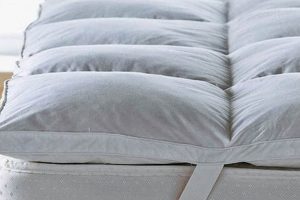
The baffle box design involves creating individual compartments within the mattress pad to contain the down feathers. These compartments, formed by vertical fabric walls (baffles), prevent the down from shifting and clumping together. This ensures uniform distribution across the entire surface, eliminating cold spots and providing consistent support. Without a baffle box design, the down tends to migrate, leading to uneven loft and reduced thermal efficiency. Examples of poor construction, such as channel stitching, result in significantly less effective insulation compared to a well-executed baffle box design.
- Stitch Density and Fabric Weave
The density of the stitching and the tightness of the fabric weave are crucial for preventing down leakage. A high stitch density and a tightly woven fabric, such as a high thread count cotton ticking, minimize the escape of down feathers through the seams and fabric itself. This not only prevents loss of fill but also reduces allergen exposure. Cheaper materials with loose weaves or sparse stitching are more prone to down leakage, resulting in a gradual depletion of the fill and pote
ntial allergic reactions. - Edge Construction and Binding
The edges of the mattress pad are particularly vulnerable to wear and tear. Reinforced edge construction, often involving durable binding or piping, protects the seams from unraveling and prevents down migration at the edges. A well-constructed edge provides structural integrity, ensuring the pad maintains its shape and integrity over time. Poorly finished edges are susceptible to fraying, which can lead to down leakage and a shortened lifespan.
- Fill Distribution and Weight
Consistent fill distribution is achieved through precise manufacturing processes that ensure the correct amount of down is allocated to each compartment. Uneven fill distribution can lead to discomfort and inconsistent support. The overall weight of the fill material also influences the firmness and cushioning provided by the mattress pad. Careful attention to these aspects ensures a balanced and comfortable sleeping surface.
In conclusion, construction is a fundamental element determining the effectiveness and durability of a down feather mattress pad. By considering the baffle box design, stitch density, edge construction, and fill distribution, consumers can make informed decisions to select products that provide optimal comfort and long-lasting performance. A superior construction not only enhances the immediate sleeping experience but also contributes to the overall value and longevity of the mattress pad.
3. Sourcing
The sourcing of down feathers for a mattress pad has a direct causal relationship with the product’s ethical implications, quality, and environmental impact. The origin of the down dictates whether humane treatment of waterfowl was prioritized during harvesting. Down acquired through live-plucking or force-feeding practices, though potentially cheaper, raises serious ethical concerns. Conversely, down sourced as a byproduct of the food industry, obtained after the birds have been processed, represents a more responsible approach. Verification through certifications like the Responsible Down Standard (RDS) confirms adherence to predetermined animal welfare standards and traceability throughout the supply chain. This verification allows consumers to make informed choices that align with their ethical values. Instances of misrepresented sourcing highlight the necessity for stringent verification protocols. Some vendors falsely claim ethical sourcing when, in reality, the down originates from unethical practices, leading to consumer deception and perpetuation of harmful industries.
Beyond ethical considerations, the geographical origin and processing methods influence the down’s quality and performance. Down from mature waterfowl raised in colder climates often possesses higher fill power, indicating superior insulation and loft. Improper cleaning or processing can damage the down clusters, reducing their ability to trap air and diminishing their insulating properties. Consequently, the sourced down directly affects the warmth, comfort, and longevity of the resulting mattress pad. For example, down sourced from European countries with strict regulations and sustainable farming practices often commands a premium due to its superior quality and ethical sourcing.
In summary, sourcing is a critical determinant of a down feather mattress pad’s overall value, impacting ethical considerations, product quality, and environmental footprint. Challenges remain in ensuring complete transparency and traceability within complex global supply chains. However, prioritizing ethically sourced and responsibly processed down aligns consumer purchasing decisions with values of animal welfare and environmental sustainability. The concept of sourcing is thus inextricably linked to the broader theme of responsible consumerism and the pursuit of sustainable manufacturing practices within the bedding industry.
4. Density
Density, in the context of a down feather mattress pad, relates to two primary characteristics: the fill density of the down within the pad and the thread density of the fabric encasing the down. Each type of density exerts a distinct influence on the performance, durability, and comfort offered by the mattress pad. High fill density, referring to a greater weight of down per unit area, typically results in a firmer and more supportive sleep surface, while a lower fill density provides a softer, more pliable feel. Similarly, high thread density in the fabric minimizes down leakage and allergen penetration, contributing to increased longevity and improved hygiene.
The interrelationship between fill density and thread density is crucial for optimizing the overall quality of a down feather mattress pad. For instance, a pad with a high fill density of ethically sourced goose down requires a tightly woven fabric, such as a cotton ticking with a thread count of 400 or higher, to effectively contain the fill and prevent its escape. Conversely, using a low-density fill with a loosely woven fabric would exacerbate down leakage, leading to a gradual loss of fill and diminished performance over time. Real-world examples demonstrate that consumers who prioritize both high fill density and high thread density often report greater satisfaction with the longevity, support, and overall comfort of their mattress pad compared to those who focus solely on one aspect. Practically, understanding this connection allows consumers to make informed purchasing decisions that align with their specific comfort preferences and budgetary constraints.
In summary, density is a multifaceted attribute that significantly influences the characteristics and performance of a down feather mattress pad. While higher density generally correlates with improved quality and longevity, it is essential to consider the balance between fill density and thread density to achieve optimal results. Challenges remain in accurately quantifying and comparing density levels across different products due to variations in testing methodologies and labeling practices. Nevertheless, acknowledging the critical role of density empowers consumers to evaluate mattress pads more effectively and make choices that maximize their investment and enhance their sleep experience. The concept of density links directly to the broader theme of material science and its application in optimizing the design and functionality of bedding products.
5. Cleaning
The cleaning regimen applied to a down feather mattress pad directly impacts its longevity, hygiene, and overall performance. Improper cleaning methods can irreparably damage the delicate down clusters, compromising their loft and insulating capabilities. Conversely, appropriate cleaning practices remove accumulated dust, allergens, and body oils, maintaining the pad’s cleanliness and breathability. The frequency and method of cleaning are thus crucial determinants of its continued functionality. A mattress pad that is never cleaned becomes a breeding ground for dust mites and allergens, potentially triggering allergic reactions and respiratory issues. The causal link between cleaning and the health of the mattress pad is undeniable.
Specific cleaning protocols are essential. Machine washing, if permitted by the manufacturer’s instructions, should be performed using a mild detergen
t designed for down products and a gentle cycle. The pad must be thoroughly dried in a large-capacity dryer on low heat, often with dryer balls to prevent clumping. Professional cleaning services specializing in down bedding offer an alternative, employing specialized equipment and techniques to minimize the risk of damage. Attempting to clean the pad with harsh chemicals or high heat will invariably damage the down, rendering the pad ineffective. A real-life example would be an individual who washes their down feather mattress pad using regular detergent and high heat, resulting in matted, compressed down and a significantly reduced lifespan for the product. Contrast this with someone who follows manufacturer’s guidelines, resulting in a pad that retains its loft and cleanliness for years.
In summary, the cleaning process is integral to preserving the integrity and performance of a down feather mattress pad. Challenges remain in consistently applying appropriate cleaning techniques due to varying manufacturer instructions and a lack of consumer awareness. However, understanding the direct correlation between cleaning practices and the pad’s condition is paramount for maximizing its lifespan and maintaining a healthy sleep environment. This emphasis on proper cleaning aligns with the broader theme of responsible product stewardship and the promotion of sustainable consumption practices within the bedding industry.
6. Protection

Safeguarding a down feather mattress pad is crucial for maintaining its integrity, hygiene, and longevity. Implementing appropriate protective measures preserves the investment and ensures continued comfort and performance.
- Waterproof Mattress Protector
A waterproof mattress protector acts as a primary barrier against spills, stains, and bodily fluids. These protectors typically feature a waterproof membrane laminated to a fabric surface. This barrier prevents liquids from penetrating the down fill, which can cause clumping, mold growth, and a reduction in loft. In a household with children or pets, a waterproof protector is essential to prevent accidental damage. Ignoring this protection can lead to irreversible damage requiring costly replacement of the mattress pad.
- Allergen-Resistant Encasement
Down feather mattress pads can be susceptible to dust mite infestation and allergen accumulation. An allergen-resistant encasement, constructed with a tightly woven fabric, creates a physical barrier that prevents dust mites from colonizing the pad and reduces exposure to allergens such as dust mite feces and pet dander. This encasement can significantly benefit individuals with allergies or asthma. Without such protection, the pad can become a reservoir for allergens, exacerbating respiratory issues.
- Regular Cleaning and Maintenance
While a protector and encasement offer external defense, regular cleaning and maintenance are also essential. Spot cleaning spills promptly prevents stains from setting. Periodically airing out the mattress pad helps to remove moisture and odors. Following the manufacturer’s instructions for washing or dry cleaning is crucial for maintaining the down’s loft and preventing damage. Neglecting these cleaning practices leads to the gradual degradation of the fill material and a shortened lifespan for the pad.
- Proper Storage
When not in use, a down feather mattress pad should be stored in a breathable cotton bag in a dry, well-ventilated area. Avoid storing the pad in plastic bags, which can trap moisture and promote mold growth. Storing the pad flat, rather than folded, helps to prevent creases and compression of the down. Improper storage can permanently damage the down fill, rendering the pad unusable. Following these storage guidelines preserves the integrity of the pad for future use.
Implementing these protective measures collectively ensures the prolonged usability and hygiene of a down feather mattress pad. The cost and effort associated with these precautions are minimal compared to the expense of replacing a damaged or contaminated mattress pad. Prioritizing protection is a prudent investment in both comfort and long-term value.
Frequently Asked Questions
This section addresses common inquiries regarding the selection, use, and maintenance of a down feather mattress pad. The information provided aims to clarify misconceptions and offer practical guidance for informed decision-making.
Question 1: What is the typical lifespan of a down feather mattress pad?
The lifespan of this item varies considerably depending on the quality of materials, construction, and the care it receives. With proper maintenance, including regular cleaning and the use of a protective cover, a high-quality example can last for five to ten years or more. Neglecting these factors can significantly shorten its lifespan.
Question 2: How does fill power affect the performance of a down feather mattress pad?
Fill power measures the loft and insulating ability of down. A higher fill power indicates greater loft and warmth for a given weight of down. This results in better pressure relief and temperature regulation. A lower fill power implies less insulation and cushioning.
Question 3: Is a down feather mattress pad suitable for individuals with allergies?
While down itself is not inherently allergenic, dust mites can accumulate within the fill. Using an allergen-resistant encasement and washing the pad regularly can minimize allergen exposure. Individuals with severe allergies should consult their physician before using this type of bedding.
Question 4: What cleaning methods are recommended for a down feather mattress pad?
Adherence to the manufacturer’s cleaning instructions is crucial. Many examples can be machine washed on a gentle cycle using a detergent specifically designed for down. Thorough drying on low heat is essential to prevent clumping. Professional cleaning is also a viable option.
Question 5: How does the construction of a down feather mattress pad influence its performance?
Construction techniques such as baffle box design prevent down from shifting and clumping, ensuring even distribution and consistent support. A tightly woven fabric minimizes down leakage and allergen penetration. Reinforced edges enhance durability.
Question 6: What factors should be considered when evaluating the ethical sourcing of down feathers?
Certifications such as the Responsible Down Standard (RDS) guarantee that the down is sourced from farms adhering to humane treatment standards. Transparency regarding the origin of the down and the practices employed during harvesting is essential.
In summary, understanding the properties of down, proper care techniques, and the importance of ethical sourcing contribute to informed purchasing decisions and prolonged satisfaction with a down feather mattress pad.
The following section will provide a comprehensive conclusion, summarizing the key considerations and benefits of this type of bedding accessory.
Conclusion
This discourse has comprehensively explored the attributes of the down feather mattress pad, emphasizing the critical roles of loft, construction, sourcing, density, cleaning, and protection. A clear understanding of these elements allows for informed purchasing decisions, optimizing both comfort and product longevity. Consideration of fill power, baffle box design, ethical sourcing certifications, and
appropriate cleaning protocols are essential for maximizing the investment in such a product.
The down feather mattress pad presents a potential avenue for enhancing sleep quality, provided careful attention is paid to its material composition and maintenance requirements. Consumers are encouraged to diligently evaluate available options, prioritizing ethical and sustainable practices while considering individual needs and preferences. The long-term value and efficacy of this bedding accessory hinge on a well-informed and conscientious approach.
![The Ultimate Sealy Heated Mattress Pad Guide [2024] | Organic & Natural Mattress Buyer’s Guide: Non-Toxic Sleep Solutions](https://mattressworldpa.com/wp-content/uploads/2025/07/th-4816-300x200.jpg "The Ultimate Sealy Heated Mattress Pad Guide [2024] Organic & Natural Mattress Buyer’s Guide: Non-Toxic Sleep Solutions")