![Firm vs Plush Mattress: Find Your Best Sleep [Guide]](data:image/svg+xml;base64,PHN2ZyB4bWxucz0iaHR0cDovL3d3dy53My5vcmcvMjAwMC9zdmciIHdpZHRoPSI0NzQiIGhlaWdodD0iMTI0IiB2aWV3Qm94PSIwIDAgNDc0IDEyNCI+PHJlY3Qgd2lkdGg9IjEwMCUiIGhlaWdodD0iMTAwJSIgc3R5bGU9ImZpbGw6I2NmZDRkYjtmaWxsLW9wYWNpdHk6IDAuMTsiLz48L3N2Zz4= "Firm vs Plush Mattress: Find Your Best Sleep [Guide] Organic & Natural Mattress Buyer’s Guide: Non-Toxic Sleep Solutions")
The spectrum of mattress comfort levels spans from yielding surfaces that conform closely to the body, to resilient platforms that offer substantial support. This variance in feel is primarily achieved through differences in construction materials, layering, and the density of core components. Individuals often select between these options based on personal preference, sleeping position, and specific physical needs. For example, one may describe a particular option as a rigid sleeping surface, while another will describe an option as an enveloping sleeping surface.
The selection of an appropriate sleep surface can significantly influence spinal alignment, pressure point relief, and overall sleep quality. Throughout history, various materials and techniques have been employed to create differing levels of support and cushioning. From early straw-filled ticks to modern memory foam and innerspring designs, the evolution of sleep surfaces reflects a continuous pursuit of optimal comfort and health. Such selection involves understanding the implications for body support.
Therefore, understanding the attributes of different mattress types is crucial in making an informed decision. The following sections will detail the characteristics, advantages, and potential drawbacks associated with each option, providing insights to assist in selecting the sleep surface best suited to individual requirements.
Considerations for Selecting a Mattress Comfort Level
Choosing between different mattress types requires careful evaluation of individual needs and preferences. The following recommendations provide a framework for making an informed decision.
Tip 1: Assess Sleeping Position: Side sleepers generally benefit from a more conforming surface to alleviate pressure on the shoulders and hips. Back and stomach sleepers often require a firmer surface to maintain spinal alignment.
Tip 2: Evaluate Body Weight: Individuals with higher body weight may require greater support to prevent excessive sinking into the mattress. A firmer mattress is generally recommended in these cases.
Tip 3: Consider Spinal Alignment: Proper spinal alignment is essential for preventing back pain. A mattress should support the natural curvature of the spine, regardless of sleeping position.
Tip 4: Address Pressure Point Sensitivity: Individuals prone to pressure point pain should seek a mattress that distributes weight evenly. Options with thicker comfort layers or specialized materials, such as memory foam, may be beneficial.
Tip 5: Account for Partner Preferences: If sharing a bed, consider the preferences of both individuals. A compromise may be necessary to find a mattress that meets both needs. Exploring hybrid options can address this.
Tip 6: Research Material Composition: Different materials offer varying degrees of support, comfort, and durability. Understanding the characteristics of innerspring, memory foam, latex, and hybrid mattresses is crucial.
Tip 7: Trial Period Utilization: Take advantage of any trial period offered by the manufacturer or retailer. This allows for a realistic assessment of the mattress’s suitability in a home environment.
By carefully considering these factors, individuals can increase the likelihood of selecting a mattress that promotes restful sleep and supports long-term physical well-being.
The subsequent sections will offer a detailed comparison of specific mattress types and their suitability for various needs and circumstances.
1. Spinal Alignment

Optimal spinal alignment is a critical factor in sleep quality and musculoskeletal health, directly influenced by mattress selection. The degree to which a sleep surface maintains the natural curvature of the spine determines its suitability for individual needs. A mattress that allows the spine to sag out of alignment can contribute to back pain, muscle stiffness, and nerve compression. The key to maintain neutral alignment lies in evenly distributing weight across the sleeping surface. For example, a mattress that maintains the natural spinal curve when lying on one’s back, without excessive sinking or pressure points, is considered suitable.
A firmer option generally provides greater resistance to compression, preventing excessive sinking of the hips and shoulders, which is particularly beneficial for back and stomach sleepers. This support helps maintain the natural ‘S’ curve of the spine. Conversely, a more yielding sleep surface allows the body to conform to the mattress, reducing pressure points on prominent joints, such as the shoulders and hips, making it potentially suitable for side sleepers, where the spine curves slightly naturally. However, if a soft mattress lacks adequate support, the spine can still misalign, leading to discomfort. Consideration must be given to proper support for both sleeping positions.
Selecting the correct mattress firmness requires careful assessment of individual sleeping positions, body weight distribution, and pre-existing spinal conditions. A mattress that effectively supports the spine promotes muscle relaxation, reduces joint stress, and contributes to restorative sleep. The correlation between spinal alignment and sleep surface should not be overlooked, because the impact on long-term spinal health is considerable.
2. Pressure Relief

Pressure relief is a critical consideration in sleep surface selection, directly impacting comfort and mitigating discomfort associated with prolonged contact between the body and the mattress. The ability of a mattress to redistribute weight and reduce localized pressure is central to preventing pain, promoting circulation, and enhancing sleep quality. The difference in how such sleep surfaces achieve this defines their suitability for individual needs. The primary focus is on the effect these mattresses have on areas such as the shoulders, hips, and knees.
- Surface Conformity
Surface conformity refers to the degree to which a mattress adapts to the contours of the body. A more conforming surface, typical of a plush option, allows the body to sink in, distributing weight over a larger area and reducing peak pressure on specific points. This can be particularly beneficial for side sleepers, who experience concentrated pressure on the shoulders and hips. Conversely, a less conforming surface, as found in a rigid option, provides more uniform support, which may be preferable for individuals who require greater stability.
- Material Elasticity
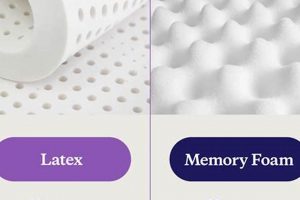
Material elasticity, or the ability of a material to return to its original shape after being compressed, also influences pressure relief. Memory foam, for example, exhibits high elasticity, contouring closely to the body and minimizing pressure points. Latex offers a more resilient elasticity, providing both support and pressure relief. Innerspring mattresses, on the other hand, rely primarily on the compression of coils to provide support, with limited inherent pressure-relieving properties, often requiring additional comfort layers to enhance surface conformity.
- Layer Composition
The arrangement of materials within a mattress plays a crucial role in pressure relief. A mattress with a thick comfort layer, composed of materials like memory foam or latex, can effectively cushion pressure points. Conversely, a mattress with a thin comfort layer, or one that relies solely on a firm support core, may not provide adequate pressure relief. Hybrid mattresses, combining innerspring coils with multiple comfort layers, attempt to balance support and pressure relief. Layered options can also customize pressure relief.
- Impact on Circulation
Sustained pressure on certain areas of the body can impede blood flow, leading to discomfort, numbness, and the need to shift positions during sleep. A sleep surface that adequately distributes weight can mitigate these effects, promoting healthy circulation and reducing the frequency of nighttime awakenings. The type of material used plays a crucial role in minimizing pressure-related circulatory issues, impacting the quality and duration of sleep. For instance, poor circulation can make one reposition themselves frequently, and may lead to less recovery.
In summary, the effectiveness of a sleep surface in providing pressure relief depends on its surface conformity, material elasticity, and layer composition. Selecting a mattress that adequately addresses individual pressure point sensitivities is essential for promoting comfort, preventing pain, and optimizing sleep quality. The distinction between the types of materials used is key in achieving the best pressure relief for the user.
3. Sleeping Position

Sleeping position is a primary determinant in selecting an appropriate sleep surface. The alignment of the spine, distribution of body weight, and minimization of pressure points are all influenced by the adopted sleeping posture, thereby establishing a direct correlation with the suitability of different mattress types.
- Side Sleeping
Side sleeping, characterized by spinal curvature and concentrated pressure on the hips and shoulders, often benefits from a more conforming mattress. A softer or more plush surface allows these pressure points to sink into the mattress, distributing weight and reducing localized stress. A mattress that is too rigid for side sleepers may exacerbate pressure, leading to discomfort and disrupted sleep. The key is balancing support and cushioning to maintain spinal alignment and alleviate pressure-induced pain.
- Back Sleeping
Back sleeping, which naturally promotes spinal alignment, typically requires a firmer surface to prevent excessive sinking of the hips. A rigid option provides uniform support, maintaining the natural curvature of the spine and preventing the development of lower back pain. If the mattress is too soft, the hips may sink excessively, causing spinal misalignment and discomfort. However, a mattress that is too firm may not provide adequate contouring to the lumbar region, leading to pressure points. A balance is crucial.
- Stomach Sleeping
Stomach sleeping, often discouraged due to its potential to cause spinal strain, generally necessitates a very firm mattress to prevent excessive arching of the lower back. Because stomach sleeping can force the spine into an unnatural position, a rigid surface minimizes this effect by providing maximal support and preventing the midsection from sinking too deeply. However, it is generally recommended to transition to a side or back sleeping position for optimal spinal health.
- Combination Sleeping
Combination sleepers, who transition between multiple positions throughout the night, often require a mattress that offers a balance of support and pressure relief. A medium-firmness mattress, or a hybrid model with targeted support zones, may be suitable for accommodating the diverse needs of combination sleepers. The goal is to find a sleep surface that provides adequate support for back sleeping while also offering sufficient cushioning for side sleeping. Trial periods and adjustable firmness options can be valuable in determining the optimal choice.
In conclusion, the connection between sleeping position and mattress selection is undeniable. Each posture presents unique requirements for spinal alignment and pressure relief, necessitating a tailored approach to choosing the most appropriate sleep surface. Understanding the distinct characteristics of different mattresses in relation to individual sleeping positions is essential for promoting optimal comfort and long-term musculoskeletal health.
4. Body Weight
Body weight significantly influences the perceived comfort and support provided by a mattress. The degree to which a mattress compresses under an individual’s weight directly affects spinal alignment, pressure distribution, and overall sleep quality. A mismatch between body weight and mattress firmness can lead to discomfort, pain, and disrupted sleep patterns. Consequently, the selection of an appropriate mattress type, whether a rigid option or an enveloping sleeping surface, hinges significantly on this factor. An individual with a lower body mass, for example, will perceive a firm mattress as unyielding, potentially leading to pressure point discomfort. Conversely, a heavier individual may find a plush mattress lacking in support, resulting in spinal misalignment. For example, a person weighing 250 pounds will need a mattress with a robust support core to prevent excessive sinking, while someone weighing 130 pounds may find such a mattress too hard, not allowing for proper contouring and pressure relief.
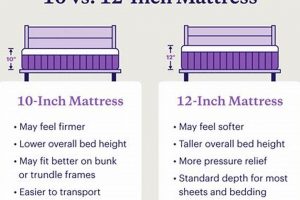
The interaction between body weight and mattress firmness is evident in the performance of different mattress materials. High-density foams and robust innerspring systems offer greater resistance to compression, making them suitable for individuals with higher body weights who require consistent support across the entire sleep surface. Softer materials, such as low-density memory foam, conform more readily to the body’s contours, providing enhanced pressure relief for lighter individuals. Hybrid mattresses, combining elements of both innerspring and foam construction, attempt to accommodate a broader range of body weights by strategically layering different materials to optimize both support and comfort. Mattress thickness plays a part as well. A mattress with 8 inch thickness and plush material, will sink very quickly and may bottom out with person having 250 pounds weight.
In summary, the ideal mattress choice is determined by a synergy of factors, with body weight playing a pivotal role. Failure to consider body weight in the selection process can lead to suboptimal spinal alignment, increased pressure point discomfort, and ultimately, diminished sleep quality. The practical significance of understanding this connection lies in the ability to make informed decisions that promote restorative sleep and long-term musculoskeletal health. Navigating mattress selection requires careful consideration of body weight in conjunction with other factors such as sleeping position and personal preferences.
5. Material Density

Material density serves as a primary determinant in differentiating between the characteristics of a “firm mattress vs plush mattress.” The density of the materials used in construction directly influences the mattress’s support, durability, and overall feel. Higher density materials, such as high-density memory foam or tightly coiled innerspring systems, contribute to a firmer surface, providing greater resistance to compression. This support is crucial for maintaining spinal alignment, particularly for individuals who require more substantial support due to body weight or preferred sleeping position. In contrast, lower density materials, often found in plusher mattresses, offer less resistance and allow for greater conformity to the body’s contours, prioritizing pressure relief.
The selection of material density has direct ramifications on the longevity of the mattress. Mattresses constructed with high-density materials tend to exhibit greater resistance to sagging and indentation over time, extending their lifespan. Low-density materials, while initially providing a softer feel, are more susceptible to compression and breakdown, leading to reduced support and diminished comfort over the long term. For instance, a plush mattress utilizing low-density foam may initially provide a luxurious feel, but over several years, the foam can degrade, resulting in body impressions and a loss of overall support. This necessitates a replacement sooner compared to a firm mattress constructed with high-density materials that retain their structural integrity for a longer period.
In summation, material density is a key factor to weigh in mattress selection, fundamentally impacting its firmness, support characteristics, longevity, and suitability for individual needs. Recognizing the influence of material density enables consumers to make informed decisions, aligning mattress characteristics with individual requirements for spinal alignment, pressure relief, and long-term durability. The density dictates a mattress’s overall lifespan, making it one of the most crucial factors to consider when purchasing a mattress.
6. Longevity

The lifespan of a mattress, its longevity, is inextricably linked to its construction and core design principles, particularly when differentiating between the characteristics of a “firm mattress vs plush mattress.” A firm mattress, typically engineered with higher density materials and robust support systems, often demonstrates a greater resistance to wear and tear, extending its usable lifespan. Conversely, a plush mattress, prioritizing comfort through softer materials and conforming layers, may exhibit a comparatively shorter lifespan due to the accelerated degradation of its components under consistent pressure. This discrepancy arises from the inherent differences in material composition and the stress each type of mattress endures during regular use. A real-life example illustrates this point; a budget plush mattress may only last 3-5 years, while a high-quality firm mattress could easily maintain its supportive properties for 7-10 years or more. The practical significance of understanding this distinction lies in the long-term cost-effectiveness and sustained comfort provided by a carefully selected mattress. The construction method employed dictates its useful life.
Factors contributing to the disparity in longevity include the density and quality of the core support system, the type and thickness of comfort layers, and the overall construction techniques employed. Firm mattresses tend to rely on high-gauge innerspring units or dense foam cores, providing a stable and resilient foundation that resists sagging and compression over time. Plush mattresses, on the other hand, often incorporate softer, less dense materials in their comfort layers to enhance surface conformity and pressure relief. However, these softer materials are inherently more susceptible to compression and breakdown, leading to a gradual loss of support and diminished comfort. For instance, a plush mattress with a thick layer of low-density memory foam may initially offer exceptional comfort, but over time, the foam cells can collapse, creating body impressions and reducing the mattress’s ability to evenly distribute weight. Proper maintenance like rotating and flipping can add life span.
In summary, while both “firm mattress vs plush mattress” serve distinct purposes in addressing individual sleep preferences, their inherent design and material properties directly impact their longevity. Firm mattresses, constructed with durable materials and robust support systems, generally offer a longer lifespan and sustained support. Plush mattresses, while prioritizing immediate comfort through softer, conforming materials, are more prone to degradation and may require more frequent replacement. Considering the implications of longevity is essential for making an informed mattress purchase, balancing initial comfort with long-term value and performance. The right choice considers initial cost along with the extended useful life of the product.
Frequently Asked Questions
The following questions address common inquiries and misconceptions related to the selection of mattress firmness. The information presented aims to provide clarity and support informed decision-making.
Question 1: What constitutes a firm mattress, and what are its primary characteristics?
A rigid mattress provides minimal surface give, offering substantial support and resistance to compression. Construction typically involves high-density materials and robust support systems to maintain spinal alignment. Such choice is often recommended for back and stomach sleepers.
Question 2: What defines a plush mattress, and what are its distinguishing features?
A yielding mattress is characterized by a soft, conforming surface that cushions pressure points. Lower-density materials and thicker comfort layers are employed to enhance surface conformity. This type is often preferred by side sleepers seeking pressure relief.
Question 3: Which sleeping position benefits most from a rigid mattress?
Back and stomach sleepers generally benefit from a more rigid option, as it helps to maintain spinal alignment by preventing excessive sinking of the hips. However, individual preferences and body weight should also be considered.
Question 4: Which sleeping position is best suited for a yielding mattress?
Side sleepers typically experience greater comfort on a more yielding sleep surface, as it allows the shoulders and hips to sink in, reducing pressure point discomfort. Alignment remains important to consider, even in this sleeping position.
Question 5: How does body weight impact the selection of mattress firmness?
Individuals with higher body weights often require a firmer sleep surface to prevent excessive sinking and maintain spinal alignment. Those with lower body weights may find a yielding mattress more comfortable, as it provides adequate pressure relief without compromising support.
Question 6: What role does material density play in determining mattress firmness and longevity?
High-density materials contribute to greater firmness and increased resistance to wear and tear, extending the lifespan of the mattress. Low-density materials, while providing enhanced surface conformity, are more susceptible to compression and degradation over time.
In summary, the selection of mattress firmness is a multifaceted decision that requires careful consideration of sleeping position, body weight, and material properties. An understanding of these factors is crucial for promoting optimal sleep quality and long-term musculoskeletal health.
The subsequent sections will delve into the comparative advantages and disadvantages of various mattress types, providing further guidance to assist in the selection process.
Concluding Remarks
The preceding analysis has explored the multifaceted considerations inherent in selecting between a firm mattress and a plush mattress. Key factors such as spinal alignment, pressure relief, sleeping position, body weight, material density, and longevity have been examined to provide a comprehensive understanding of the nuanced distinctions between these options. The selection process requires a careful evaluation of individual needs and preferences to optimize sleep quality and promote long-term musculoskeletal health. It is crucial to balance comfort with appropriate support.
Ultimately, the choice between a firm mattress and a plush mattress represents a significant investment in personal well-being. A well-informed decision, based on a thorough understanding of individual requirements and mattress characteristics, can contribute substantially to improved sleep patterns and overall health. Therefore, further research and, if possible, in-person evaluation are strongly recommended to ensure the chosen mattress aligns with specific needs.