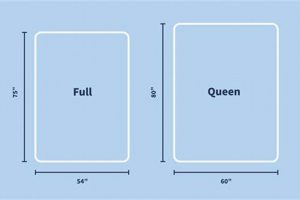
These encasements are designed to protect a standard-sized mattress on all six sides. They feature a closure mechanism that runs along the perimeter, allowing for complete enclosure and secure protection against allergens, bed bugs, dust mites, and spills. For example, a family with young children might use one to safeguard against accidental liquid damage.
The utilization of such protective bedding offers several advantages. It extends the lifespan of the mattress by preventing wear and tear, thereby potentially delaying the need for replacement. Furthermore, these barriers contribute to a healthier sleep environment by mitigating allergen exposure. Historically, simpler forms of mattress protection existed, but the advent of the zippered encasement provided a more complete and reliable solution.
Understanding the materials, features, proper installation techniques, and care instructions associated with these products is essential for maximizing their effectiveness and longevity. The subsequent sections will delve into these aspects, providing a comprehensive overview for informed decision-making.
Selecting and Maintaining Mattress Encasements
Maximizing the protective and hygienic benefits requires careful selection, proper installation, and diligent maintenance.
Tip 1: Material Selection: Opt for breathable materials like cotton or specialized microfiber blends to prevent moisture buildup. Non-breathable materials may trap perspiration and create an environment conducive to mold growth.
Tip 2: Zipper Quality: Prioritize encasements with durable zippers. Inspect the zipper pull and teeth to ensure smooth operation and resistance to breakage, as a malfunctioning zipper compromises the entire encasement’s effectiveness.
Tip 3: Waterproofing vs. Water Resistance: Understand the distinction. Waterproof models offer complete liquid impermeability, suitable for heavy incontinence. Water-resistant options provide protection against minor spills and are often more breathable.
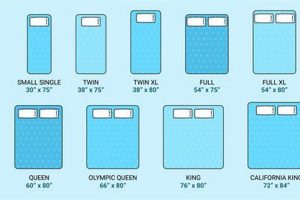
Tip 4: Proper Sizing: Verify accurate measurements of the mattress before purchase. An ill-fitting encasement, either too tight or too loose, reduces its effectiveness and may damage the zipper.
Tip 5: Installation Technique: Encase the mattress completely, ensuring the zipper is fully closed and secured. Avoid forcing the encasement, as this can strain the zipper and seams.
Tip 6: Regular Cleaning: Follow manufacturer instructions for washing and drying. Regular cleaning, typically every 1-2 months, removes allergens and dust mites.
Tip 7: Inspect for Damage: Periodically examine the encasement for tears, punctures, or zipper malfunctions. Address any damage promptly to maintain its protective barrier.
Adhering to these guidelines ensures the selected encasement effectively safeguards the mattress, contributing to a cleaner, healthier sleep environment and prolonging the mattress’s lifespan.
The final section will summarize the critical elements of proper utilization.
1. Allergen Barrier
The integration of an allergen barrier within mattress encasements is a significant feature designed to mitigate exposure to common household allergens. This functionality is particularly relevant for individuals with sensitivities to dust mites, pet dander, and other airborne particles commonly found in bedding.
- Pore Size and Fabric Density
The effectiveness of an allergen barrier relies on the fabric’s pore size and density. Tightly woven materials with microscopic pores prevent allergens from penetrating the mattress. This physical barrier reduces allergen concentration within the sleeping environment. A practical example is the use of tightly woven microfiber, demonstrating its effectiveness in laboratory allergen penetration tests.
- Dust Mite Resistance
Mattress encasements act as a primary defense against dust mites, a common allergen trigger. By encasing the mattress, the cover restricts dust mites from colonizing within the mattress fibers. This barrier minimizes direct contact with dust mite allergens, reducing allergic reactions. A family member with dust mite allergies experiencing a reduction in nighttime congestion after implementing a zippered mattress cover exemplifies this effect.
- Pet Dander Containment
For pet owners, mattress encasements with allergen barriers can significantly reduce exposure to pet dander. The cover traps dander shed by pets, preventing it from circulating throughout the room. This containment strategy limits airborne allergens and their potential to cause allergic symptoms. A pet owner noticing less sneezing after installing the cover illustrates this benefit.
- Hypoallergenic Material Composition
Many mattress encasements are constructed from inherently hypoallergenic materials. These materials resist the accumulation of allergens and inhibit the growth of mold and bacteria. These hypoallergenic characteristics contribute to a cleaner and healthier sleeping environment, further reducing allergen exposure. Bamboo fabric, for example, are materials often selected for such properties.
The combination of these features creates a protective barrier that addresses multiple sources of allergens, improving sleep quality and reducing allergic reactions. The allergen barrier component directly enhances the value and functionality of mattress covers with zippers, providing comprehensive protection against irritants and creating a more conducive environment for rest.
2. Bed Bug Protection

The utilization of zippered mattress encasements offers a significant preventative measure against bed bug infestations. These pests, nocturnal in nature, seek refuge within mattresses and box springs, causing discomfort and potential health concerns. The encasement functions as a physical barrier, preventing bed bugs from infesting the mattress in the first instance, or from escaping a currently infested mattress to other areas. An example of this is travelers use these as a protective shield, and those returning home from travel are encouraged to immediately wash and heat-dry their clothing, inspect their luggage, and consider encasing their mattress and box spring to contain any potential bed bugs brought home.
The efficacy of bed bug protection relies heavily on the encasement’s construction. A tightly woven fabric, combined with a tamper-proof zipper that seals completely, is critical. In practice, regular inspections of the encasement are recommended to identify and address any potential breaches, such as tears or zipper malfunctions, which could compromise its integrity. Early detection and remediation of small tears and damage will keep it intact.
In summary, zippered mattress encasements are an integral component of a comprehensive bed bug control strategy. While not a standalone solution for an existing infestation, they play a crucial role in prevention and containment. The selection of a high-quality encasement, combined with diligent inspection and maintenance, provides a reliable layer of protection against these pests.
3. Waterproof Layer

The incorporation of a waterproof layer within zippered mattress encasements addresses a critical need for protection against liquid damage. This layer prevents spills, bodily fluids, and other liquids from penetrating the mattress core. Without this protection, mattresses are susceptible to staining, odor development, and microbial growth, which can compromise hygiene and shorten the mattress’s lifespan. For instance, a child wetting the bed or a pet having an accident can lead to irreversible damage if the mattress is unprotected. The waterproof layer acts as a barrier, mitigating these risks. Many mattress manufacturers will not honor warranties on a soiled mattress, and therefore having a water proof layer prevents that.
The effectiveness of the waterproof layer depends on the materials used and the manufacturing process. Polyurethane and vinyl are common materials employed for their impermeable qualities. However, breathability is an important consideration to prevent moisture buildup within the encasement. Advanced materials, such as laminated fabrics, offer a balance between waterproof protection and breathability. Improper maintenance, such as using harsh chemicals or high heat during cleaning, can compromise the integrity of the waterproof layer. For example, avoid using bleach, as this can break down the waterproof properties of many materials.
In conclusion, the waterproof layer is an indispensable component of zippered mattress encasements, safeguarding against liquid damage and promoting a hygienic sleep environment. Careful material selection, proper care, and awareness of potential limitations are essential to maximize its effectiveness and longevity. The waterproof component is a key selling point of this product.
4. Durable Zipper
A durable zipper is a critical component of mattress encasements. Its primary function is to securely seal the encasement, providing a complete barrier against allergens, bed bugs, and fluids. A substandard zipper can easily fail, compromising the entire encasement’s purpose. For instance, if the zipper teeth separate under stress, a gap forms, allowing bed bugs to enter and infest the mattress, thus negating the protection offered by the surrounding material. Therefore, the quality and robustness of the zipper directly determine the effectiveness of the encasement.
The choice of zipper material and construction significantly impacts its durability. Metal zippers, typically made of steel or brass, generally offer greater resistance to wear and tear compared to plastic zippers. However, metal zippers can be more susceptible to corrosion. Furthermore, the zipper pull design and the stitching used to attach the zipper to the encasement fabric are crucial factors. A poorly designed pull can break easily, and weak stitching can cause the zipper to detach from the fabric, rendering the encasement unusable. A family discovering a broken zipper after only a few months of use exemplifies the cost associated with a lack of durability.
In summation, a durable zipper is not merely an ancillary feature but an essential element that ensures the performance and longevity of mattress encasements. Selecting encasements with high-quality zippers constructed from robust materials and reinforced stitching is paramount. Challenges remain in balancing cost-effectiveness with the need for long-term reliability. The understanding of the impact of zipper design and material choices on durability is an essential selection criterion for discerning purchasers.
5. Breathable Fabric
Breathable fabric is an essential consideration in the design and selection of mattress encasements. It directly impacts user comfort, hygiene, and the overall lifespan of the mattress itself. Without adequate breathability, moisture can accumulate within the encasement, creating an environment conducive to mold growth and bacterial proliferation. This section details key facets of breathable fabric in relation to mattress encasements.
- Moisture Regulation
Breathable fabrics facilitate the evaporation of perspiration and other forms of moisture that accumulate during sleep. This process helps regulate body temperature, promoting a more comfortable sleeping environment. For example, cotton and bamboo are commonly used materials known for their moisture-wicking properties. In contrast, non-breathable materials trap moisture, leading to discomfort and potential skin irritation. The accumulation of moisture can also degrade the mattress over time.
- Air Circulation
Effective air circulation within the mattress encasement reduces the risk of mold and mildew growth. Breathable fabrics allow air to permeate the encasement, preventing the buildup of humidity. This is particularly important in warmer climates or for individuals who tend to perspire heavily during sleep. For example, open-weave fabrics promote greater airflow compared to tightly woven materials. The enhanced air circulation helps maintain a drier and more hygienic sleep surface.
- Material Composition
The inherent properties of different fabrics significantly affect breathability. Natural fibers, such as cotton, linen, and bamboo, typically exhibit higher breathability compared to synthetic materials like polyester or vinyl. The structure of the fiber and the weave pattern influence the material’s ability to allow air and moisture to pass through. For instance, a linen encasement will generally be more breathable than a vinyl encasement, impacting comfort and hygiene.
- Impact on Allergen Control
While providing breathability, the fabric must also maintain its ability to act as an allergen barrier. Tightly woven breathable fabrics are designed to prevent dust mites and other allergens from penetrating the encasement, even while allowing air and moisture to pass through. This balance is crucial for individuals with allergies or asthma. An example would be the use of a tightly woven cotton that meets OEKO-TEX standards, ensuring both breathability and effective allergen control.
The selection of a mattress encasement with breathable fabric requires careful consideration of various factors, including material composition, weave density, and the individual’s specific needs and sensitivities. Breathability enhances the user experience by promoting comfort and hygiene, while also contributing to the longevity of the mattress. The correct choice protects the investment in both sleep quality and product durability.
6. Proper Fit

The concept of proper fit is inextricably linked to the functionality of mattress encasements. An ill-fitting cover, whether too loose or too tight, compromises its ability to provide complete protection. When the encasement is excessively loose, it may shift and bunch, creating gaps that allow allergens, bed bugs, or liquids to penetrate the mattress. Conversely, an encasement that is too tight can place undue stress on the zipper and seams, leading to premature failure. The direct cause and effect relationship underscores the importance of accurate measurements and adherence to manufacturer sizing guidelines. For instance, attempting to fit a cover designed for a standard-depth mattress onto a pillow-top mattress will likely result in inadequate coverage or zipper strain.
Proper fit extends beyond merely covering the mattress; it ensures uniform protection across all surfaces. A snug fit prevents the encasement from becoming dislodged during normal use, maintaining a consistent barrier against potential contaminants. Practical application of this understanding involves carefully measuring the mattress’s length, width, and depth before purchasing an encasement. Furthermore, consumers should verify that the selected encasement is specifically designed for their mattress type, considering factors such as pillow-top construction or integrated mattress pads. An example of a properly fitted encasement is one that lies smoothly against the mattress surface, with the zipper closing easily without excessive force. Regular inspection of the fit is also crucial to detect any stretching or slippage over time.
In summary, proper fit is not merely a desirable attribute but a fundamental requirement for mattress encasements to perform their intended function effectively. Challenges arise when manufacturers’ sizing standards vary, necessitating careful comparison and verification. However, the benefits of ensuring a proper fit enhanced protection, increased durability, and a healthier sleep environment outweigh the effort required. The relationship between proper fit and the protective capabilities of mattress encasements is a cornerstone of product performance and customer satisfaction.
7. Easy Cleaning

The characteristic of easy cleaning is a significant factor influencing the practical value and long-term hygiene of zippered mattress encasements. The ability to readily clean these protective covers directly impacts their effectiveness in maintaining a sanitary sleep environment.
- Washability and Drying
Most zippered mattress encasements are designed to be machine washable, facilitating the removal of allergens, dust mites, and surface stains. Proper laundering, following the manufacturer’s instructions, is crucial for maintaining the fabric’s integrity and waterproof properties. For example, using cold water and a mild detergent can prevent shrinkage and color fading. Similarly, tumble drying on a low heat setting avoids damaging the waterproof layer. The convenience of machine washability significantly contributes to the overall hygiene of the sleeping environment.
- Stain Resistance and Removal
Many encasements feature stain-resistant treatments that simplify the removal of spills and stains. This characteristic is particularly beneficial in households with children or pets. For example, wiping away a spill with a damp cloth can prevent it from penetrating the fabric and staining the mattress. For more stubborn stains, using a mild stain remover specifically designed for delicate fabrics is recommended. Regular spot cleaning helps maintain the encasement’s appearance and prevents the buildup of dirt and grime.
- Material Composition and Maintenance
The material composition of the encasement influences its ease of cleaning. Fabrics like cotton and microfiber are generally easier to clean compared to more complex materials. Proper care involves avoiding harsh chemicals and abrasive cleaners, which can damage the fabric and compromise its protective properties. For example, using bleach can weaken the waterproof layer and fade the color of the fabric. Following the manufacturer’s recommended cleaning guidelines ensures the encasement remains effective and aesthetically pleasing over time.
- Frequency of Cleaning
The recommended frequency of cleaning depends on individual circumstances and usage patterns. For individuals with allergies or asthma, more frequent cleaning, such as every 1-2 months, is advisable. In general, washing the encasement every 3-6 months helps maintain a clean and hygienic sleep environment. Regular cleaning not only removes allergens and stains but also helps prevent the buildup of odors and the growth of mold and mildew. A consistent cleaning schedule ensures the encasement remains effective in protecting the mattress.
The facets of washability, stain resistance, material composition, and appropriate cleaning frequency collectively define the “easy cleaning” aspect of zippered mattress encasements. Considering these factors when selecting and maintaining an encasement is paramount for preserving a healthy and comfortable sleeping environment. The practical implications extend to both convenience and the long-term preservation of the mattress itself.
Frequently Asked Questions
This section addresses common inquiries regarding the selection, application, and maintenance of mattress covers incorporating zippered closures. The information presented aims to provide clarity and assist in informed decision-making.
Question 1: What differentiates a full mattress cover with zippers from a standard mattress protector?
Full mattress covers with zippers, also known as encasements, fully enclose the mattress on all six sides, providing a comprehensive barrier. Standard mattress protectors typically cover only the top surface and sides, offering limited protection against allergens, bed bugs, and spills.
Question 2: Are full mattress covers with zippers effective against bed bugs?
Yes, when properly installed and maintained. The encasement prevents bed bugs from infesting the mattress and provides no harborage to existing infestation within the mattress. The zipper must be fully closed and the encasement free from tears or punctures for optimal efficacy.
Question 3: How frequently should a full mattress cover with zippers be laundered?
The recommended frequency depends on individual circumstances. For individuals with allergies or asthma, laundering every 1-2 months is advisable. For general use, laundering every 3-6 months is sufficient. Always refer to the manufacturer’s instructions for specific care guidelines.
Question 4: Can a full mattress cover with zippers resolve an existing bed bug infestation?
No. Encasements assist in containment and prevention, but professional pest control services are necessary to eliminate an existing bed bug infestation. Encasements can be applied after treatment to prevent re-infestation from any remaining bugs.
Question 5: Will a full mattress cover with zippers alter the comfort of the mattress?
The impact on comfort varies depending on the material of the encasement. Thicker, non-breathable materials may alter the feel of the mattress more noticeably than thinner, breathable options. Select materials that prioritize comfort alongside protection.
Question 6: How does one ensure proper sizing when purchasing a full mattress cover with zippers?
Measure the mattress’s length, width, and depth precisely. Compare these measurements to the manufacturer’s sizing chart to ensure a snug, but not overly tight, fit. Consider mattress depth, especially for pillow-top models.
These FAQs underscore the importance of informed selection and consistent maintenance in maximizing the benefits of full mattress covers with zippers. Proper application and care are essential for effective protection and a healthy sleep environment.
The following section provides practical guidance on selecting a suitable product.
Conclusion
Full mattress covers with zippers constitute a significant investment in both mattress longevity and personal well-being. This discussion has underscored the importance of material selection, proper fit, and consistent maintenance in realizing the product’s protective potential. From allergen barriers to bed bug resistance and waterproof capabilities, these encasements offer multifaceted defense against various threats to a clean and healthy sleep environment.
The informed deployment of full mattress covers with zippers contributes substantially to prolonged mattress lifespan and enhanced sleep hygiene. Prudent evaluation of individual needs, combined with adherence to best practices in selection and care, ensures optimal realization of the product’s intended benefits. The continued development of advanced materials promises even greater enhancements in protection and comfort, solidifying the role of full mattress covers with zippers as an essential component of modern sleep systems.