A sleeping platform designed to accommodate a standard full-size mattress, elevated to create usable space beneath, often incorporating an integrated work surface. This configuration maximizes floor area, particularly valuable in smaller living environments such as apartments, dormitories, or multi-purpose rooms. For instance, the elevated bed area frees up ground-level space for studying, relaxing, or storage.
The key advantage of such a space-saving design lies in its ability to combine essential functions, such as sleeping and working, within a single furniture piece. Historically, elevated sleeping arrangements have been utilized in settings where space is limited, from ships’ bunks to military barracks. Modern designs offer a versatile solution for optimizing living areas, increasing organizational opportunities, and potentially enhancing perceived spaciousness within a confined area. The combination also fosters a more structured separation between work and rest zones.
Subsequent sections will delve into the specific dimensions, materials, assembly considerations, safety features, and ergonomic implications associated with this type of furniture, providing a detailed examination of factors relevant to selection and optimal utilization.
Essential Considerations
The following recommendations are intended to inform the selection, assembly, and utilization of space-optimizing sleep and study furniture.
Tip 1: Measure Available Space: Precisely determine the room’s dimensions, including ceiling height. Insufficient headroom above the mattress or inadequate floor space for the desk area can render the unit impractical.
Tip 2: Evaluate Construction Materials: Prioritize solid wood or high-gauge steel for frame construction. These materials offer superior structural integrity and long-term durability, critical for supporting the elevated bed platform.
Tip 3: Assess Ladder or Staircase Design: Consider the ease of access and safety. Angled ladders or integrated staircases offer increased stability compared to vertical ladders, particularly for frequent use.
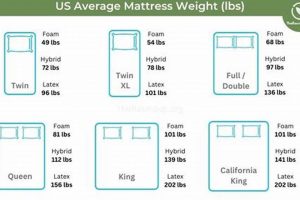
Tip 4: Review Weight Capacity: Confirm that the unit’s stated weight capacity exceeds the combined weight of the mattress and the intended occupant to ensure safe operation and prevent structural failure.
Tip 5: Examine Desk Surface Area: Evaluate the desk size in relation to anticipated work requirements. Insufficient surface area can hinder productivity and create a disorganized workspace.
Tip 6: Inspect Safety Rail Height: Verify that the safety rails surrounding the mattress platform meet or exceed industry safety standards. Adequate rail height prevents accidental falls during sleep.
Tip 7: Consider Integrated Storage: Units with built-in shelves or drawers beneath the desk can further optimize space utilization and reduce the need for supplementary storage solutions.
Tip 8: Implement Proper Assembly Procedures: Adhere strictly to the manufacturer’s assembly instructions. Incorrect assembly can compromise structural integrity and increase the risk of accidents.
Adherence to these guidelines facilitates the selection of a safe, functional, and durable space-saving furniture piece that effectively meets individual needs and optimizes living environments.
The following sections will address the ergonomic considerations for long hours of desk use and the best methods for maintaining the furniture’s structure.
1. Dimensions

The consideration of dimensions is paramount in the selection and implementation of a full-size mattress loft bed with an integrated desk. Accurate measurement and assessment of spatial parameters are critical for ensuring functionality, safety, and optimal space utilization.
- Overall Footprint
The horizontal space occupied by the structure, encompassing both the bed frame and the desk area, directly impacts room navigability. A footprint that is disproportionately large relative to the room’s dimensions can impede movement and negate the intended space-saving benefit. Conversely, a footprint that is too small may compromise the usability of the desk surface or the stability of the structure.
- Ceiling Height Requirement
Vertical dimension constraints are vital. Insufficient ceiling height above the mattress can create an uncomfortable or even hazardous sleeping environment. Conversely, a loft bed intended for a room with excessive ceiling height may introduce unnecessary difficulty in accessing the sleeping platform, particularly for individuals with mobility limitations. Minimum recommended clearance typically exceeds 30 inches to facilitate ease of movement on the bed.
- Desk Surface Area
The dimensions of the integrated desk surface determine its suitability for intended tasks. Insufficient desk area restricts productivity and may necessitate the use of additional furniture, thereby negating the intended space-saving purpose of the loft bed. Conversely, an excessively large desk surface may encroach upon available floor space and impede room layout.
- Ladder or Staircase Inclination
The angle and depth of the access mechanism affects the overall usage of the furniture. A steep angle is more space-efficient but potentially more difficult to climb, versus a shallower, gradual set of stairs. This dimension is dependent on the furniture layout and overall space available.
The careful consideration and accurate measurement of these dimensional aspects are essential for selecting a full-size mattress loft bed with a desk that effectively optimizes living space, enhances functionality, and ensures user safety. These components are interdependent, making a balanced consideration necessary for implementation of the structure.
2. Material Strength

Material strength is a critical factor in the design and construction of a loft bed that accommodates a full-size mattress and incorporates a desk. It dictates the furniture’s ability to withstand applied loads, resist deformation, and ensure the safety and longevity of the structure.
- Frame Composition and Load-Bearing Capacity
The primary materials used in the frame construction, such as solid wood, engineered wood products (e.g., plywood, particleboard), or metal (e.g., steel), determine the overall load-bearing capacity. Solid hardwoods and steel offer superior strength compared to softer woods or lower-density engineered wood, resulting in a more robust structure capable of supporting the weight of the mattress, the user, and any items stored on the desk. Inadequate material strength can lead to structural failure, posing a safety hazard.
- Joint Integrity and Connection Strength
The method of joining frame components, such as screws, bolts, dowels, or welding, significantly impacts overall structural integrity. Weak joints are prone to failure under stress, compromising the stability of the loft bed. Reinforcing joints with metal brackets or employing interlocking joinery techniques enhances connection strength and improves the furniture’s ability to withstand dynamic loads and vibrations associated with regular use. The correct application of fasteners is critical.
- Material Resistance to Deformation
The ability of the materials to resist bending, twisting, or compression under load is essential for maintaining the structural integrity of the loft bed over time. Materials with low stiffness are more likely to deform permanently, leading to sagging, instability, and reduced functionality. Selecting materials with high modulus of elasticity minimizes deformation and ensures the long-term performance of the furniture.
- Impact Resistance and Durability
The material’s ability to withstand impact and resist damage from everyday use is critical. Softwoods, for instance, are prone to dents and scratches, whereas steel frames are much more durable under similar circumstances. This is a crucial design consideration for the desk component of the furniture, which may be subject to heavy use and potential abuse. The design of the structure should account for these factors.
The interplay of these facets of material strength directly influences the safety, stability, and durability of a full-size mattress loft bed with a desk. For example, a loft bed constructed with a high-strength steel frame and robust joint connections can safely accommodate a heavier user and provide a more stable work surface compared to a similar design using lower-quality materials. This consideration is a determining factor for the overall user experience of the product.
3. Ladder Stability

Ladder stability is an indispensable design element in the context of a full-size mattress loft bed with an integrated desk. The ladder provides the primary access route to the elevated sleeping platform, rendering its stability paramount for user safety and confidence. Compromised ladder integrity introduces significant risk of falls and injuries.
- Material Selection and Load Capacity
The material composition of the ladder, whether wood or metal, must possess sufficient strength to support the anticipated load of the user. Inadequate material selection can lead to bending, cracking, or complete structural failure. For example, a ladder constructed from low-density softwood may exhibit insufficient rigidity to support an adult, increasing the risk of collapse. Similarly, a metal ladder must be of sufficient gauge to prevent deformation under repeated use.
- Angle of Inclination and Step Depth
The angle at which the ladder is inclined significantly affects its ease of use and stability. A steeper angle conserves floor space but increases the difficulty of ascent and descent, particularly for users with limited mobility. Insufficient step depth can also compromise foot placement and increase the likelihood of slipping. Ergonomic design principles dictate an optimal balance between space efficiency and user comfort, influencing ladder inclination and tread dimensions.
- Attachment Integrity and Frame Reinforcement
The method of attaching the ladder to the main frame of the loft bed is critical for ensuring overall stability. Weak or improperly secured connections can lead to wobble or detachment, posing a significant safety hazard. Reinforcing the frame at the point of ladder attachment enhances structural integrity and distributes load effectively. Examples include using through-bolting, welding, or interlocking joinery techniques to maximize connection strength.
- Anti-Slip Measures and Surface Treatment
The application of anti-slip materials or surface treatments to the ladder rungs or steps is essential for preventing accidental slips, particularly in environments with varying humidity levels. Rubberized coatings, textured surfaces, or strategically placed grip tape can significantly enhance traction and improve user safety. Additionally, ensuring that the floor surface beneath the ladder is level and non-slip contributes to overall stability.
These interconnected components of ladder stability collectively determine the safety and usability of a full-size mattress loft bed with a desk. Proper consideration of material selection, ergonomic design, attachment integrity, and anti-slip measures is crucial for mitigating risk and ensuring a secure access route to the elevated sleeping platform.
4. Desk Ergonomics

The integration of a desk within a loft bed structure necessitates careful consideration of ergonomic principles to mitigate potential health risks associated with prolonged work or study. Unlike traditional desk setups, the inherent spatial constraints and design limitations of a loft bed can significantly impact posture, comfort, and overall well-being.
- Work Surface Height and Adjustability
The fixed height of the desk surface in many loft bed designs can be problematic for individuals of varying statures. An improperly positioned work surface can lead to slouching, neck strain, and back pain. Ideal desk height allows the user to maintain a neutral wrist position while typing and viewing a screen, preventing repetitive strain injuries. Adjustability mechanisms, while less common in loft bed configurations, offer a viable solution for accommodating individual needs and promoting proper posture. The feasibility of adjustability is an important point of consideration.
- Chair Selection and Support
Limited space under the loft bed often restricts the type and size of chair that can be used. A supportive and ergonomically designed chair is crucial for maintaining proper spinal alignment and reducing pressure points. Chairs with adjustable height, lumbar support, and armrests are preferable. However, the clearance beneath the loft bed may necessitate the use of a smaller, less adjustable chair, potentially compromising ergonomic benefits. Compromises may have to be made with this furniture pairing.
- Screen Positioning and Viewing Angle
Eye strain and neck discomfort can result from improper screen positioning. The top of the monitor should be at or slightly below eye level, and the screen should be positioned at an arm’s length distance. In the confined space of a loft bed desk, achieving optimal screen positioning can be challenging. The use of monitor risers or adjustable monitor arms may be necessary to ensure a comfortable viewing angle. Proper setup in this area improves performance and reduces possible health issues.
- Lighting and Task Illumination
Adequate lighting is essential for reducing eye strain and promoting visual comfort. Insufficient or poorly positioned lighting can lead to glare and shadows, making it difficult to focus and increasing the risk of headaches. Task lighting, such as a desk lamp with adjustable brightness and direction, is crucial for illuminating the work surface and providing sufficient contrast. The position and layout of the light should complement screen position.
The ergonomic considerations outlined above are intrinsically linked to the design and functionality of a full-size mattress loft bed with desk. Failure to address these factors can negate the space-saving benefits of the furniture by introducing musculoskeletal discomfort and reducing productivity. Integrating ergonomic principles into the selection and setup of the desk area is, therefore, paramount for ensuring user well-being and optimizing the overall utility of the loft bed.
5. Weight Capacity

Weight capacity is a fundamental consideration in the design and utilization of a full-size mattress loft bed with a desk. It directly relates to the structural integrity, safety, and longevity of the furniture. Exceeding the specified weight limits poses significant risks of structural failure and potential injury.
- Static Load Distribution
Static load refers to the constant weight exerted by the mattress, the user, and any items placed on the desk. The frame and support structure of the loft bed must be engineered to withstand this constant load without deformation or failure. Inadequate load distribution can concentrate stress on specific points, leading to premature wear or catastrophic collapse. For instance, a poorly designed loft bed might exhibit excessive bending of the support beams under the mattress, indicating a compromised load distribution and a higher risk of failure over time.
- Dynamic Load Considerations
Dynamic loads encompass sudden or fluctuating forces, such as those generated by movement, impact, or shifting weight. These forces can significantly exceed the static load and place additional stress on the structure. A loft bed designed solely for static load may fail under dynamic conditions. For example, a user jumping onto the bed or accidentally bumping into the desk can generate substantial dynamic forces, potentially leading to structural damage if the unit is not adequately reinforced.
- Material Properties and Structural Design
The selection of materials and the implementation of effective structural design principles directly influence the weight capacity of the loft bed. Materials with higher strength-to-weight ratios, such as steel or solid hardwoods, allow for greater load-bearing capacity without excessive bulk. Furthermore, strategic use of reinforcement techniques, such as gussets or cross-bracing, can significantly enhance the overall structural integrity and increase the permissible weight limit. The structure’s architecture must consider materials that complement the dimensions and expected weight.
- Safety Margin and Compliance Standards
Reputable manufacturers incorporate a safety margin into the specified weight capacity to account for unforeseen circumstances or variations in material properties. This safety margin provides a buffer against potential overload and ensures that the loft bed can withstand slightly higher loads than its stated limit. Adherence to relevant safety standards and testing protocols further ensures that the furniture meets minimum performance requirements and provides a reasonable level of safety for the user. Compliance with organizations such as ASTM adds to the reliability of the furniture.
The interplay of these elements ultimately determines the weight capacity of a full-size mattress loft bed with a desk. Understanding these factors is essential for selecting a loft bed that meets individual needs and ensures long-term safety and stability. Failure to consider weight capacity can lead to premature failure of the furniture, causing potential hazard.
6. Safety Railings
Safety railings serve as a critical safety component of any full-size mattress loft bed. Their primary function is to prevent falls from the elevated sleeping platform, mitigating the risk of serious injury. The absence of adequately designed and properly installed railings significantly increases the probability of accidental falls, particularly during sleep or while transitioning to and from the ladder or stairs. For example, a child or adult shifting position during sleep could inadvertently roll off the edge of the bed if no barrier is present. The height, spacing, and structural integrity of the railings are vital factors in determining their effectiveness.
Consider the practical implications: A loft bed marketed to college students, often used in cramped dorm rooms, necessitates robust safety railings. Students, potentially fatigued or disoriented, require a reliable physical barrier to prevent nighttime falls. Similarly, loft beds intended for children demand even stricter safety standards, given their propensity for active movement and incomplete understanding of potential hazards. Many manufacturers adhere to voluntary safety standards established by organizations such as ASTM International, specifying minimum railing heights and maximum spacing between slats or bars to prevent entrapment. These standards offer guidance in assessing the adequacy of a railing system. Compliance, however, does not absolve the user from the responsibility of ensuring proper installation and maintenance.
In summary, safety railings are an indispensable element of a full-size mattress loft bed, directly influencing user safety. While design and material choices contribute to overall structural integrity, the primary objective of the railing system remains fall prevention. Challenges may arise in retrofitting existing loft beds with adequate railings or in adapting designs to accommodate individual needs, such as those of users with mobility limitations. Nonetheless, prioritizing safety through proper railing design, installation, and maintenance is paramount in mitigating the inherent risks associated with elevated sleeping platforms.
7. Assembly Integrity

Assembly integrity is paramount to the safe and effective utilization of a full mattress loft bed with a desk. Proper assembly ensures that the structural components are correctly connected and that the unit is stable and capable of supporting the intended load. Failure to adhere to the manufacturer’s assembly instructions can compromise the structural integrity of the furniture, potentially leading to instability, collapse, and user injury.
- Correct Fastener Usage
The use of appropriate fasteners (e.g., screws, bolts, dowels) as specified in the assembly instructions is critical. Substituting incorrect fasteners or failing to tighten them properly can weaken the joints and connections between structural members. For example, using screws that are too short or bolts that are not fully tightened may result in a wobbly structure that is prone to failure under load. The correct type and placement of each fastener are essential for ensuring the long-term stability of the unit.
- Alignment and Leveling
Ensuring proper alignment of all components during assembly is vital for maintaining structural integrity. Misaligned parts can introduce stress points and uneven load distribution, increasing the risk of failure. Leveling the assembled unit on the floor is also essential for stability. Uneven floors can cause the frame to twist or warp, placing undue stress on certain joints and connections. Shims or adjustable feet can be used to compensate for uneven surfaces.
- Adherence to Torque Specifications
Many fasteners require specific torque levels to ensure proper tightening without overstressing the materials. Over-tightening can strip threads or damage the surrounding wood or metal, while under-tightening can lead to loose connections. Using a torque wrench to apply the correct amount of force is essential for achieving optimal fastener tightness. Specific torque settings may be detailed in the manufacturer’s assembly instructions.
- Verification of Component Engagement
During assembly, it is imperative to verify that all components are fully engaged and properly secured. This includes ensuring that locking mechanisms are engaged, that pegs are fully inserted into holes, and that any safety features are correctly installed. Failure to verify component engagement can leave critical connections vulnerable and compromise the overall safety of the structure. Following each step in the instructions is paramount.
These elements of assembly integrity are fundamental to the safe operation of a full mattress loft bed with a desk. Proper attention to these details during the assembly process minimizes the risk of structural failure, ensuring that the unit functions as intended and provides a secure and stable environment for sleeping and working.
Frequently Asked Questions
The following questions and answers address common concerns regarding full mattress loft beds with desks, providing information to aid in informed decision-making.
Question 1: What is the typical weight capacity of a full mattress loft bed with desk?
Weight capacity varies significantly depending on the materials used and the structural design. Generally, expect a range from 200 lbs to 500 lbs. Always consult the manufacturer’s specifications for the specific model to ensure it meets individual requirements. Exceeding the specified weight limit can compromise structural integrity and pose a safety risk.
Question 2: Are there specific ceiling height requirements for these types of beds?
Yes. Adequate ceiling height is crucial for comfortable and safe use. A minimum of 8 feet is generally recommended. Insufficient headroom above the mattress can make it difficult to sit upright and may lead to discomfort. Measure the room’s height before purchasing to avoid potential issues.
Question 3: What safety features should be considered when purchasing this type of bed?
Essential safety features include sturdy safety railings with adequate height (generally at least 14 inches above the mattress), a stable ladder or staircase with non-slip treads, and a robust frame construction. Certifications from recognized safety organizations, such as ASTM, provide assurance of compliance with established safety standards.
Question 4: How important is professional assembly for a full mattress loft bed with desk?
While some individuals may be capable of assembling these beds independently, professional assembly is strongly recommended, especially for complex models. Incorrect assembly can compromise structural integrity and increase the risk of accidents. Professional installers possess the expertise and tools to ensure that the unit is assembled correctly and safely.
Question 5: What are the ergonomic considerations for the desk component?
Ergonomic considerations include desk height, chair support, and screen positioning. The desk height should allow for a neutral wrist position while typing. A supportive chair with adjustable height and lumbar support is recommended. The top of the monitor should be at or slightly below eye level. Proper ergonomic setup minimizes the risk of musculoskeletal discomfort and promotes productivity.
Question 6: What are the best practices for maintaining the structural integrity of this type of bed?
Regularly inspect all connections, fasteners, and frame components for signs of wear or damage. Tighten any loose screws or bolts immediately. Avoid overloading the bed beyond its specified weight capacity. Periodically clean the frame to prevent corrosion or deterioration. Addressing minor issues promptly can prevent more significant problems from developing over time.
In conclusion, choosing the right loft bed and practicing good maintenance practices can help ensure long term stability and safety.
Next, we look at what kind of desk is best for the space.
Full Mattress Loft Bed with Desk
This exploration has underscored critical considerations surrounding the selection, assembly, and utilization of a full mattress loft bed with a desk. Factors such as dimensional constraints, material strength, ladder stability, ergonomic principles, weight capacity, safety railings, and assembly integrity collectively dictate the functionality, safety, and longevity of the structure. A comprehensive understanding of these interconnected elements is paramount for informed decision-making.
Given the potential ramifications of improper selection or assembly, diligence in evaluating these criteria remains essential. Prioritizing safety and structural integrity over purely aesthetic considerations contributes to a secure and productive living environment. Continued adherence to recommended maintenance practices ensures the sustained utility of this space-optimizing furniture solution. Further research into evolving safety standards and design innovations is encouraged to promote optimal user outcomes.
![Best Simmons Full Mattress [Guide & Reviews] | Organic & Natural Mattress Buyer’s Guide: Non-Toxic Sleep Solutions](https://mattressworldpa.com/wp-content/uploads/2025/07/th-2917-300x200.jpg "Best Simmons Full Mattress [Guide & Reviews] Organic & Natural Mattress Buyer’s Guide: Non-Toxic Sleep Solutions")