The process of removing unwanted smells from a bed’s sleeping surface encompasses various techniques and cleaning agents. These methods are implemented to eliminate lingering scents caused by spills, body fluids, or general environmental factors. For example, a mattress that has absorbed pet urine will require specific cleaning protocols to neutralize the odor molecules effectively.
Effectively addressing unpleasant smells in bedding contributes significantly to a healthier and more comfortable sleeping environment. This benefits overall well-being by promoting better sleep quality and reducing exposure to potential allergens or irritants associated with the source of the odor. Historically, airing out and sun-drying were primary methods; modern approaches now involve specialized products and technologies for more thorough sanitation.
Understanding the underlying causes of mattress odors is crucial in selecting the most appropriate removal strategy. This exploration will cover identifying common odor sources, detailing effective cleaning solutions, and providing preventative measures to maintain a fresh and hygienic sleep surface.
Strategies for Mattress Odor Elimination
Effective odor removal from mattresses requires a systematic approach, focusing on both immediate remediation and long-term prevention.
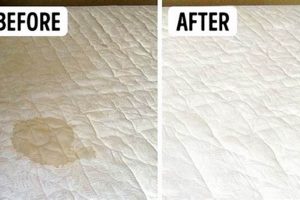
Tip 1: Immediate Stain Treatment: Addressing spills promptly minimizes odor penetration. Absorb excess liquid with clean cloths and avoid rubbing, which can spread the stain and drive it deeper into the fibers.
Tip 2: Baking Soda Application: Generously apply baking soda to the affected area. Allow it to sit for several hours, or ideally overnight, to absorb odors. Vacuum thoroughly to remove the baking soda residue.
Tip 3: Enzyme-Based Cleaners: For biological odors such as urine or vomit, employ enzyme-based cleaners specifically designed to break down organic matter. Follow the manufacturer’s instructions carefully.
Tip 4: Sunlight and Air Circulation: When feasible, expose the mattress to direct sunlight and fresh air. Ultraviolet light can help neutralize odors and kill bacteria. Ensure proper ventilation during the drying process.
Tip 5: Steam Cleaning: Use a steam cleaner with an upholstery attachment to sanitize the mattress surface. The heat from the steam can kill odor-causing bacteria and loosen embedded dirt. Avoid over-saturating the mattress.
Tip 6: Mattress Protector Usage: Invest in a high-quality, waterproof mattress protector to prevent future spills and stains from penetrating the mattress. Regular cleaning of the protector is also recommended.
Tip 7: Activated Charcoal: Place bowls of activated charcoal near or under the mattress to absorb lingering odors. Activated charcoal is highly porous and effective at trapping volatile organic compounds.
Implementing these techniques can significantly reduce or eliminate unwanted smells, fostering a cleaner and healthier sleeping surface.
With proactive care and maintenance, a mattress can remain fresh and odor-free for an extended period.
1. Identify the Odor Source

Determining the origin of an unpleasant smell within a mattress is the foundational step toward its successful elimination. Without pinpointing the source, remediation efforts are often misdirected, leading to inefficient or ineffective results. This identification process dictates the subsequent cleaning methodologies and products employed.
- Odor Categorization
Categorizing the odor type is crucial. Mattress odors generally fall into distinct categories: biological (urine, sweat, blood), environmental (mold, mildew, dust mites), or accidental (spills, food). Each category necessitates specific cleaning agents and techniques. For instance, biological stains often require enzymatic cleaners to break down organic compounds, while mold may demand anti-fungal solutions. Misdiagnosis can lead to ineffective cleaning and potential damage to the mattress.
- Visual Inspection and Olfactory Examination
A thorough visual inspection of the mattress, coupled with a careful olfactory examination, is essential. Look for stains, discoloration, or physical signs of mold or mildew. Sniffing the mattress at various points can help isolate the area of highest odor concentration. Overlooking subtle visual cues or relying solely on general cleaning methods can result in persistent odors.
- Assessing Mattress Material
The mattress material significantly influences odor retention and removal strategies. Foam mattresses, for example, are more porous and tend to absorb liquids and odors more readily than innerspring mattresses. Knowing the material composition allows for selecting appropriate cleaning solutions that won’t damage the mattress fibers. Using harsh chemicals on delicate materials can exacerbate the problem by causing further damage or discoloration.
- Depth of Penetration Determination
Determining how deeply the odor has penetrated the mattress is vital. Surface odors may be addressed with simple cleaning solutions, while deeply embedded odors may require professional cleaning or, in severe cases, mattress replacement. Failure to assess the depth of penetration can lead to superficial cleaning that only temporarily masks the odor.
The preceding elements underline the critical link between accurate odor source identification and effective odor removal from mattresses. Properly diagnosing the type, location, material interaction, and depth of the odor enables targeted treatment, maximizing the chances of successful remediation and preventing further damage or complications. A proper identifcation of the odor source enables a more efficient, more effective action to get the odor out of mattress.
2. Absorbents and Neutralizers

The application of absorbent materials and odor neutralizers constitutes a critical component in the endeavor to remove unwanted smells from a mattress. Absorbents function by physically trapping odor-causing molecules, while neutralizers chemically react with these molecules, altering their structure to eliminate or reduce their olfactory impact. Failure to employ appropriate absorbents or neutralizers directly impacts the success rate of odor removal efforts.
Baking soda serves as a prime example of a widely accessible and effective absorbent. Its porous structure enables it to draw in and hold volatile compounds responsible for undesirable scents. Conversely, enzymatic cleaners represent a class of neutralizers designed to target organic stains, such as urine or vomit. These cleaners contain enzymes that break down complex organic molecules into simpler, odorless compounds. The selection of a suitable absorbent or neutralizer hinges on the nature of the odor. Using baking soda on a heavily soiled mattress may prove less effective than an enzymatic cleaner, highlighting the need for informed product selection.
In conclusion, the strategic use of absorbents and neutralizers is indispensable for achieving thorough and lasting odor removal from mattresses. The effective deployment of these materials requires a clear understanding of the odor’s origin and chemical composition. Over-reliance on a single type of absorbent or neutralizer can lead to incomplete odor elimination, emphasizing the value of a multi-faceted approach. Therefore, the careful selection and application of these agents are vital for restoring mattress hygiene and promoting a healthy sleeping environment.
3. Professional Mattress Cleaning

Professional mattress cleaning represents a specialized service aimed at thoroughly sanitizing and deodorizing mattresses, directly addressing the persistent challenge of removing embedded odors. This service employs advanced techniques and equipment not typically available for household use, offering a more comprehensive solution.
- Deep Extraction Techniques
Professional services utilize high-powered extraction equipment to remove deeply embedded contaminants and odor-causing substances. Standard vacuuming often fails to reach these deeper layers. For instance, deeply embedded pet urine, a common source of mattress odor, requires specialized extraction to fully eliminate the source. This process minimizes residue, preventing the re-emergence of odors.
- Specialized Cleaning Agents
Professionals have access to specialized cleaning agents formulated to neutralize a wide range of odors, including those from biological sources, mold, and mildew. These agents are often more effective than over-the-counter products and are applied with precision to target specific odor sources. The selection of appropriate agents depends on the type of odor and the mattress material, ensuring effective treatment without causing damage.
- Advanced Sanitization Methods
Beyond simple cleaning, professional services often incorporate sanitization methods such as UV-C light treatment or steam cleaning at high temperatures. These methods kill odor-causing bacteria and allergens, providing a more hygienic sleep surface. Steam cleaning, for example, can penetrate mattress fibers to eliminate dust mites and other microorganisms contributing to unpleasant odors.
- Odor Encapsulation and Neutralization
Professional treatments may involve the use of odor encapsulants that trap remaining odor molecules or neutralizers that chemically alter them. This proactive approach addresses residual odors that may persist after initial cleaning. Encapsulation prevents the release of odor molecules back into the air, while neutralization alters their chemical structure to eliminate their scent.
The facets of professional mattress cleaning, from deep extraction to specialized agents and sanitization, demonstrate a focused strategy on effectively removing odors from mattresses. These services provide a level of cleaning and odor control unattainable through standard household methods, ensuring a more hygienic and odor-free sleep environment.
4. Preventative Mattress Protection

Preventative measures applied to mattresses directly influence the likelihood of odor development and subsequent removal efforts. The connection between preventative mattress protection and the need to eliminate odors is one of cause and effect. Inadequate or absent protection creates a vulnerable surface, susceptible to spills, body fluids, and environmental contaminants, all of which contribute to odor formation. For instance, a mattress lacking a waterproof barrier will readily absorb spilled liquids, leading to bacterial growth and lingering smells. Therefore, preventative protection is a crucial element in minimizing or eliminating the need to actively remove odors.
The implementation of preventative strategies extends beyond simply using a mattress protector. Regular vacuuming of the mattress surface helps remove dust mites and allergens that can contribute to musty odors. Prompt attention to spills and stains, even when a protector is in place, minimizes the chance of deep penetration and subsequent odor development. Selecting protectors constructed from breathable materials prevents moisture buildup, a common cause of mold and mildew growth. Example: Regularly cleaning spills on a mattress protector can avoid odor from the mattress. This makes it unnecessary to get odor out of mattress.
Understanding the importance of preventative mattress protection offers significant practical advantages. Reduced odor development translates to less frequent and less intensive cleaning interventions. This, in turn, prolongs the lifespan of the mattress and improves the overall sleeping environment. While preventative measures cannot guarantee complete odor prevention, they significantly reduce the risk and severity of odor issues, making ongoing maintenance more manageable and cost-effective. Neglecting these preventative actions necessitates more aggressive and potentially damaging cleaning methods to get odor out of mattress.
5. Ventilation and Airflow

Adequate ventilation and consistent airflow play a pivotal role in mitigating and preventing mattress odors, directly influencing the effectiveness of efforts to remove or eliminate such smells. The absence of proper air circulation encourages moisture retention, creating an environment conducive to microbial growth and odor accumulation.
- Moisture Reduction
Sufficient ventilation promotes the evaporation of moisture absorbed by the mattress. This process is critical, as moisture fosters the growth of mold, mildew, and bacteria, all primary contributors to unpleasant odors. For instance, regularly airing out a mattress after sleep allows perspiration to dissipate, reducing the risk of microbial proliferation. The implication is a decreased need for aggressive odor removal techniques.
- Odor Molecule Dispersion
Airflow facilitates the dispersal of volatile organic compounds (VOCs) that contribute to mattress odors. These VOCs, often released from body fluids or cleaning agents, can linger within the mattress fibers without adequate ventilation. Opening windows or using fans to increase airflow can help carry away these odor molecules, preventing their concentration and reducing the intensity of the smell. Decreased odors lead to a better sleeping environment.
- Prevention of Mold and Mildew
Stagnant air creates a breeding ground for mold and mildew, particularly in humid environments. Proper ventilation inhibits the growth of these microorganisms by reducing humidity levels within and around the mattress. For example, elevating a mattress on a slatted frame promotes airflow underneath, preventing moisture buildup and deterring mold formation. By preventing mold and mildew, the need to clean it is negated, as it does not begin to take hold.
- Enhanced Effectiveness of Cleaning Agents
When cleaning agents are used to address existing odors, proper ventilation is crucial for their effective evaporation and the removal of residual chemicals. Without adequate airflow, cleaning agents may remain trapped within the mattress fibers, potentially contributing to new odors or exacerbating existing ones. Ensuring good ventilation after cleaning accelerates drying and promotes the complete removal of both the odor source and the cleaning product itself. If the agents properly evaporate, the odors will not take hold and the need for mattress cleaning can be avoided, reducing the need for actions to get odor out of mattress.
The interconnectivity of these facets highlights the undeniable link between ventilation, airflow, and mattress odor. Consistent application of these principles minimizes the accumulation of odor-causing agents, thereby decreasing the necessity for intensive odor removal interventions. Integrating ventilation strategies into routine mattress maintenance represents a proactive approach to preserving a hygienic sleep environment.
Frequently Asked Questions
The following addresses common inquiries regarding the elimination of odors from mattresses, offering guidance on effective strategies and preventative measures.
Question 1: What are the most prevalent causes of mattress odors?
Mattress odors frequently stem from biological sources, such as perspiration, urine, or blood. Environmental factors, including mold, mildew, and dust mites, also contribute. Accidental spills of food or beverages can introduce further odor-causing agents.
Question 2: Is professional mattress cleaning always necessary to eliminate odors?
Professional cleaning is not invariably required, especially if the odor is superficial or addressed promptly. However, deeply embedded odors or those resulting from significant contamination may necessitate professional intervention for thorough removal and sanitization.
Question 3: How effective is baking soda in neutralizing mattress odors?
Baking soda is generally effective for absorbing mild to moderate odors. Its porous structure traps volatile compounds. However, it may prove less effective for strong or deeply ingrained odors, particularly those of biological origin.
Question 4: Can sunlight effectively eliminate mattress odors?
Exposure to direct sunlight can aid in odor reduction due to the ultraviolet light’s sanitizing properties. Sunlight can also help dry out the mattress, mitigating mold and mildew growth. However, prolonged exposure may damage certain mattress materials, requiring careful consideration.
Question 5: Are mattress protectors truly effective in preventing odors?
High-quality, waterproof mattress protectors significantly reduce the risk of odor development by preventing spills and body fluids from penetrating the mattress. Regular cleaning of the protector further enhances its effectiveness in maintaining a fresh sleeping surface.
Question 6: What long-term maintenance practices can prevent future mattress odors?
Long-term prevention involves regular vacuuming, prompt stain treatment, consistent use of a mattress protector, and ensuring adequate ventilation in the sleeping area. These practices minimize the accumulation of odor-causing agents and maintain a hygienic sleep environment.
In summary, addressing mattress odors requires a multi-faceted approach, encompassing both immediate remediation and proactive preventative measures. Understanding the source of the odor and implementing appropriate cleaning and maintenance strategies are crucial for achieving lasting results.
The subsequent section will address specific types of mattress odors and tailored solutions for their elimination.
Conclusion
The objective to get odor out of mattress demands a thorough understanding of both the sources and the remediation techniques available. This analysis has encompassed identification of common odor origins, implementation of diverse cleaning methodologies, and establishment of preventative strategies. Successful resolution requires a systematic approach.
The significance of maintaining a hygienic sleep environment extends beyond mere olfactory comfort. Investing in proper mattress care, including protection and ventilation, yields long-term benefits for both the lifespan of the mattress and the overall health of the individual. Neglecting this aspect can have tangible implications for well-being. Therefore, consistent preventative maintenance is encouraged to ensure a clean and odor-free sleeping surface.