



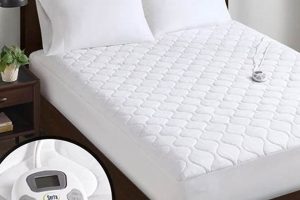
These products are designed to connect individuals to the Earth’s electrical potential while sleeping. Typically made from materials that incorporate conductive elements like silver or carbon, they are placed on top of a mattress to facilitate this connection via a grounding wire plugged into the ground port of an electrical outlet. This connection allows for the transfer of electrons from the Earth to the body.
Proponents suggest various advantages to this practice, citing potential improvements in sleep quality, reduction in inflammation, and alleviation of pain. The underlying principle stems from the idea that modern lifestyles often disconnect individuals from the Earth’s natural electrical field, leading to an imbalance that can contribute to health issues. Historically, direct contact with the Earth was a routine part of daily life, but contemporary living has largely eliminated this connection.
The subsequent sections will delve into the specific materials used in these products, examine the scientific evidence supporting their claimed benefits, explore usage guidelines and safety considerations, and discuss various models and features available on the market. This exploration aims to provide a balanced perspective on the potential advantages and limitations of this technology.
Grounding Mattress Pad Usage
Optimal utilization requires attention to several critical factors to maximize potential benefits and ensure safety.
Tip 1: Verify Grounding Integrity: Before initial use, confirm the electrical outlet’s ground port is functional. Use a multimeter to measure the voltage between the neutral and ground slots; a reading close to zero volts indicates proper grounding. A faulty ground can negate any potential benefits and may present a safety hazard.
Tip 2: Ensure Direct Skin Contact: The pads conductive surface must directly contact bare skin to facilitate electron transfer. Wearing clothing, particularly synthetic fabrics, between the skin and the pad can impede conductivity and diminish the intended effect.
Tip 3: Maintain Hygiene: Regularly clean the pad according to the manufacturer’s instructions. Perspiration and body oils can accumulate and reduce conductivity over time. Use mild, non-abrasive cleaning agents to avoid damaging the conductive material.
Tip 4: Monitor for Potential Side Effects: While generally considered safe, some individuals may experience mild detox symptoms, such as fatigue or headaches, during initial use. These symptoms are typically temporary and subside as the body adjusts. Discontinue use and consult a healthcare professional if symptoms persist or worsen.
Tip 5: Consider Material Composition: Examine the materials used in the pad’s construction. Opt for products utilizing hypoallergenic and non-toxic materials to minimize the risk of allergic reactions or exposure to harmful chemicals. Look for certifications indicating material safety and quality.
Tip 6: Optimize Sleep Environment: While these pads are designed to interact with the bodys natural electrical field, maintain a healthy sleep environment through regulating room temperature, controlling light and noise, and avoiding electronic devices before bed. A comprehensive approach to sleep hygiene will enhance any advantages.
Tip 7: Integrate with Healthcare Regimen: This product should not be considered a substitute for conventional medical treatment. Individuals with existing health conditions or concerns should consult with a healthcare professional before integrating grounding practices into their routine. These pads can be a valuable adjunct to a healthy lifestyle but are not a replacement for medical care.
Consistent adherence to these guidelines will contribute to a safer and potentially more beneficial experience. Prioritizing electrical safety, hygiene, and individual sensitivities are crucial for optimizing potential advantages.
The following section will provide a comprehensive discussion of scientific research related to these products and their effects on human physiology.
1. Conductive Material

The effectiveness of grounding mattress pads is intrinsically linked to the conductive material integrated within their construction. This material facilitates the transfer of electrons between the Earth and the human body, serving as the critical interface for the grounding process.
- Silver-Infused Fabrics
Silver, known for its high electrical conductivity and antimicrobial properties, is a commonly used conductive material. Silver-infused threads are woven into the fabric of mattress pads, creating a network for electron flow. This approach leverages silver’s ability to inhibit bacterial growth, potentially promoting a cleaner sleep environment in addition to enhancing conductivity. The concentration of silver within the fabric directly influences its effectiveness in grounding.
- Carbon Fiber Blends
Carbon fiber, another prevalent conductive material, offers a lightweight and flexible option. Carbon fibers are often blended with other textiles, such as cotton or polyester, to create a conductive matrix. This blending allows for a balance between conductivity, comfort, and durability. Carbon fiber’s inherent strength contributes to the pad’s longevity, while its conductive properties ensure efficient electron transfer. The type and proportion of carbon fiber used affect the overall conductivity and feel of the pad.
- Stainless Steel Threading
Stainless steel threads can be woven into these pads to facilitate electrical conductivity. Although not as conductive as silver, stainless steel provides durability and resistance to corrosion. Its inclusion ensures the pad remains functional over extended periods. This material choice strikes a balance between performance and longevity, especially suitable in scenarios where extreme durability is prioritized.
- Material Resistance and Conductivity
The electrical resistance of the conductive material is a key determinant of performance. Lower resistance allows for more efficient electron flow. Manufacturers often specify the resistance levels of their pads to indicate their conductivity. Understanding this parameter is crucial for evaluating the pad’s potential effectiveness in grounding the body. Lower resistance values indicate higher conductivity and potentially greater benefits.
In conclusion, the choice of conductive material significantly impacts the grounding mattress pad’s overall performance, durability, and potential benefits. Understanding the characteristics and properties of these materials enables a more informed selection, aligning product features with individual needs and expectations. The integration of these materials directly influences the degree of electrical connection established with the Earth, thereby affecting the intended therapeutic effects.
2. Grounding connection

The grounding connection represents the indispensable link that transforms a standard mattress pad into a functional grounding device. Without a reliable connection to the Earth’s electrical potential, the mattress pad remains merely a surface covering. The functionality of these pads depends entirely on this connection, which typically involves a conductive wire that extends from the pad to the ground port of an electrical outlet. This wire facilitates the transfer of electrons, hypothesized to impart various physiological benefits. An interrupted or faulty connection nullifies the pad’s intended purpose.
For instance, consider a scenario where an individual purchases a pad containing silver-infused fabric but fails to ensure the grounding wire is properly connected to a functional ground. In this case, despite the conductive material, no electron transfer occurs, and the individual would not experience the purported advantages of grounding. Similarly, in regions with older electrical systems where ground ports are unreliable or nonexistent, the grounding connection becomes a significant barrier to effective utilization. Proper installation and verification of the ground connection are therefore paramount to realizing any potential benefits.
In summary, the grounding connection is not merely an accessory but an essential component that dictates the operational effectiveness of the entire system. Understanding this dependence allows users to troubleshoot potential issues, such as interrupted connections or faulty wiring, and ensures the pad functions as designed. Neglecting this aspect undermines the entire premise of grounding through a mattress pad, rendering it a non-functional product. The reliability and integrity of the ground connection remain the most critical determinant of the pad’s performance and its ability to interface with the Earth’s electrical field.
3. Sleep environment

The context of a carefully regulated sleep environment significantly impacts the potential effectiveness of grounding mattress pads. The synergistic effect between environmental factors and grounding technology contributes to optimized sleep quality and overall well-being. This section details key elements within the sleep environment and their relevance to grounding practices.
- Light Exposure and Circadian Rhythm
Light exposure, especially blue light emitted from electronic devices, suppresses melatonin production and disrupts the natural sleep-wake cycle. A darkened room with minimal light pollution is conducive to deeper, more restful sleep. Combining this with a grounding mattress pad potentially enhances the restorative effects of sleep by aligning the body’s circadian rhythm with the Earth’s natural electromagnetic field. Eliminating light interference optimizes the physiological benefits of grounding.
- Temperature Regulation
Maintaining a cool ambient temperature facilitates the body’s natural temperature regulation processes during sleep. A bedroom temperature between 60-67 degrees Fahrenheit (15-19 degrees Celsius) is generally recommended. Combining a cool sleep environment with a grounding mattress pad may assist in reducing inflammation and promoting relaxation. Controlled temperature allows the body to focus on restorative processes, potentially amplified by grounding.
- Electromagnetic Field (EMF) Mitigation
Minimizing exposure to electromagnetic fields (EMFs) from electronic devices, such as cell phones and Wi-Fi routers, is crucial for creating a conducive sleep environment. EMFs can disrupt cellular communication and potentially interfere with sleep quality. Reducing EMF exposure while using a grounding mattress pad may contribute to a more balanced bioelectrical environment during sleep. A low-EMF environment ensures the grounding pad operates without external interference.
- Air Quality and Ventilation
Optimizing air quality through proper ventilation and air purification enhances sleep by reducing exposure to allergens, pollutants, and irritants. Clean air promotes respiratory comfort and reduces the likelihood of sleep disturbances. Coupling improved air quality with the use of a grounding mattress pad may facilitate a more profound sense of relaxation and well-being. Clean air supports the body’s natural detoxification processes, potentially augmented by grounding.
Addressing these multifaceted aspects of the sleep environment creates a synergistic effect that complements the potential benefits of grounding mattress pads. By meticulously controlling light, temperature, EMFs, and air quality, individuals can optimize their sleep experience and potentially amplify the restorative effects of grounding. This comprehensive approach to sleep hygiene fosters a more conducive environment for achieving deep, restful sleep and overall physiological well-being. Integrating these practices enhances the potential benefits of grounding mattress pads by minimizing external stressors and promoting a balanced internal environment.
4. Skin contact

Direct cutaneous contact constitutes a critical factor in the effective utilization of grounding mattress pads. The conductive materials embedded within the pad, whether silver-infused fabrics or carbon fiber blends, require direct interaction with bare skin to facilitate electron transfer. The presence of clothing, particularly synthetic fabrics, acts as an insulating barrier, impeding the flow of electrons and diminishing the potential benefits. Without direct skin contact, the grounding mattress pad functions merely as a conventional mattress covering, devoid of its intended purpose. For instance, consider an individual who consistently uses a thick cotton sheet between their skin and the pad. Despite the presence of conductive materials and a proper grounding connection, the insulating effect of the sheet prevents electron transfer, negating any purported physiological effects. This cause-and-effect relationship underscores the practical significance of ensuring direct skin contact.
Real-life examples further illustrate the importance of this principle. Individuals who experience noticeable benefits from these pads often report sleeping directly on the pad or using only thin, natural fiber sheets like linen or silk, which minimally impede electron flow. Conversely, those who report no discernible effects frequently admit to using thicker bedding or wearing pajamas that fully cover their skin. Moreover, the area of skin contact also influences the effectiveness of the grounding process. Greater surface area contact allows for more efficient electron transfer, potentially leading to more pronounced physiological effects. This is evident in reports from users who cover a larger portion of their body with the grounding pad versus those who only make contact with a limited area, such as the back.
In conclusion, the requirement for direct skin contact represents a fundamental challenge and a key consideration in the successful application of grounding mattress pads. A comprehensive understanding of this principle enables users to optimize their utilization by ensuring proper contact and minimizing insulating barriers. Ignoring this aspect undermines the potential benefits, rendering the product ineffective. The practical significance of this understanding lies in maximizing electron
transfer, thereby realizing the intended advantages of connecting with the Earth’s electrical potential during sleep. Therefore, the establishment of an unimpeded conductive pathway through direct skin contact is paramount to the functionality of grounding mattress pads.
5. Material safety

The selection of materials in grounding mattress pads directly influences user health and safety. Given the prolonged contact during sleep, understanding potential risks associated with these materials becomes essential. This consideration extends beyond conductivity to encompass toxicity, allergenicity, and overall biocompatibility.
- Flame Retardants
Many conventional mattress pads incorporate flame retardants to meet fire safety standards. Certain flame retardants, such as polybrominated diphenyl ethers (PBDEs), have been linked to adverse health effects, including endocrine disruption and neurodevelopmental issues. Grounding mattress pads claiming material safety should explicitly state the absence of harmful flame retardants and opt for safer alternatives, like silica or wool, which offer fire resistance without posing significant health risks. Real-life examples demonstrate that consumers exposed to PBDEs through bedding have exhibited elevated levels in their blood. Therefore, flame retardant composition is critical for material safety.
- Conductive Element Toxicity
While materials like silver and carbon enhance conductivity, potential toxicity must be addressed. Silver nanoparticles, for instance, possess antimicrobial properties but may exhibit cytotoxic effects at high concentrations. Carbon nanotubes, while strong and conductive, may present respiratory hazards if released into the air. Grounding mattress pads should employ conductive materials in a form that minimizes the risk of particle release or direct skin contact with potentially toxic substances. Manufacturers should provide data demonstrating the biocompatibility of conductive elements used in their products. Examples of this is the use of silver infused thread, rather than nanoparticles, to ensure the silver is encapsulated in a non-toxic format.
- Allergenicity of Fabrics
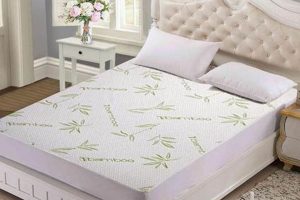
The fabric used in a grounding mattress pad should be hypoallergenic to minimize the risk of allergic reactions. Materials like natural latex, commonly found in mattresses, can trigger allergies in sensitive individuals. Similarly, dyes and finishes applied to fabrics may contain allergenic compounds. Grounding mattress pads marketed as safe should utilize hypoallergenic materials like organic cotton, bamboo, or Tencel, and avoid harsh dyes or chemical treatments. Real-life cases reveal that individuals with latex allergies experience severe reactions when exposed to latex-containing bedding. Allergenicity testing is essential.
- Volatile Organic Compounds (VOCs)
Mattress pads manufactured with synthetic materials can emit volatile organic compounds (VOCs), which are organic chemicals that can vaporize at room temperature and potentially cause adverse health effects. VOCs are found in foam, adhesives and synthetic fabrics. Grounding mattress pads labeled safe should undergo VOC testing and meet stringent emission standards, such as those established by CertiPUR-US or GREENGUARD Gold certifications. These certifications indicate that the product has been tested for VOC emissions and meets acceptable levels. Real-life studies show that prolonged exposure to elevated VOC levels can lead to respiratory irritation, headaches, and other health problems. Low VOC emissions are crucial for safe materials.
In summation, material safety in grounding mattress pads necessitates a comprehensive approach that considers flame retardants, conductive element toxicity, allergenicity, and VOC emissions. Opting for products that prioritize safer alternatives, undergo rigorous testing, and adhere to recognized certifications ensures that the potential benefits of grounding are not compromised by health risks associated with unsafe materials. This approach minimizes consumer risk and promotes confidence in product safety.
6. Cleaning practices

Cleaning practices directly influence the functionality and longevity of grounding mattress pads. Accumulation of body oils, sweat, and dust on the pad’s surface impedes conductivity, diminishing the efficacy of electron transfer. The cause-and-effect relationship is evident: inadequate cleaning leads to reduced conductivity, thereby negating the purported health benefits. Routine cleaning, therefore, functions as an indispensable component in maintaining the optimal performance of these pads. Real-life examples illustrate that individuals who regularly clean their grounding mattress pads report sustained benefits, while those who neglect cleaning often experience a gradual decline in the pad’s effectiveness. This practical significance underscores the importance of adhering to manufacturer-recommended cleaning protocols.
Specific cleaning agents and methods impact conductive materials differently. Abrasive cleaners or harsh detergents can damage the conductive fibers, such as silver or carbon, permanently reducing their ability to facilitate electron transfer. Conversely, mild, pH-neutral detergents are generally recommended to remove surface contaminants without compromising the conductive properties. Moreover, the washing frequency also plays a critical role. Over-washing can degrade the materials, while infrequent cleaning allows for the buildup of residue. Proper care includes gentle washing with appropriate detergents and allowing the pad to air dry, avoiding high heat that could damage the conductive elements. These practices ensures that grounding mattress pads preserve their function over their entire lifespan.
In conclusion, the effective use of grounding mattress pads hinges on consistent and appropriate cleaning practices. The link between cleaning and performance stems from the need to maintain conductivity. While specific cleaning recommendations vary depending on the material composition, adhering to manufacturer guidelines and employing gentle cleaning agents are crucial. This approach not only preserves the pad’s functionality but also extends its lifespan. Neglecting cleaning introduces an operational challenge, ultimately undermining the purpose of the grounding mattress pad and limiting potential benefits.
7. Potential Effects

The purported benefits of grounding mattress pads encompass a spectrum of physiological and subjective outcomes. These potential effects, while not universally validated by rigorous scientific consensus, are a central element in the discussion surrounding these products and their adoption by consumers seeking wellness solutions.
- Sleep Quality Enhancement
One frequently cited effect is the improvement in sleep quality, characterized by increased sleep duration, reduced sleep latency (time to fall asleep), and decreased nocturnal awakenings. Advocates posit that grounding promotes relaxation by modulating the autonomic nervous system, leading to a more restful sleep experience. Reports from users suggest that incorporating a grounding mattress pad into their sleep r
outine correlates with a subjective sense of improved sleep depth and reduced insomnia symptoms. However, such testimonials lack the rigor of controlled clinical trials, and the observed effects may be influenced by placebo responses or confounding factors. Nonetheless, the perception of enhanced sleep remains a primary driver for the utilization of these products. - Inflammation Modulation
A potential physiological effect linked to grounding is the modulation of systemic inflammation. Proponents suggest that connecting to the Earth’s electrical potential allows for the transfer of electrons, which act as antioxidants, neutralizing free radicals and reducing oxidative stress. Although preliminary studies have indicated a decrease in inflammatory markers, such as C-reactive protein (CRP), the magnitude and clinical significance of these findings require further investigation. The theoretical basis lies in the role of electrons in mitigating oxidative damage, a key factor in inflammatory processes. However, the extent to which grounding can impact systemic inflammation remains an area of ongoing research.
- Pain Reduction
Pain reduction, particularly in chronic pain conditions, represents another potential effect attributed to grounding mattress pads. Individuals suffering from fibromyalgia, arthritis, and neuropathic pain have reported a decrease in pain intensity and improved functional capacity following the adoption of grounding practices. The proposed mechanism involves the modulation of pain signaling pathways and the reduction of inflammation, both of which contribute to pain perception. Anecdotal evidence and small-scale studies suggest a potential analgesic effect, but the underlying neurophysiological mechanisms and the long-term efficacy require further elucidation. The subjective experience of pain relief remains a significant motivating factor for individuals exploring grounding as a complementary therapy.
- Stress Reduction and Mood Improvement
Grounding is also associated with potential psychological effects, including stress reduction and mood improvement. The practice is believed to influence the autonomic nervous system by shifting the balance from sympathetic (fight-or-flight) to parasympathetic (rest-and-digest) dominance. This shift can lead to a reduction in cortisol levels, a hormone associated with stress, and an increase in feelings of relaxation and well-being. Subjective reports from users indicate that grounding promotes a sense of calmness and reduces anxiety. However, the psychological effects of grounding are complex and can be influenced by individual expectations, pre-existing mental health conditions, and environmental factors. While preliminary evidence suggests a potential benefit, more rigorous studies are needed to fully understand the impact of grounding on stress and mood.
The discussion surrounding the potential effects of grounding mattress pads remains nuanced and multifaceted. While subjective reports and preliminary studies suggest various benefits, the scientific evidence base is still evolving. The interplay between physiological mechanisms, psychological factors, and environmental context requires further investigation to establish the validity and clinical significance of these purported effects. The potential effects associated with these pads remain an area of active scientific inquiry and should be approached with a discerning and evidence-based perspective.
Frequently Asked Questions
This section addresses common inquiries and concerns regarding grounding mattress pads, providing clarity on their functionality, usage, and safety considerations.
Question 1: How do grounding mattress pads function?
These pads operate by facilitating electron transfer from the Earth to the human body. They incorporate conductive materials, such as silver or carbon, and connect to the ground port of an electrical outlet via a grounding wire. This connection allows for the flow of electrons, theoretically mitigating oxidative stress and promoting physiological balance.
Question 2: Is direct skin contact necessary for optimal functionality?
Yes, direct skin contact is crucial. Clothing, especially synthetic fabrics, acts as an insulating barrier, impeding electron transfer. For optimal grounding, bare skin must directly contact the conductive surface of the pad.
Question 3: What are the potential risks associated with using these pads?
While generally considered safe, potential risks include mild detox symptoms (e.g., fatigue or headaches) during initial use and allergic reactions to the pad’s materials. Additionally, faulty electrical grounding can pose a safety hazard. It is imperative to ensure proper grounding and monitor for adverse reactions.
Question 4: How often should the pad be cleaned, and what cleaning agents are appropriate?
Cleaning frequency depends on usage and manufacturer recommendations. Gentle washing with mild, pH-neutral detergents is generally advised. Abrasive cleaners or harsh detergents can damage the conductive materials and should be avoided. Allow the pad to air dry to prevent damage.
Question 5: Do grounding mattress pads eliminate the need for conventional medical treatment?
No, these pads should not be considered a substitute for conventional medical treatment. Individuals with existing health conditions or concerns should consult with a healthcare professional before integrating grounding practices into their routine. The pads can be a valuable adjunct to a healthy lifestyle but are not a replacement for medical care.
Question 6: How does the sleep environment influence the effectiveness of grounding mattress pads?
A carefully regulated sleep environment significantly enhances the benefits of these pads. Factors such as minimized light exposure, controlled temperature, reduced electromagnetic fields, and optimized air quality create a synergistic effect, promoting deeper and more restful sleep. Prioritizing these elements complements the grounding process.
In summary, understanding the mechanisms, potential risks, and proper usage guidelines is essential for maximizing the benefits and minimizing the drawbacks associated with grounding mattress pads. These products represent a complementary approach to wellness, not a replacement for conventional medical care.
The subsequent section will delve into the future trends and emerging technologies in the field of grounding and its applications in bedding and sleep-related products.
Grounding Mattress Pads
This exploration has presented a comprehensive overview of grounding mattress pads, encompassing their functionality, material composition, usage guidelines, potential effects, and associated safety considerations. Key points include the necessity of direct skin contact for electron transfer, the importance of a properly grounded electrical outlet, the role of conductive materials (e.g., silver or carbon), and the impact of cleaning practices on pad longevity. The potential physiological and psychological effects, while warranting further scientific investigation, represent a significant aspect of their appeal to consumers.
As research into the effects of grounding continues, individuals considering the adoption of grounding mattress pads should prioritize informed decision-making. This includes consulting with healthcare professionals, carefully evaluating product claims, and ensuring adherence to safety guidelines. The future of grounding technology in bedding may involve advancements in material science, improved grounding mechanisms, and more rigorous clinical validation. The responsible integration of these products into a holistic approach to health and well-being remain
s paramount.


![Top JCP Mattress Pad [Guide] & Best Deals | Organic & Natural Mattress Buyer’s Guide: Non-Toxic Sleep Solutions](https://mattressworldpa.com/wp-content/uploads/2025/07/th-4793-300x200.jpg "Top JCP Mattress Pad [Guide] & Best Deals Organic & Natural Mattress Buyer’s Guide: Non-Toxic Sleep Solutions")