



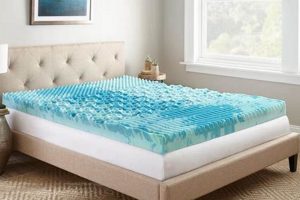
An overlay designed to enhance the comfort and support of a standard mattress, typically found in upscale accommodations, aims to replicate the sleeping experience offered by high-end hotels. These products are generally thicker and constructed from premium materials compared to standard mattress overlays, focusing on providing an additional layer of cushioning and pressure relief. An example would be a four-inch thick memory foam product infused with cooling gel, intended to conform to the sleeper’s body and regulate temperature.
The prevalence of enhanced sleep surfaces in the hospitality industry stems from a desire to offer guests a superior and memorable experience. The advantages of using such a product include improved sleep quality through enhanced support and comfort, prolonged mattress lifespan by reducing direct wear and tear, and a cost-effective means of upgrading existing beds without replacing the entire mattress. Historically, hotels have prioritized guest comfort, leading to the adoption of increasingly advanced bedding solutions.
The subsequent discussion will delve into the specific materials used in these premium overlays, the factors to consider when selecting one for personal use, and a comparison of different types available on the market. Furthermore, insights into the maintenance and care requirements of these bedding enhancements will be provided.
Guidance on Acquiring a Superior Mattress Overlay
This section provides practical advice for selecting a bedding enhancement designed to emulate the comfort and support found in high-end hotels. Adherence to these recommendations will aid in making an informed purchase.
Tip 1: Material Assessment: Evaluate the composition of the overlay. Options include memory foam, latex, down alternative, and feather. Memory foam provides contouring support, while latex offers a more resilient feel. Down alternative and feather provide a softer, plush surface. The choice depends on individual preferences and needs.
Tip 2: Density Considerations: For memory foam, density is a key factor. Higher density options generally offer greater support and durability. A density of 4-5 pounds per cubic foot is often recommended for optimal performance. Lower density options may compress and degrade more quickly.
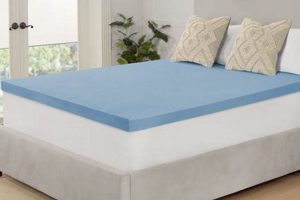
Tip 3: Thickness Evaluation: The thickness of the overlay impacts its overall comfort and support. A minimum of 3 inches is generally recommended to provide substantial cushioning. Thicker options, such as 4-inch or 5-inch models, may be preferable for individuals seeking significant pressure relief.
Tip 4: Cooling Properties: If temperature regulation is a concern, consider options with cooling gel infusions, breathable fabrics, or open-cell foam structures. These features help dissipate heat and prevent overheating during sleep.
Tip 5: Cover Material: Examine the fabric used for the overlay cover. Look for breathable and hypoallergenic materials such as cotton, bamboo, or Tencel. These fabrics promote airflow and minimize the risk of allergic reactions.
Tip 6: Secure Attachment: Ensure the product has a secure attachment mechanism, such as elastic straps or a fitted skirt, to prevent it from shifting during sleep. A properly secured overlay will maintain consistent support and comfort throughout the night.
Tip 7: Warranty and Return Policies: Review the warranty and return policies offered by the manufacturer or retailer. A generous warranty period and a hassle-free return policy provide reassurance and protection in case of dissatisfaction.
By carefully considering these factors materials, density, thickness, cooling properties, cover material, attachment, and warranty individuals can select a bedding enhancement that aligns with their specific needs and preferences, promoting improved sleep quality.
The subsequent discussion will focus on common maintenance practices to preserve the integrity and longevity of these premium bedding additions.
1. Material Density

Material density is a critical determinant of the performance and longevity of a mattress overlay designed to emulate the quality found in high-end hotels. Density directly affects support, durability, and overall comfort. Understanding density variations and their implications is essential for selecting an appropriate product.
- Support and Pressure Relief
Higher density materials, particularly in memory foam overlays, provide enhanced support and pressure relief. The increased density allows the material to conform more closely to the body, distributing weight evenly and reducing pressure points. This is crucial for replicating the comfortable sleeping experience associated with luxurious accommodations, where guests expect optimal support to minimize discomfort.
- Durability and Longevity
The density of the material directly correlates with its durability. Overlays with higher densities are more resistant to compression and degradation over time. A lower-density option may compress and lose its supportive properties more quickly, leading to sagging and reduced comfort. Hotels prioritize durability due to the high frequency of use, so overlays with high density are essential for maintaining consistent performance.
- Heat Retention
Material density can influence heat retention. Denser materials tend to trap more heat compared to less dense options. This is particularly relevant for memory foam, where higher density can result in increased body heat retention, leading to discomfort for some users. Manufacturers often incorporate cooling technologies, such as gel infusions or open-cell structures, to mitigate this issue in high-density overlays designed for a hotel-like experience.
- Weight and Handling
The density of the material also affects the overall weight of the overlay. Higher density options are generally heavier, which can impact ease of handling and installation. While hotels may prioritize durability over ease of handling due to staff availability, individual consumers should consider the weight of the overlay when selecting a product for home use.
In conclusion, material density is a pivotal factor in the performance and longevity of bedding enhancements. Higher density options typically offer improved support, durability, and pressure relief, but may also retain more heat and be heavier. Selecting an appropriate density requires careful consideration of individual needs and preferences to achieve a sleeping experience reminiscent of a premium hotel.
2. Thickness Level

Thickness level, in relation to a bedding enhancement aiming to replicate the experience of a hotel, directly influences both perceived comfort and overall support. A thicker overlay generally provides a greater degree
of cushioning, conforming to the sleeper’s body and alleviating pressure points. This is particularly relevant for individuals seeking relief from conditions such as back pain or arthritis. In practical terms, a thinner overlay, perhaps one or two inches in depth, might offer minimal additional support beyond the existing mattress. Conversely, a thicker option, ranging from three to five inches, can significantly alter the sleeping surface, creating a more plush and comfortable feel. Hotels, seeking to cater to a diverse clientele with varying comfort preferences, often select thicker overlays to ensure a universally appealing sleep surface.
The selection of an appropriate thickness level is not solely dependent on personal preference; it is also contingent on the existing mattress. A mattress that is already relatively soft may not benefit from an excessively thick overlay, as this could result in a lack of adequate spinal support and potential discomfort. Conversely, a firm mattress may be significantly enhanced by a thicker overlay, providing a necessary layer of cushioning and conformity. Moreover, the thickness level impacts the overall bed height, which is a practical consideration, especially for individuals with mobility limitations. For example, adding a five-inch overlay to an already tall bed frame may make it challenging to get in and out of bed.
In summary, thickness level is a crucial attribute of a bedding enhancement, playing a decisive role in determining comfort, support, and overall sleep quality. The appropriate thickness is dependent on individual preferences, the existing mattress, and practical considerations such as bed height. Careful evaluation of these factors is essential to select a product that effectively replicates the sleeping experience associated with upscale hospitality establishments, while avoiding potential drawbacks such as inadequate support or excessive bed height.
3. Support Structure

The support structure within a mattress overlay, particularly those marketed as emulating hospitality standards, is paramount to the overall sleeping experience. It dictates spinal alignment, pressure distribution, and long-term durability, all essential components of perceived comfort and restorative rest. The type and arrangement of materials within this structure directly influence its effectiveness.
- Core Material Composition
The core material, often memory foam, latex, or a combination thereof, forms the foundation of the support structure. High-density memory foam, for instance, conforms to the body’s contours, providing targeted support and pressure relief. Latex offers a more resilient and responsive feel, promoting spinal alignment while maintaining a degree of firmness. The selection of core material influences the overlay’s ability to maintain its shape and provide consistent support over time. The density and resilience of the core material are key indicators of its ability to withstand prolonged use, mirroring the demands placed on bedding in the hospitality sector.
- Zoning and Layering
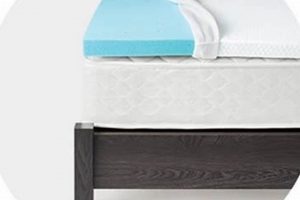
Many premium overlays incorporate zoning or layering techniques to enhance support in specific areas. For example, a zoned overlay might feature firmer support in the lumbar region to promote proper spinal alignment, while softer materials are used in the shoulder and hip areas to alleviate pressure points. Layering different materials, such as a high-density foam base topped with a softer, more conforming layer, can provide a balanced combination of support and comfort. These techniques aim to mimic the tailored support found in high-end hotel mattresses, which are often designed to accommodate a variety of sleeping positions and body types.
- Edge Support Reinforcement
Edge support reinforcement is another critical aspect of the support structure. Overlays with reinforced edges prevent sagging and provide a stable sleeping surface from edge to edge. This is particularly important for individuals who sleep near the edge of the bed or who require assistance getting in and out of bed. Robust edge support enhances the usable sleeping surface and prevents the “roll-off” feeling that can be associated with inferior products. This feature enhances the overall comfort and functionality, mirroring the expectation of a consistent and supportive sleep surface found in hotel environments.
- Airflow and Ventilation
The support structure can also play a role in promoting airflow and ventilation. Some overlays feature open-cell foam structures or ventilation channels that allow air to circulate, dissipating heat and preventing moisture buildup. This is especially important for individuals who tend to sleep hot, as it can help regulate body temperature and improve overall sleep comfort. Breathable materials and designs contribute to a more hygienic sleeping environment, reducing the risk of mold and mildew growth. This is a vital consideration, as cleanliness and hygiene are paramount in the hospitality industry.
These facets of the support structure, working in concert, determine the effectiveness of a mattress overlay in providing optimal comfort and support. By carefully considering these factors, consumers can select a product that effectively replicates the enhanced sleep experience often found in upscale hotel settings. Furthermore, the longevity and consistent performance of the overlay are directly tied to the quality and design of its support structure.
4. Cooling Capability
The integration of cooling capability within a mattress overlay designated as “hotel quality” stems from a recognized need to mitigate heat retention, a common issue associated with many mattress materials, particularly memory foam. The cause-and-effect relationship is straightforward: materials designed to conform closely to the body often restrict airflow, leading to increased body temperature and potential discomfort. Cooling capability, therefore, is not merely an ancillary feature, but a critical component in achieving a comfortable and restorative sleep experience, mirroring the standards expected in upscale hospitality environments. Real-life examples include gel-infused memory foam overlays, which incorporate phase-change materials designed to absorb and dissipate heat, and overlays constructed with open-cell foam structures to enhance ventilation.
The importance of cooling capability extends beyond mere comfort; it directly impacts sleep quality. Elevated body temperature during sleep can disrupt sleep cycles, leading to restlessness and reduced overall sleep duration. Hotel environments, aiming to provide an optimal sleep experience for diverse clientele, prioritize temperature regulation as a fundamental aspect of bedding selection. This translates into the adoption of overlays incorporating advanced cooling technologies, such as moisture-wicking fabrics and strategically placed ventilation channels. Practical applications include the use of breathable fabrics like Tencel or bamboo in the overlay cover, which promote airflow and minimize moisture buildup, contributing to a cooler and more hygienic sleep environment.
In summary, cooling capability is intrinsically linked to the perceived quality and effectiveness of a mattress overlay designed to replicate a high-end hotel sleeping experience. Addressing heat retention through innovative materials and designs is essential for achieving optimal sleep comfort a
nd preventing disruptions caused by elevated body temperature. The challenges lie in balancing cooling properties with other factors such as support and durability, requiring manufacturers to employ sophisticated engineering and material science to meet the demanding expectations of the hospitality industry and discerning consumers. Understanding the significance of cooling capability underscores its role as a key differentiator in bedding enhancements.
5. Cover Material
The selection of cover material for a mattress overlay aimed at replicating the standards of upscale hotels is a critical determinant of overall performance, influencing factors such as breathability, hygiene, and durability. The cover is not merely an aesthetic component; it serves as the interface between the sleeper and the supportive layers beneath, impacting the microclimate of the sleeping surface and contributing significantly to the perceived quality of the product.
- Breathability and Airflow Regulation
The cover material’s ability to facilitate airflow is paramount in preventing heat buildup and moisture retention. Tightly woven, synthetic fabrics tend to restrict airflow, leading to elevated body temperature and potential discomfort. Conversely, natural fibers such as cotton, bamboo, and Tencel exhibit superior breathability, promoting ventilation and wicking away moisture. Hotel-quality overlays often utilize these breathable materials to ensure a cooler and more hygienic sleep environment. An example is a Tencel cover known for its excellent moisture-wicking properties, which helps regulate temperature and prevent the growth of bacteria and allergens.
- Hygiene and Allergen Control
The cover material plays a vital role in maintaining hygiene and minimizing allergen exposure. Certain materials possess inherent antimicrobial properties, inhibiting the growth of bacteria, mold, and mildew. Additionally, tightly woven covers can act as a barrier against dust mites, a common allergen. Hotel-quality overlays frequently incorporate hypoallergenic materials and antimicrobial treatments to provide a cleaner and healthier sleep surface. For instance, a cotton cover treated with silver ions can inhibit bacterial growth and reduce odors, enhancing the overall hygiene of the overlay.
- Durability and Resistance to Wear
The cover material must be durable enough to withstand regular use and cleaning without compromising its integrity. Materials prone to pilling, tearing, or stretching will detract from the overall quality and longevity of the overlay. Hotel-quality overlays typically utilize tightly woven fabrics with reinforced seams to enhance durability and resistance to wear. An example is a tightly woven cotton blend that can withstand frequent washing and resist abrasion, ensuring that the overlay maintains its appearance and performance over time.
- Surface Feel and Comfort
The texture and feel of the cover material contribute significantly to the overall comfort of the overlay. Rough or scratchy materials can irritate the skin and disrupt sleep, while smooth and soft materials promote a more comfortable and relaxing sleep experience. Hotel-quality overlays often utilize fabrics with a soft and luxurious feel, such as brushed cotton or Tencel, to enhance the overall sleep experience. An example is a brushed cotton cover that provides a soft and plush surface, enhancing the feeling of comfort and relaxation.
In conclusion, the cover material is a critical component of a mattress overlay striving to achieve the standards of quality and comfort associated with high-end hospitality. The material selected directly influences breathability, hygiene, durability, and surface feel, all of which contribute to the overall sleeping experience. Careful consideration of these factors is essential when selecting an overlay designed to replicate the enhanced sleep experience found in upscale hotels.
6. Attachment Method

The attachment method of a bedding enhancement marketed as “hotel quality” directly influences its stability, functionality, and overall user satisfaction. Inconsistent or inadequate attachment can lead to shifting, bunching, and a compromised sleeping surface, detracting from the intended comfort and support. Therefore, a secure and reliable attachment system is paramount in replicating the consistent and undisturbed sleep experience associated with high-end hotel accommodations.
- Elastic Straps
Elastic straps represent a common attachment method, typically positioned at the four corners of the bedding enhancement. These straps are designed to loop around the corners of the mattress, securing the overlay in place. The effectiveness of elastic straps depends on the quality of the elastic and the design of the mattress. Inferior elastic may stretch or lose its elasticity over time, resulting in slippage. Mattresses with deep profiles or rounded corners may also pose challenges for elastic strap systems. While cost-effective, elastic straps may not provide the most robust or reliable attachment for bedding enhancements intended for frequent use or high-traffic environments, such as hotels.
- Fitted Skirt
A fitted skirt, resembling that of a fitted sheet, offers a more comprehensive and secure attachment method. The skirt encases the entire mattress, providing a snug and uniform fit. This design minimizes shifting and bunching, ensuring a consistent sleeping surface. Fitted skirts are particularly well-suited for mattresses with varying thicknesses and profiles. The quality of the fabric and the elasticity of the skirt’s perimeter are critical factors in its long-term performance. While generally more expensive than elastic straps, a well-designed fitted skirt provides superior stability and contributes to a more seamless sleeping experience, aligning with the expectations of hotel guests.
- Anchor Bands
Anchor bands represent a less common attachment approach, typically involving adjustable straps that crisscross beneath the mattress. These bands provide a customizable fit and can be tightened to ensure a secure attachment. Anchor band systems may be particularly effective for mattresses with unconventional shapes or sizes. However, the installation process can be more complex compared to elastic straps or fitted skirts. Moreover, the bands may be visible or felt through the mattress if not properly positioned. While offering a degree of adjustability, anchor bands may not be the most practical or aesthetically pleasing solution for bedding enhancements designed for hotel use.
- Non-Slip Backing
Non-slip backing, often consisting of a textured or coated surface, relies on friction to prevent the bedding enhancement from shifting. This attachment method is typically used in conjunction with other systems, such as elastic straps or a fitted skirt, to provide an extra layer of security. The effectiveness of non-slip backing depends on the material used and the surface of the mattress. Smooth or slippery mattress surfaces may reduce the effectiveness of the non-slip backing. While offering a simple and unobtrusive attachment solution, non-slip backing alone may not provide sufficient stability for bedding enhancements intended for rigorous use. It serves as a supplementary feature rather than a primary attachment method in most high-
quality implementations.
The choice of attachment method for a bedding enhancement designed to emulate hotel standards should reflect a commitment to stability, functionality, and user satisfaction. While elastic straps and non-slip backing may offer cost-effective solutions, a fitted skirt typically provides the most secure and reliable attachment, ensuring a consistent and undisturbed sleep surface. Consideration of mattress profile, frequency of use, and aesthetic preferences should inform the selection process, ultimately contributing to a product that meets the demanding expectations of both hotel guests and discerning consumers seeking a premium sleep experience. Furthermore, the attachment method should facilitate easy installation and removal for cleaning and maintenance, further enhancing its practicality and long-term value.
7. Warranty Scope

Warranty scope, in the context of a “hotel quality mattress topper,” represents a manufacturer’s commitment to product durability and performance over a defined period. It serves as a crucial indicator of confidence in the product’s materials and construction, thereby influencing consumer purchasing decisions. The extent and conditions of the warranty provide assurance against defects and premature degradation, reflecting the longevity and reliability expected of bedding enhancements intended to emulate high-end hospitality standards.
- Coverage Duration
The duration of the warranty is a primary facet, indicating the length of time the manufacturer guarantees the product against defects. A longer warranty period suggests a higher level of confidence in the product’s durability. For example, a five-year warranty on a mattress overlay provides more reassurance than a one-year warranty. In the context of hotel-quality overlays, a longer coverage duration aligns with the expectation of extended performance and resilience, mirroring the demands placed on bedding in the hospitality industry.
- Defect Coverage
The specific defects covered under the warranty are a critical consideration. Common defects include manufacturing flaws, premature sagging, and material degradation. Some warranties may exclude certain types of damage, such as stains or misuse. Understanding the scope of defect coverage is essential for assessing the overall value of the warranty. In real-life scenarios, a warranty that covers sagging beyond a certain depth provides practical protection against premature loss of support. For overlays aiming to replicate hotel standards, comprehensive defect coverage ensures a consistent level of comfort and support over time, aligning with the guest experience.
- Claim Process
The ease and transparency of the claim process are important aspects of the warranty scope. A streamlined claim process minimizes inconvenience and ensures that valid claims are resolved efficiently. Manufacturers with complex or restrictive claim procedures may deter consumers from seeking warranty service. Positive examples include manufacturers offering online claim submission and prompt resolution. In the context of hotel-quality overlays, a straightforward claim process reinforces the manufacturer’s commitment to customer satisfaction and product quality, mirroring the service standards expected in the hospitality industry.
- Remedies and Exclusions
The remedies offered under the warranty, such as repair, replacement, or refund, define the manufacturer’s obligation in the event of a valid claim. Similarly, the exclusions outline circumstances under which the warranty does not apply. Understanding the available remedies and exclusions is crucial for assessing the practical value of the warranty. In real-life terms, a warranty that offers a full replacement in the event of a covered defect provides greater peace of mind than a warranty that only offers a partial refund. For overlays intended to replicate the comfort and durability of hotel bedding, clear and reasonable remedies and exclusions are essential for maintaining consumer confidence and ensuring a satisfactory ownership experience.
In conclusion, warranty scope is a multifaceted attribute of a “hotel quality mattress topper,” encompassing coverage duration, defect coverage, claim process, remedies, and exclusions. A comprehensive and transparent warranty provides assurance against defects and premature degradation, reinforcing the manufacturer’s commitment to product quality and customer satisfaction. The specific terms of the warranty should align with the expectations of longevity and performance associated with bedding enhancements intended to emulate the standards of upscale hospitality, ultimately influencing consumer purchasing decisions and ensuring a positive ownership experience.
Frequently Asked Questions
This section addresses common inquiries concerning enhanced mattress overlays designed to replicate the sleep experience found in upscale hotels. The information provided aims to clarify misconceptions and offer objective guidance for informed decision-making.
Question 1: What distinguishes a “hotel quality” mattress overlay from a standard model?
Overlays marketed as “hotel quality” typically feature enhanced materials, construction techniques, and performance characteristics. These enhancements include higher density foams, advanced cooling technologies, and durable cover materials, all intended to provide superior comfort, support, and longevity compared to standard overlays.
Question 2: How does the density of the overlay impact its performance?
Density directly affects the support, durability, and pressure relief offered by the overlay. Higher density materials provide greater resistance to compression, resulting in enhanced support and prolonged lifespan. Lower density options may compress more readily, leading to reduced support and potential discomfort over time.
Question 3: Is a thicker overlay always superior?
Thickness alone does not guarantee superior performance. While a thicker overlay can provide greater cushioning and pressure relief, the optimal thickness depends on individual preferences and the characteristics of the existing mattress. A mattress that is already relatively soft may not benefit from an excessively thick overlay, as this could compromise spinal support.
Question 4: How important is the cover material of the overlay?
The cover material plays a crucial role in breathability, hygiene, and overall comfort. Breathable materials such as cotton, bamboo, or Tencel promote airflow and minimize moisture retention, contributing to a cooler and more hygienic sleep environment. Durable cover materials enhance the longevity of the overlay and protect the underlying materials from wear and tear.
Question 5: What attachment methods are most effective in preventing slippage?
A fitted skirt, resembling that of a fitted sheet, generally provides the most secure and reliable attachment, minimizing shifting and bunching. Elastic straps and non-slip backing may offer additional stability, but are often less effective as standalone attachment systems. The choice of attachment method should consider the mattress profile and the frequency of use.
Question 6: What should be considered when evaluating the warranty scope of a mattress overlay?
Key considerations include the duration of the warranty, the specific defects covered, the ease of the claim process, and the available remedies. A
comprehensive and transparent warranty provides assurance against defects and premature degradation, reflecting the manufacturer’s confidence in the product’s quality and longevity.
In summary, selecting a bedding enhancement designed to replicate the hotel experience requires careful consideration of material density, thickness level, cover material, attachment method, and warranty scope. Evaluating these factors objectively will facilitate an informed purchase decision.
The discussion will now shift to practical considerations for maintaining and cleaning these premium bedding additions, ensuring their long-term performance and hygiene.
Conclusion
The preceding exploration of the “hotel quality mattress topper” has elucidated key attributes, encompassing material density, support structure, cooling capabilities, cover materials, attachment methods, and warranty scopes. These elements, when harmonized, contribute to a sleeping surface designed to emulate the standards of upscale hospitality. The selection process necessitates a discerning approach, factoring in individual needs and existing mattress characteristics to optimize comfort and longevity.
The adoption of enhanced bedding solutions reflects a growing demand for restorative sleep environments. Further research and development in material science and ergonomic design will likely yield even more sophisticated overlays, blurring the line between residential and hospitality sleep experiences. Continued evaluation of product specifications and adherence to recommended maintenance practices are essential for maximizing the investment in such premium bedding products.
![Best RV Mattress Queen Topper [Comfort Upgrade] | Organic & Natural Mattress Buyer’s Guide: Non-Toxic Sleep Solutions](https://mattressworldpa.com/wp-content/uploads/2025/07/th-6060-300x200.jpg "Best RV Mattress Queen Topper [Comfort Upgrade] Organic & Natural Mattress Buyer’s Guide: Non-Toxic Sleep Solutions")
![Best Down Mattress Topper King Size: [Guide] | Organic & Natural Mattress Buyer’s Guide: Non-Toxic Sleep Solutions](https://mattressworldpa.com/wp-content/uploads/2025/07/th-6057-300x200.jpg "Best Down Mattress Topper King Size: [Guide] Organic & Natural Mattress Buyer’s Guide: Non-Toxic Sleep Solutions")