The process of filling an inflatable sleeping surface with air to achieve its intended form and functionality is critical for temporary bedding solutions. A properly inflated mattress provides necessary support and comfort for rest. The method employed varies depending on the mattress design and the available inflation devices.
Achieving optimal firmness in an air mattress offers a portable and adaptable sleep environment, particularly valuable during travel, camping, or accommodating guests. Historically, manual pumps were the primary inflation method. The evolution of technology has introduced electric pumps and self-inflating mechanisms, increasing convenience and reducing physical exertion.
The following sections will detail common inflation methods, address troubleshooting techniques for common issues, and outline preventative measures to maintain optimal performance and longevity of the inflatable mattress.
Essential Tips for Optimal Inflation
Maximizing the lifespan and comfort of an inflatable sleeping surface requires adherence to specific inflation practices. The following guidelines provide instructions for proper usage and maintenance.
Tip 1: Choose the Appropriate Inflation Method: Determine the correct pump type required based on the valve design of the mattress. Utilizing an incompatible nozzle can damage the valve.
Tip 2: Avoid Overinflation: Inflate the mattress until it reaches its recommended firmness. Overinflation can stretch the material and lead to seam failure, shortening the product’s lifespan.
Tip 3: Monitor Air Pressure Changes: Fluctuations in temperature can affect internal pressure. Release air during warmer periods and add air during cooler periods to maintain consistent firmness.
Tip 4: Use a Protected Inflation Area: Ensure the inflation surface is free from sharp objects or debris that could puncture the mattress material.
Tip 5: Secure the Valve After Inflation: Verify the valve is tightly sealed to prevent air leakage during use. Some valves feature multiple locking mechanisms for enhanced security.
Tip 6: Store Properly When Not in Use: Completely deflate the mattress and fold it according to the manufacturer’s instructions. Store it in a dry, cool place away from direct sunlight to prevent material degradation.
Tip 7: Periodically Check for Leaks: Before each use, inspect the mattress for potential punctures or leaks. Addressing minor leaks promptly can prevent further damage and extend the mattress’s usability.
Adhering to these guidelines ensures optimal performance and maximizes the longevity of the inflatable sleeping surface, providing consistent comfort and support.
The subsequent sections will cover troubleshooting common issues encountered during inflation and storage, further enhancing the user experience.
1. Pump compatibility

Pump compatibility is a critical determinant in the successful inflation of an air mattress. A mismatch between the pump nozzle and the mattress valve renders the inflation process inefficient or entirely impossible. The intended air transfer mechanism relies on a secure connection, preventing air leakage during operation. Various air mattress models employ different valve designs, necessitating corresponding pump nozzle types.
Failure to ensure pump compatibility can lead to several adverse outcomes. Attempting to force an incompatible nozzle can damage the mattress valve, resulting in a permanent leak and rendering the mattress unusable. Alternatively, a loose connection due to an ill-fitting nozzle reduces inflation efficiency, extending the required inflation time and potentially overworking the pump motor. For instance, using a high-volume pump designed for larger inflatable items with an air mattress that features a pin-valve can damage the pin and cause immediate air leakage.
Selecting the appropriate pump type, whether manual, electric, or integrated, based on the specific valve design is crucial. Adapters can sometimes bridge minor compatibility issues, but a purpose-built connection offers the most reliable and efficient inflation process. Understanding pump compatibility, therefore, is not merely a convenience, but a fundamental requirement for achieving a fully inflated and functional air mattress. Ignoring this requirement often results in a frustrating and potentially damaging experience.
2. Valve integrity

Valve integrity is paramount to the successful inflation and sustained usability of an air mattress. It represents the valve’s capacity to form and maintain an airtight seal, both during and after the introduction of air. A compromised valve negates the intended function of an air mattress, rendering it unable to retain the necessary pressure for support and comfort. The method of inflation, while important, is rendered futile if the valve mechanism is defective or damaged.
The relationship between valve integrity and the inflation process is a cause-and-effect dynamic. A valve that is cracked, torn, or improperly seated allows air to escape, negating the effort expended during inflation. This can manifest as an inability to achieve the desired firmness or a rapid deflation soon after inflation. For example, a pinhole leak in the valve’s sealing surface results in a constant hissing sound and a gradual decrease in mattress pressure, regardless of the inflation technique or the type of pump used.
Consequently, understanding and ensuring valve integrity is of practical significance. Prior to initiating inflation, a visual inspection of the valve for any signs of damage or wear is crucial. Furthermore, verifying that the valve cap or closure mechanism is securely fastened post-inflation is essential. Ignoring valve integrity not only undermines the immediate inflation process but can also lead to premature failure of the air mattress. In conclusion, the effectiveness of any method employed is contingent upon the structural integrity of the valve itself, linking valve integrity and how to inflate an air mattress.
3. Pressure regulation

Pressure regulation is an essential component of the inflation process. The introduction of air volume directly determines the firmness of the mattress, which impacts user comfort and support. Under-inflation compromises support, while over-inflation risks material damage. Effective inflation necessitates a method for monitoring and controlling internal air pressure, aligning it with both manufacturer specifications and individual user preferences. For example, an air mattress inflated to a pressure exceeding its design limit is prone to seam failur
e, especially under load. Conversely, insufficient pressure results in sagging and inadequate spinal alignment.
The implementation of pressure regulation techniques varies depending on the inflation mechanism. Manual pumps rely on tactile feedback and visual assessment to determine adequate pressure, while electric pumps often incorporate pressure gauges or pre-set inflation levels. Regardless of the method, attention to ambient temperature is critical. As temperatures rise, air expands, potentially leading to over-inflation. The reverse occurs in colder environments, necessitating supplemental air to maintain the desired firmness. Regular monitoring and adjustment of air pressure, therefore, is not a one-time event but an ongoing requirement to accommodate environmental changes and usage patterns.
In summary, pressure regulation bridges the gap between simply introducing air and achieving optimal performance from an inflatable sleeping surface. Its absence leads to discomfort, mattress damage, and reduced longevity. A comprehensive understanding of pressure regulation principles, combined with meticulous execution, maximizes the benefits derived. Consideration of the connection between “how do you inflate an air mattress” and its pressure regulation should be an ongoing process.
4. Surface preparation
The quality of the surface upon which an air mattress is inflated directly influences its structural integrity and long-term performance. Inadequate surface preparation increases the risk of punctures, abrasions, and other forms of damage that compromise the mattress’s ability to retain air and provide support. Appropriate surface preparation is an integral component of proper inflation, ensuring the mattress functions as intended.
- Clearance of Debris
The removal of sharp objects, such as small stones, twigs, or glass shards, is paramount. These materials can easily puncture the mattress during inflation or subsequent use. A thorough visual inspection and physical clearing of the inflation area are essential preventative measures. Ignoring this step increases the likelihood of irreparable damage.
- Use of Protective Layer
Placing a protective layer, such as a tarp or thick blanket, beneath the mattress offers an additional safeguard against abrasion and punctures. This layer acts as a buffer between the mattress material and the ground surface, reducing the direct impact of minor imperfections. A durable barrier significantly prolongs the mattress lifespan, particularly when used on rough or uneven terrain.
- Level Ground Selection
Inflating an air mattress on uneven or sloping ground can distribute weight unevenly, placing undue stress on certain seams and areas. This uneven distribution can lead to premature failure of the mattress. Selecting a level surface ensures uniform pressure distribution, maximizing support and extending the product’s usability.
- Indoor Surface Considerations
Even indoors, attention to surface preparation is critical. Avoid inflating air mattresses on abrasive surfaces like concrete or directly on wooden floors with splinters. A rug or carpet provides a suitable protective layer, preventing damage to the mattress’s underside and promoting even inflation. Failing to consider indoor surface conditions can result in unexpected and preventable damage.
Proper surface preparation, though often overlooked, is a fundamental prerequisite for the successful inflation of an air mattress. Adherence to these guidelines minimizes the risk of damage, maximizing the mattress’s functionality and lifespan, directly impacting the value derived from its use. Neglecting these precautions diminishes the effectiveness of any inflation technique, rendering it a futile exercise if the mattress is subsequently compromised.
5. Storage practices

Storage practices exhibit a demonstrable correlation with the subsequent inflation process. Improper storage degrades material integrity, directly impacting the mattress’s ability to achieve and maintain optimal inflation. Compression, folding irregularities, and exposure to environmental extremes during storage contribute to material weakening, seam stress, and valve damage. An air mattress subjected to poor storage conditions may exhibit reduced elasticity, increased vulnerability to punctures, and compromised valve functionality, thereby complicating or precluding successful inflation. The effectiveness of any inflation technique is contingent upon the pre-existing condition of the mattress, which is a direct result of storage protocols. For example, an air mattress compressed tightly for extended periods may develop creases and weakened seams, leading to air leakage even after meticulous inflation.
Correct storage involves complete deflation, careful folding along designated seams, and containment within a protective bag. This minimizes stress on the material and valve. Storage in a climate-controlled environment, away from direct sunlight and extreme temperatures, prevents material degradation and valve distortion. Integrating these storage practices mitigates risks associated with subsequent inflation attempts. An air mattress stored under optimal conditions is more likely to inflate fully and maintain pressure over extended periods, enhancing user experience and prolonging product lifespan. Conversely, disregarding recommended storage protocols necessitates increased inflation effort, elevates the risk of damage during inflation, and reduces the mattress’s overall utility.
In conclusion, appropriate storage practices serve as a prerequisite for successful and sustained inflation. The efficacy of inflation methods is inextricably linked to the pre-inflation state of the air mattress, which is directly influenced by storage conditions. Understanding and implementing correct storage strategies is not merely a post-usage consideration but an integral component of ensuring optimal inflation performance and maximizing the functional lifespan of the product. Neglecting this interdependency undermines the benefits of any inflation method and shortens the life span of inflatable mattress.
Frequently Asked Questions Regarding Air Mattress Inflation
The following section addresses common inquiries related to the successful inflation and maintenance of inflatable sleeping surfaces. Clarification of these points assists in optimizing usage and extending product lifespan.
Question 1: What is the optimal inflation pressure for an air mattress?
Optimal inflation pressure is dictated by manufacturer specifications and individual user comfort preferences. Over-inflation risks seam damage, while under-inflation compromises support. Refer to the mattress’s documentation for recommended pressure ranges. If specific pressure guidelines are absent, inflate until firm but yielding to the touch.
Question 2: Can any pump be used to inflate an air mattress?
Pump compatibility depends on valve type. Adapters may allow the use of different pump types, but ensure a secure, airtight connection. Forcing an incompatible nozzle can damage the valve, resulting in air leakage.
Question 3: Why does an air mattress lose air overnight?
Minor air loss is normal due to temperature fluctuations. Colder temperatures reduce air volume, decreasing int
ernal pressure. Significant air loss indicates a leak, typically caused by punctures or valve malfunction. Inspection and repair of leaks is crucial.
Question 4: What is the best method for locating a leak in an air mattress?
A soapy water solution applied to the inflated mattress’s surface is an effective leak detection method. Bubbles form at the point of leakage. Submerging sections of the inflated mattress in water is another method, but ensure electronic components, such as integrated pumps, remain dry.
Question 5: What is the proper procedure for patching a hole in an air mattress?
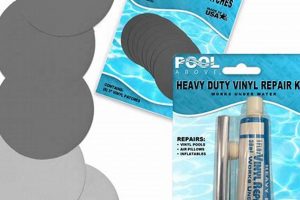
Deflate the mattress completely. Clean and dry the area surrounding the puncture. Apply a specialized vinyl patch with adhesive, following the manufacturer’s instructions. Allow sufficient time for the adhesive to cure before reinflating.
Question 6: What are the storage guidelines to preserve air mattress integrity?
Fully deflate the mattress. Clean and dry the surface. Fold neatly, avoiding sharp creases. Store in a cool, dry environment, away from direct sunlight and extreme temperatures. Use a storage bag to protect the material from abrasion and puncture.
Addressing these frequently asked questions contributes to informed usage and proactive maintenance of air mattresses. Proper inflation, leak detection, repair, and storage are essential for maximizing the longevity and functionality of these products.
The subsequent section offers advanced troubleshooting techniques for complex issues encountered during air mattress usage.
Conclusion
This exploration of how to inflate an air mattress has underscored the critical interplay of multiple factors. Valve compatibility, pressure regulation, surface preparation, and storage practices each contribute to successful inflation and the longevity of the inflatable sleeping surface. Optimal performance is not solely dependent on the inflation method employed, but rather on adherence to a holistic approach that considers each of these interdependent elements. Disregarding any single component can compromise the overall functionality and lifespan of the product.
The information provided serves as a guide for informed decision-making and proactive maintenance. Applying these principles maximizes the utility and lifespan of the air mattress, ensuring dependable comfort and support when needed. Diligence in these practices ensures not only successful inflation but also a more sustainable and cost-effective ownership experience over the long term.